Author: techsupport@collaboratepros.com

  • Green Roofing Solutions: Eco-Friendly Options for Installation
    Green Roofing Solutions: Eco-Friendly Options for Installation

    Green Roofing Solutions: Eco-Friendly Options for Installation

    In an age dominated by concrete sprawl, an emerging trend offers a breath of fresh air atop our urban skylines. Picture stepping onto your rooftop and being greeted by a lush, vibrant landscape instead of the typical sea of gray. This isn’t a vision from a sci-fi film; it’s a tangible movement gaining traction through the adoption of green roofing solutions. These revolutionary systems are more than just visually appealing; they represent a significant stride towards sustainable living within our urban ecosystems. Let’s explore the realm of green roofs and understand why they’re rapidly becoming an integral aspect of contemporary architecture.

    Green roofs, also known as living roofs or eco-roofs, are installations that incorporate vegetation and plant life onto building rooftops. These eco-friendly platforms offer a multitude of benefits that extend far beyond aesthetics. Firstly, they act as natural insulators, regulating indoor temperatures and reducing energy consumption for heating and cooling. By providing an additional layer of insulation, green roofs help mitigate the urban heat island effect, where cities experience significantly higher temperatures than surrounding rural areas due to the prevalence of concrete and asphalt surfaces.

    Moreover, green roofs serve as effective stormwater management systems. They absorb rainwater, reducing runoff and alleviating pressure on urban drainage systems. This helps prevent flooding and minimizes pollution in waterways by filtering contaminants from rainwater before it enters the ground.

    In addition to their environmental advantages, green roofs contribute to biodiversity in urban areas by providing habitats for birds, insects, and other wildlife. They create pockets of greenery in densely populated cities, enhancing air quality and promoting overall well-being for residents. Furthermore, green roofs can extend the lifespan of roofing materials by shielding them from harsh weather conditions and UV radiation, thereby reducing maintenance costs and the need for premature replacements.

    From an architectural standpoint, green roofs offer designers opportunities for creativity and innovation. They add visual interest to buildings, blending seamlessly with surrounding landscapes and enhancing the overall aesthetic appeal of urban environments. Whether integrated into residential, commercial, or institutional structures, green roofs serve as symbols of sustainability and environmental stewardship.

    As cities worldwide grapple with the challenges of climate change and urbanization, green roofs present a tangible solution for creating healthier, more resilient communities. By embracing these eco-conscious practices, we can transform our concrete jungles into vibrant, sustainable oases that benefit both people and the planet. In essence, green roofs represent not just a trend in modern architecture, but a fundamental shift towards a more sustainable future.

    Green Roofing Solutions
    Green Roofing Solutions

    The Environmental Impact: A Breath of Fresh Air

    In the pursuit of sustainable urban living, green roofing solutions emerge as revolutionary innovations, providing a literal breath of fresh air amidst the concrete sprawl. These verdant canopies not only transform rooftops into lush oases but also serve as beacons of environmental stewardship. By absorbing harmful air pollutants and synthesizing detrimental gases, green roofs act as natural air purifiers, significantly improving urban air quality. Their ability to lower temperatures and reduce energy consumption also addresses the urban heat island effect, creating a cooler, more breathable urban environment.

    Green roofs play a multifaceted role in combating climate change and enhancing environmental sustainability. Through the increased vegetation cover on rooftops, they contribute to carbon sequestration, effectively reducing greenhouse gas emissions and mitigating the effects of global warming. This transformation of buildings into active participants in the fight against climate change highlights the profound impact of green innovation on urban landscapes.

    In addition to their environmental benefits, green roofs offer numerous advantages for urban communities. They provide insulation, reducing the energy demands of buildings and lowering heating and cooling costs. This energy efficiency not only benefits building occupants but also reduces strain on urban infrastructure and contributes to overall energy conservation efforts.

    Furthermore, green roofs create opportunities for urban biodiversity and ecosystem restoration. By providing habitat for plant and animal species, they support local wildlife and enhance urban biodiversity, fostering a healthier and more resilient ecosystem within cities. Additionally, green roofs can help manage stormwater runoff, reducing the burden on urban drainage systems and mitigating the risk of flooding during heavy rain events.

    The adoption of green roofing solutions represents a cost-effective and aesthetically pleasing strategy for cities worldwide to address pressing environmental challenges. By reclaiming rooftops as green spaces, urban areas can mitigate the adverse effects of pollution, combat climate change, and create healthier and more livable environments for residents. As cities grapple with the urgent need to improve air quality and reduce carbon emissions, the transformative power of green innovation offers hope for a more sustainable future, where every breath taken serves as a testament to the positive impact of environmental stewardship.

    Energy Efficiency: Keeping It Cool

    In today’s age of heightened environmental awareness, the concept of green roofing has emerged as a groundbreaking solution for achieving sustainable living and enhancing energy efficiency. Through the integration of innovative technologies like cool roofs and vegetative systems, these eco-friendly alternatives are reshaping our approach to building design and environmental stewardship.

    Cool roofs represent a significant advancement in energy-efficient roofing solutions. By employing specialized materials that reflect sunlight and absorb less heat, cool roofs effectively reduce building temperatures. This, in turn, translates to a substantial decrease in the need for air conditioning, leading to significant energy savings. By keeping buildings cooler and minimizing the urban heat island effect, cool roofs play a crucial role in mitigating climate change and improving overall environmental quality.

    In addition to cool roofs, green roofs offer another eco-conscious option for sustainable building design. These roofs feature layers of soil and vegetation, acting as natural insulators that regulate indoor temperatures. Beyond their thermal benefits, green roofs contribute to reducing the urban heat island effect and improving air quality by filtering pollutants and capturing carbon dioxide. Studies have shown that integrating green roofs into building design can lead to a remarkable reduction in energy demand, showcasing their potential to create more sustainable and eco-friendly living spaces.

    The environmental benefits of green roofing extend beyond energy efficiency. By promoting biodiversity and creating habitats for wildlife, green roofs support ecosystem health and contribute to urban biodiversity conservation efforts. Moreover, the presence of green roofs can enhance the aesthetic appeal of buildings, creating vibrant and inviting spaces for occupants to enjoy.
    Green Roofing Solutions
    Green Roofing Solutions

    As society continues to prioritize sustainability and environmental conservation, the adoption of green roofing technologies becomes increasingly imperative. By incorporating eco-conscious materials and designs into building projects, we can move closer to achieving energy independence and environmental harmony. Green roofs and cool roofs represent just a glimpse into the vast potential of sustainable building practices in shaping a greener, more sustainable future for generations to come. Through continued innovation and commitment to sustainability, we can build a world where energy efficiency and environmental preservation go hand in hand.

    Stormwater Management: A Natural Sponge

    Green roofing solutions are emerging as a game-changer in the realm of sustainable urban development, particularly in their role as a natural sponge for effective stormwater management. By integrating layers of vegetation atop buildings, these living roofs are ingeniously designed to absorb rainwater, mimicking the earth’s n method of water retention. This innovative approach not only significantly reduces the volume of stormwater runoff, which traditionally overwhelms urban drainage systems and leads to flooding, but also naturally filters pollutants, ensuring cleaner waterways. Furthermore, by delaying the discharge of rainwater, green roofs help mitigate the peak flow volume, thereby lessening the burden on sewer systems during heavy rainfall events. The environmental benefits extend beyond stormwater management, contributing to urban heat reduction, air purification, and biodiversity enhancement. As cities continue to grapple with the challenges of climate change and urban sprawl, the adoption of green roofing solutions offers a multifaceted strategy that aligns with broader sustainability goals, promising a healthier, more resilient urban future.

    Economic Benefits: More Than Just Savings

    Green roofing solutions are not just an emblem of sustainability; they’re a smart economic investment that offers far-reaching financial benefits beyond mere energy savings. By incorporating living vegetation into building design, these innovative roofs extend the lifespan of roofing materials by protecting them from the harsh elements, thereby reducing maintenance and replacement costs. Moreover, the enhanced insulation properties of green roofs translate into lower heating and cooling expenses, contributing to significant long-term savings. Beyond the direct financial gains, green roofs also increase property values and marketability, appealing to a growing demographic of eco-conscious consumers and businesses. The ripple effects extend into the wider community, mitigating urban heat islands and potentially lowering city-wide energy costs. Furthermore, by alleviating pressure on stormwater infrastructure, green roofs can decrease the need for costly drainage system upgrades. In essence, green roofing solutions embody a holistic approach to economic advantage, intertwining environmental stewardship with fiscal prudence and creating a sustainable legacy for future generations.

    Psychological and Health Benefits: Green Spaces, Happier Faces

    The transformative power of green spaces on mental and physical well-being is increasingly recognized in today’s fast-paced world, underscoring the myriad benefits that nature brings to our doorsteps. From the lush expanses of urban parks to the verdant retreats of green roofs, these natural havens are not just pleasing to the eye but are essential for our psychological health and overall happiness. Research has consistently highlighted how exposure to greenery can dramatically reduce stress levels, alleviate symptoms of depression and anxiety, and foster a sense of peace and well-being. The presence of plants and green spaces has been linked to enhanced mood, improved attention and cognitive function, and even a decrease in stress-related hormones. In essence, by integrating more green spaces into our urban landscapes and buildings, we’re not just beautifying our environments—we’re actively contributing to a healthier, happier society, where every breath of fresh air and every leafy vista serves as a daily reminder of the profound connection between our well-being and the natural world around us.

    Aesthetic Appeal: Urban Beautification

    The aesthetic appeal of green roofing solutions is transforming urban landscapes into vibrant, living tapestries that captivate and inspire. As cities search for ways to beautify their environments amidst concrete and steel, the integration of lush, verdant rooftops emerges as a compelling answer. These eco-friendly oases not only introduce a visually pleasing element to the urban skyline but also create serene spaces where residents can connect with nature, even in the heart of the city. Beyond their immediate visual impact, green roofs contribute to a building’s character, making structures stand out with their unique, sustainable charm. This fusion of functionality and beauty underscores the potential of green roofs to redefine urban aesthetics, turning previously underutilized spaces into picturesque landscapes that enhance the quality of life for all who encounter them. Through this innovative approach to design, cities are not just gaining green spaces; they’re gaining canvases upon which the art of nature can be celebrated, promoting a deeper appreciation for the environment in the process.
    Green Roofing Solutions
    Green Roofing Solutions

    Conclusion

    The adoption of green roofing solutions represents a pivotal shift towards sustainable urban development. These innovative systems offer multifaceted benefits, addressing various environmental challenges while enhancing the overall well-being of communities.

    At its core, green roofing holds the promise of mitigating air pollution and managing stormwater runoff, crucial issues in densely populated urban areas. By absorbing pollutants and reducing the heat island effect, green roofs contribute to cleaner air and cooler temperatures, fostering healthier living environments. Additionally, they serve as natural filters, capturing rainwater and alleviating pressure on drainage systems during heavy downpours, thus minimizing the risk of flooding and water pollution.

    However, the advantages of green roofs transcend their environmental impact. They also yield economic benefits by extending the lifespan of roofing materials, reducing energy costs through improved insulation, and increasing property values. Furthermore, studies suggest that exposure to green spaces promotes mental well-being, with green roofs providing accessible oases amidst concrete jungles, offering respite from the stresses of urban life.

    Moreover, green roofs add aesthetic value to our cities, transforming barren rooftops into vibrant, living landscapes. They create habitats for biodiversity, attracting birds, insects, and other wildlife, thereby fostering urban ecosystems. Beyond their functional benefits, green roofs contribute to the overall visual appeal of urban areas, enhancing the quality of life for residents and visitors alike.

    As we strive to harmonize with nature and address the challenges of urbanization, green roofs emerge as a practical and beautiful solution. By embracing these sustainable practices, we can create greener, more resilient cities that prioritize environmental stewardship and human well-being.

    So, the next time you gaze upon a rooftop, envision it not merely as a surface but as a canvas of possibility. Imagine it adorned with lush greenery, contributing to a healthier, happier, and more sustainable urban future. Together, let’s embrace greener horizons, one roof at a time, and transform our urban landscapes into thriving ecosystems for generations to come to cherish and enjoy.

    7289 OH-43, Kent, OH 44240, United States
    (330) 677-9463
  • The Cost of Quality: Budgeting for Roof Installation

    The Cost of Quality: Budgeting for Roof Installation

    The Cost of Quality: Budgeting for Roof Installation

    When it comes to home improvements, few projects are as crucial as a roof installation. Not only does your roof provide protection from the elements, but it also plays a significant role in your home’s structural integrity and overall appearance. However, undertaking a roofing project requires careful financial planning due to its substantial cost.

    The cost of quality roofing goes beyond simply pricing materials and labor—it’s about recognizing the value of investing in your home’s future. This blog aims to shed light on the intricacies of roofing costs, examining how factors like quality, materials, and craftsmanship intersect with your budget.

    Quality roofing is a long-term investment that can enhance your home’s value and curb appeal while providing essential protection. Therefore, it’s essential to understand the various components that contribute to the overall cost of a roof installation.

    One significant factor influencing roofing costs is the quality of materials used. While cheaper materials may seem appealing from a budget perspective, they often lack durability and may require more frequent repairs or replacements in the long run. Investing in high-quality roofing materials, such as durable shingles or metal roofing, can result in better performance and longevity, ultimately saving you money over time.

    Craftsmanship is another critical aspect to consider when budgeting for a roof installation. Hiring experienced and reputable roofing contractors may come with a higher upfront cost, but their expertise ensures that the installation is done correctly and to industry standards. A well-installed roof not only lasts longer but also reduces the risk of leaks and other issues that could lead to costly repairs down the line.

    While the initial expense of a roof installation may seem daunting, it’s essential to view it as a worthwhile investment in your home’s safety, aesthetics, and value. By carefully weighing factors like material quality, craftsmanship, and long-term durability, you can make informed decisions that balance cost with quality.

    Whether you’re facing an urgent need for roof replacement or planning for a future upgrade, this guide aims to provide valuable insights to help you navigate the roofing process. By understanding the cost implications of different roofing options and prioritizing quality, you can ensure that your home remains safe, stylish, and secure for years to come.

    Roof Installation
    Roof Installation

    Understanding the Materials Market

    In the dynamic world of roof installation, understanding the materials market is not just about selecting the right shingles or tiles; it’s about navigating a sea of innovation and sustainability that reflects the evolving preferences and priorities of homeowners worldwide. With the global roofing materials market experiencing significant growth and diversification—from traditional asphalt shingles to cutting-edge, eco-friendly options—the choices available today offer an unprecedented blend of durability, aesthetic appeal, and environmental stewardship. This surge in market variety speaks volumes about the industry’s response to consumer demand for materials that not only enhance the visual and functional aspects of their homes but also contribute positively to the broader environmental landscape. As such, staying informed about these trends and advancements becomes crucial for anyone looking to invest in their home’s future, ensuring that the decision made aligns with both personal values and the shifting paradigms of the roofing materials market.

    Labor: The Unsung Hero of Installation

    In the grand orchestra of roof installation, where materials often take center stage, labor emerges as the unsung hero, harmonizing skill with precision to transform raw materials into a protective symphony above our heads. This critical component, though less visible, embodies the heart and soul of a successful installation, marrying craftsmanship with the art of problem-solving. Each shingle laid and nail-driven is a testament to the dedication and expertise of the workforce, whose hands shape not just roofs, but the safety and comfort of homes. The nuanced understanding of materials, weather conditions, and architectural integrity that these professionals bring to the table underscores the importance of recognizing labor not just as a necessity, but as a craft in its own right, pivotal in ensuring that the outcome is as aesthetically pleasing as it is structurally sound. In the realm of roof installation, it’s time we shine a spotlight on labor, the true cornerstone of quality and durability.

    The Hidden Costs: What You Don’t See Matters

    Embarking on a roof replacement journey unveils a labyrinth of hidden costs that could easily escape the untrained eye, transforming what seems like a straightforward path into a complex puzzle of unforeseen financial commitments. Beyond the visible horizon of shingles and installation labor lies an iceberg of additional expenses, from permits and removal fees to the essential yet often overlooked repairs lurking beneath the old roofing materials. These concealed elements underscore the critical importance of diligence and comprehensive planning in roof installation projects. Like an intricate dance between necessity and unforeseen challenges, understanding and preparing for these hidden costs not only safeguards against budgetary surprises but also ensures the longevity and integrity of your roof. It’s a poignant reminder that in the realm of roofing, what you don’t see matters just as much, if not more, than what meets the eye, emphasizing the value of expertise and thorough inspection in navigating the complexities of roof replacement.

    Longevity vs. Immediate Savings

    Investing in the quality and maintenance of your roof is not just about enhancing the appearance of your home; it’s a strategic decision that weighs longevity against immediate savings. While opting for high-quality materials and regular inspections may initially seem like a significant financial commitment, it’s a demonstration of foresight that can yield substantial benefits in the long run.

    When you choose to invest in a roof made of top-notch materials and prioritize regular inspections and maintenance, you’re essentially safeguarding your home against potential risks and unforeseen expenses. This proactive approach ensures not only the safety and comfort of your living space but also enhances its energy efficiency. By addressing minor issues before they escalate into major problems, you can avoid the inconvenience and hefty costs associated with emergency repairs down the line.

    The difference between investing in a well-maintained roof versus opting for cheaper, neglected alternatives is quite stark. A properly cared-for roof can serve as a reliable shield for decades, effectively protecting your home from the elements and maintaining its structural integrity. On the other hand, choosing cheaper options or neglecting maintenance can lead to premature deterioration, necessitating costly repairs or even full replacements much sooner than expected.

    Roof Installation
    Roof Installation

    Prioritizing durability and proactive care in roof installation and maintenance is, therefore, a wise and cost-effective strategy that secures both the present and future of your home. By investing in quality materials and staying on top of regular inspections and repairs, you’re not only ensuring the longevity of your roof but also protecting your investment in your home over time.

    In essence, the choice between prioritizing immediate savings and investing in the longevity of your roof is a pivotal one that can have far-reaching implications for your home’s overall health and value. By opting for quality and proactive maintenance, you’re not only preserving the structural integrity of your home but also mitigating potential risks and ensuring peace of mind for years to come. So, while the upfront costs may seem daunting, the long-term benefits of a well-maintained roof far outweigh the immediate savings of cutting corners.

    Insurance and Warranties: The Safety Net

    In the realm of homeownership, insurance and warranties play a vital role, particularly in the context of roof installation. Think of them as the safety net that ensures your investment remains protected and secure, providing peace of mind and financial reassurance in the face of uncertainties.

    Roofing warranties are more than just pieces of paper; they represent a commitment to quality and durability. These warranties typically cover a range of issues, from material defects to errors in workmanship. Essentially, they act as a shield against the unexpected, safeguarding your investment against the effects of time and the elements. Whether it’s a manufacturing flaw in the shingles or an installation error that leads to leaks, a robust warranty ensures that you’re covered for repairs or replacements, minimizing the financial burden on your end.

    Similarly, insurance serves as a steadfast companion, ready to step in when unforeseen damage occurs. While warranties primarily address issues related to the roof itself, insurance provides broader coverage for a range of perils, including damage caused by extreme weather events like storms, hail, or falling trees. In essence, insurance acts as a safety net, offering financial protection beyond what a warranty typically covers. Whether it’s repairing a roof damaged by a fallen branch or replacing shingles torn off by strong winds, insurance provides homeowners with the financial support needed to restore their property to its pre-loss condition.

    Together, warranties and insurance form an indispensable duo, offering comprehensive protection for homeowners. With a warranty in place, you have the assurance that your roof is backed by a commitment to quality and longevity. In the event of damage or defects, the warranty provides a pathway to resolution without incurring significant out-of-pocket expenses. On the other hand, insurance offers broader protection against unforeseen events that may cause damage to your home. Whether it’s a minor repair or a major restoration project, insurance ensures that you’re financially prepared to address the aftermath of such incidents.

    Ultimately, the combination of insurance and warranties allows homeowners to sleep soundly, knowing that their sanctuary is secure and supported. Whether it’s a routine maintenance issue covered by a warranty or a major storm damage claim filed with insurance, these protective measures provide the necessary support to navigate the ups and downs of homeownership with confidence.

    The Value of Aesthetic Appeal

    The significance of aesthetic appeal in roof installation cannot be overstated, as it marries form with function to elevate a home’s visual and intrinsic value. A meticulously chosen roof does more than just shield a dwelling from the elements; it acts as a pivotal design element that enhances the architectural integrity and curb appeal of a property. Recent insights highlight how strategic choices in roofing materials, colors, and designs not only complement the home’s overall style but also contribute to a positive first impression that can captivate onlookers and potential buyers alike. This thoughtful consideration towards the aesthetic aspect of roofing is shown to potentially increase a property’s market value, underscoring the importance of beauty in the structural canopy that crowns our homes. Through enhancing the visual harmony of a residence, homeowners can achieve a perfect blend of durability and desirability, making the roof not just a necessity, but a statement of style and a wise investment in the home’s future appeal.

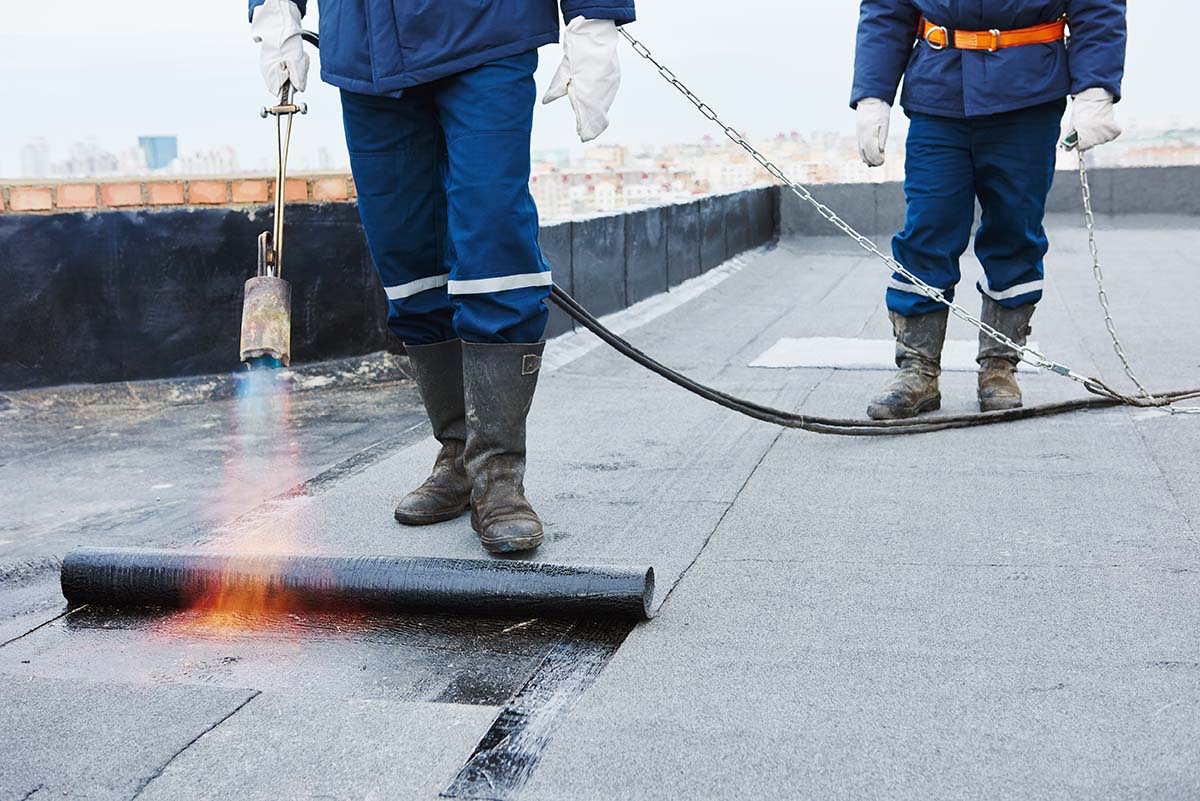
    Flat Roof Installation
    Roof Installation

    Conclusion

    Embarking on a roof installation project entails more than just a financial investment—it’s a commitment to the safety, efficiency, and aesthetics of your home. While the upfront cost of quality materials and labor may be higher, the long-term benefits far outweigh the initial expenses. Quality roofing not only ensures durability but also provides lasting protection and peace of mind.

    Investing in a high-quality roof is akin to investing in the sanctity of your home—a testament to the value you place on your living environment. It’s a symbol of the care and attention you dedicate to safeguarding your family and possessions from the elements. As you contemplate your roofing options, remember that true quality extends beyond the surface; it’s about the craftsmanship and materials that contribute to the structural integrity and longevity of your roof.

    Consider the path to your new roof thoughtfully, recognizing that the cost of quality transcends mere financial transactions. It encompasses the years of reliable protection and comfort that a well-constructed roof provides, shielding you from the unpredictable forces of nature. So, when making your decision, prioritize the craftsmanship of skilled laborers and reputable materials over short-term savings. In doing so, you’ll reap the rewards of a resilient and visually appealing roof that enhances both the aesthetics and functionality of your home.

    However, it’s essential to acknowledge that the true cost of quality extends beyond the visible aspects of the installation process. Hidden expenses and complexities, such as proper ventilation, insulation, and underlayment, significantly impact the performance and longevity of your roof. Therefore, thorough planning, diligent oversight, and reliance on professional expertise are essential to ensure a seamless and successful installation.

    In conclusion, investing in a high-quality roof is an investment in the well-being and longevity of your home. By prioritizing craftsmanship, durability, and attention to detail, you’ll enjoy the benefits of a secure and aesthetically pleasing roof for years to come. So, as you embark on this journey, remember to consider not only the visible aspects but also the hidden intricacies that contribute to a truly remarkable roofing system.

    7289 OH-43, Kent, OH 44240, United States
    (330) 677-9463
  • Unlocking the Benefits of a Metal Roof: More Than Just a Cover

    Unlocking the Benefits of a Metal Roof: More Than Just a Cover

    Your home serves as more than just a shelter; it’s a reflection of your personality, a testament to your values, and a sanctuary for your family. Therefore, when it comes to selecting the right roofing material, the decision holds significant weight. Beyond mere aesthetics, your choice of roofing material impacts your home’s durability, energy efficiency, and overall resale value. In this regard, metal roofing emerges as a standout option, offering a multitude of benefits that extend far beyond basic protection from the elements. Let’s delve deeper into why metal roofs are regarded as a superior choice for homeowners who prioritize quality and sustainability.

    First and foremost, metal roofing is renowned for its exceptional strength and resilience. Unlike traditional roofing materials such as asphalt shingles or wood shakes, metal roofs boast unparalleled durability, capable of withstanding harsh weather conditions including heavy rain, snow, hail, and high winds. This inherent strength provides homeowners with peace of mind, knowing that their roof can weather the toughest storms without compromising its integrity.

    In addition to its robustness, metal roofing also offers unparalleled aesthetic appeal. With a wide range of styles, colors, and finishes to choose from, homeowners can customize their metal roof to complement the architectural style of their home and express their unique taste. Whether you prefer the sleek, modern look of standing seam metal panels or the timeless charm of metal shingles that mimic the appearance of traditional roofing materials, metal roofs offer versatility and visual appeal that enhance the overall curb appeal of your property.

    Furthermore, metal roofing is a sustainable choice that aligns with environmentally conscious living. Made from recycled materials and fully recyclable at the end of its lifespan, metal roofing is an eco-friendly option that minimizes the environmental impact of your home. Additionally, metal roofs are highly energy-efficient, reflecting solar heat to keep your home cooler in the summer and reducing the demand for air conditioning. This translates to lower energy bills and a reduced carbon footprint, making metal roofing a smart investment for both your home and the planet.

    Finally, metal roofing offers long-term value that far exceeds other roofing materials. While the upfront cost of metal roofing may be higher than traditional options, its durability and low maintenance requirements mean fewer repairs and replacements over time. Additionally, metal roofs can last 50 years or more, outlasting many other roofing materials and providing long-lasting protection and peace of mind for homeowners.

    Metal roofing stands out as a superior choice for homeowners seeking durability, aesthetics, sustainability, and long-term value. With its exceptional strength, customizable appearance, eco-friendly attributes, and cost-saving benefits, metal roofing offers a comprehensive solution that elevates the beauty, functionality, and sustainability of your home for years to come.

    Metal Roof
    Metal Roof

    The Power of Metal Roofing: The Ultimate Guide to Enhancing Your Property

    A metal roof is a high-performance roofing system constructed from metal pieces or tiles. Despite often being associated with industrial or agricultural structures, metal roofing has evolved considerably and is now a popular choice for residential properties due to its many benefits.

    The first benefit of a metal roof is its durability. Unlike some other roofing materials, metal can resist various weather conditions, from intense sun to heavy snow. This robustness translates into a longer lifespan for your roof, reducing the frequency of costly repairs or replacements.

    Secondly, a metal roof offers excellent energy efficiency. Metal has a high solar reflectance, meaning it can reflect a good portion of the sun’s energy away from your home. This characteristic can lower cooling costs during summer months, contributing to a greener, more eco-friendly household.

    Thirdly, today’s metal roofs come in a range of designs and colors, which means they can enhance the aesthetic appeal of your home. Whether you prefer a traditional look or something sleek and modern, there’s likely a metal roofing option to suit your taste.

    Finally, a metal roof can boost the resale value of your property. Given the durability, energy efficiency, and aesthetic potential of metal roofs, many prospective homebuyers view them as a desirable feature. This perception can translate into a higher asking price when it’s time to sell.

    In sum, a metal roof is more than just a sturdy cover for your home. It’s a long-term investment that can enhance your property’s resilience, sustainability, aesthetics, and value.

    The Variety of Metal Roofing Options that will Transform your Roof with Style and Durability

    There is a broad range of metal roofing options available, each offering unique advantages. The most common types include:

    • Steel roofing: The most widely used metal roofing material due to its affordability and durability. Modern steel roofs are often coated with special paint to prevent rusting and increase its lifespan.
    • Aluminum roofing: Although more expensive than steel, aluminum is lighter and naturally resistant to corrosion. It’s an excellent choice for coastal climates where saltwater can cause corrosion.
    • Copper roofing: While being the most expensive option, copper roofs offer unmatched beauty and can last for centuries. Over time, it develops a unique green patina, adding a vintage appeal to the building.
    • Tin roofing: Though now largely outdated, tin was once a popular choice for its ease of installation and low cost.
    • Zinc roofing: A highly durable and eco-friendly option, zinc roofs require less material to manufacture, and they are completely recyclable.
    • Corrugated metal roofing: Known for its distinct wave-like pattern, corrugated metal roofs are incredibly durable and can withstand harsh weather conditions.

     Each of these types of metal roofing options provides its own unique set of benefits, and selecting the right one depends on your individual needs, budget, and aesthetic preferences.

    The Cost of Metal Roof Installation

    Installing a metal roof is not just a simple upgrade for your home; it’s a strategic investment that yields significant benefits over time. While the upfront cost of metal roofing may be higher compared to traditional materials like asphalt shingles, the long-term advantages make it a financially sound decision for homeowners looking to enhance their property’s value and durability.

    The initial cost of installing a metal roof can vary depending on several factors, including the type of metal chosen, the size of your home, and your geographical location. Different metals, such as steel, aluminum, or copper, come with varying price points, and the overall cost can also be influenced by the complexity of the installation process and any additional features or customization options desired.

    Despite the potentially higher upfront investment, the durability and longevity of metal roofs offer substantial cost savings in the long run. Metal roofs are known for their exceptional resilience against harsh weather conditions, including heavy rain, snow, hail, and strong winds. Unlike traditional roofing materials that may deteriorate over time and require frequent repairs or replacements, metal roofs can withstand the test of time with minimal maintenance.

    Metal Roof
    Metal Roof

    Furthermore, the energy efficiency of metal roofing contributes to significant savings on utility bills over the years. Metal roofs are highly reflective, meaning they can effectively deflect sunlight and reduce heat absorption into the home during hot weather. This translates to lower cooling costs during the summer months, as the interior of the house remains cooler and more comfortable without excessive reliance on air conditioning.

    Moreover, metal roofs are virtually impervious to common issues such as rot, mold, and insect infestations, which can plague traditional roofing materials. This means homeowners can save on repair and replacement expenses typically associated with these maintenance issues, further enhancing the cost-effectiveness of metal roofing in the long term.

    In addition to financial benefits, investing in a metal roof can also increase the resale value of your home. Potential buyers are often attracted to properties with durable and low-maintenance features like metal roofing, which can lead to a higher selling price and a faster sale when compared to homes with conventional roofing materials.

    While the upfront cost of metal roof installation may seem daunting, the numerous long-term benefits far outweigh the initial investment. From enhanced durability and energy efficiency to increased property value and reduced maintenance expenses, a metal roof offers homeowners a wise and financially savvy choice for securing the future of their homes.

    Choose the Best Roofer for Your Metal Roofing: Tips for a Successful Installation

    Choosing the right roofer for your metal roof installation is crucial for ensuring the longevity and efficiency of your investment. Here are some tips to help you make an informed decision:

    • Experience Matters: Seek out a roofer with substantial experience in metal roof installation. They will have the necessary knowledge and skills to handle any challenges that may arise during the process.
    • Check Licenses and Insurance: Make sure your roofer is licensed and insured. This protects you from potential liabilities in case of accidents during the project.
    • Local is Preferable: Choosing a local roofer can be advantageous. They will be familiar with the local climate and building codes, which is essential for a successful installation.
    • Look at Their Past Work: A reputable roofer will have a portfolio of their previous work. Review this to get an idea of their craftsmanship and quality of work.
    • Get Written Estimates: Ask for a written estimate detailing the costs of materials and labor. This helps avoid any misunderstandings about the cost of the project.
    • Warranty: A good roofer will offer a warranty on their work. This gives you peace of mind knowing that any issues that may arise later will be covered.

    Remember, a good metal roof installation is a significant investment that pays off over time. Therefore, take your time and choose a roofer that meets your needs and expectations.

    Expert Advice: Key Questions to Ask Before Installing a Metal Roof

    When considering a metal roof installation, it’s critical to ask a few key questions to ensure the process goes smoothly, and you are fully informed.

    • What is the life expectancy of a metal roof? Metal roofs are known for their durability, but it’s essential to know how long you can expect the roof to last before any significant maintenance or replacement is needed.
    • What are the specific maintenance requirements? While metal roofs are low-maintenance, they do require some care. Ask about the necessary routine maintenance to keep your roof in good condition.
    • How will the installation process affect my daily routine? Understanding the disruption to your daily life during the installation process can help you plan accordingly.
    • Are there different types of metal roofs, and which is best for my home? Different materials and designs have varied benefits and costs. It’s important to choose the type that best fits your home and your needs.
    • What warranties or guarantees come with the metal roof? Knowing what type of warranty or guarantee comes with the installation can give you peace of mind about your investment.
    • Will a metal roof affect my home insurance? Some insurance companies may offer discounts for homes with metal roofs due to their durability and resistance to damage.

    By asking these questions, you can ensure you’re making an informed decision about your metal roof installation.

    Metal Roof
    Metal Roof

    Don’t Make These Mistakes When Hiring a Metal Roof Installer!

    Finding the right contractor for your metal roof installation is crucial for a long-lasting investment. Here are some common missteps to avoid:

    • Neglecting to Research: Research the contractor’s background, experience, and reputation. Choose a company with a solid track record and positive customer reviews.
    • Selecting Based on Price Alone: While budget is important, be wary of low-cost services that may deliver substandard work. Quality often comes at a price.
    • Ignoring the Importance of a Contract: Insist on a detailed written contract that outlines the scope of work, materials, timeline, and cost estimates. Protect your interests with a well-documented agreement.
    • Not Checking for Insurance and Licenses: Verify that the contractor has proper insurance coverage and licensing. Avoid potential legal and financial issues by being thorough.
    • Failing to Ask About Warranty: Ensure that the metal roofing service offers warranties for materials and labor. Don’t overlook this crucial aspect and risk unexpected costs in the future.
    • Not Communicating Clearly: Misunderstandings can occur if both parties are not on the same page. Be clear about your expectations, ask questions, and communicate any concerns.
    • Rushing Into a Decision: Take your time to research and compare different contractors before making a decision. A rushed choice can result in costly mistakes down the line.

    Remember, proper installation is key to the longevity and functionality of your metal roof. Avoid these mistakes and choose a reputable roofer who can provide quality work and peace of mind for years to come. So, take the time to find the right contractor for your metal roofing needs and enjoy the benefits of this durable and efficient roofing option. Keep these tips in mind, and you’ll be well on your way to a successful metal roof installation. Keep your investment secure with proper research and planning, and enjoy the benefits for years to come!

    7289 OH-43, Kent, OH 44240, United States
    (330) 677-9463
  • Metal Roofs Residential

    Why Metal Roofs Residential are the Future of Housing?

    In the realm of residential housing, the spotlight is shifting upwards to the rooftops, where metal roofs residential are emerging as the preferred choice for homeowners. These gleaming structures aren’t just visually appealing; they’re also revolutionizing the industry with their remarkable energy efficiency and durability.

    Metal roofs serve as more than just a protective covering; they actively contribute to keeping homes cooler by reflecting sunlight away. This inherent cooling effect translates to reduced reliance on air conditioning, resulting in significant energy savings for homeowners. Consequently, metal roofs are not only environmentally friendly but also financially savvy, offering long-term benefits in terms of reduced utility bills.

    However, the appeal of metal roofs extends far beyond their cooling properties. These resilient structures boast an impressive lifespan, often lasting upwards of 50 years or more with minimal maintenance. Unlike traditional roofing materials that degrade over time, metal roofs withstand the elements with ease, offering unparalleled durability and protection against the elements.

    Moreover, metal roofs are inherently sustainable, making them a desirable choice for environmentally conscious homeowners. Most metal roofing materials are fully recyclable, reducing their environmental footprint and contributing to a more sustainable construction industry. By choosing a metal roof, homeowners can minimize their impact on the environment while enjoying the peace of mind that comes with a sustainable housing solution.

    Additionally, metal roofs have the potential to enhance a home’s overall value. Beyond their aesthetic appeal, which can significantly boost curb appeal, metal roofs are perceived as a premium feature by homebuyers. Properties equipped with metal roofing often command higher resale values and attract discerning buyers seeking quality and longevity in their investments.

    The growing popularity of metal roofs represents a significant shift in home improvement trends, signaling a departure from conventional roofing materials. Once relegated to industrial settings, metal roofs are now making their mark on residential properties, offering a blend of style, sustainability, and functionality.

    In conclusion, metal roofs are poised to shape the future of residential housing, thanks to their myriad benefits. From energy efficiency and durability to sustainability and increased property value, these innovative roofing solutions offer homeowners a compelling alternative to traditional materials. As the demand for environmentally friendly and cost-effective housing options continues to rise, metal roofs are poised to remain at the forefront of the industry for years to come.

    Metal Roofs Residential
    Metal Roofs Residential

    Unbeatable Durability

    The phrase as tough as nails takes on a literal meaning when we talk about the unbeatable durability of metal roofs in residential housing. Far from the traditional perception of metal as just strong and hard, these roofs are designed to be resilient, weather-resistant, and virtually indestructible. They can effortlessly endure everything from blazing sun rays to icy snowstorms, offering homeowners peace of mind that’s as solid as the roof above their heads.

    Metal roofs have an impressive life expectancy that outshines most traditional roofing materials. While asphalt or wooden roofs might need replacement every 15 to 20 years, a well-installed metal roof can stand proud for 50 years or even more. That’s half a century without the stress of frequent roof replacements! This durability translates into significant savings over time, making metal roofs not just a practical but also a cost-effective choice.

    Despite their strength, metal roofs are surprisingly lightweight. This quality reduces the structural burden on your home, minimizing the risk of damage over time. It’s like having a featherweight champion protecting your house – light, but with a knockout performance. This unique combination of strength and lightness contributes further to the long-lasting nature of metal roofs.

    But the durability of metal roofs doesn’t stop at weather resistance and longevity. They are also impervious to the destructive tendencies of pests, including termites and rodents, which can cause substantial damage to other roofing materials. This makes metal roofs a fortress that guards your home against various threats, ensuring its safety and integrity for many years to come. Choosing a metal roof means choosing a lifetime of robust protection for your home.

    Eco-Friendly Choice

    Choosing a residential metal roof is an environmentally-conscious decision that has numerous benefits. To begin with, metal roofs have been proven to reduce interior cooling costs by up to 20%, with peak demand cooling reduced by 15%. This is due to their reflective properties which help to keep homes cooler, thereby reducing the need for air conditioning and lowering energy consumption.

    One of the most significant eco-friendly aspects of metal roofing is its composition. Metal roofs are typically made from 40% recycled steel, and at the end of their lifespan, all components of these roofs can be completely recycled. This means that not only do they utilize recycled materials, but they also do not contribute to landfill waste, making them a sustainable choice.

    Another reason why metal roofing is considered a sustainable option is its longevity and durability. These roofs are resistant to damage from high winds, hail, snow, and rain, which often leads to a longer lifespan compared to other roofing materials. This reduces the frequency of roof replacements, conserving resources over time.

    Lastly, metal roofing contributes to waste reduction. Research has shown that metal roofing is among the most eco-friendly choices when it comes to construction materials, as it reduces waste and saves energy. In conclusion, when considering an eco-friendly choice for residential roofing, metal stands out as a top contender due to its energy efficiency, recyclability, durability, and contribution to waste reduction.

    Resilience Against Extreme Weather

    The resilience of metal roofs against extreme weather is a topic that has gained significant attention in recent years. Metal roofing systems are renowned for their impressive ability to withstand harsh weather conditions, including heavy rainfall, storms, and extreme temperatures. These features make them an excellent choice for homeowners keen on enhancing the resilience of their homes against the destructive impacts of severe weather.

    One of the most noteworthy aspects of metal roofing is its exceptional impact resistance. They are less likely to suffer damage from hail, falling branches, or other debris carried by high winds. This kind of resilience is particularly beneficial in areas prone to hurricanes and other extreme weather events. The strength and versatility of metal roofing systems significantly reduce the potential for costly repairs and replacements in the aftermath of such incidents.

    Metal Roofs Residential
    Metal Roofs Residential

    Metal roofs also maintain their integrity through wide temperature swings. Unlike other materials like shingles, metal panels won’t crack in winter or get damaged in scorching heat. This adaptability makes them suitable for various climates, from sub-zero winters to sweltering summers. They are designed to resist years of abuse from extreme weather, ensuring long-term durability and cost-effectiveness.

    In conclusion, the resilience of metal roofs against extreme weather is unmatched. They offer a robust first line of defense against the wrath of Mother Nature, providing homeowners with peace of mind even in the face of increasingly frequent and severe weather events. The decision to invest in a metal roof is not only a smart financial move but also a proactive step towards safeguarding homes and families against the unpredictable impacts of climate change.

    Cost-Efficiency

    When considering residential roofing options, the cost efficiency of metal roofs is a key factor that has been attracting homeowners. Although metal roofs might have a higher initial cost compared to other roofing materials, their long-term benefits make them a worthy investment. This is due in part to their durability and longevity, which outperform traditional roofing materials, leading to lower maintenance costs over time.

    Another notable aspect of metal roofs is their energy efficiency, which can lead to significant savings on energy bills. Metal roofs have been found to deliver substantial reductions in cooling costs. The reason behind this is their ability to reflect solar radiant heat, which can contribute to a cooler home environment, especially during hot summer months. This not only enhances the comfort level within the home but also aids in reducing the carbon footprint.

    Furthermore, metal roofs are more than just a cost-effective option; they offer a plethora of additional benefits. For instance, they are available in various styles and designs, catering to different aesthetic preferences. Some metal shingles can even mimic the look of asphalt, slate, or wood. There are modular panels as well, providing homeowners with a wide array of choices to suit their specific needs and tastes.

    In conclusion, while the upfront cost of a metal roof can be more than other roofing options, the long-term savings in energy costs, insurance, and maintenance make it a cost-effective choice for homeowners. It’s an investment that pays off over time, offering durability, energy efficiency, and aesthetic appeal. So, if you’re considering a new roof for your home, a metal roof could be a smart and sustainable choice.

    Architectural Versatility

    When it comes to residential roofing options, metal roofs are renowned not only for their durability and energy efficiency but also for their architectural versatility. They offer a wide range of design possibilities, allowing homeowners to add a unique touch of elegance and style to their homes. From traditional to contemporary aesthetics, metal roofing can effortlessly complement any architectural style, making it an ideal choice for various home designs.

    A notable feature of metal roofs is their adaptability. Whether you own a historic Craftsman home, a classic farmhouse, or a sleek modern structure, metal roofs can seamlessly blend with the existing architecture. Due to the variety of styles, colors, and finishes available, metal roofs can be tailored to meet specific design preferences. Some metal shingles can even mimic the look of asphalt, slate, or wood, providing a fusion of style and practicality.

    The design versatility of metal roofs extends to different panel types and seam heights, offering further customization options. From standing seam metal roofs known for their distinct visual lines to corrugated metal roofs that provide a more rustic look, there is a style for every taste. This flexibility in design helps homeowners achieve the desired aesthetic appeal while benefiting from the durability and longevity of metal roofing.

    In conclusion, the architectural versatility of metal roofs makes them a compelling choice for residential properties. Not only do they offer superior protection against extreme weather conditions, but they also enhance the aesthetic appeal of homes. With their vast design options, metal roofs provide homeowners with the opportunity to express their style while ensuring their home’s resilience and sustainability. If you’re considering a new roof for your home, the versatility of metal roofs could be the perfect match for your architectural vision.

    Metal Roofs Residential
    Metal Roofs Residential

    Increasing Property Value

    When it comes to residential roofing options, metal roofs have been making a significant impact not just in terms of durability and energy efficiency but also in enhancing property value. Homeowners are increasingly recognizing the value-adding potential of metal roofs, making them a sought-after choice in home improvement projects. The aesthetic appeal, durability, and longevity of a metal roof can significantly increase a home’s value.

    One of the key ways metal roofs add value is by improving a property’s curb appeal. With their sleek, modern look and wide range of styles and colors, metal roofs can dramatically enhance the exterior of a home. This visual transformation can make a strong first impression on potential buyers, thereby increasing the home’s marketability. Whether you opt for a traditional or contemporary design, a metal roof can elevate your home’s aesthetic appeal.

    Beyond aesthetics, the durability and low maintenance requirements of metal roofs add substantial value. Unlike other roofing materials that may require frequent replacements or repairs, metal roofs are known for their resilience against extreme weather conditions. This robustness translates to fewer maintenance headaches for homeowners and potential buyers, making your home a more attractive investment.

    In conclusion, installing a metal roof can be a strategic move to increase your property’s value. With its blend of aesthetic versatility, durability, and energy efficiency, a metal roof can offer an impressive return on investment. If you’re planning a home improvement project or preparing to sell your home, consider the value-boosting potential of a metal roof—it could be a game-changer for your property’s worth.

    Conclusion

    In conclusion, metal roofs are poised to redefine the future of residential housing. Their durability, eco-friendliness, resilience, cost-efficiency, versatility, and ability to enhance property value make them an unbeatable choice for homeowners. As we look towards a future that demands more from our homes, metal roofs are ready to rise to the challenge, promising a future where our homes are not just shelters but also sustainable, efficient, and resilient sanctuaries. So, if you’re considering a new roof, think beyond the traditional options and explore the world of metal roofing – it could be the perfect solution for your home. 

    7289 OH-43, Kent, OH 44240, United States
    (330) 677-9463
  • DIY vs. Professional Installation: Pros and Cons to Consider

    DIY vs. Professional Installation: Pros and Cons to Consider

    Imagine standing at the crossroads of ambition and practicality, tool in one hand and phone in the other—debating whether to embark on a DIY home improvement journey or to dial up a professional. This moment of decision is more than a choice; it’s a rite of passage for every homeowner. In the vast expanse of home projects, from the simplicity of painting walls to the complexity of installing a new roof, lies a battleground of costs, quality, satisfaction, and risk. The question isn’t just about who does the work; it’s about weaving the very fabric of your home with threads of personal touch or professional finesse. Dive into the heart of this debate with us as we explore the nuanced layers of DIY vs. Professional Installation. Here are six compelling facets that promise to guide, enlighten, and perhaps even surprise you, as you stand at this pivotal crossroads.

    Cost Efficiency: The Price of Ambition

    In the vivid landscape of home improvement, the decision between embarking on a DIY journey versus entrusting your aspirations to professional roof installers is akin to standing at a crossroads, where ambition and cost efficiency cast long shadows. The allure of DIY projects lies in their promise of personal triumph and potentially lower expenses, inviting homeowners to wield tools with the zeal of a craftsman sculpting their destiny. Yet, this path is fraught with hidden costs — not just in materials, but in the currency of time, mistakes, and the steep learning curve that could lead to costly repairs down the line. On the other side, professional roof installation, while seemingly a pricier avenue, offers the peace of mind that comes with expertise, speed, and warranties, transforming what appears as an upfront investment into long-term savings. This juxtaposition challenges homeowners to weigh their ambition against the pragmatic tapestry of cost efficiency, making the choice not just a financial calculation, but a reflection of values and visions for their sanctuary under the sky.

    Professional Installation
    Professional Installation

    Quality and Precision: The Devil in the Details

    In the realm of home improvement, the dichotomy between DIY and professional installation is a testament to the age-old adage that “the devil is in the details.” For the ambitious homeowner, DIY projects beckon like a siren’s song, promising not only a sense of personal accomplishment but also an intimate communion with every nook and cranny of their abode. This path, however, is strewn with potential pitfalls where the smallest oversight can unravel into a tapestry of compromise, challenging the untrained hand to achieve the zenith of quality and precision. In contrast, entrusting your vision to the seasoned expertise of professionals transforms your space into a canvas where every stroke, every cut, and every fitting is a deliberate act of perfection. This choice transcends mere craftsmanship; it becomes a dialogue between the desire for bespoke personalization and the unwavering demand for excellence. As homeowners navigate this intricate dance, they are not just shaping their living spaces but are also curating an experience where every detail, no matter how minute, sings in harmony with their highest standards.

    Time Investment: The Currency of Commitment

    The time as a crucial factor in the decision-making process between DIY home improvement and professional installation. Let’s break it down:

    1. Time as a Measure of Commitment: The passage begins by framing time as the currency of commitment in the realm of home improvement. It suggests that how one chooses to spend or invest their time reflects their level of dedication to the project.
    2. DIY Enthusiasts’ Perspective: For those who opt for the do-it-yourself route, time is viewed as an investment rather than an expenditure. Each moment spent on the project is seen as contributing to personal growth, creativity, and fulfillment. DIYers tackle challenges with enthusiasm, viewing overcoming obstacles as achievements to be proud of.
    3. Professional Installation as Time Management: Conversely, hiring professional roofer is depicted as a recognition of time’s scarcity. It’s portrayed as a strategic decision to allocate limited time resources towards endeavors that require specialized skills or cannot be easily outsourced. This approach promises efficiency and expertise, allowing homeowners to achieve quality results without sacrificing excessive time.
    4. Balancing Time and Passion: Ultimately, the choice between DIY and professional installation is presented as a reflection of how individuals prioritize and value their time. It’s about striking a balance between investing time in personal projects and allocating it efficiently to other aspects of life. The passage suggests that by making this decision, individuals are not just creating physical spaces but also nurturing environments that resonate with their deepest aspirations.

    In summary, the nuanced relationship between time, commitment, and the decision-making process in home improvement. It acknowledges the different perspectives and motivations behind choosing DIY or professional installation, ultimately highlighting the importance of time management and personal fulfillment in creating meaningful living spaces.

    Tools and Technology: The Arsenal of Achievement

    In the battleground of home improvement, tools and technology stand as the formidable arsenal of achievement, starkly delineating the realms of DIY enthusiasts from professional installers. For the DIY warrior, this arsenal may begin modestly, with each project a chance to wield tools like extensions of their creativity, slowly amassing an inventory that’s both a trophy case and a testament to their journey. Yet, despite their growing proficiency, they often find themselves at the mercy of their toolkit’s limitations, where ambition outpaces capability. Enter the realm of the professional installer, where cutting-edge tools and technology are not just assets but allies, transforming the ordinary into the extraordinary with precision and efficiency that border on the magical. This high-caliber equipment, coupled with the expertise to harness its full potential, ensures that no vision is too grand, and no detail too minute. The choice between these paths—between expanding one’s toolkit through trial and error or leveraging the technological prowess of professionals—becomes a pivotal decision in realizing a home’s true potential. It’s a choice that defines not just the outcome, but the journey itself, navigating the intricate dance between the satisfaction of personal accomplishment and the allure of technical perfection.

    Professional Installation
    Professional Installation

    Learning and Experience: The Growth Beyond the Goal

    In the intricate tapestry of home improvement, Learning and Experience emerge as the silent crescendos that echo long after the dust settles, distinguishing the journey of DIY enthusiasts from the path of professional installation. Each avenue offers its own unique lessons, shaping not just the spaces we inhabit but also the individuals we become.

    For the passionate DIYer, embarking on a home improvement project is akin to stepping into a boundless classroom. It’s a journey where every task is an opportunity for learning, and each mistake serves as a valuable teacher. In this hands-on approach to transformation, curiosity becomes the curriculum, and challenges are embraced as stepping stones to growth. Through trial and error, DIY enthusiasts cultivate skills that extend far beyond the realm of home improvement. They develop resilience in the face of setbacks, creativity in problem-solving, and an unwavering sense of empowerment that spills over into all aspects of life. For them, the journey of DIY is not merely about achieving a specific goal but about the continuous process of self-discovery and personal development.

    Conversely, opting for professional installation offers a different but equally valuable lesson—the art of delegation and trust. It’s an acknowledgment that mastery takes many forms, including knowing when to entrust a task to those with specialized expertise. By choosing professional roofing services, homeowners can tap into the wealth of experience and skill that professionals bring to the table. It’s a strategic decision that prioritizes the vision over the execution, allowing homeowners to focus on the big picture while skilled professionals handle the intricacies of implementation.

    Regardless of the chosen path, both DIY and professional installation lead to a deeper understanding of what it means to create. They teach us that creation is not just about physical spaces but also about the growth that occurs beyond the tangible outcome. It’s about embracing the journey of learning and experience, recognizing that every challenge, whether tackled with our own hands or entrusted to others, contributes to our personal and professional development.

    In essence, the true value of home improvement lies not just in the spaces we enhance but in the growth and transformation that occur along the way. Whether we choose to embark on the DIY journey or seek the expertise of professionals, each path offers its own unique lessons and opportunities for growth. Ultimately, it’s through the combined forces of learning and experience that we unlock the full potential of our homes and ourselves.

    Risk and Responsibility: The Weight of What Could Go Wrong

    Venturing into the world of DIY roof installation is akin to walking a tightrope without a safety net; the risks are high, and the margin for error is slim. The allure of potential savings and the satisfaction of self-accomplishment beckon many homeowners to take on this daunting task. However, the weight of responsibility looms large, as the consequences of missteps can be severe. Unlike professional installations, where years of experience and certifications back each decision, DIY enthusiasts navigate a labyrinth of challenges with limited knowledge. A single oversight can lead to leaks, structural damage, or worse, compromising the safety of the entire household. This stark dichotomy between DIY and professional roof installation forces homeowners to confront a critical question: Is the risk worth the reward? Opting for professional services may come at a higher upfront cost, but it offers peace of mind, knowing that the project abides by industry standards and is under the care of experts who shoulder the responsibility if things go awry. In the balance of risk and responsibility, one must carefully consider whether the potential savings of DIY are worth the gamble of what could go wrong.

    Professional Installation
    Professional Installation

    Navigating the DIY vs. Professional Installation Debate in Home Improvement

    1. DIY vs. Professional Installation Debate: This refers to the ongoing discussion about whether to tackle home improvement projects oneself or hire professionals. It’s a common dilemma faced by homeowners when considering tasks like renovations, repairs, or installations.
    2. Personal Satisfaction of DIY: Some individuals find joy and fulfillment in taking on DIY projects. They appreciate the sense of accomplishment and pride that comes from completing tasks with their own hands.
    3. Assurance of Professional Quality: On the other hand, hiring professionals provides assurance of high-quality workmanship. Professionals bring expertise, experience, and specialized tools to the table, ensuring a polished and reliable outcome.
    4. Considerations Beyond Cost: While cost is a significant factor, the decision is influenced by various other considerations. These include the value placed on one’s time, the desire for top-notch quality, the availability of necessary tools and skills, and the willingness to take on risks associated with DIY projects.
    5. Understanding the Value of Time: DIY projects often require a significant time investment. Homeowners must weigh the time spent on DIY tasks against other priorities in their lives, such as work, family, and leisure.
    6. Importance of Quality: For some, the quality of the end result is paramount. They prioritize professional craftsmanship and precision to ensure a flawless outcome that meets their standards.
    7. Availability of Tools: DIY projects may require specific roofing tools and equipment, which may not be readily available to everyone. Lack of access to necessary tools can influence the decision to hire professionals.
    8. Opportunity for Growth: DIY projects offer opportunities for personal growth and skill development. Tackling challenging tasks can enhance one’s abilities and confidence in handling future projects.
    9. Assessment of Risk: DIY projects carry inherent risks, including potential mistakes, accidents, and damage to property. Homeowners must carefully assess these risks and their ability to mitigate them before embarking on DIY endeavors.
    10. Impact on the Home’s Narrative: Ultimately, the decision between DIY and professional installation becomes part of the larger story of the home. It reflects the homeowner’s ambitions, practical considerations, and ongoing quest for improvement.

    By considering these factors and making a well-informed decision, homeowners can choose the approach that best aligns with their preferences, priorities, and goals for their home improvement projects.

    7289 OH-43, Kent, OH 44240, United States
    (330) 677-9463
  • Residential Metal Roof

    Residential Metal Roof

    The Cost-Benefit Analysis of Installing a Residential Metal Roof

    Are you considering a roof replacement or building a new home and wondering whether a metal roof is worth the investment? Well, you’re not alone. The cost-benefit analysis of installing a residential metal roof has become a hot topic in the homebuilding and renovation market. While it’s true that metal roofing can be more expensive upfront compared to traditional asphalt shingles, various factors could make it a smart investment in the long run. From durability and longevity to aesthetics and maintenance requirements, each aspect plays a critical role in this equation. This blog will delve into a comprehensive cost-benefit analysis of metal roofing, exploring the potential returns on this significant home improvement decision. So, if you’re ready to uncover the truth about metal roofing, read on!

    The Mettle of Metal Roofs

    Metal roofs have come a long way from their utilitarian origins. Once seen as suitable only for commercial or industrial buildings, they have emerged as a popular choice for residential properties. And it’s not just because they look sleek and modern. When you delve deeper into their benefits, you’ll understand why homeowners are increasingly opting for these metallic marvels.

    One of the key reasons behind the rising popularity of metal roofs is their impressive durability. These roofs are built to last, resisting damage from wind, rain, snow, and even fire. Unlike other roofing materials that can deteriorate over time, metal roofs stand their ground, often outliving the house they protect. This longevity makes them a wise investment for any homeowner looking for a roof that can withstand the test of time.

    But it’s not just about durability. Metal roofs are also incredibly versatile. Available in a wide array of colors and styles, they can complement any architectural design, from traditional to contemporary. Whether you prefer the classic look of vertical panels or the timeless appeal of metal tiles, there’s a metal roof to match your aesthetic preferences.

    In conclusion, the mettle of metal roofs lies in their unbeatable durability, versatile aesthetics, and long-term cost-effectiveness. They are more than just a roof over your head – they are a protective shield, a style statement, and a smart investment all rolled into one. So, if you’re considering a new roof, remember this: metal roofs aren’t just tough, they’re practically heroic!

    Metal Roof Installation
    Metal Roof Installation

    A Lifetime Companion: The Longevity of Metal Roofs

    When considering a new roof for your home, you want something that will last. You want a roofing material that won’t give up on you after a decade or two. That’s where residential metal roofs come into play. These stalwart structures are built to last, offering lifespans that often outstrip those of their homeowners. With proper care and maintenance, a metal roof can last anywhere from 40 to 70 years, dwarfing the 12-20-year lifespan of traditional asphalt shingles.

    What makes metal roofs such enduring companions? It’s all about their inherent durability. They are impervious to many of the issues that plague other roofing materials. From rot and insect damage to cracking and warping, metal roofs stand firm against a host of potential problems. They don’t just survive these challenges – they shrug them off with ease, ensuring your home remains protected year after year.

    But there’s more to the longevity of metal roofs than just resilience. These roofs also require less maintenance than their counterparts. While no roof is entirely maintenance-free, metal roofs come close. Regular inspections and minor repairs are generally all it takes to keep a metal roof in good shape. This means less time spent on roof upkeep and more time enjoying the peace of mind that comes with a reliable roof over your head.

    In conclusion, when it comes to roofing materials, metal roofs are the long-distance runners. They’re in it for the long haul, providing decades of dependable service with minimal maintenance. So, if you’re looking for a roofing solution that’s as steadfast as it is sturdy, consider making a metal roof your home’s lifetime companion. After all, a roof isn’t just a part of your house – it’s a part of your home’s story. And with a metal roof, that story is sure to be a long one.

    Weathering The Storm: The Resilience of Metal Roofs

    When it comes to choosing a roof for your home, resilience should be a top priority. After all, the roof is your first line of defense against the elements. This is where metal roofing truly shines. Known for their exceptional durability and strength, metal roofs are designed to weather the storm, offering homeowners peace of mind even in the harshest conditions.

    Firstly, let’s consider the impact of heavy wind and rain. Traditional roofing materials can easily succumb to these forces, leading to leaks or even structural damage. Metal roofs, on the other hand, boast superior wind and water resistance. Their interlocking panels create a virtually impenetrable barrier against rain, while their impressive wind resistance can withstand even hurricane-force winds.

    Another concern for many homeowners is hail. While no roof can be entirely hail-proof, metal roofs are significantly more resistant to hail damage than most other materials. They are less likely to crack or puncture, ensuring your home stays protected even during severe hail storms. And when it comes to snow, the smooth surface of a metal roof allows it to slide off easily, preventing dangerous buildup.

    Lastly, metal roofs are non-combustible, providing excellent fire resistance—an important consideration in areas prone to wildfires. Furthermore, their longevity surpasses that of many other roofing materials, often with warranties of 40-50 years. In essence, the resilience of metal roofs offers homeowners not just superior protection against various weather conditions, but also significant savings on maintenance and replacement costs. So, when you choose a metal roof, you’re choosing a solution that’s truly built to weather the storm.

    Metal Roofing Service
    Metal Roofing Service

    Cool in the Summer, Warm in the Winter: The Thermal Efficiency of Metal Roofs

    The decision to choose a roof for your home is not just about aesthetics and durability, but also about the thermal efficiency it offers. In this regard, residential metal roofs are an excellent choice, boasting impressive properties that keep your home cool in the summer and warm in the winter. Their outstanding thermal performance not only ensures year-round comfort but also contributes to energy savings.

    During the hot summer months, metal roofs exhibit a remarkable ability to reflect solar heat, thanks to their high solar reflectance. This means less heat penetrates your home, keeping your living spaces cooler naturally. Some metal roofs even come with special reflective coatings to enhance this effect. The result? Lower air conditioning usage and reduced energy bills, making your home more eco-friendly.

    In the chill of winter, one might wonder if a metal roof would make the house colder. However, this is a common misconception. Metal roofs work synergistically with your home’s insulation to retain heat, helping to maintain a cozy and warm indoor environment. Moreover, their slick surfaces allow snow to slide off easily, preventing the buildup of ice dams which can lead to heat loss.

    Lastly, it’s important to note that the thermal efficiency of metal roofs contributes to their overall cost-effectiveness. While the upfront cost may be higher than other roofing options, the energy savings they offer over their lifespan can offset this initial investment. In essence, opting for a metal roof is a strategic move towards a home that’s cool in the summer, warm in the winter, and energy-efficient all year round.

    Easy on the Eye and the Wallet

    In the panorama of residential architecture, metal roofing is quickly becoming a favorite among homeowners and designers alike. It’s an option that masterfully combines aesthetics with practicality, making it a choice that is both easy on the eye and the wallet. The sleek, modern appeal of a metal roof can instantly elevate the look of any home, while its durability and cost-effectiveness make it a sensible investment in the long run.

    Firstly, let’s talk about the aesthetic versatility of metal roofs. They come in a variety of styles, colors, and finishes, allowing homeowners to customize their roofs to perfectly match their home’s architectural style. Whether you prefer the rustic charm of corrugated metal panels or the sleek sophistication of standing seam metal roofs, there’s a design that will catch your eye. Moreover, metal roofs age beautifully, often developing a patina that adds character and depth to the home’s appearance.

    When it comes to practicality, metal roofs offer numerous advantages that translate into savings for homeowners. These roofs are known for their incredible durability and resistance to elements like wind, rain, and even fire. This means fewer repairs and replacements, resulting in significant cost savings over time. Additionally, metal roofs are energy-efficient, reflecting solar heat and thus reducing cooling costs in the summer.

    Lastly, the maintenance of a metal roof is relatively straightforward, which can save homeowners both time and money. Regular inspections and occasional cleaning are generally all that’s needed to keep a metal roof in good condition. Unlike other materials, there’s no need for costly treatments or coatings. In conclusion, when considering both aesthetics and cost-effectiveness, residential metal roofing is a choice that is indeed easy on the eye and the wallet.

    Residential Metal Roofing
    Residential Metal Roofing

    Maintenance and Care

    When it comes to residential roofing, metal roofs have gained popularity for their durability, aesthetic appeal, and low maintenance requirements. However, while they are known for their long lifespan, proper care and maintenance are still crucial to ensure their longevity and optimal performance. With some attention and regular checks, your metal roof can continue to protect your home and look great for many years to come.

    Firstly, it’s important to regularly inspect your metal roof for any signs of damage or wear. This includes checking for loose fasteners, rust spots, and any areas where the protective coating may be wearing thin. In addition to this, after a heavy storm or strong winds, look for any debris that may have fallen onto the roof or any branches that may be touching the roof surface. These can scratch the metal and lead to corrosion over time.

    Cleaning is another essential aspect of metal roof maintenance. Over time, dirt, leaves, and other debris can accumulate on your roof, which can lead to moisture retention and eventually, corrosion. To prevent this, it’s recommended to gently clean your roof with a soft brush or low-pressure water spray at least once a year. For stubborn stains or areas of mildew, a simple solution of mild detergent and water should do the trick.

    Finally, even with meticulous care, your metal roof may require minor repairs from time to time. If you notice any small holes or areas where the metal has become thin, it’s best to address these issues promptly to prevent further damage. Depending on the extent of the repair needed, you may be able to fix it yourself using a metal roof repair kit, or it might be necessary to call in a professional. By taking these steps to maintain and care for your metal roof, you’re not only ensuring its longevity but also contributing to a healthier, safer home environment.

    Conclusion

    The lifespan of residential metal roofs is impressive, but it’s only one of the many reasons why they’re an excellent choice for homeowners. Durable, energy-efficient, cost-effective, and aesthetically pleasing, metal roofs truly have it all. If you’re considering a new roof, remember this: not all heroes wear capes. Some are made of metal and sit right above your head. So, make a sustainable choice and invest in a metal roof for your home. Your wallet, Mother Nature, and future generations will thank you.  Overall, there’s no denying that metal roofs are the way to go for a more eco-friendly and long-lasting roofing solution. With their numerous benefits and advantages, they truly are a modern marvel in residential architecture. So why wait? Upgrade your home’s roofing with a sleek and sustainable metal roof today.  Happy roofing! 

    7289 OH-43, Kent, OH 44240, United States
    (330) 677-9463
  • Metal Roof Residential

    Metal Roof Residential

    The Ultimate Guide to Metal Roof Residential

    Have you ever looked up at your roof and wondered if there’s something more durable, more appealing, or simply… more? Welcome to the world of residential metal roofs. If you’ve been under the impression that metal roofs are solely the domain of barns and industrial buildings, prepare to have your mind expanded. This ultimate guide is your ticket to a whole new perspective on what residential roofing can be. We’ll explore the benefits, styles, costs, and even the myths surrounding metal roofs. Whether you’re a homeowner looking for a change or just a curious reader, strap in for an enlightening journey into the world of metal roof residential, where style meets strength and innovation meets aesthetics.

    Understanding Metal Roofing

    Metal roofing has seen a surge in popularity among homeowners in recent years, and for good reason. Known for their durability, energy efficiency, and aesthetic appeal, metal roofs are a versatile choice that can significantly enhance the value of your home. However, understanding metal roofing involves more than just acknowledging its benefits. Let’s delve deeper into what makes this roofing option stand out.

    Firstly, metal roofs are celebrated for their exceptional durability. Unlike many roofing materials, metal is resistant to cracking, shrinking, and eroding. It can withstand extreme weather conditions, including heavy rain, high winds, and hail, providing reliable protection for your home year-round. Furthermore, metal roofs are non-combustible, making them an excellent choice for fire resistance.

    Energy efficiency is another significant advantage of metal roofs. Their high reflectivity helps deflect sunlight, reducing heat absorption and keeping your home cooler during hot summer months. This ability to regulate temperature effectively results in less reliance on air conditioning, leading to substantial energy savings. Plus, in winter, a metal roof works with your insulation to retain heat, keeping your home comfortably warm.

    Lastly, don’t overlook the aesthetic versatility of metal roofing. Available in a wide array of styles, colors, and finishes, metal roofs can be tailored to suit any architectural style, from traditional to contemporary. In addition, metal roofs have a lifespan that far surpasses that of conventional roofing materials, often lasting 40-70 years with proper maintenance. So, when you choose a metal roof, you’re investing in a durable, energy-efficient, and visually appealing solution that will serve your home well for decades to come.

    Residential Metal Roofing
    Residential Metal Roofing

    Benefits of Residential Metal Roofs

    As homeowners, we’re always looking for ways to enhance our homes’ functionality, aesthetics, and value. One of the most impactful ways to achieve this is through the choice of roofing, and residential metal roofs have been emerging as a popular choice. With their unique blend of durability, efficiency, and design flexibility, they offer an array of benefits that far surpass their initial investment.

    Durability is one of the most compelling advantages of metal roofs. These roofing systems are designed to withstand harsh weather conditions – from heavy snowfall to strong winds and even hail storms. Unlike traditional roofing materials, metal roofs do not crack, warp or corrode, offering a lifespan that can exceed 50 years with proper maintenance. This longevity means less worry about repair costs or early replacement.

    Another significant benefit of metal roofs is their energy efficiency. They reflect solar radiant heat, which can reduce cooling costs by up to 25%. This is particularly beneficial in warmer climates where keeping a home cool can be a costly endeavor. In winter, the excellent insulation properties of metal roofs help retain heat, reducing heating expenses and contributing to a cozy indoor environment.

    Finally, metal roofs offer unparalleled design flexibility. Available in a variety of styles, colors, and finishes, they can be tailored to complement any architectural style. Whether you prefer a sleek, modern look or a more traditional aesthetic, there’s a metal roof to suit your taste. Plus, their distinctive look can significantly increase your home’s curb appeal, enhancing its value. In summary, the benefits of residential metal roofs extend beyond their practicality, offering homeowners a durable, energy-efficient, and aesthetically pleasing roofing solution.

    Types of Metal Roofs

    Metal roofs have become a popular choice for residential properties due to their durability, energy efficiency, and aesthetic appeal. But did you know that there are several types of metal roofs, each with its unique set of characteristics? Understanding these different types can help you make an informed decision when choosing the best roofing solution for your home.

    Firstly, let’s look at steel roofing. Steel is the most commonly used metal for residential roofing due to its strength and affordability. It’s often coated with zinc or a zinc-aluminum alloy for added resistance against rust and corrosion. Steel roofs come in various styles and colors, making them a versatile choice for many homes.

    Next, we have aluminum roofs. Aluminum is lighter than steel and exceptionally resistant to corrosion, making it ideal for coastal areas where salt spray is a concern. Though it’s more expensive than steel, its longevity and maintenance-free nature can make it a cost-effective choice in the long run.

    Copper and zinc are premium options in metal roofing. Copper is renowned for its natural beauty, durability, and ability to form a protective patina over time. Zinc, on the other hand, is highly malleable, allowing for unique architectural designs. Both metals are extremely durable with lifespans exceeding 100 years. However, their high cost makes them less common for residential use.

    Whether you opt for the strength and affordability of steel, the corrosion resistance of aluminum, or the premium allure of copper or zinc, metal roofing offers a variety of choices to meet your specific needs and preferences. By understanding the different types of metal roofs available, you can choose the one that best aligns with your home’s architectural style, your local climate, and your budget.

    Metal Roof Installation
    Metal Roof Installation

    Cost and Installation

    Choosing the right roofing for your home is a significant decision, and it should consider various factors, including cost and installation. When it comes to residential metal roofing, these aspects might seem daunting at first. However, understanding them can help you see why metal roofs are an investment that offers excellent long-term value.

    The cost of metal roofs can vary significantly based on the type of metal used, the roof style, and the complexity of your roof layout. While metal roofing generally costs more upfront than traditional asphalt shingles, it’s essential to consider its longevity. Metal roofs can last up to 50-70 years with minimal maintenance, far outlasting asphalt shingles that typically need replacing every 20 years or so. This durability means fewer replacement costs over time, providing substantial savings in the long run.

    Installation of metal roofs is another area where homeowners may have concerns. It’s true that installing a metal roof requires specialized skills and is not typically a DIY project. However, the benefits far outweigh this potential drawback. A properly installed metal roof can withstand extreme weather conditions, offer superior fire resistance, and even contribute to lower energy bills due to its high reflectivity.

    While the initial cost and installation process for a metal roof might be higher than other options, the long-term benefits make it a smart investment. It’s a durable, low-maintenance, energy-efficient, and aesthetically pleasing solution that can enhance the value of your home. So, when considering the cost and installation of a metal roof, remember to look beyond the initial investment and consider the lasting value and peace of mind it offers.

    Energy Efficiency and Environmental Impact

    When considering a new roofing system for your home, it’s essential to look beyond the immediate needs of protection and aesthetics. More homeowners are now prioritizing energy efficiency and environmental impact in their decision-making process. In these respects, residential metal roofs stand out as an excellent choice.

    Energy efficiency is one of the most significant benefits of metal roofs. Metal roofing materials reflect sunlight and radiant heat, keeping your home cooler during hot summer months. This can reduce your home’s cooling costs by up to 25%, according to the Metal Roofing Alliance. In winter, properly insulated metal roofs help retain heat inside the house, reducing heating expenses. This energy efficiency not only leads to substantial savings on utility bills but also reduces your home’s carbon footprint.

    Beyond energy efficiency, metal roofs have a positive environmental impact in several ways. Firstly, they are made from a high percentage of recycled material and are 100% recyclable at the end of their long lifespan. This significantly reduces the waste associated with roof replacements. In contrast, most other roofing materials, like asphalt shingles, end up in landfills when they’re replaced.

    Finally, many metal roofs are compatible with solar panel systems, rainwater harvesting systems, and other green technologies. This compatibility allows homeowners to take their sustainability efforts even further. Choosing a metal roof for your residential property is not just a smart decision for your wallet, but also for the environment. With their energy efficiency, recyclability, and compatibility with green technologies, metal roofs offer a sustainable roofing solution that meets the demands of modern, eco-conscious homeowners.

    Residential Metal Roofing
    Residential Metal Roofing

    Choosing the Right Contractor

    Choosing to install a metal roof on your residential property is a significant investment. To ensure that you get the most out of this investment, it’s crucial to select the right contractor for the job. The contractor you choose can significantly impact the quality of the installation and the longevity of your new roof.

    Firstly, it’s essential to choose a contractor with specific experience in metal roofing. Metal roofing installation requires specialized knowledge and skills, differing from traditional asphalt shingle installation. An experienced metal roofing contractor will understand the unique aspects of metal roof installation, such as proper ventilation, flashing, and panel joining. They can also advise on the best type of metal roof for your home and local climate.

    Next, look for a contractor who is licensed and insured. This not only protects you legally but also serves as an indication of the contractor’s professionalism and commitment to upholding industry standards. Additionally, ask for references or examples of previous work. A reputable contractor will be happy to provide these and may even have testimonials or case studies available on their website.

    Lastly, make sure the contractor provides a comprehensive warranty that covers both materials and workmanship. This is important because even with the best materials, improper installation can lead to problems down the line. A good warranty gives you peace of mind that any issues will be addressed.

    Choosing the right contractor for your metal roof installation is just as important as choosing the right type of roof. By ensuring they have the necessary experience, credentials, and warranties, you can feel confident that your investment in a metal roof will provide durable, long-lasting protection for your home.

    Conclusion

    Choosing a roof for your home is more than just picking a material. It’s about investing in your home’s future, enhancing its aesthetic appeal, and considering its environmental impact. As this guide shows, residential metal roofs offer a compelling combination of durability, beauty, and sustainability. So next time you find yourself staring at your roof, remember: a world of possibilities awaits atop your home, and it might just be glistening with metal.  So, don’t let the initial cost deter you from considering a metal roof; think long-term and choose a roofing solution that offers lasting value and peace of mind. With energy efficiency benefits, environmental impact considerations, and the right contractor by your side, a residential metal roof is an investment well worth making.

    7289 OH-43, Kent, OH 44240, United States
    (330) 677-9463
  • Metal Roof

    Metal Roof

    The Benefits of Installing a Metal Roof

    Roofing is one of the most critical parts of any building structure, and choosing the right material for it can be challenging. With the increasing demand for sustainable building materials, metal roofs have become an increasingly popular choice among homeowners, builders, and architects. Metal roofs have been around for centuries, but advances in technology and engineering have made them a game-changer for modern construction. Whether you are looking to renovate your existing property or build a new one, considering metal roofs as a sustainable roofing option can offer you a range of benefits. Not only do they save you money in the long run, but they also offer exceptional durability, energy efficiency, and other eco-friendly advantages. In this blog, we will delve into the reasons why you should go for installing a metal roof when it comes to sustainable roofing options.

    The Basics of Metal Roofing 

    Metal roofing has gained significant popularity among homeowners and builders due to its remarkable durability and energy efficiency. This roofing option offers a multitude of benefits, including a longer lifespan compared to traditional asphalt shingles. By reflecting the sun’s rays, metal roofing helps to curtail heat absorption, leading to reduced energy bills. Moreover, its ease of installation and maintenance, as well as its resistance to hail, strong winds, and fire, make it a superior choice.

    When it comes to metal roofing, there are several options available, such as aluminum, steel, copper, and zinc. Each material boasts its own set of advantages. For instance, copper metal roofing not only exhibits a striking appearance but also showcases exceptional durability. On the other hand, steel is a popular choice due to its affordability and long-lasting nature. Regardless of the material chosen, metal roofing provides an enduring and eco-friendly solution.

    In essence, metal roofing proves to be a wise investment for homeowners and builders. Its longevity and resistance to various types of damage make it a reliable and low-maintenance option. Additionally, metal roofs can be easily customized to align with the unique style and preferences of each homeowner, making them a versatile choice for any type of property.

    With its structural integrity and energy-saving qualities, metal roofing serves as a reliable barrier against unpredictable weather conditions while providing substantial cost savings. By bolstering the overall structure of a building and offering aesthetic customization, metal roofing truly encompasses the best of both worlds. Embrace the benefits of metal roofing and experience a long-lasting solution that prioritizes durability, energy efficiency, and style.

    Residential Metal Roof
    Residential Metal Roof

    The Benefits of Metal Roofs: Why Metal Roofs Are a Smart Investment

    Metal roofing is a fantastic sustainable option for your home or building structure. If you’re unsure about choosing metal roofing, let me give you some compelling reasons to consider it.

    First and foremost, metal roofs are incredibly durable and long-lasting. While traditional roofing materials like asphalt shingles only last 15-20 years, metal roofs can endure for over 50 years with proper maintenance. This not only saves you money in the long run but also reduces environmental waste.

    When it comes to energy efficiency, metal roofing has you covered. Its reflective properties help keep your home cool during scorching summers, leading to lower energy bills. Some metal roofs even come with insulation layers to further enhance energy efficiency. Whether you’re concerned about reducing your carbon footprint or cutting down on monthly utility costs, metal roofing is an excellent choice.

    Another advantage of metal roofing is its eco-friendliness. Made from recycled materials, it contributes to minimizing environmental impact. Additionally, its long lifespan means fewer resources are needed for replacements over time.

    Maintenance is a breeze with metal roofing. As long as it’s properly installed and occasionally cleaned, it can last for decades without major repairs or replacements. This not only saves you time but also money, which is always a plus.

    The versatility and customization options of metal roofs are impressive. With a wide range of styles, colors, and finishes available, you can achieve any desired aesthetic. This way, you can not only have a sustainable roof but also one that suits your unique taste and style.

    Metal roofs offer numerous benefits that make them highly attractive for any structure. From their durability and energy efficiency to their eco-friendliness and customization options, metal roofing provides an all-around solution. So, why wait? Choose metal roofing and enjoy a sustainable, long-lasting, and stunning roof for years to come.

    Materials Used in Metal Roofs: A Closer Look

    When it comes to metal roofing, there are several materials available, each with its own unique advantages and characteristics. Let’s take a closer look at these options and explore what they have to offer:

    • Aluminum: This lightweight material is not only highly resistant to corrosion but also boasts an impressive lifespan of over 50 years.
    • Steel: Known for its durability, affordability, and easy installation, steel is a popular choice among homeowners looking for a reliable and cost-effective metal roofing solution.
    • Copper: With its stunning patina and exceptional durability, copper is often chosen for its aesthetic appeal. It adds a touch of elegance to any building and can withstand the test of time.
    • Zinc: Similar to copper, zinc develops a unique patina over time, giving it a distinct character. Additionally, zinc roofs can last for up to 100 years, making them an excellent long-term investment.
    • Tin: While not as commonly used nowadays, tin remains a popular choice for traditional or historic buildings. It exudes a vintage charm and adds a touch of nostalgia to any structure.
    • Galvalume: This material combines the benefits of aluminum, zinc, and silicon. It offers excellent corrosion resistance and is an affordable option for those seeking longevity and durability.

    These materials not only provide superior strength and longevity but also contribute to the eco-friendliness of your roofing choice. By opting for recycled materials or those with high recyclability, you can make an environmentally conscious decision for your roof.

    Whether you prioritize durability, aesthetics, or environmental sustainability, there is a metal roofing material that suits your needs. So, go ahead and explore the versatile range of options available to find the perfect metal roof for your home or building.

    Types of Metal Roofs: Which One is Right for You?

    Metal roofing offers a wide range of options to meet various needs and preferences. Let’s explore some popular types that combine functionality and style:

    • Standing Seam Metal Roofing: Featuring sleek vertical panels with raised seams, standing seam metal roofing provides a modern and sophisticated look. It excels in durability and energy efficiency, making it a top choice for both residential and commercial properties.
    • Metal Shingle or Tile Roofing: Mimicking the appearance of traditional materials like wood, slate, or clay, metal shingles or tiles roofing offer superior weather resistance. They allow for versatile design and customization options, adding aesthetic value to any structure.
    • Corrugated Metal Roofing: With its distinct ridged pattern, corrugated metal roofing is known for its cost-effectiveness without compromising durability. It provides versatile design possibilities, making it a practical choice for many projects.
    • Metal Slate Roofing: Metal slate roofing combines the elegant look of traditional slate tiles with enhanced durability and reduced maintenance requirements. It can withstand harsh weather conditions and comes in various colors and styles, ensuring a perfect match for any architectural design.

    Choosing the right metal roof depends on your budget, aesthetic preferences, and local climate. It’s crucial to discuss these factors with a professional roofing contractor who can guide you towards an informed decision.

    By embracing metal roofing, you can enjoy long-lasting performance, exceptional durability, and unmatched style. It’s time to elevate your roofing experience with the reliability and beauty of metal.

    Metal Slate Roof Installation
    Metal Slate Roof Installation

    Installation and Maintenance of Metal Roofs

    Metal roofing offers a range of benefits, but it’s crucial to prioritize proper installation and maintenance for long-lasting performance. To help you navigate the process, here are some key points to consider:

    • Consult a professional: Installing metal roofing requires specialized tools, skills, and techniques. It’s always best to consult a reputable roofing contractor who has experience with metal materials.
    • Prepare the roof deck: Before installing a metal roof, ensure that the deck is clean, dry, and free of debris. Address any existing issues or defects before proceeding to achieve the best results.
    • Install underlayment: To prevent moisture from seeping into your home, using an appropriate underlayment material specific to your metal roofing type is essential. This acts as a waterproof barrier.
    • Prioritize ventilation: Don’t overlook the importance of adequate ventilation for your metal roof. Proper ventilation helps regulate temperature and minimizes the risk of condensation. Improper ventilation can lead to problems such as mold growth and premature roof deterioration.
    • Schedule regular inspections: While metal roofing requires minimal maintenance, it’s still crucial to schedule regular inspections. This helps identify potential issues early on and allows for prompt resolution.

    With proper installation and maintenance, a well-maintained metal roof can provide reliable protection for your home for decades to come. For a worry-free experience, make sure to consult with a professional to guarantee correct installation and ongoing care throughout the lifespan of your metal roof. By following these guidelines, you can optimize the performance and longevity of your metal roofing system, ensuring it continues to safeguard your home against the elements.

    Cost & Value of Metal Roofs

    Metal roofing has gained immense popularity among homeowners. The key reasons for this surge in demand are the durability and long-lasting benefits that these roofs offer. Metal roofs are highly resistant to extreme weather conditions, including heavy snow, hail, and wildfires. Unlike traditional asphalt shingles that last around 20 years, metal roofs can easily last for 50 years or more. Although the initial cost may be slightly higher, homeowners will enjoy long-term benefits such as increased durability and reduced repair costs.

    Another major advantage of metal roofing is its energy efficiency, which translates to cost savings. These roofs have excellent reflective properties that keep homes cooler during the scorching summer months by reflecting solar radiation. This reduction in the need for cooling can significantly lower energy costs and lead to substantial savings on electricity bills. Moreover, many regions offer tax incentives and rewards for choosing energy-efficient roofing, making metal roofing an even more attractive investment.

    Beyond durability and energy efficiency, metal roofing offers homeowners the advantage of customization and versatility. With various colors and styles available, ranging from modern and contemporary to rustic and traditional, metal roofs can perfectly complement any home’s exterior. Contrary to the misconception that metal roofs look bulky and industrial, they can enhance the overall appearance of a home. By mimicking the look of traditional roofing materials while providing additional benefits, metal roofs have become the material of choice for homeowners across the nation.

    The growing popularity of metal roofing can be attributed to its durability, energy efficiency, customization options, and versatility. With its ability to withstand harsh weather conditions and its long lifespan, metal roofing offers homeowners a reliable and cost-effective solution. Additionally, the energy-saving benefits and the aesthetic appeal further contribute to its appeal. By choosing metal roofing, homeowners are making a wise investment that not only enhances the value of their property but also provides long-lasting protection and peace of mind.

    In conclusion, metal roofing is a cost-effective and durable solution for protecting your home against the elements. With its ability to mimic traditional materials while providing enhanced benefits, metal roofs have become increasingly popular. Proper installation and maintenance are crucial for ensuring its long lifespan. By consulting with a professional and following maintenance guidelines, homeowners can optimize their metal roofing system’s performance and longevity. Moreover, the energy efficiency and customization options make metal roofing a sound investment that offers both practical and aesthetic benefits. Choose metal roofing for your home today to elevate your roofing experience with style, strength, and longevity.  So next time you are considering a new roof for your home, don’t forget the many benefits that metal roofing can provide.

    Remember, proper installation and maintenance are key to ensuring the longevity of your metal roof. And with its various benefits, including energy efficiency and customization options, metal roofing is worth considering for any homeowner looking for a reliable and long-lasting solution. Consult with a professional to ensure correct installation and ongoing care for your metal roof, and enjoy the peace of mind that comes with knowing your home is well-protected for years to come. Trust in the durability and value of metal roofing and make the switch today!

    7289 OH-43, Kent, OH 44240, United States
    (330) 677-9463
  • Metal Roofing Residential

    Metal Roofing Residential: The Advantages of Choosing Metal Roofs for Your Home

    Imagine a knight in shining armor, standing strong and steadfast against all odds. Now, transpose that image onto your home. What you get is a metal roof – the unsung hero that diligently protects your abode from the elements. If you’re picturing a cold, industrial-looking cover, think again. Metal roofing residential have come a long way from their humble origins, offering not just strength and durability, but also elegance and style. In this blog, we will uncover the many advantages of choosing a metal roof for your home, dispelling myths, and revealing why it might just be the best decision you make for your house. Ready to embark on this journey? Let’s dive right in!

    Durability & Longevity

    When it comes to roofing options, homeowners often prioritize durability and longevity. After all, a roof is a significant investment that should provide long-term protection for your home. In these respects, metal roofing shines as a superior choice for residential properties.

    Durability is one of the primary advantages of a metal roof. Unlike other materials that can deteriorate quickly under harsh weather conditions, metal roofs are designed to withstand extreme weather. Whether it’s heavy snow, high winds, hail, or even wildfires, metal roofs have proven resilience. They’re also resistant to issues like rot, mold, and pests – problems that can plague other types of roofs.

    The longevity of metal roofs is another remarkable feature. While traditional asphalt shingles may require replacement every 15 to 20 years, a metal roof can last 50 years or more with proper maintenance. That’s two to three times longer than most other roof types. This extended lifespan means less frequent replacements, less waste, and more savings in the long run.

    In conclusion, if you’re looking for a durable, long-lasting roofing solution, consider metal roofing for your residential property. Not only will you gain peace of mind knowing your home is protected against the elements, but you’ll also enjoy the cost savings and environmental benefits that come with fewer roof replacements. When it comes to durability and longevity, metal roofs are a solid investment.

    Metal Roofing
    Metal Roofing

    Weather Resistance

    Among the many factors to consider when selecting a roofing material for your home, weather resistance is paramount. Your roof is the primary line of defense against the elements, so it must be capable of withstanding whatever Mother Nature throws at it. In this regard, metal roofing for residential properties offers unparalleled performance.

    Metal roofs are renowned for their superior weather resistance. Regardless of the climate you live in, a metal roof can provide reliable protection. In regions prone to intense sunlight and heat, metal roofs reflect solar radiant heat, helping to keep your home cooler. In areas where heavy snowfall is common, the smooth, slick surface of a metal roof allows snow to slide off easily, preventing build-up and ice dams.

    Storms and high winds can wreak havoc on many roofing materials, but metal roofs stand strong. They’re designed to resist wind speeds that far exceed most severe weather events. Additionally, metal roofs are also impervious to moisture, reducing the risk of leaks, mold, and mildew. For coastal areas, some metal roofing materials offer excellent resistance to salt spray corrosion.

    In conclusion, if you’re looking for a roofing solution that can withstand the test of time and the fury of the elements, metal roofing is a top contender. From scorching sun to heavy snowfall, from gusty winds to torrential rains, a metal roof can handle it all. With a metal roof over your head, you can rest easy knowing your home is well-protected, no matter what the weather brings.

    Energy Efficiency

    When it comes to energy efficiency in residential properties, the type of roofing you choose can make a significant difference. One of the many benefits of metal roofing is its superior energy efficiency, which can help homeowners save substantially on their heating and cooling costs.

    Metal roofs are highly reflective, meaning they can effectively bounce back a large portion of the sun’s rays instead of absorbing them like asphalt shingles. This characteristic significantly reduces the heat gain during the summer months, helping to keep your home cooler and reducing the need for air conditioning. In fact, according to the Metal Roofing Alliance, a metal roof can save homeowners up to 40% in energy costs in some regions.

    In addition to its reflective properties, many metal roofs now come with special coatings that enhance their energy efficiency even further. These “cool roof” coatings not only reflect solar energy but also emit absorbed heat back into the atmosphere instead of into the home. This means that even on the hottest days, a metal roof can help maintain a more stable, comfortable temperature inside your home.

    In conclusion, if energy efficiency is a priority for you, a metal roof is an excellent choice. Not only will it help reduce your carbon footprint, but it can also result in substantial savings on your energy bills over time. With a metal roof, you’re investing in a sustainable, cost-effective, and high-performing solution that’s good for both your wallet and the environment.

    Aesthetically Pleasing

    When it comes to choosing a roofing material for your home, functionality is crucial, but aesthetics should not be overlooked. After all, your roof contributes significantly to the overall appearance of your property. One of the reasons metal roofing has become increasingly popular for residential properties is its ability to combine durability and performance with stunning visual appeal.

    Metal roofs are incredibly versatile in terms of design. They come in a wide variety of styles, colors, and finishes, allowing homeowners to customize their roofs to perfectly match their home’s architecture and color scheme. Whether you prefer the traditional look of vertical panels, the rustic charm of corrugated tin, or the sophisticated appearance of simulated slate or shake, there’s a metal roofing style to suit every taste.

    Another aesthetic advantage of metal roofs is their ability to maintain their good looks for many years. Unlike other roofing materials, metal doesn’t fade, crack, or curl over time. Some metal roofing materials are even treated with special coatings that prevent fading and retain the roof’s original color for decades.

    In conclusion, a metal roof can significantly enhance the curb appeal of your home while providing superior protection against the elements. With its vast array of design options and long-lasting beauty, metal roofing is a choice that marries form and function. It’s an investment that not only safeguards your home but also elevates its aesthetic appeal, making your residence a standout in the neighborhood.

    Residential Metal Roof Installation
    Residential Metal Roof Installation

    Environmentally Friendly

    When it comes to making environmentally friendly choices for your home, selecting a roofing material is an area where you can make a significant impact. Metal roofing stands out as one of the most eco-friendly options available for residential properties, offering several benefits that contribute to its green credentials.

    Firstly, metal roofs are often made from recycled materials and are fully recyclable at the end of their life, reducing the amount of waste that ends up in landfills. According to the Metal Roofing Alliance, most metal roofs contain between 25-95% recycled content, depending on the material used. This is in stark contrast to traditional asphalt shingles, which are notoriously difficult to recycle and contribute millions of tons of waste to U.S. landfills each year.

    In addition, metal roofing’s energy efficiency contributes to its eco-friendly status. By reflecting solar heat instead of absorbing it, metal roofs reduce the need for air conditioning in the summer, leading to lower energy consumption and fewer greenhouse gas emissions. Meanwhile, during the colder months, certain metal roofs can effectively insulate homes, keeping them warmer with less reliance on heating systems.

    In conclusion, choosing a metal roof is an excellent way to reduce your environmental footprint while also enjoying a durable, low-maintenance, and beautiful roofing solution. From their high recycled content to their energy efficiency and long lifespan, metal roofs truly embody the principles of sustainability. Make a wise investment in your home and our planet by considering metal roofing for your residential property.

    Increased Home Value

    When considering home improvement projects, it’s essential to evaluate their potential impact on your property’s value. One significant investment that can boost your home’s resale value is installing a metal roof. This choice combines durability, energy efficiency, and aesthetic appeal, all of which contribute to an increased home value.

    Metal roofs are known for their longevity and low maintenance needs. Unlike traditional asphalt shingles, which typically need to be replaced every 15-20 years, metal roofs can last 50 years or more with minimal maintenance. This durability is a significant selling point for potential buyers, who often prioritize homes that won’t require immediate or costly repairs.

    Energy efficiency is another factor that potential buyers increasingly consider. As energy costs continue to rise, a home with a metal roof becomes even more attractive. Its ability to reflect heat in the summer and insulate during the winter can lead to considerable savings on energy bills. These savings can be a major draw for eco-conscious buyers looking to reduce their carbon footprint and save money in the long run.

    Lastly, the undeniable curb appeal of metal roofs can also increase your home’s market value. Available in a variety of styles and colors, metal roofs can enhance the architectural beauty of any home, making it stand out in the housing market. In conclusion, while the upfront cost of a metal roof might be higher than other roofing materials, the return on investment in terms of increased home value and potential energy savings make it a wise investment for any homeowner.

    Choosing a metal roof for your home is more than just a design decision; it’s a commitment to durability, resilience, and sustainability. With their numerous advantages, metal roofs are not just a trend but a timeless choice that blends practicality with style. If you’re looking for a roofing solution that stands the test of time, weather, and fashion, then it might be time to consider going metal. From its impressive curb appeal to its energy efficiency and environmentally friendly features, a metal roof is an investment that will continue to pay off for years to come. So why wait? Upgrade your home’s protection and aesthetic appeal with a metal roof today!

    7289 OH-43, Kent, OH 44240, United States
    (330) 677-9463
  • Best Roofer

    Best Roofer

    Why You Should Only Settle for the Best Roofer: An Essential Guide

    When it comes to protecting your most significant investment – your home, compromise should never be an option. In this context, the importance of a quality roof cannot be overstated. After all, it’s not just about aesthetics, your roof is the first line of defense against the elements. So why would you settle for anything but the best when selecting a roofer? Welcome to our comprehensive guide on ‘Why You Should Only Settle for the Best Roofer.’ This blog aims to shed light on the critical role professional roofers play in maintaining the integrity of your home, and why choosing the right one can make all the difference. From ensuring top-notch workmanship to providing valuable advice on materials and maintenance, a best roofer brings a myriad of benefits to the table. So sit back, read on, and let us guide you on this journey towards making an informed decision for the safety and longevity of your home.

    Expertise and Experience

    Finding the right roofer can be a challenging task, but when you know what to look for, it becomes much easier. The best roofers possess a blend of experience, expertise, and exceptional customer service. They are not just skilled in their craft but also understand the importance of professionalism and effective communication. These qualities ensure they can deliver top-notch services while keeping you informed about every step of the process.

    Experience is a crucial factor when choosing a roofing contractor. An experienced roofer has handled different types of roofing projects over the years, and this extensive exposure equips them with the knowledge and skills to tackle any roofing challenge. They can identify potential issues before they become major problems and recommend the best solutions based on your needs. Moreover, their experience allows them to execute their tasks efficiently and effectively, ensuring high-quality workmanship.

    Expertise, on the other hand, goes beyond simply knowing how to install or repair a roof. It involves keeping abreast with the latest industry trends, understanding the best materials for different roofing needs, and having a keen eye for detail. A roofer with expertise will guide the best roofing solutions for your home, considering factors such as the local climate, your budget, and the architectural style of your property. They also adhere to safety protocols, which is crucial in a job as risky as roofing.

    In addition, good roofing contractors possess certain competencies, including physical stamina, knowledge of safety protocols, and relevant certifications or licenses. These qualifications not only guarantee that they can perform their job effectively but also ensure that they comply with industry standards and regulations. Therefore, when looking for the best roofer, don’t just consider their price or how quickly they can get the job done; take the time to evaluate their experience, expertise, and qualifications. This way, you can be confident that you’re entrusting your home to a competent professional who can deliver excellent results.

    Professional Roofing Service
    Professional Roofing Service

    Quality Workmanship

    Quality workmanship is the backbone of any successful roofing project. It’s more than just a catchphrase; it’s a philosophy that guides the best roofers in every aspect of their work, from the initial assessment to the final touches. Quality workmanship means delivering a job well done, with meticulous attention to detail and a commitment to excellence. The best roofers understand this and strive to uphold these standards in every project they undertake.

    One crucial aspect of quality workmanship is the use of proper tools and techniques. A skilled roofer knows that each project may require specific tools for optimal results. They also understand that removing the existing roof and repairing any underlying damage is essential before installing a new one. This thorough approach ensures that the new roof will be as durable and efficient as possible, providing long-term protection for your home.

    Another vital component of quality workmanship is the workmanship warranty. Reputable roofing contractors stand by their work and offer warranties that cover any issues resulting from their workmanship. Such a warranty is a testament to their confidence in their skills and their commitment to customer satisfaction. It provides homeowners with peace of mind, knowing that if anything goes wrong due to the contractor’s work, it will be addressed promptly and professionally.

    Finally, quality workmanship involves excellent communication skills. Roofing projects can be complex, and homeowners may not always understand the technical aspects involved. A good roofer is not only knowledgeable but can also effectively communicate what the project entails, the progress made, and any issues encountered. They listen to the homeowner’s concerns and preferences, ensuring that the final result meets or exceeds their expectations. In conclusion, quality workmanship is a multifaceted concept that encompasses skill, knowledge, professionalism, and excellent customer service.

    Safety

    Safety is paramount in the roofing industry. The nature of the work, which often involves working at heights and dealing with heavy materials, can pose significant risks if proper safety measures are not in place. The best roofers prioritize safety, adhering to established regulations and guidelines to ensure not only their well-being but also the integrity of the project they are working on.

    One crucial aspect of roofer safety is the use of appropriate protective gear. This includes suitable footwear with good traction to prevent slips and falls, as well as hats, sunglasses, pants, and long-sleeve shirts to protect against various environmental factors. Moreover, when working with potentially hazardous substances such as asbestos or harmful chemicals, roofers must wear the necessary protective equipment to minimize exposure.

    In addition to wearing the right gear, roofers must also be mindful of the conditions in which they work. Working on roofs can be hazardous when ice, snow, rain, and moisture are present, or if the roof has an uncommonly steep slope or is flat. Therefore, it’s essential to avoid bad weather and ensure that the roof is safe to walk on before starting work.

    Finally, a commitment to safety also means following established safety protocols and regulations. This includes adhering to OSHA regulations and using common sense precautions, such as avoiding cheap or unstable ladders. By prioritizing safety in all aspects of their work, roofers can effectively mitigate risks, ensuring a safer and more efficient work environment for themselves and better results for their clients.

    Warranty Protection

    Warranty protection is a critical factor to consider when choosing a roofer. It serves as a safety net, assuring that if anything goes wrong with your new roof due to workmanship or material defects, you are covered. The best roofers offer comprehensive warranties that cover both materials and workmanship, ensuring you get the most value for your investment.

    A high-quality roofing warranty should be non-prorated, meaning it covers 100% of the roof throughout its lifespan. This type of warranty offers the most extensive coverage, providing homeowners with peace of mind knowing they won’t have to bear any costs in case of unforeseen issues. It’s also advisable to assess the duration of the warranty. While the length varies from roofer to roofer, longer coverage periods are generally better.

    While material warranties are important, it’s equally vital to have a workmanship warranty in place. After all, even the best roofing materials can fail if not installed correctly. Workmanship warranties ensure that any issues arising from the installation process are addressed, offering further protection for your roofing investment.

    In conclusion, warranty protection is an integral part of any roofing project. It provides a layer of financial security, ensuring that any potential problems will be taken care of at no extra cost. When looking for the best roofer, consider not only their experience and expertise but also the warranty protection they offer. This way, you can rest assured that your new roof will stand the test of time.

    Expert Roofing Service
    Expert Roofing Service

    Time and Cost-Efficiency

    Time and cost-efficiency are two crucial factors that set the best roofers apart. They understand that every roofing project is an investment, and homeowners want to ensure they’re getting the most value for their money. As such, professional roofers strive to provide top-quality service without unnecessary delays or inflated costs.

    Efficient roofers know how to optimize their operations to save time without compromising on quality. This can involve refining waste factors and material calculations, setting realistic timelines, and properly scheduling work to avoid delays. By maximizing productivity in this way, they can complete projects faster, which can also result in lower labor costs.

    The best roofers also understand the balance between cost and value. While it might be tempting to opt for the cheapest materials or services, this can often lead to higher long-term costs due to frequent repairs or replacements. Professional roofers prioritize quality, using durable materials and employing expert workmanship to ensure the longevity of the roof. This approach can significantly reduce long-term costs, providing better value for money.

    Lastly, an important aspect of time and cost-efficiency is transparency. Reputable roofers provide clear and detailed estimates, explaining the costs involved and the expected timeline for the project. They also communicate any potential issues that could affect the cost or timeline, allowing homeowners to make informed decisions. In conclusion, time and cost-efficiency are hallmarks of the best roofers, reflecting their commitment to providing excellent service and value for their clients.

    Post-Installation Support

    Post-installation support is a vital aspect of any roofing project, often distinguishing the best roofers from the rest. It encompasses a variety of services aimed at ensuring the longevity and effectiveness of your newly installed roof. This can include follow-up inspections, maintenance services, and readily available assistance to address any concerns or issues that may arise after the job is done.

    One critical component of post-installation support is the follow-up inspection. After the installation is complete, a thorough inspection ensures that the work has been properly executed and the roof is in optimal condition. This proactive approach helps identify any potential issues early on, preventing larger problems down the line.

    Maintenance is another essential service offered as part of post-installation support. Even the best-installed roofs require regular roof upkeep to maintain their longevity and functionality. The best roofers offer maintenance services, including cleaning, minor repairs, and periodic checks, to ensure your roof stays in top shape for years to come.

    Finally, the best roofers are always on hand to assist even after the installation is complete. Whether it’s answering questions, providing advice, or addressing any concerns, their commitment to customer satisfaction extends beyond the installation process. This level of service not only provides peace of mind but also builds trust, knowing that your roofer is just a call away if you need them. In conclusion, post-installation support is a testament to a roofer’s commitment to quality and customer satisfaction, making it a crucial factor to consider when choosing the best roofer for your project.

    Your roof is more than just a part of your home’s structure; it’s a critical component that protects your property and loved ones. As such, it deserves nothing but the best care and attention. By choosing the best roofer, you’re investing in quality workmanship, safety, durability, and peace of mind. Remember, when it comes to roofing, settling for less could cost you more in the long run. Choose wisely, choose the best.  So, whether you need a new roof or looking to repair and maintain your existing one, make sure to do thorough research and choose a reputable and experienced roofer. Consider their warranty protection, time and cost-efficiency, and post-installation support, in addition to their expertise and experience. With the right roofer by your side, you can rest assured that your roof will not only look good but also stand the test of time. Keep these factors in mind, and you’ll be on your way to a successful roofing project with long-lasting results.  Happy roofing! 

    7289 OH-43, Kent, OH 44240, United States
    (330) 677-9463