Author: virteom

  • GAF HDZ Shingles

    GAF HDZ Shingles

    Aside from checking a roofing contractor’s experience and credentials, homeowners also need to pay attention to their choice of materials for their projects. Their material choice is often an indicator of the quality of their work. Besides, working with a contractor offering top-quality materials at the best possible deals and warranties always pay off.

    Unsurprisingly, the family-owned Northeast Ohio roofing company, JBL Roofing & Construction, uses top-notch materials like GAF HDZ shingles for its projects.


    What are GAF HDZ Shingles, and what makes them great?


    GAF HDZ shingles are high-definition shingles; they have the most strikingly vibrant colors to make your roof and home more attractive. There is also a wide range of available colors to choose from, so homeowners can surely find an excellent match for their property.


    But the appeal of the HDZ shingles goes beyond their arresting appearance. GAF HDZ shingles are top-class roofing materials; these products are algae and stain-resistant. They are also great for high winds and hold up well when installed on roofs of houses in areas with as high as 90mph winds.

    .

    But perhaps the best things about working with JBL Roofing & Construction and getting GAF HDZ shingles are the warranties. There are other more affordable but good-quality GAF products that come with a 10-year workmanship warranty. But because JBL Roofing & Construction is a GAF Certified Master Elite Roofing Contractor, they can offer the GAF Timberland HDZ shingles with the Golden Pledge Warranty.


    What is the JBL Roofing & Construction’s Golden Pledge Warranty for GAF Timberland HDZ Products?


    The Golden Pledge Warranty is like the Rolls Royce of warranties in roofing. The capacity to offer this warranty is reserved only for the select few GAF Certified Master Elite roofing contractors, and JBL Roofing & Construction is one of them. The Golden Pledge Warranty covers 100% of the GAF Timberline HDZ products and labor for 50 years, and the workmanship for warranty for 25 years! Isn’t that amazing?


    The fact that JBL Roofing & Construction can offer this warranty speaks volumes of the quality of their service and their confidence in their workmanship.


    You can check out more details of the Golden Pledge Warranty and the GAF HDZ shingles that JBL Roofing & Construction use for their project at www.jblrc.com. And while you’re there, also try the virtual remodeler that allows you to visualize how the different colors of roof shingles would look on your house.
  • Can Solar Systems Cause Leaks?

    Can Solar Systems Cause Leaks?

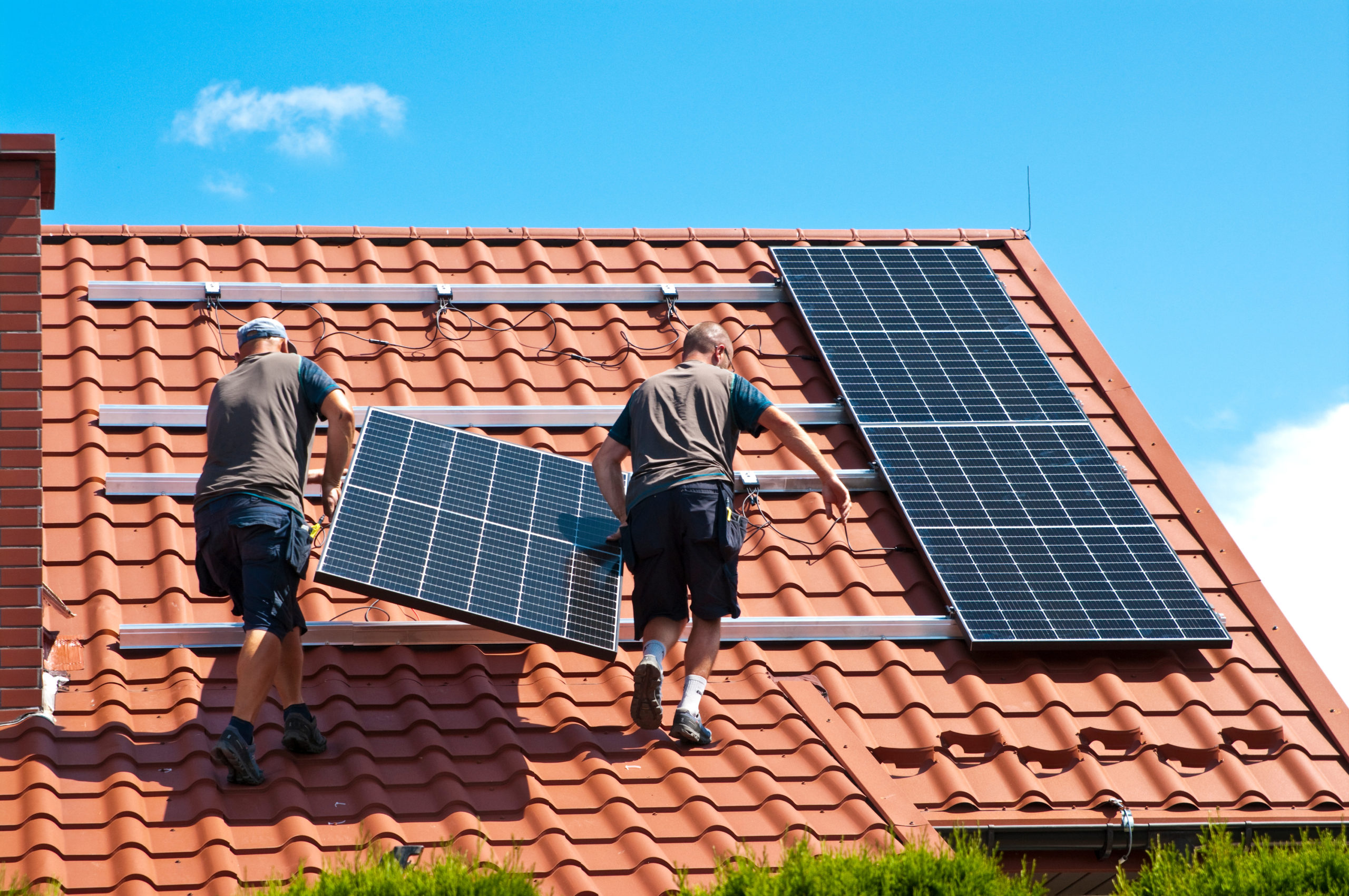
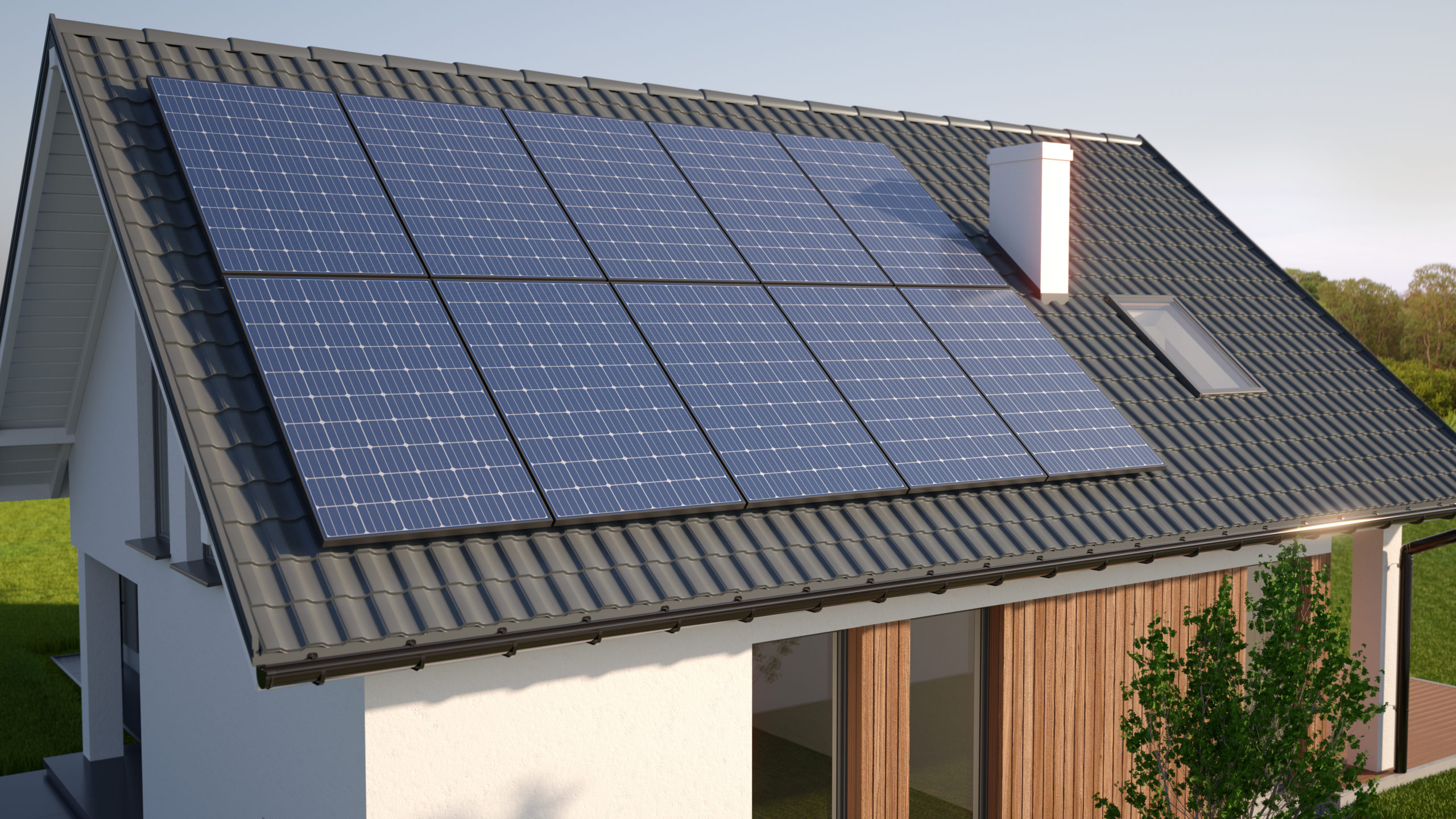
    You may already know the many benefits of using solar panels for your home. You may have done your research and read all about the three types of solar panels and power systems in our other blog. But perhaps you are reluctant to install some on your home because you’re worried they may cause leaks on your roof.


    It is a valid concern, especially considering that installing solar panels would require drilling into your roof. Damaging your roof during the installation process is a plausible concern, and understandably, you would want to prevent yourself from having to spend more money to fix potential roof leaks.


    But can home solar power systems cause leaks? The experts say home solar systems do not cause roofs to leak per se. However, homeowners can experience roof leaks after installing solar systems on their roofs due to poor or improper installation.


    How can you prevent your roofs from leaking after installing home solar systems?


    Since roof leaking after solar panel installations often happen only because of poor installation, the best way to prevent it is to work with licensed and experienced professionals who can install solar panels without damaging roofs or voiding warranties.


    Lucky for you, there are roofing experts like JBL Roofing & Construction that can handle solar panel installations professionally. They can assess your roof and adjust their installation process accordingly. Installers from JBL Roofing & Construction know the best way to mount the brackets holding the roof panels, securing them right into the rafters and “flashing” around the bolts to ensure proper installation without causing leaks.


    Doing your homework to find dependable solar panel installers is paramount to protecting your home from leaks and damage. Thus, do not take your chances. Trust only experts like JBL Roofing & Construction for your solar system installation.


    Just visit www.jblrc.com and fill out the corresponding forms to get your free roof and solar system installation assessment.

  • Three Types of Solar

    Three Types of Solar

    It is hardly surprising that many are investing in solar for their homes. Aside from helping your home become more environmentally friendly, installing solar panels on your roof can significantly reduce electricity costs. Still, not everyone knows the different types and options available for solar on residential roofs, so we’re here to help!

    Read on to learn about the three types of solar panels and the three kinds of solar power systems for installing solar in residential homes.

    The Three (3) Types of Solar Panels

    Monocrystalline, Polycrystalline, and Thin Grid (or Thin-film) solar panels are the three most common types of solar panels installed in residential homes.


    Monocrystalline Solar Panels

    Monocrystalline solar panels are the highest grade out of all three types of solar panels. They are slightly more expensive per unit price, but they produce more energy and take less space, making them a highly efficient choice. Monocrystalline panels are made using pure single-crystal silicon that is then cut into wafers, so the resulting product has a sleek, black appearance with a high-efficiency rating. And although the upfront cost of installing monocrystalline solar panels may be higher than with other types of solar panels, they more than make up for it with bigger energy savings and lesser maintenance. Thus, monocrystalline is also the preferred and most recommended option for domestic installations.


    Polycrystalline Solar Panels

    Polycrystalline solar panels are made by melting together fragments of silicon crystals in square molds and cutting them into wafers. Thus, the resulting product is cheaper than, but not as efficient as, monocrystalline solar panels. Polycrystalline solar panels have a bluish hue to them compared to monocrystalline ones. They also take up more space since you will need to install more pieces because of their lower efficiency.


    Thin Grid or Thin-Film Solar Panels

    The Thin Grid, also known as Thin-film solar panels, is the cheapest but least efficient type. It is temperature-tolerant and flexible but possibly better suited for camping RV installation than on residential roofs.


    Three types of Solar power systems


    Grid-tied solar power systems. Grid-tied is when your solar power system is connected to the electric service grid in the area. So, when your solar is not drawing enough power from the sun, it can use energy from the grid. It is a common misconception that homes using solar do not have to worry about power interruptions, but not if you’re using grid-tied solar power, which is still wired to your electricity service.

    Grid-tied with service backup battery. This solar power system type is akin to the grid-tied, except for the existence of solar batteries from which your solar panels can draw energy as a backup when the sun goes down or when there is a power interruption.

    Off-Grid solar power system. As its name implies, an off-grid solar power system is entirely independent of your electricity supply. This solar power system should be large enough to generate more energy than you use and have an equally large energy storage capacity to store the generated solar power for use during “shadier” or low sunlight seasons.


    The type of solar panels and power systems ideal for residential home installation vary per property type, location, and requirements. Therefore, it is best to consult and work with experts like JBL Roofing & Construction when installing solar panels on residential homes. With their experience and expertise, JBL Roofing & Construction can help ensure you choose and install the solar panels and power systems most suitable for you.

    Contact JBL Roofing & Construction for a free estimate today!

  • Drone Inspection for Roofs

    Drone Inspection for Roofs

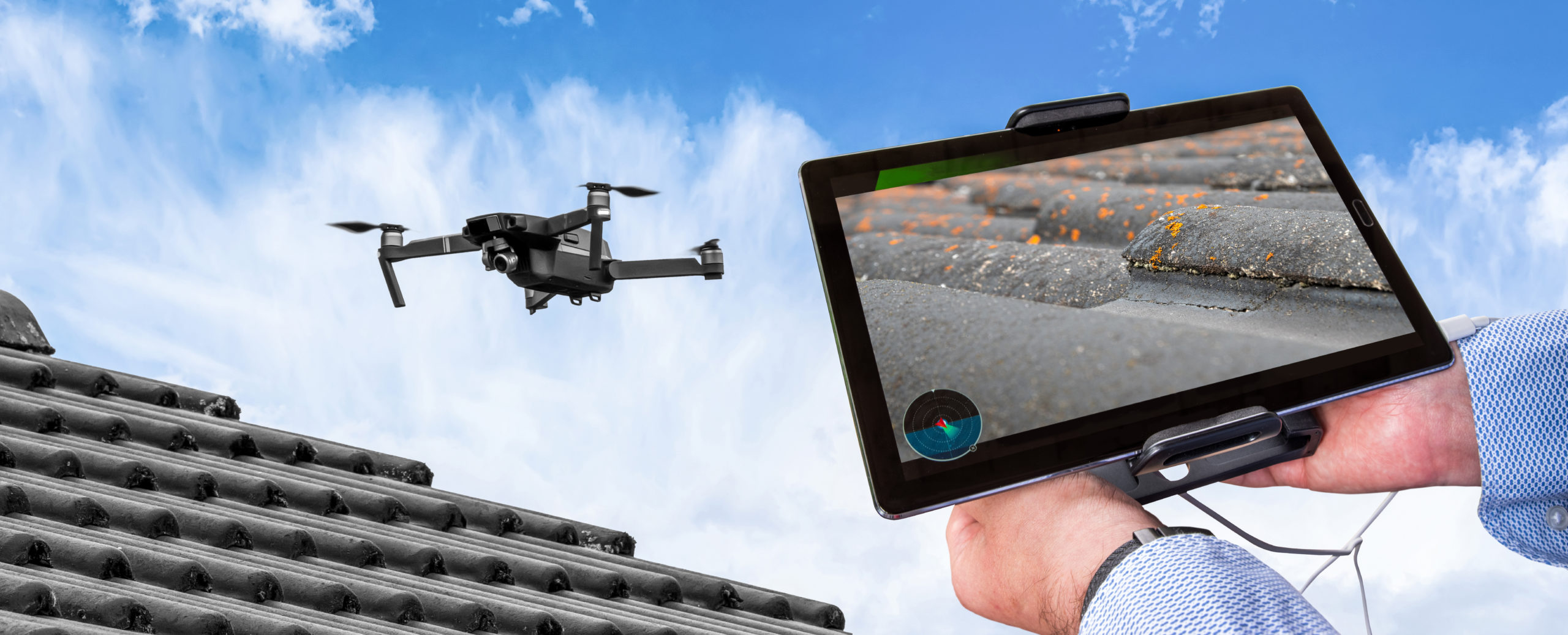
    Roof inspections have improved significantly over the years thanks to technology. Nowadays, roof contractors like JBL Roofing and Construction are using drones to inspect roofs. Drones make it easier and faster to inspect roofs, especially for houses with rooflines that are physically challenging to navigate using traditional roof inspection.


    How does JBL Roofing and Construction’s Drone Inspection work?


    The drones use super smart technology. They can set it up to have its own flight path and everything mapped out in the system, so it doesn’t require a human to control it from a distance. The unmanned aerial drones can take hundreds of high-definition photos of your roof at varying angles within 15 minutes. The process is cost-effective, safe, and quick. Not to mention, the reports generated are detailed and accurate, and the high-definition photos can show you the condition of your roof and what it looks like from above. It allows JBL Roofing and Construction to detect even the slightest abnormality in the shingle, like blisters, soft metals, or hail hair.


    How to learn more about drone inspection for roofs?


    You can visit www.jblrc.com to learn more about JBL Roofing and Construction’s drone inspection, watch their videos, and even schedule a drone roof inspection for your home.

  • Is Hail or High Wind Worse for Roofs?

    Is Hail or High Wind Worse for Roofs?

    Having a sturdy roof above your head is one of the most critical steps for ensuring your safety, especially when you live in areas where the weather constantly changes. Both hail and high winds can cause substantial damage to your roof. But in case you wonder which of the two is worse, we’re breaking down what kind of damage each of these two can do to your roofs.


    Roof Damage by High Wind

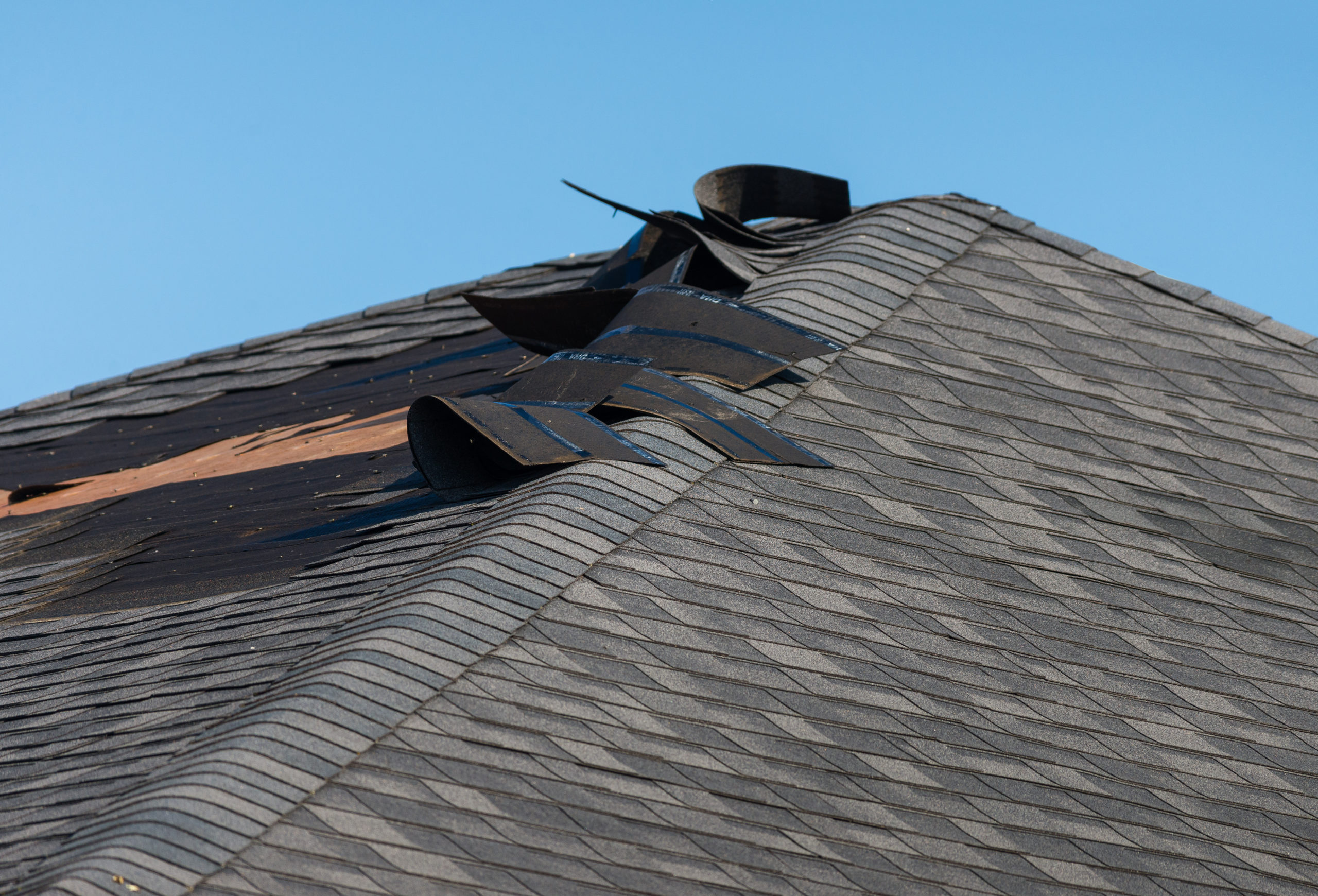
    The immediate threat with high winds is missing shingles. High winds can weaken your roof by exposing the underlayment, causing some shingles to fold, or completely blowing them off. Once a few shingles go missing, it creates a domino effect that worsens the roof damage.


    Hail Damage to Roofs

    Unlike the more noticeable wind damage, hail damage is sneaky. Hail can hit the ridge, and hailstones of considerable sizes can puncture holes in your roof or gutters. It can also bruise your shingles, allowing moisture to penetrate and cause less obvious but severe damage to your roof. Because hail damages can be more challenging to detect and they progress over time, they are probably worse for your roof.


    Whether it is hail, high winds, or even heavy rains that make you suspect roof damage, it is always a great idea to do a roof inspection to detect issues and address them as soon as possible. Lucky for you, JBL Roofing and Construction can diagnose your roof, repair roof damage, and reduce risks. Visit their website at www.jblrc.com to schedule an inspection right away.

  • Five Common Roof Damage After a Storm

    Five Common Roof Damage After a Storm

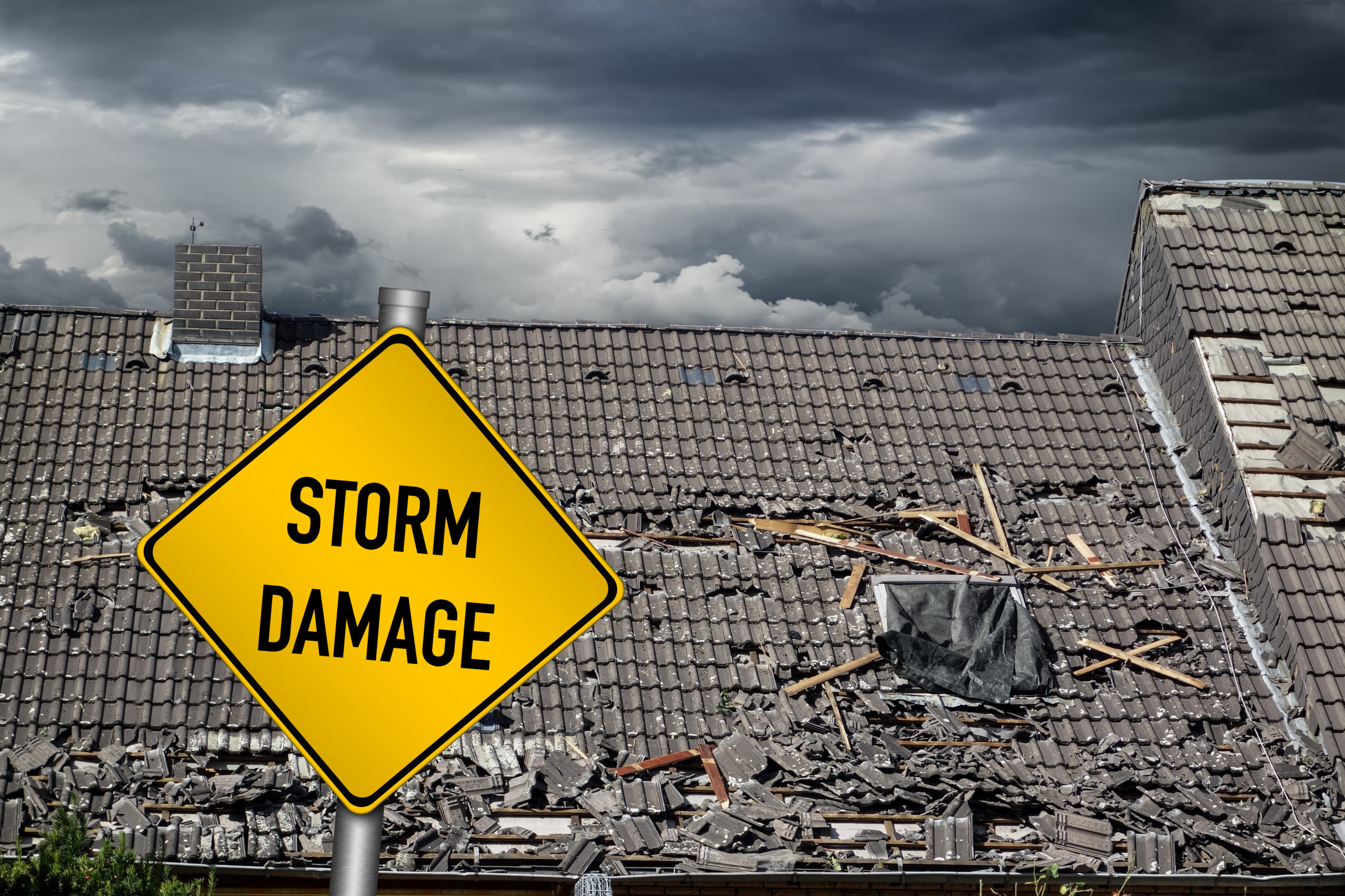
    We all know that storms can damage roofs in more ways than one. So, inspecting your roof immediately after a storm is a must. It pays to know the common damages to get a better idea of what to look for and what you need to do to address them.


    What to Look for After a Storm


    1. Roof damage caused by falling trees. Storms sometimes come with winds that are strong enough to knock down trees. Therefore, if you have some trees planted in your yard, it is reasonable to expect some roof damage caused by falling trees or branches. Knocked-down trees are hard to miss; thus, it is easy to spot the damage they cause. But the damage can be considerable, especially if you have tall, grown trees with heavy branches.


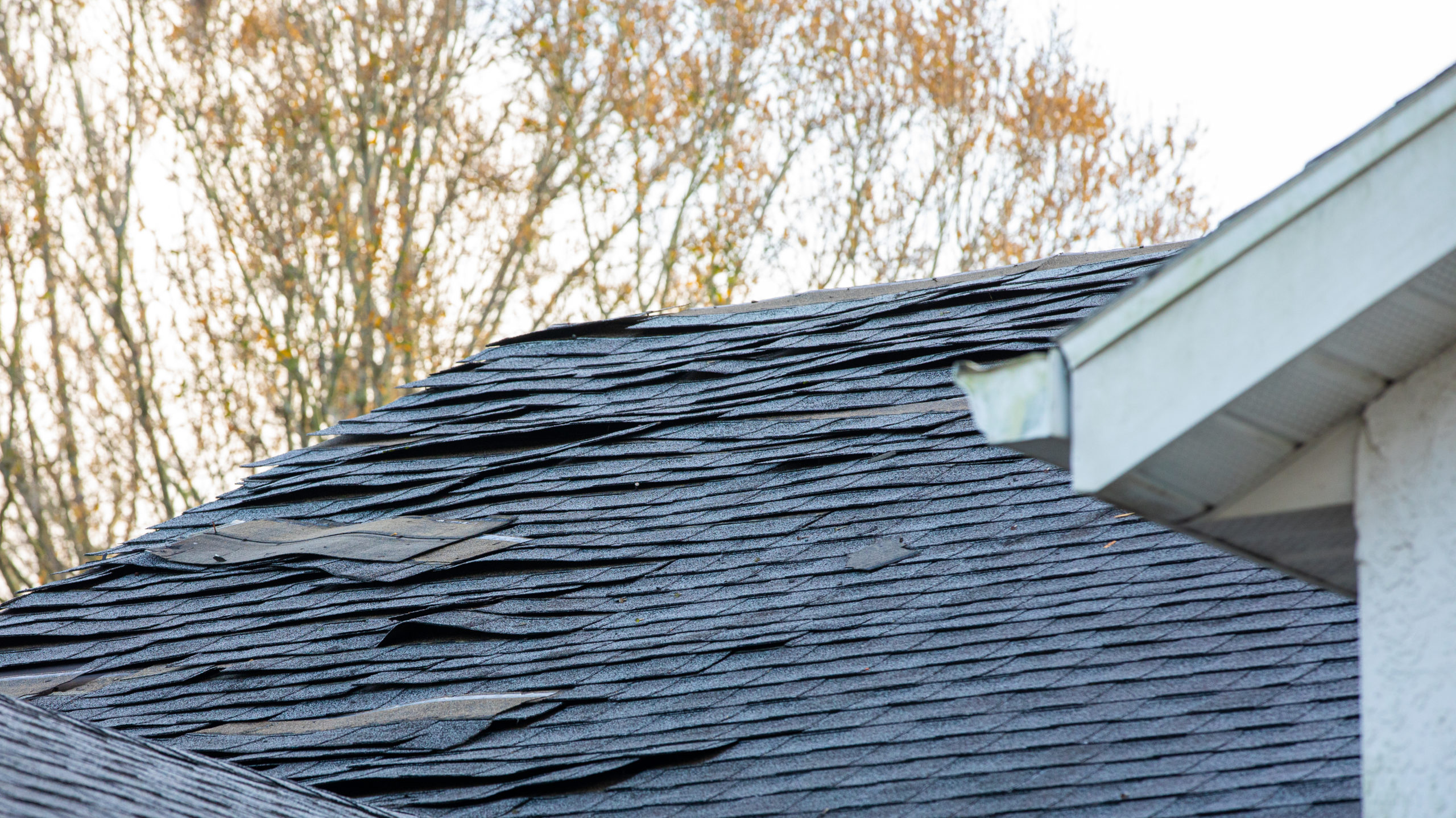
    1. Missing or creased shingles. Strong winds can cause creasing to your roof shingles. Or worse, it may blow some pieces of shingles off. When you notice missing or creasing shingles, it is best not to delay the repairs. Contact your roofing contractor for a fix right away.


    1. Hail damage. Unlike wind damage, hail damage to roofs may be harder to spot unless you have a trained eye for detecting roof damage. We recommend calling your roof contractor for an inspection after a hailstorm because hail damage can significantly reduce the lifespan of your roof by causing leaks that may cause the roof material to rot.


    1. Damage caused by lightning strikes. It is not as common as the rest of the list, but there is still always a possibility of lightning strikes damaging your roof.


    1. Water damage. Storms can also cause water damage to your roof depending on how your roofing system is set and how heavy the downpour is. Water damage can manifest as a leaking ceiling, dampness in your attic, or water seeping and causing molds to grow. Whatever the case, water can cause structural damage to your home, so it is best to address them as soon as possible.


    Knowing these common types of roof damage is one thing, but having an expert conduct a diagnosis is always preferable. Check out www.jblrc.com for more information on how to spot roof damage or make your life easier by having the experts at JBL Roofing and Construction do the roofing inspection and repairs for you.

  • How Many Nails to Use per Shingle?

    How Many Nails to Use per Shingle?

    Homeowners, especially those living in areas where thunderstorms hit hard, know how important it is to ensure that the roof is in ideal condition to guard the property against all types of weather. It could be frustrating to see shingles getting blown off by strong winds. Perhaps the shingles are due for replacement because of old age, but maybe you or your roof contractor can secure the shingles better. If you’ve ever asked how many nails you need to use per shingle, then you’ve come to the right place. We’re here to answer just that. 


    The Industry Standard


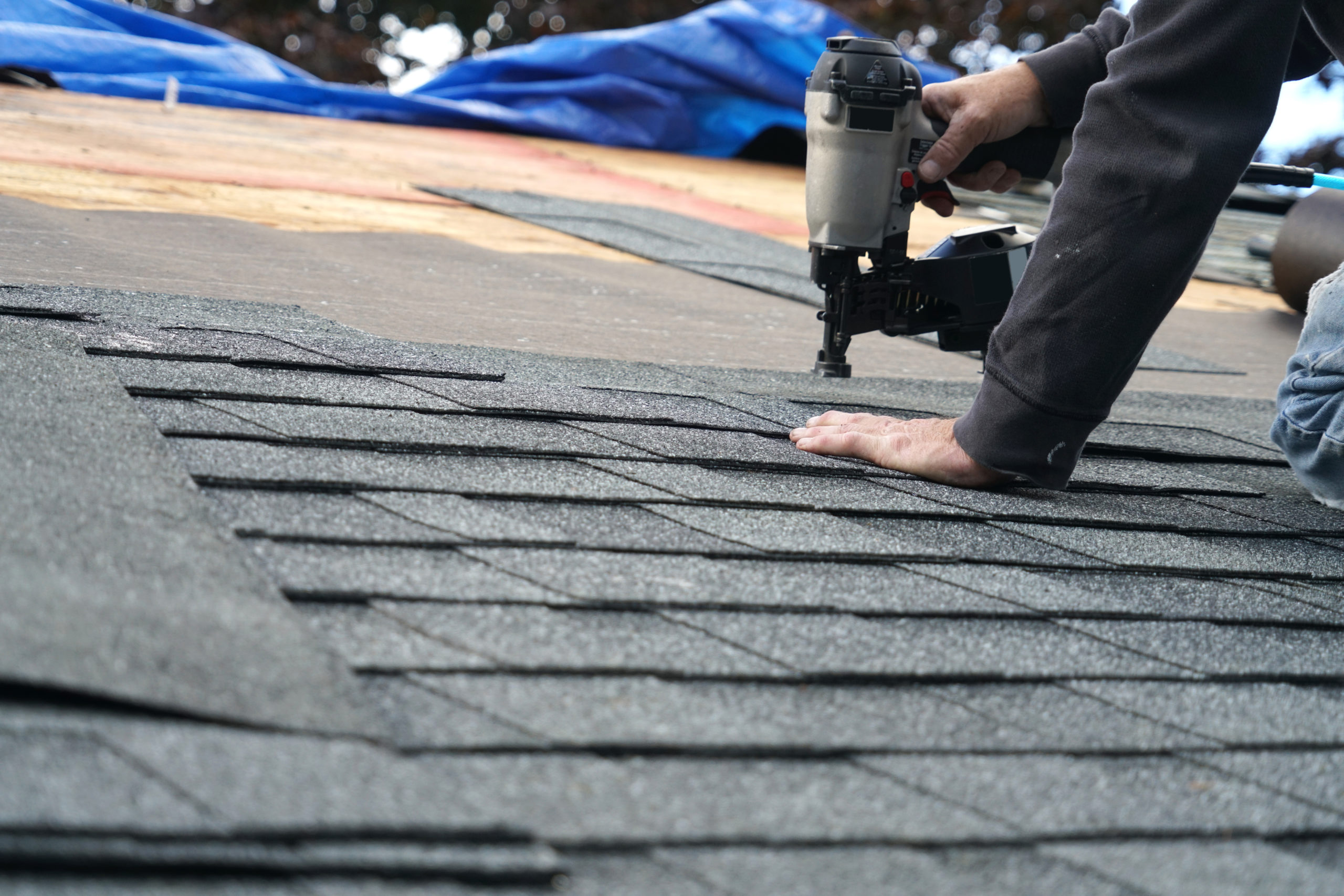
    Most roofing contractors and shingle manufacturers consider using four (4) nails per shingle as the widely accepted industry standard. Using less than four nails for shingles will cause you to void warranties. However, you shouldn’t settle with just the bare minimum for your roofs, especially when you live in areas frequented by storms and strong winds. 


    The JBL Roofing and Construction Practice


    JBL Roofing and Construction is a GAF Master Elite Certified Roofing Contractor. They know how critical it is to have well-placed nails to ensure top-performing roofs, so JBL Roofing uses a minimum of six (6) nails per shingle and offers a 130mph warranty for the roofs they install. Because JBL uses six (6) nails driven through the nail strip and another six (6) nails for the next layer of shingles above it, ultimately, each shingle installed by JBL would have about eight (8) to twelve (12) nails on them. 


    But it is not just the number of nails. JBL Roofing and Construction also uses the best quality nails suited for the required application. And they have top-notch craftsmanship and experience to nail every roofing job. 


    Clearly, every nail counts for roofing projects. So, always hire a roofing contractor you can trust. Lucky for you, there’s no need to look further. JBL Roofing and Construction is always available. Visit the website or call them to discuss your roofing requirements today! 

  • How to Spot Roof Damage after a Storm?

    How to Spot Roof Damage after a Storm?

    For most homeowners who have experienced some strong winds and heavy rains lately, it becomes second nature to check the roof condition as soon as the weather permits. You may not always be lucky to have kept your roof intact after a storm, but the least you can do is repair it immediately to prepare for the next downpour.


    How does one spot roof damage after a storm?

    Some roof damages are more noticeable than others. For instance, almost anyone can spot the following signs of roof damage:

    • missing or damaged shingles,
    • leaves and tree branches hit on the roof,
    • big hail damage, and
    • visible cracks


    However, not all roof damages are apparent to the naked eye, especially when you have newer shingles that are cleaner. Thus, it is better to have a trained professional go up your roof and inspect it for signs of damage. Experts will know what to look for and help you spot and repair inconspicuous roof issues before they can cause permanent damage to the structural integrity of your home or give you headaches in case of another storm.


    To ensure your roof is in the perfect condition to protect you and your family from outside elements, set an appointment with the roofing experts at JBL Roofing and Construction. With over 25 years of experience in roofing, you can trust that they’ll expertly handle your roof inspection, installation, or repair. Visit their website or call them for more details.

  • Can I Put a New Shingle Over the Old?

    Can I Put a New Shingle Over the Old?

    One of the most common questions a roofer gets asked is whether homeowners can put a new shingle over the old one. The quick answer is yes, you can, but experts do not recommend it. Sometimes, the shingles are already blowing up because of age, installation, or brittleness. And while the upfront savings of overlaying shingles may seem tempting, starting fresh with a new layer is often more cost-effective in the long run.


    Professional Opinion

    Here are a few notes on why most roofing companies don’t consider putting new shingles over old ones to be the best idea:


    1. There is a risk of improper installation in the shingle-over method. To install a new shingle, you need to bend the old one up to slide in the new one and install it properly. The process can be tricky and may cause installers to damage the existing shingles. The top layer may also become harder to mount and secure properly, possibly leading to issues later.


    1. It may be more costly in the long run. Overlaying shingles isn’t always cheaper. The associated cost of double-layer tear-off eventually, or damages due to weight strain or poor foundation, makes shingle-over more expensive in the long run.


    1. It may cause issues with your insurance. Roofing is a considerable liability for the home and putting new shingles over old ones can mess with your warranties and insurance claims. Insurance claims typically contain provisions on “uniform appearance;” thus, overlaying some portions with a non-match shingle may cause problems.


    Homeowners must address roofing issues as soon as possible but fixing roofs should always be done correctly. It is always a good idea to rely on experts like JBL Roofing and Construction, which has been in the roofing business for over 25 years. Read more about their service or contact them to avail of their services at www.jblrc.com.

  • Why Roofing Shingles Curl

    Why Roofing Shingles Curl

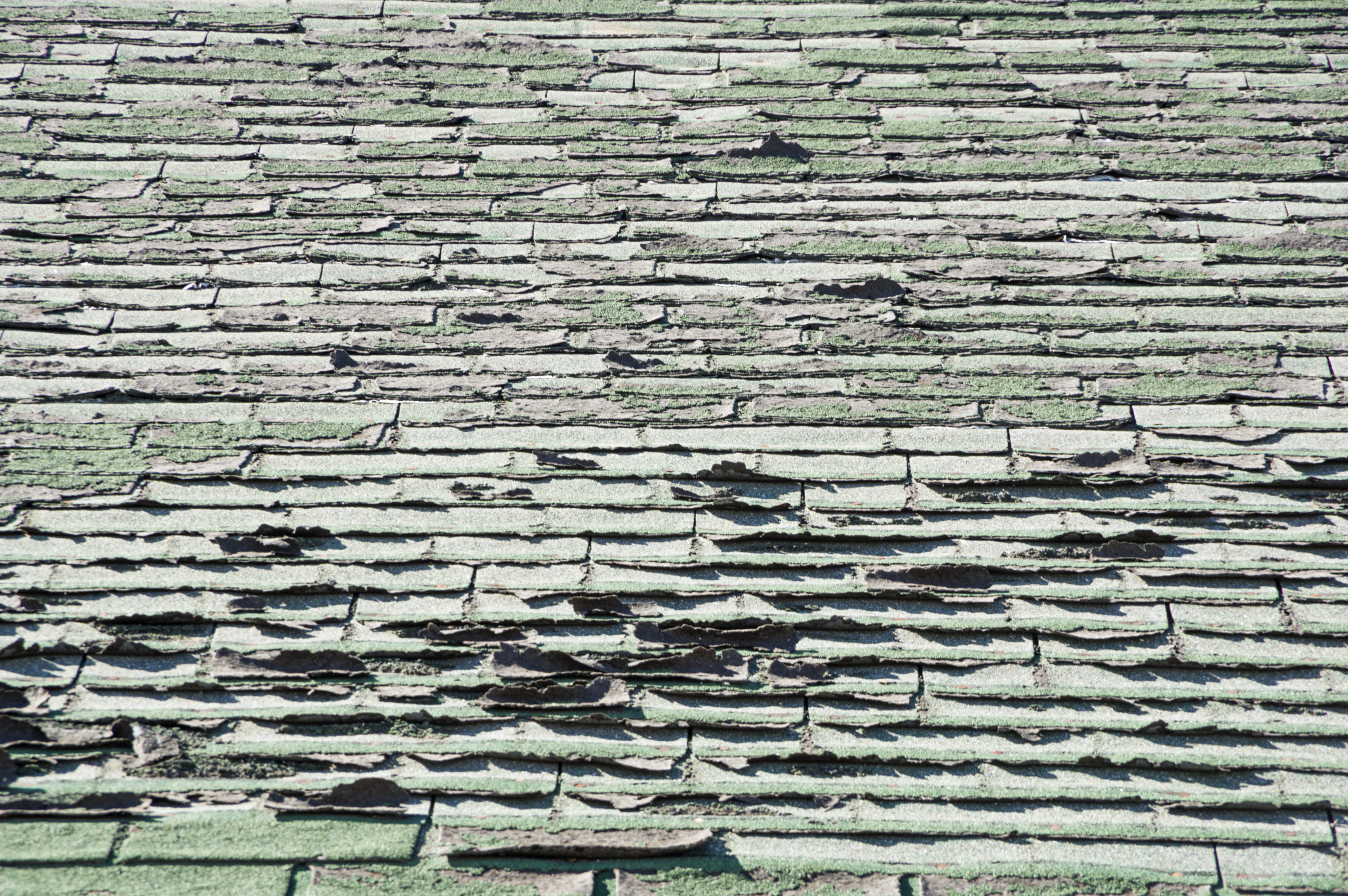
    Shingles are among the most common roofing materials. But it is also fairly common to see roof shingles curling. When it happens, shingles curling doesn’t just look unsightly. They are a sign that it’s time to have your roof fixed before the bad weather hits your roof and causes more permanent damage. And in case you’re wondering, here is why roof shingles curl and some tips on what you can do about it.

    There are different reasons for roof shingles to curl. It is possibly due to poor or improper installation, or sometimes your roof is already too old. But the main reason is poor ventilation.


    How poor ventilation causes roofing shingles to curl

    Roof ventilation systems have intake vents that pull outside air below your roof and vent them out to the top. The process ensures proper airflow for the roof to breathe and prevents moisture from building up. However, several homes, especially in the Ohio area, don’t have enough room for correct intake. As a result, dampness and humidity accumulate from the rising air that becomes stagnant because of the lack of ventilation. Moisture buildup causes molds to form and shingles to curl. Lack of airflow may also cause heat from outside and inside the house to get trapped in the attic. This resulting heat buildup is baking your roof from underneath and causing the shingles to curl.


    Preventive Measures

    Hiring a professional for your roofing installation, inspection, and repair is ideal for preventing your roof shingles from curling and ensuring that your roof will last as long as possible. JBL Roofing and Construction is an expert with over 25 years of experience in providing excellent roofing services. They can conduct roof inspections to check if there is proper ventilation in your attics, adhere to GAF CobraPro Intake Vent to ensure balanced ventilation, and comply with local building codes for optimal results.

    Visit the JBL Roofing and Construction website and fill out their forms to schedule a roof inspection and let a pro handle your roofing needs.