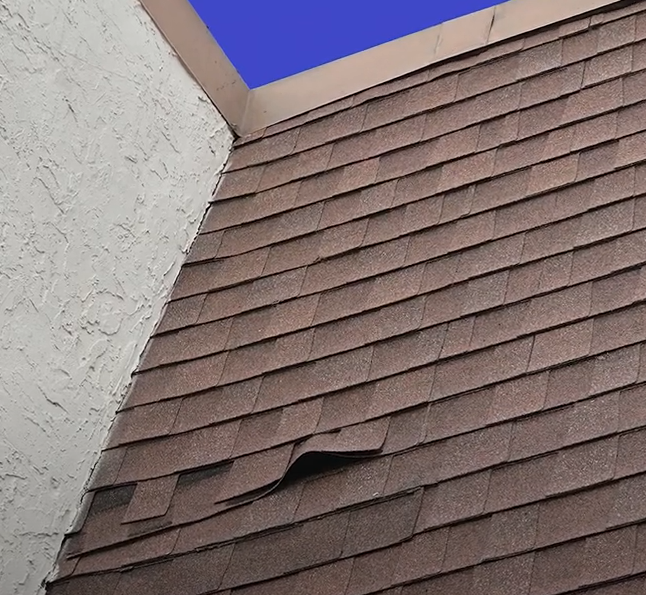
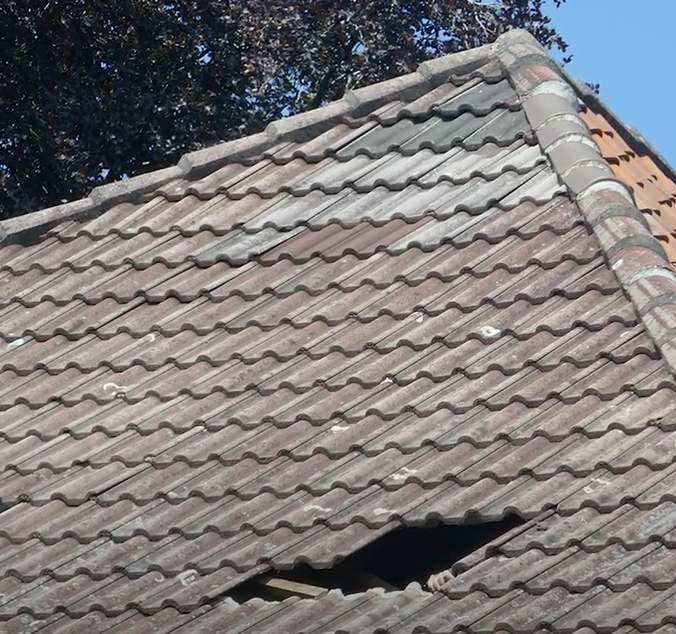
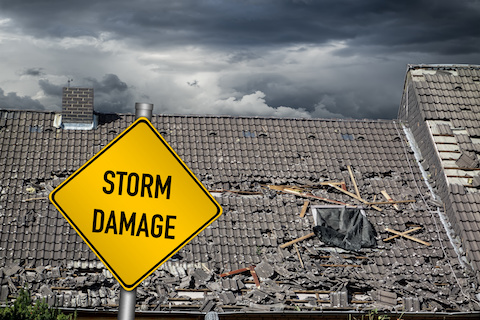
When a roof starts to leak, homeowners often struggle with the difficult decision of whether to attempt a DIY repair or hire a professional roof leak repair. After all, it can be hard to part with our hard-earned cash and dole out money for repairs that we have the skills and knowledge for ourselves. But when it comes to roof leaks in particular, making the right call between home fixes and going pro could mean the difference between longer-lasting repairs versus having headaches down the line. In this blog post, we’ll explore various aspects of this important topic – including materials used by pros and DIYers alike — so you can make an informed judgment when faced with your own roofing dilemma!
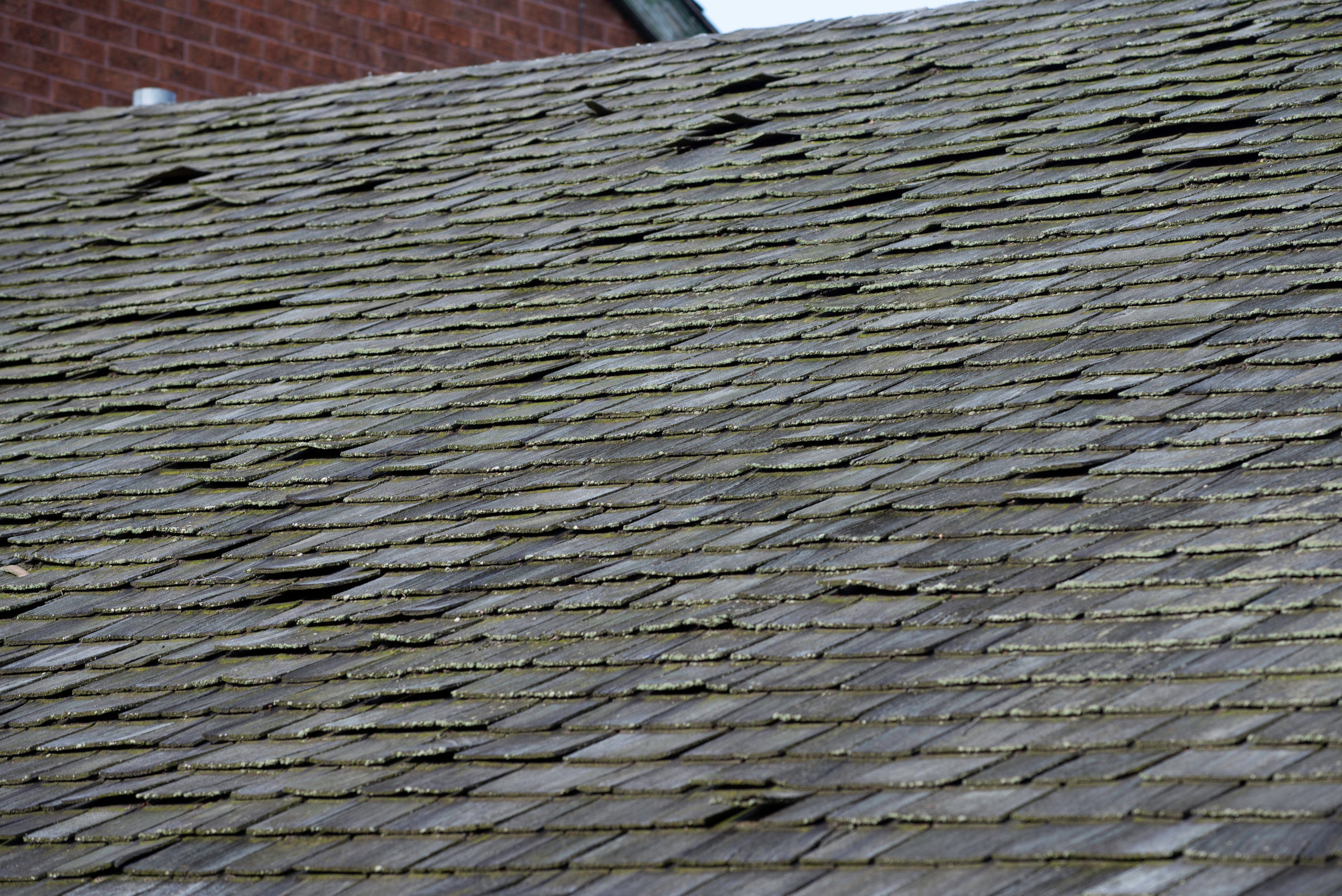
Roof Leak Repair
Overview of Roof Leak Repairs – Pros and Cons of DIY vs. Professional Solutions
One of the most frustrating things for homeowners is dealing with a roof leak. While some may be tempted to tackle the repair themselves, it’s important to weigh the pros and cons of both DIY and professional solutions. The advantages of DIY include saving money and gaining a sense of accomplishment from fixing the issue yourself. However, there are also risks involved, such as improper repair leading to further damage and personal injury. On the other hand, hiring a professional roof leak repair can ensure the job is done correctly and efficiently, but that also means a higher cost. Whichever route you choose, it’s crucial to address the issue as soon as possible to prevent further damage and potential mold growth.
Identifying the Source of the Roof Leak – When to Call a Professional
When it comes to successful roof repair, the first step is identifying the source of the leak. Although this task may not always be easy, as the source could be far away and difficult to pinpoint, it is crucial for effective repairs. If your thorough investigation fails to locate the source, seeking the assistance of a professional is recommended. Not only can a professional help locate the exact point of the leak, but they can also assess whether a complete replacement is necessary. Moreover, they have access to high-quality materials and tools that ensure long-lasting structural integrity and security for your roof. Calling in a professional ensures a job done right, providing peace of mind for years to come.
DIY Solutions for a Small Roof Leak – Step-by-Step Guide
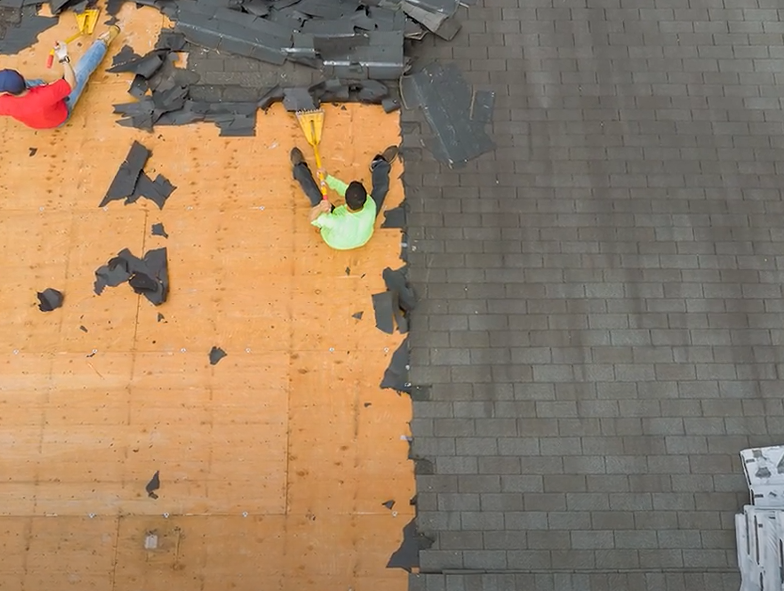
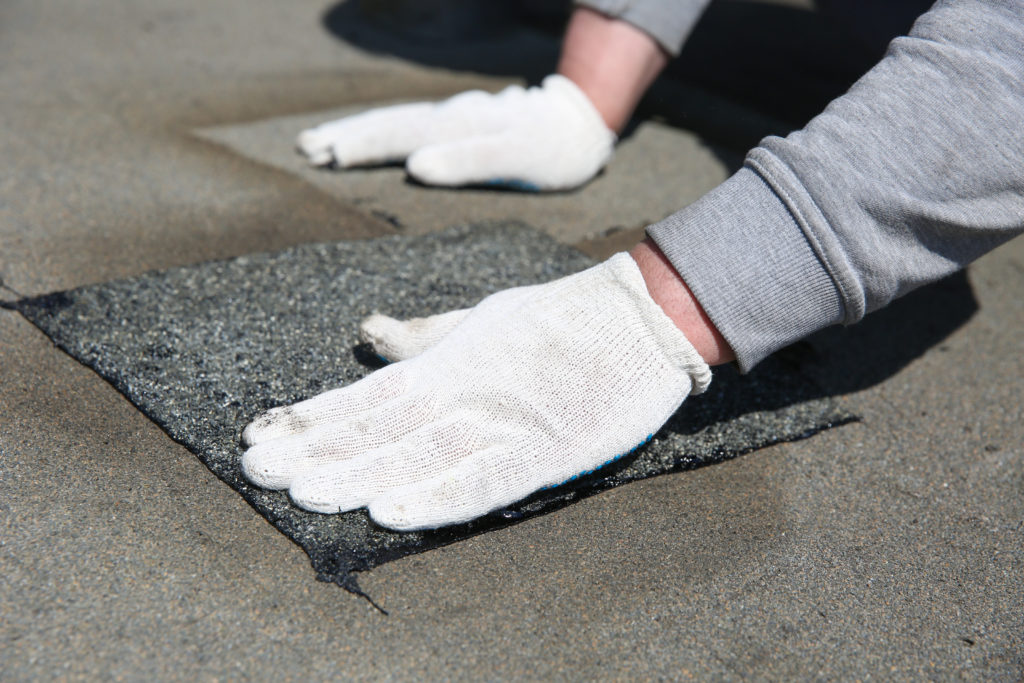
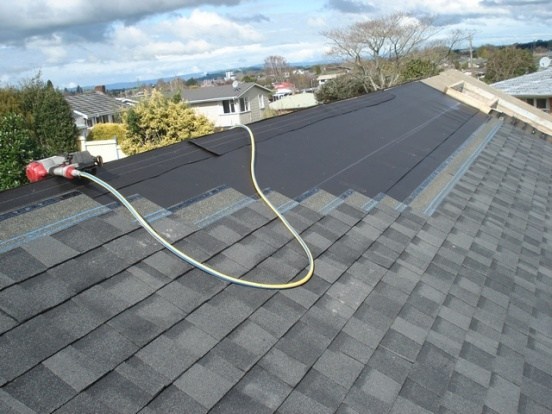
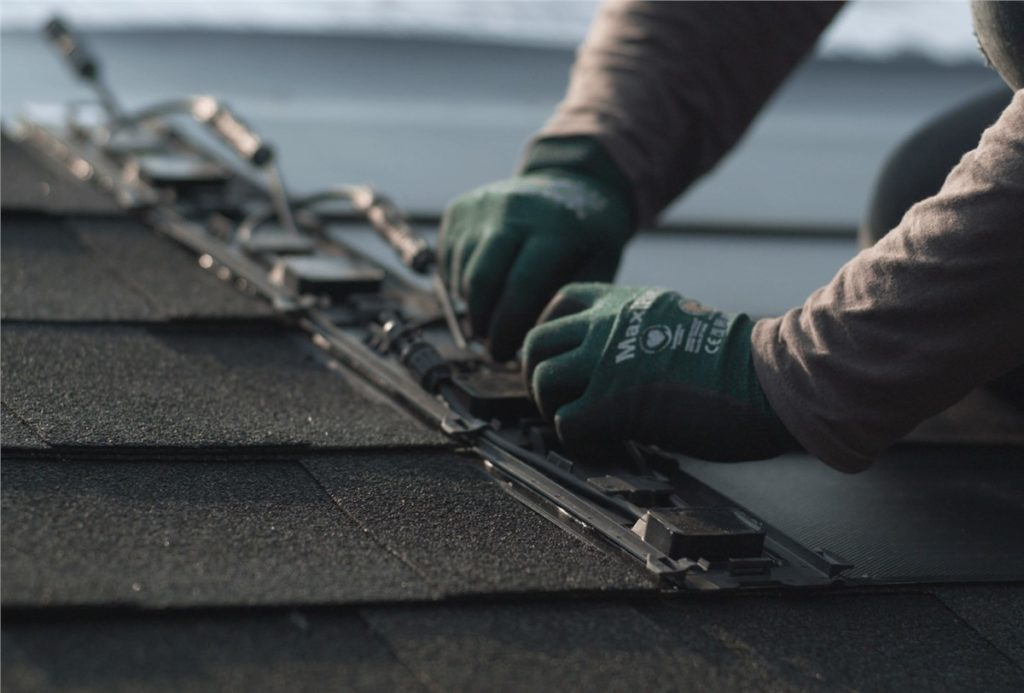
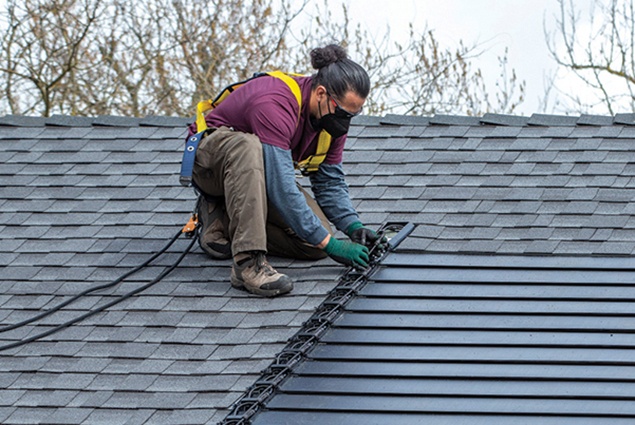
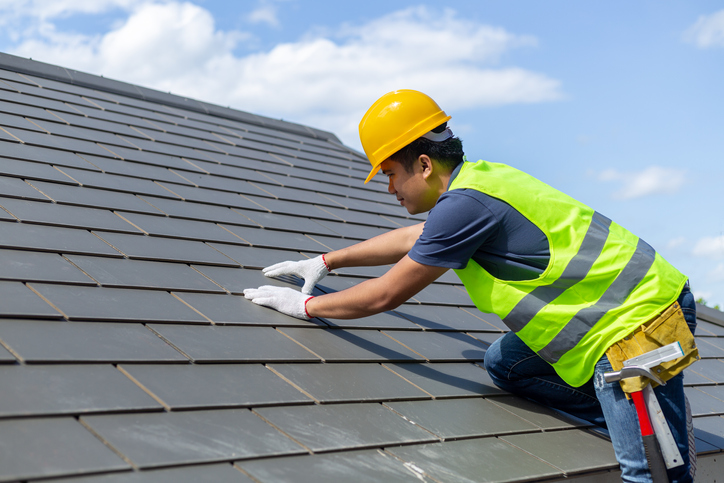
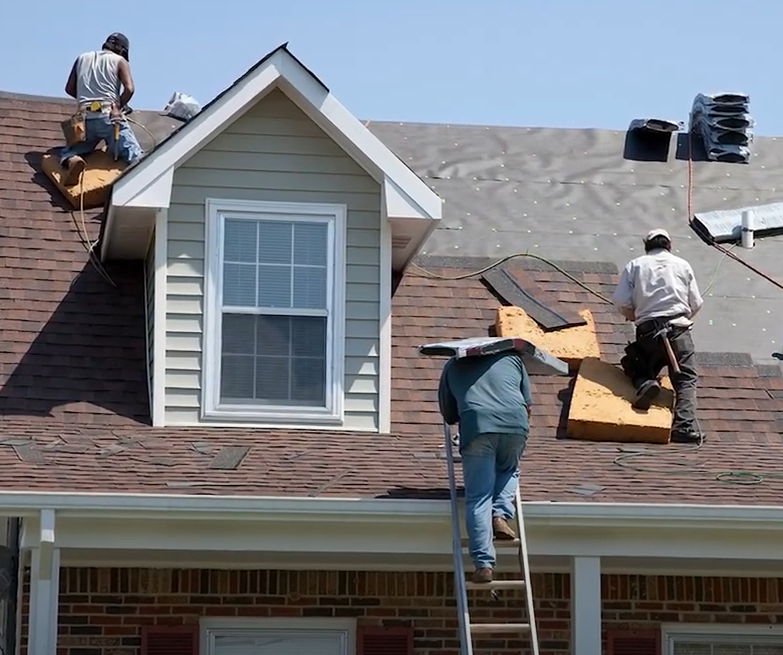
For the handyman who would like to tackle a small roof leak, there are several steps and materials needed for a successful DIY repair. The most important thing is safety: Always use caution when working on the roof and wear appropriate protection such as gloves and glasses. To begin the repair, gather your supplies — typically including shingles, underlayment material, roofing nails, hammer, and caulking. The exact materials may vary depending on the type of roof you have. Be sure to clear away any debris such as leaves and twigs before starting. Next, carefully remove old shingles in the area and apply a new layer of underlayment material when necessary. Once that’s done, place new shingles on the affected area and secure them with nails. Finally, you’ll want to use caulking to seal the outside seams of the shingles and prevent further water damage.
Professional Roof Leak Repairs – Benefits and Advantages
When it comes to roof leak repairs, hiring a professional is crucial. Not only do professionals possess the necessary experience and expertise, but they also offer a warranty on their work. This provides you with peace of mind knowing that you’ll be covered if another leak arises due to faulty installation or defective materials. Moreover, professional roofers have access to high-quality materials that may not be readily available in stores. As a result, they can provide higher-grade solutions that better withstand the elements. Additionally, professionals possess the knowledge to repair your roof without causing further damage, ensuring its durability for years to come. Trusting your roof repairs to professionals is an investment that pays off in the long run.
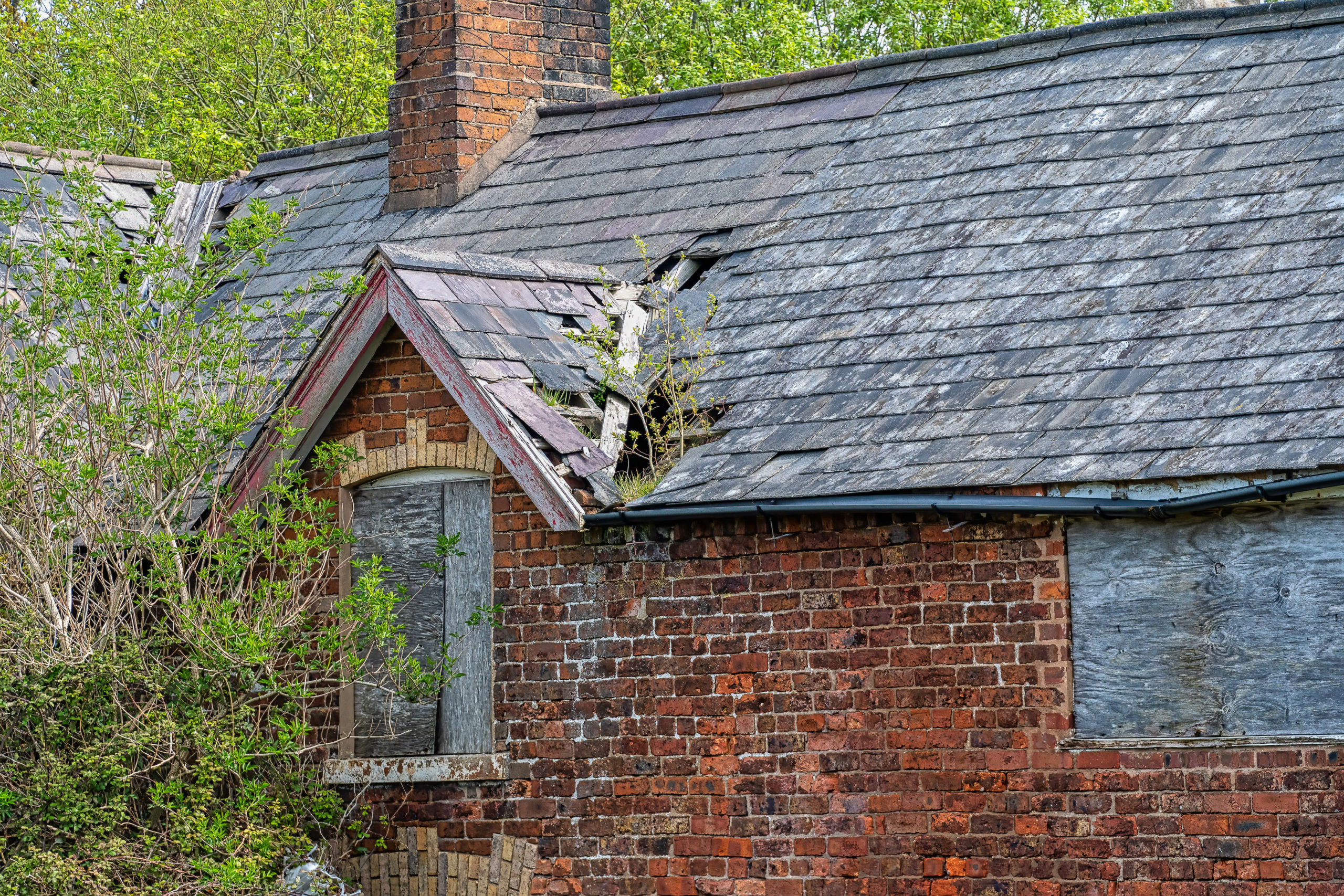
Roof Leak Repair Service
Potential Pitfalls of DIY Roof Leak Repairs
When it comes to roof leak repairs, many homeowners consider the cost-effective option of doing it themselves. However, taking this route comes with its fair share of potential pitfalls that should not be overlooked.
One of the major risks is the possibility of misidentifying the source or underestimating the size of the leak, which can lead to improper repairs. These inadequate fixes not only fail to address the issue accurately but can also result in further damage and potential future leaks.
Furthermore, lacking the necessary tools and materials can compromise the quality of the repairs, leaving your roof vulnerable to water damage. It is crucial to ensure that you are equipped with the right resources to tackle the job effectively.
Safety should always be a top priority, and attempting DIY roof leak repairs without proper precautions can lead to injuries, or in extreme cases, fatalities. It is imperative to take appropriate safety measures to protect yourself and those around you.
Overall, while DIY projects can be appealing, it is crucial to carefully consider the associated risks before making a decision. By understanding the potential pitfalls and taking the necessary precautions, you can make an informed choice regarding your roof leak repairs.
In conclusion, whether you decide to undertake a DIY roof leak repair or hire a professional, it is essential to understand the differences between each option. Weighing the pros and cons of both solutions can help you make a decision that satisfies your budget and needs. Ultimately, the key to successful roof repairs is quick and accurate identification of the source. This helps you determine whether a DIY or professional repair is best for your particular leak. With the right measures taken, you can ensure that your roof will remain strong and secure for years to come!
What Homeowners Need to Know About Roofing Replacement
Are you a homeowner looking for information about how to plan and prepare for a roof replacement? It can be an intimidating task, as there are many aspects that must be considered. Fortunately, with the right understanding and knowledge, replacing your roof can become much easier. In this blog post, we’ll provide the key background information homeowners need to know when planning for roofing replacement — from preparing your budget to selecting high-quality materials and hiring the right contractors. We’ll help guide you through all of the steps necessary for bringing your vision of a new roof to life!
Assess the condition of your current roof – inspect for damages, worn-out shingles, and missing tiles
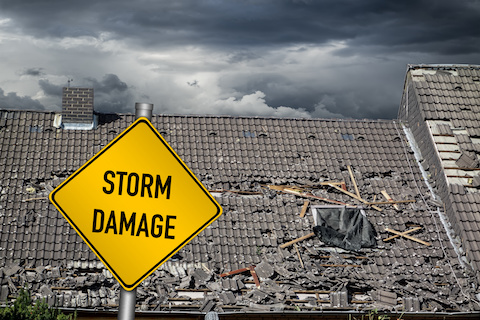
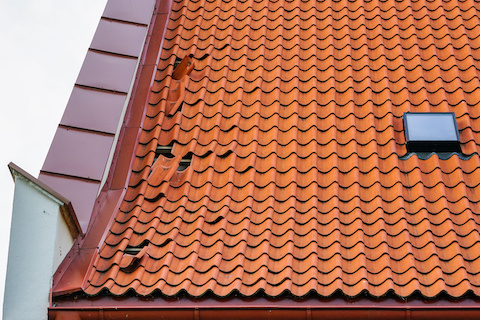
Before beginning the roof replacement process, it is crucial to evaluate the condition of your current roof. Conduct a thorough inspection to identify any damages, worn-out shingles, or missing tiles. This assessment will help determine whether a repair or a complete replacement is the most suitable solution. If only one section of your roof requires attention, a repair might suffice. However, if multiple areas are affected, a full replacement may be necessary. Taking the time to assess your roof’s condition will ensure that you make an informed decision. This step is crucial for maintaining the structural integrity and longevity of your roof.
Roofing Replacement
Find a qualified roofing contractor to do the job – research local reviews and get multiple quotes
Once you have identified the need for a roof replacement, it is important to hire a qualified contractor who can safely and effectively carry out the job. Begin by researching local reviews and asking family and friends for recommendations. It can also be helpful to get multiple quotes from different contractors before making your decision. When comparing quotes, consider factors such as qualifications, experience level, materials used, and customer service. Additionally, make sure to ask if your contractor offers any warranties or guarantees on their services. This will help ensure that the roof replacement is done correctly and efficiently.
Determine what type of material you want to use for the roof replacement – discuss your options with your contractor
If you’re facing the prospect of a roof replacement, deciding on the right material can be a daunting task. With so many options available on the market, it’s important to discuss your choices with a qualified contractor who can help you choose the best one for your home. The right material will not only protect your home from the elements but also enhance its curb appeal and increase its value. Whether you’re considering a traditional asphalt shingle, a durable metal roof, or an eco-friendly option like a green roof, your contractor can help weigh the pros and cons of each to help you make an informed decision. By working with a professional, you can feel confident that you’re making the right choice for your home’s needs and your budget.
Get an estimate for the cost of materials and labor for the project – evaluate the total cost before committing
Before committing to your roof replacement project, it’s crucial to obtain a comprehensive estimate for both materials and labor costs. By doing so, you are able to ensure financial readiness and avoid any unforeseen surprises in the future. Additionally, it’s recommended to inquire about any potential extra expenses that may arise during the project. Having a clear understanding of the associated expenses will grant you the confidence to proceed with your selected contractor and chosen materials. By carefully evaluating the total cost, you can make an informed decision and move forward with your roof replacement project.
Set up a payment plan or financing option that fits into your budget
Replacing a roof can be a costly undertaking, requiring careful planning and budgeting. To make the process more manageable, consider setting up a payment plan or exploring financing options that align with your budget. It’s worth noting that some contractors may offer incentives or discounts for cash payments or provide no-interest financing. Don’t hesitate to ask your contractor about the available payment options and seize any cost-saving opportunities. By taking these steps, you can ensure that the entire roof replacement journey is smoother and more affordable. Feel free to reach out if you have any further questions or need assistance!
Roof Replacement Service
Prepare yourself with information about local building codes and regulations – understand what is required for approval
Before beginning the roof replacement service, it’s important to be aware of any local building codes and regulations that may apply. Understand what is required in order for your project to be approved by your city or county. Building codes and regulations can vary from location to location and must be strictly adhered to in order to ensure compliance. Your contractor should be able to provide you with the most up-to-date information and guide you through the process of meeting all necessary requirements. This will help ensure that your roof replacement project is completed safely and in a timely manner.
These are just a few of the key factors that homeowners should consider when planning for a roof replacement. By taking these steps and doing your research, you can reduce stress and save time throughout the entire process. Proper preparation will ensure that your vision for a new roof is brought to life with ease. Don’t forget to ask questions and take notes so that you can make the most informed decision possible! With the right contractor and materials, you will be able to give your home a brand new roof that will last for many years to come.
Are you dealing with roof repair and looking for the best roofers near you? If so, you’ve come to the right place! Having an experienced and reliable roofer on hand is essential when it comes to getting your repairs done quickly, safely, and correctly. To help ensure that your home or business gets the highest level of quality service, we have compiled all the information you need in this blog post – from finding local roofers repair near me to assessing their credentials and skillset. Keep reading for all our tips on locating qualified professionals who can provide top-notch services at competitive prices!
Roofers Repair Near Me
Research Roofers Near You – Check Their Reviews and Ratings Online
Finding the right roofer to work on your home can be an overwhelming task, but fortunately, there are a few steps you can take to narrow down your options and choose the best company for your needs. One of the most important steps is to research roofers in your area and check out their online reviews and ratings. By doing so, you can get a sense of their reputation in the community, learn about other customers’ experiences, and make an informed decision about which company to choose. Whether you’re in need of a minor repair or a full roof replacement, taking the time to do your research can help you find a trustworthy and reliable roofer who will get the job done right the first time.
Ask Family, Friends, and Neighbors for Recommendations
When selecting a roofing company among the plethora of options, it can often feel overwhelming to discern the most trustworthy one. In such situations, it is indeed wise to seek recommendations from those close to you: family, friends, and neighbors. These individuals may have had positive encounters with local roofers and can offer invaluable firsthand insights into the reliability and quality of services provided. Furthermore, receiving an endorsement from someone you know and trust adds an extra layer of assurance. By actively seeking guidance from your trusted circle, you can make an informed decision regarding your roofing needs. Remember, the experiences of others can serve as a powerful tool for choosing a reputable and competent roofing company.
Roofers Repair
Get an Estimate from Each Potential Roofer and Compare them Carefully
Once you have identified a few potential roofers, it is a good idea to get estimates from each of them and compare them carefully. These estimates should include the cost of labor as well as the cost of materials used for your repair or replacement. In addition, make sure that any warranties offered are clearly outlined in the estimate so that you know what type of coverage you can expect. It is also wise to inquire about any additional fees that the roofer may charge, such as for disposal of old materials or travel expenses. Evaluating the estimates side-by-side can help you find a company who offers the best value and most affordable services while still providing quality results.
Make Sure the Roofer is Properly Licensed and Insured
When it comes to hiring a roofer for your home, there are two crucial factors that you need to consider: licensing and insurance. Ensuring that the roofer you choose is properly licensed is vital. This is because a license provides you with a guarantee that they possess the required skills and knowledge to handle the job effectively and safely. Furthermore, it is equally important to confirm that the roofer is insured. By doing so, you protect yourself from potential liability for any injuries or damages that may occur during the project. Remember, it’s always a good idea to request proof of licensure and insurance before finalizing any agreements. By taking these necessary steps, you can have peace of mind, knowing that your home is in capable hands.
Confirm that the Roofer Guarantees Their Workmanship in Writing
When hiring a roofer, it is crucial to confirm their workmanship guarantee in writing. This ensures peace of mind, knowing that a skilled professional will handle your roof repair or replacement. It also protects against additional repair costs resulting from faulty workmanship. Moreover, a written guarantee provides legal documentation for future reference. Before making a decision, ensure the roofer’s workmanship guarantee is in writing. By doing so, you can rest assured that your roofing needs will be proficiently met. Trust in the expertise of professionals to deliver exemplary results, all backed by a written guarantee, giving you confidence and security in your investment.
Do Not Be Afraid to Ask Questions
It is perfectly normal to have questions and concerns when dealing with a roof repair project. Asking questions before, during, and after the job is completed can help you get clarity on the process as well as ensure that your needs are properly met. Discussing expectations beforehand allows you and the roofer to be on the same page. Additionally, it never hurts to ask for additional details or clarifications if you are unsure about any part of the project. After all, your goal is to ultimately find a roofer that will meet and exceed your expectations. Do not hesitate to ask questions and request information throughout the entire process – this can help ensure successful results!
Selecting a professional roofer with experience and expertise in your area can be a daunting task, but with these steps and tips, you will be well on your way to finding the perfect professional for your roofing needs. From researching local roofers online to asking trusted family members for advice and confirming their workmanship guarantee in writing, taking the time to carefully assess each company can help you find a reliable and trustworthy contractor who provides quality services. With the help of these helpful tips, you can make an informed decision about your roofing project and experience exceptional results.
Embarking on the journey to replace your roof is no small feat. It’s a decision that not only impacts the aesthetic appeal of your home but also its safety, energy efficiency, and overall value. With the myriad of options available, navigating through the sea of roofing materials, contractors, and warranties can feel like an overwhelming odyssey. But fear not! In this ultimate guide, we’re going to demystify the process, offering you a compass to navigate the vast landscape of roof replacement options near Canton OH. Whether you’re looking for durability that stands the test of time, eco-friendly alternatives that speak to your green heart, or cost-effective solutions that won’t break the bank, we have you covered. So, buckle up and prepare for a journey that will not only enlighten you with the knowledge to make informed decisions but also transform your home into the envy of the neighborhood. Welcome to “The Ultimate Guide to Finding the Best Roof Replacement Options Near You.”
Understanding Your Roof’s Lifespan and Signs of Replacement
Understanding the lifespan of your roof is crucial in maintaining the integrity and safety of your home. Typically, a well-installed roof with quality materials can last anywhere from 20 to 50 years, depending on the type of roofing material used. Asphalt shingles, for example, are among the most common materials with a lifespan of around 20 to 30 years, while metal or tile roofs can last much longer. However, various factors such as climate conditions, maintenance practices, and ventilation can significantly impact this longevity. Being aware of your roof’s age is essential, as it helps in anticipating potential issues and planning for replacement before severe damage occurs.
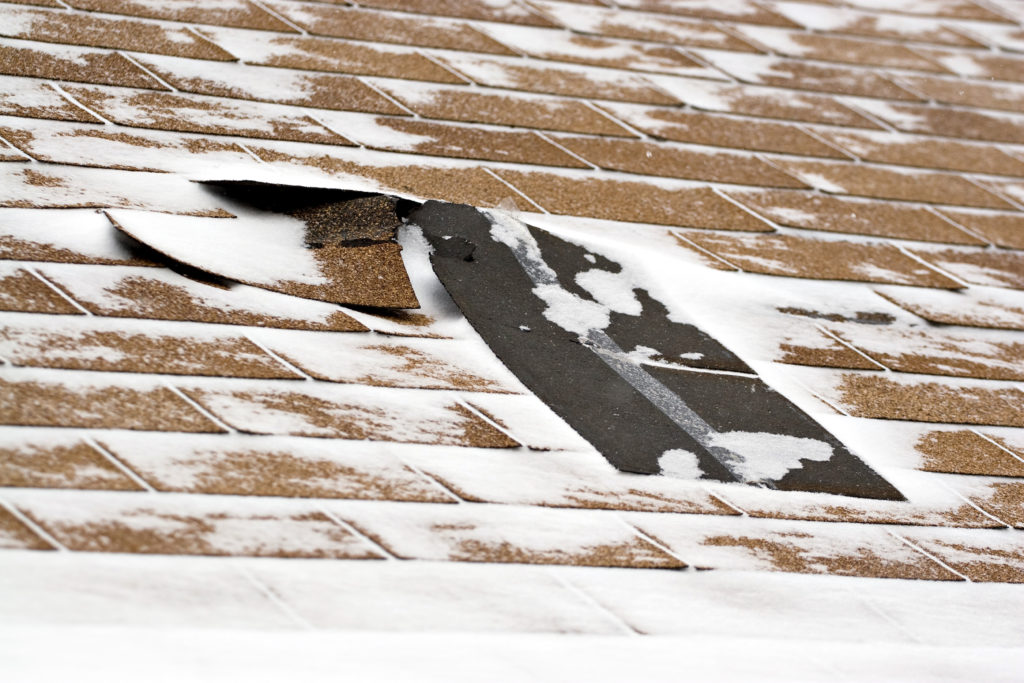
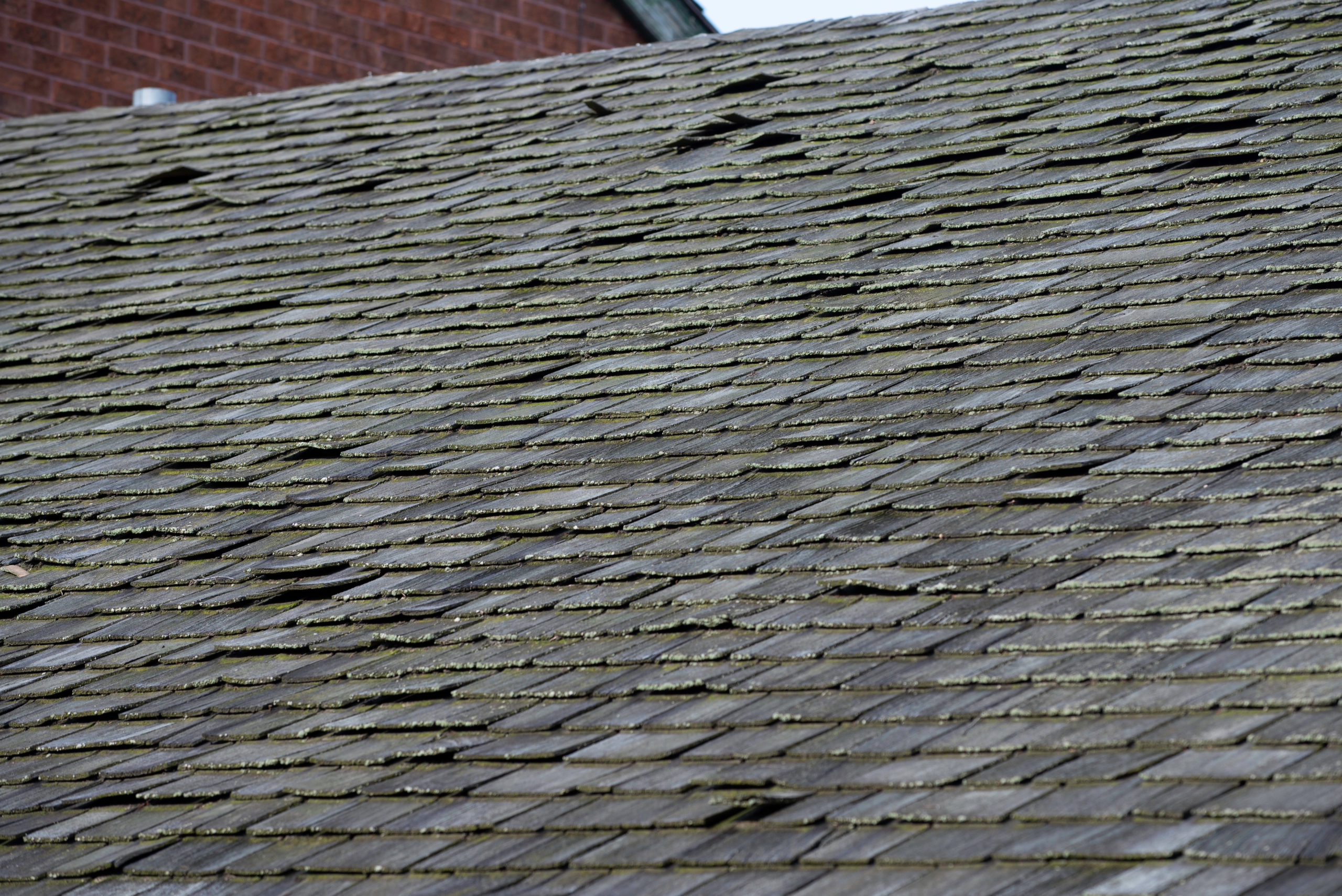
Curling or missing shingles are tell-tale signs that your roof may be nearing the end of its effective life. Shingles can curl in two ways: cupping, which occurs when the edges of the shingle turn upward; and clawing, where the edges stay flat, and the middle starts to come up. Both are indicators of weathering and could point to potential leaks. Missing shingles compromise the roof’s ability to shed water and can be an entry point for water damage. These visible cues signal that the roof’s protective surface is failing and may necessitate a closer inspection to determine if a replacement is needed.
Leaks or water damage inside your home are clear indicators that your roof requires immediate attention. Often, by the time water damage becomes visible on ceilings or walls, it has already compromised the insulation and the internal structure of the roof. Regular inspections, especially after severe weather events, can help in identifying and addressing leaks early. However, persistent leaks or widespread water damage usually imply that repair might not be sufficient, and full roof replacement could be the more prudent option to prevent further structural damage to your home.
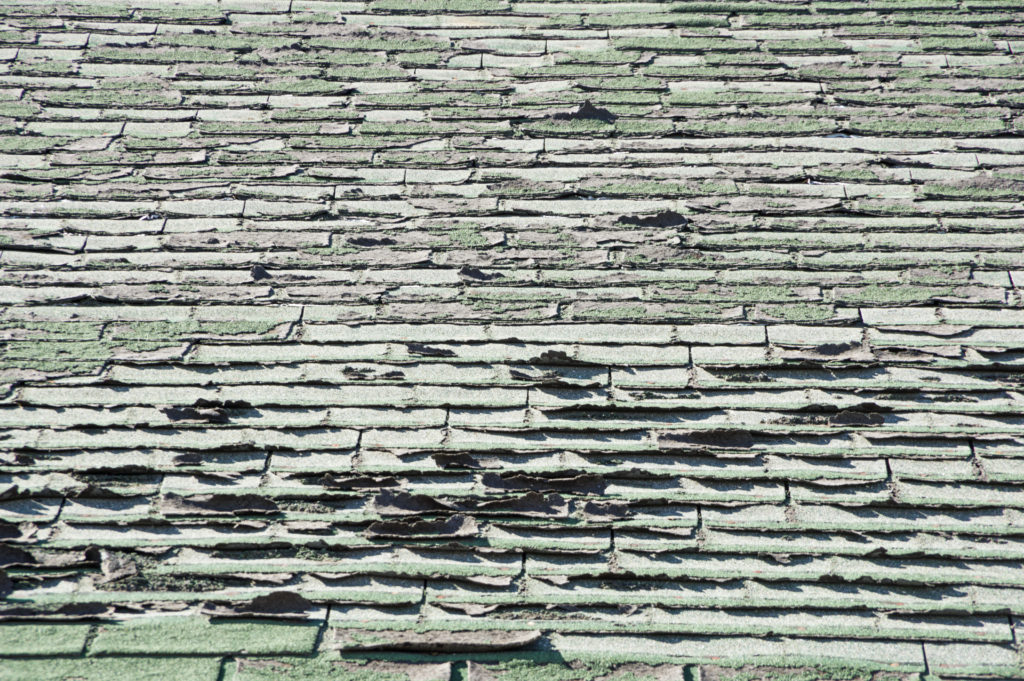
Excessive granule loss from asphalt shingles is another sign that your roof may need replacing. While it’s normal for new shingles to shed some granules, losing a large amount indicates that the shingles are aging and their effectiveness in protecting your home is diminishing. Granules play a critical role in protecting the asphalt from UV rays and weathering. Once they fall off, the shingles begin to deteriorate at a faster rate. If you start noticing granules in your gutters or downspouts, it’s a sign to evaluate the overall health of your roof.
Lastly, sagging is a serious symptom of structural issues, either due to long-term water damage or inadequate support structures. A sagging roof is often a result of excessive weight, which could be caused by layers of roofing materials from multiple re-roofing jobs or, in colder climates, the heavy load of snow accumulation. It can also indicate a deterioration of the decking or supports in the attic. Sagging is a significant concern that requires immediate action, as it poses a potential safety risk. In such cases, a roof replacement is not just necessary but urgent to ensure the structural integrity of the entire home.
Roofing Service
The Right Roofing Material for Your Home
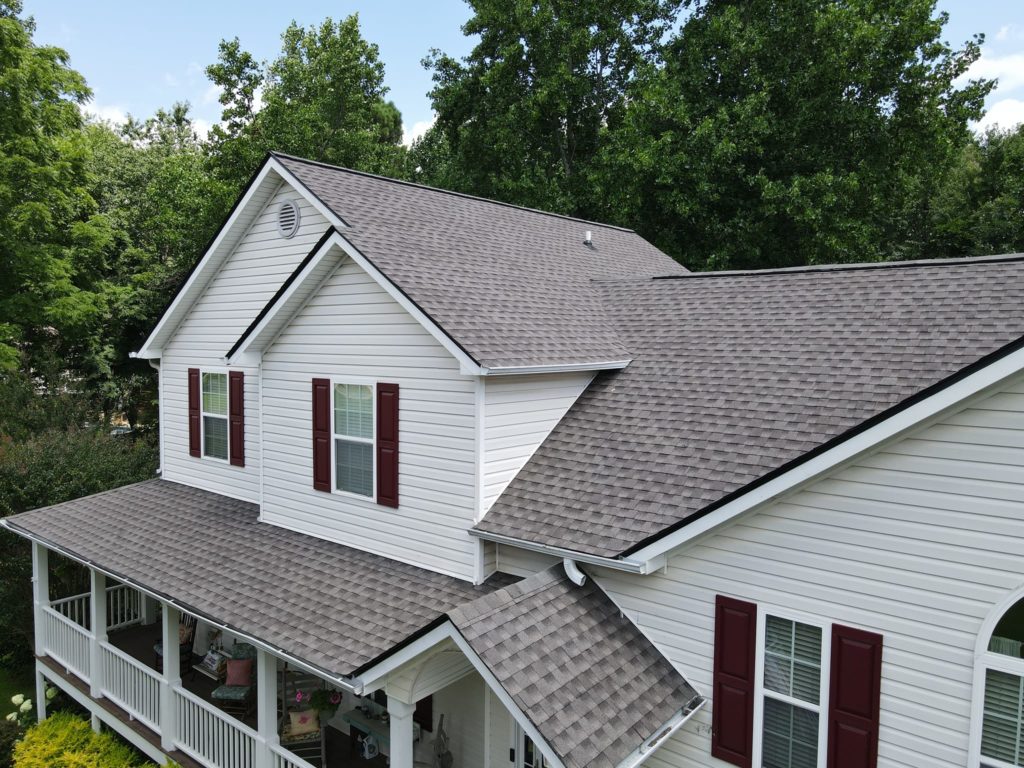
Choosing the right roofing material for your home is a critical decision that affects not only the aesthetics and curb appeal of your property but also its durability, energy efficiency, and maintenance requirements. Asphalt shingles stand out as one of the most popular choices due to their cost-effectiveness, ease of installation, and versatility in design. They are suitable for a wide range of climates and architectural styles, making them a go-to option for many homeowners. Additionally, modern advancements have led to the development of architectural asphalt shingles, which offer improved durability and a more dimensional appearance compared to traditional three-tab shingles.
Metal roofing has gained significant traction among homeowners looking for longevity, sustainability, and energy efficiency. Metal roofs can last up to 50 years or more with minimal maintenance, reflecting sunlight to reduce cooling costs during hot weather. Available in a variety of materials such as steel, aluminum, and copper, metal roofing offers a range of aesthetic options, including panels and tiles that can mimic traditional shingles, wood shakes, or even clay tiles. Its resistance to fire, wind, and impact makes it an excellent choice for areas prone to severe weather conditions.
Wood shakes and shingles provide a natural, rustic aesthetic that appeals to homeowners seeking a traditional look with character. Made from cedar, redwood, or pine, wood roofing offers natural insulation properties and is biodegradable at the end of its life cycle. However, it requires more maintenance than other materials to prevent moss, mold, and decay, and it may not be the best choice in regions with high fire risk unless treated with fire-resistant coatings. Despite these considerations, wood shakes and shingles remain beloved for their beauty and natural appeal.
Clay and concrete tiles are favored for their durability and distinctive style, particularly in Mediterranean, Spanish, and Southwestern architecture. Clay tiles can last over 100 years with proper maintenance, offering excellent resistance to fire, rot, and insect damage. Concrete tiles provide a similar aesthetic at a lower cost, though they are heavier and may require additional structural support. Both materials excel in hot, dry climates by helping to keep homes cooler, though they can be susceptible to damage from freeze-thaw cycles in colder regions.
Slate roofing is the epitome of longevity and elegance, with a lifespan that can exceed 100 years. Its natural stone appearance adds timeless sophistication to any home, while its resistance to fire, mold, and frost makes it a highly durable option. However, slate’s weight and the expertise required for installation often result in higher costs, making it a premium choice for those willing to invest in its lasting beauty. For those seeking eco-friendly alternatives, synthetic roofing products and green roofing (living roofs) offer innovative solutions. Synthetic materials, made from rubber and plastic, are designed to replicate the look of wood, slate, or clay tiles, providing a lightweight and durable option with less environmental impact.
The Importance of Choosing the Right Contractor
Choosing the right contractor for your home roof replacement is a decision that homeowners should approach with diligence and care. The integrity of your roof is vital to the overall protection, efficiency, and aesthetic appeal of your home. Starting with thorough research of local companies is an essential first step. This involves not just looking up available services online but also seeking recommendations from friends, family, and neighbors who have undergone similar projects. Local contractors are more likely to be familiar with regional weather conditions and building codes, which can significantly impact the quality and longevity of your roof replacement.
Verifying licensure and insurance is another critical factor in selecting the right contractor for your roof replacement project. A licensed roofing contractor has met the necessary standards and qualifications required by your state or local authorities, providing a basic level of trust and competence in their work. Equally important is ensuring that the contractor carries adequate insurance, including liability and worker’s compensation. This protects you, the homeowner, from potential legal and financial liabilities in the event of accidents or damages during the project. Asking for proof of licensure and insurance and verifying their validity offers peace of mind and security in your choice of contractor.
Getting multiple estimates from different contractors is a wise strategy that allows homeowners to compare pricing, materials, and project timelines. It’s not just about finding the lowest bid but understanding the value and quality behind each estimate. Detailed estimates should clearly outline the scope of work, types of materials to be used, labor costs, and any additional fees. This process helps homeowners gauge the market rate for their project and identify any outliers that may indicate subpar materials or services. Remember, the cheapest option is not always the best when it comes to long-term durability and satisfaction.
Asking the right questions during initial consultations or interviews with potential contractors can reveal a lot about their experience, work ethic, and reliability. Inquire about their experience with roof replacements, particularly with materials similar to those you’re considering. Ask for references from previous clients and examples of recent projects. Questions about project management, such as who will oversee the work, how disruptions will be minimized, and how waste will be handled, can also provide insight into the contractor’s professionalism and attention to detail.
Finally, reviewing the contract thoroughly before signing is imperative. A well-drafted contract should include detailed information on all aspects of the project, including a clear timeline, payment schedule, warranty details, and provisions for unforeseen issues. Make sure that everything discussed and promised during the estimate and negotiation phases is reflected accurately in the contract. Don’t hesitate to ask for clarifications or modifications if something doesn’t seem right.
New Roof Replacement
The Cost of Roof Replacement
The cost of roof replacement can be a significant investment for any homeowner. It’s essential to approach this necessity with a comprehensive understanding and consideration of the various financing options available. Many homeowners might not have the upfront cash required for such a substantial project, but thankfully, there are alternatives. Financing through home equity loans, personal loans, or even specialized roofing loans can offer manageable payment plans. These financial products often come with competitive interest rates and terms, allowing homeowners to spread the cost over several years. It’s crucial, however, to carefully evaluate these options, considering the interest rates and repayment terms, to ensure they align with your financial situation.
Understanding the quote provided by roofing contractors is another critical aspect of the roof replacement process. A detailed quote should include not just the cost, but also a breakdown of the materials to be used, labor costs, and any additional fees that may arise during the project. This transparency allows homeowners to understand exactly what they’re paying for and helps in comparing different contractors more effectively. It’s advisable to request quotes from multiple providers to gauge the market rate for the project. Moreover, understanding the components of the quote can also assist homeowners in identifying areas where they might be able to reduce costs without compromising on quality.
However, while trying to minimize expenses, homeowners should be wary of low bids. An exceptionally low quote compared to others can be a red flag indicating potential compromises in material quality or workmanship. While it’s understandable to seek cost savings, it’s essential to consider the long-term implications of choosing a contractor based solely on price. Inferior materials or poor installation can lead to premature failures, necessitating costly repairs or even another replacement much sooner than expected. It’s critical to balance affordability with quality and reliability to ensure the investment in a new roof stands the test of time.
The Replacement Process and What to Expect
The roof replacement process begins with thorough preparation, which is crucial for ensuring a smooth and efficient project. Homeowners should expect the roofing contractor to perform an initial assessment of the existing roof to determine the scope of work required. During this phase, homeowners need to clear the surrounding area of any personal belongings to prevent damage and provide easy access to the work site. The contractor will also take this time to order materials, schedule the project, and set up any necessary safety measures. Preparation may also involve obtaining permits from local authorities to ensure the project complies with building codes and regulations.
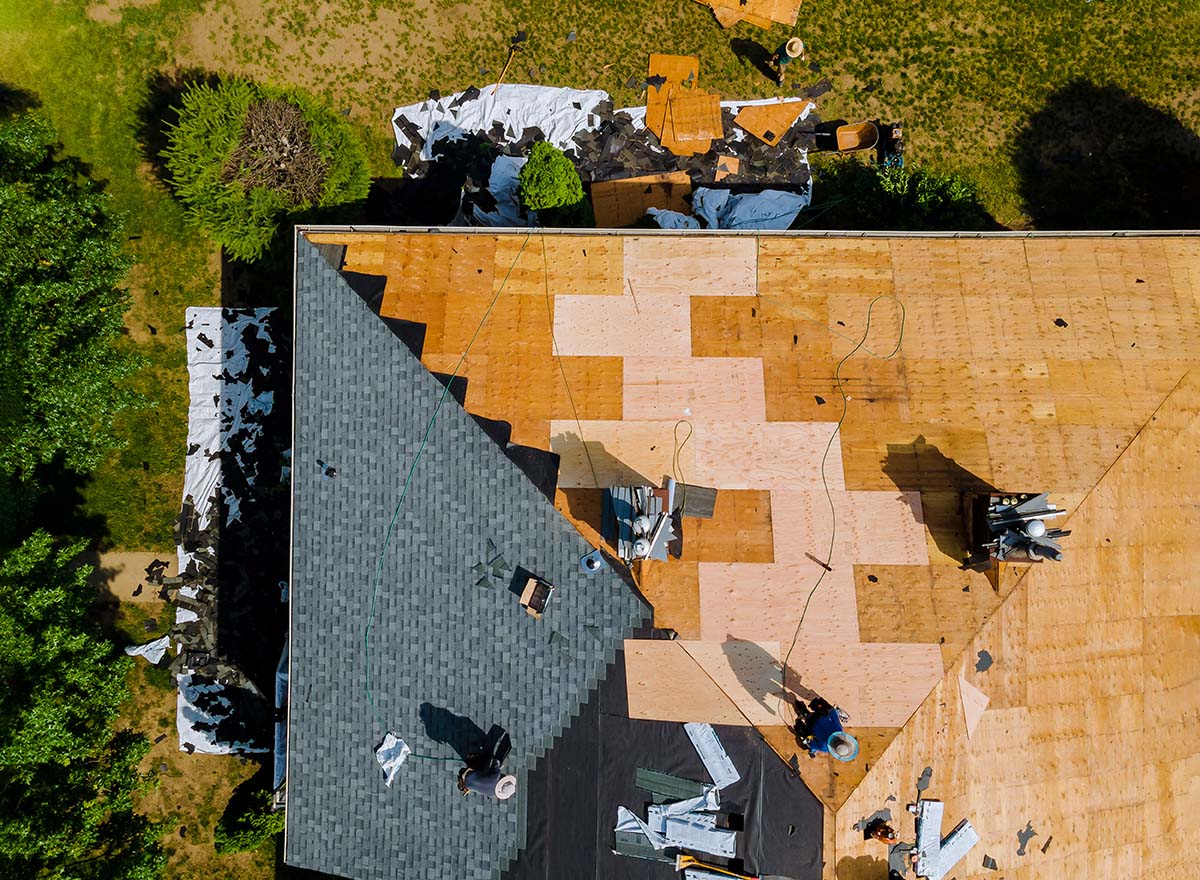
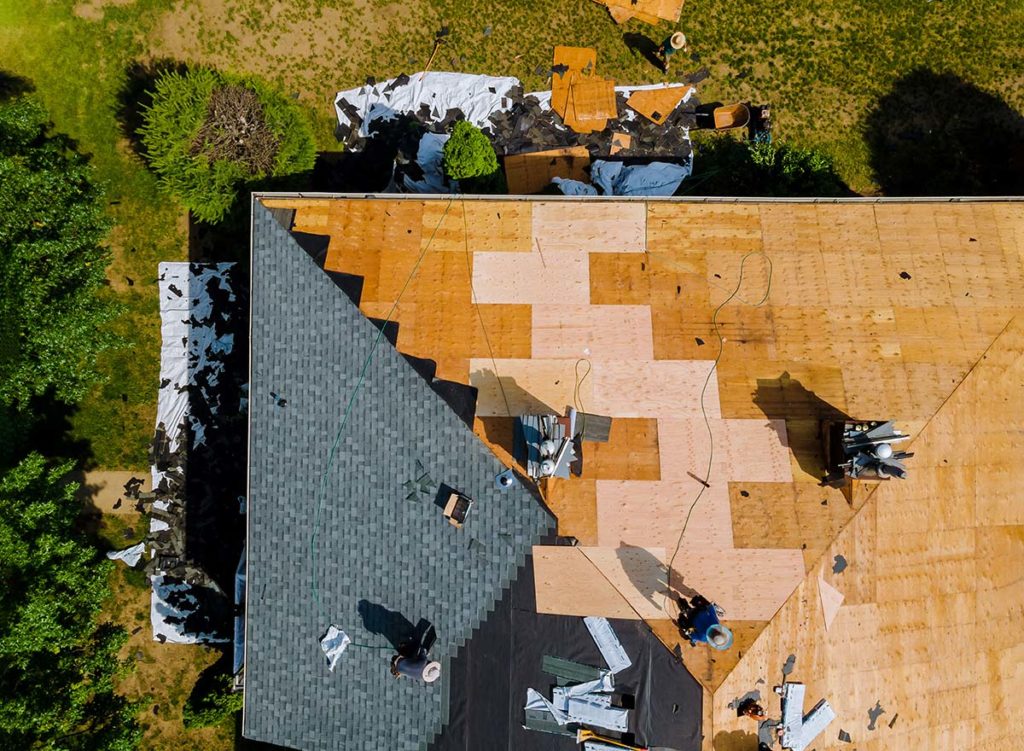
Following preparation, the installation phase commences, which is the core of the roof replacement process. This stage involves the removal of the old roofing materials, a task that can be noisy and disruptive. Once the old materials are removed, the roofing team will inspect the underlying structure for damage or decay, making repairs as needed. The installation of new roofing materials then proceeds according to the chosen type of roof. Homeowners should expect this phase to vary in duration based on the size of the roof and the complexity of the project, but experienced contractors will strive to minimize disruptions.
Inspections play a pivotal role in the roof replacement process, ensuring that the work meets specific standards and regulations. Local building inspectors may visit the site at various stages of the project to examine the work and verify that it complies with local building codes. These inspections are essential for the homeowner’s peace of mind, as they certify the roof’s integrity and safety. Additionally, the roofing contractor will conduct their inspections to guarantee the quality of their workmanship and that the installation aligns with industry best practices.
The final walk-through is the concluding step of the roof replacement process. This is an opportunity for the homeowner and the contractor to review the completed work together. The contractor will explain the details of the installation, discuss maintenance and care for the new roof, and address any questions or concerns the homeowner may have. This step is essential for ensuring the homeowner’s satisfaction with the project and for the contractor to confirm that all aspects of the work meet or exceed expectations. It’s also the time when any remaining paperwork, such as warranties and final payments, is finalized, marking the successful completion of the roof replacement project.
Residential Roof Contractors Near Me
Maintaining Your New Roof
Maintaining your new roof is crucial to extending its lifespan and ensuring it continues to protect your home effectively. Regular inspections play a vital role in this maintenance routine. It is recommended that homeowners schedule professional inspections at least once a year or after significant weather events. These inspections can identify potential issues before they escalate into serious problems, such as missing shingles, damaged flashing, or signs of water damage. Early detection of these issues allows for timely interventions, thereby preserving the integrity of the roof and preventing costly repairs in the future.
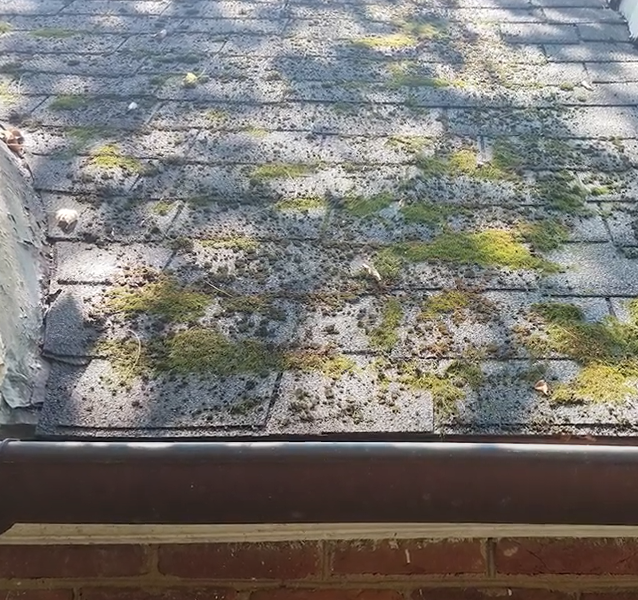
Cleaning your roof is another essential aspect of maintenance that should not be overlooked. Over time, roofs can accumulate debris, such as leaves, twigs, and dirt, which can retain moisture and lead to the growth of moss and algae. These elements can weaken the roofing materials and reduce the roof’s lifespan. By keeping the roof clean and free of debris, homeowners can prevent water buildup and ensure the roof continues to function optimally. Additionally, cleaning gutters and downspouts regularly ensures proper drainage, further protecting the roof from potential water damage.
Ensuring proper ventilation is critical to maintaining the health of your new roof. Adequate ventilation prevents the buildup of heat and moisture in the attic, which can cause the roofing materials to deteriorate prematurely and reduce the effectiveness of insulation. This can lead to issues such as warped decking, mold growth, and higher energy costs. Homeowners should ensure that their roofing system includes sufficient intake and exhaust vents to facilitate the continuous flow of air. This not only protects the roof but also contributes to a more comfortable and energy-efficient home.
Immediate repairs are essential for maintaining the integrity of your new roof. Even minor damage, if left unattended, can lead to significant problems over time. Homeowners should act swiftly to address any issues identified during inspections or as soon as they become aware of them. This includes replacing missing or damaged shingles, sealing leaks, and repairing damaged flashing. Prompt attention to repairs prevents the escalation of damage and helps maintain the roof’s structural integrity. By adopting a proactive approach to maintenance, homeowners can ensure their new roof remains in excellent condition, providing reliable protection for their homes for years to come.
Conclusion
In conclusion, the roof replacement process involves various steps that are critical to ensuring a successful and long-lasting result. From preparation to final inspection, each stage is essential in guaranteeing the quality of workmanship and compliance with building codes. Homeowners play an active role in this process by preparing their property, communicating with the contractor, and maintaining their new roof regularly. By following these guidelines, homeowners can enjoy the benefits of a durable and functional roof that enhances their home’s appearance and value. So, it is crucial to stay on top of maintenance and address any issues promptly to protect your investment in a new roof. With proper care, your new roof will provide reliable protection for many years to come.
Whether you’re a homeowner looking for roof replacement, repair, or maintenance services or a business owner in need of an installation team to carry out large-scale projects – finding the best roofing company near me is essential. With so many options available at your fingertips, choosing the right contractor can be overwhelming and time-consuming. From researching customer satisfaction ratings to seeking out local reviews from people in your area – there are several factors that come into play when selecting a trustworthy and reliable roofer. In this blog post, we explore everything you need to know about picking the perfect roofing partner for all your needs.
Best Roofing Company Near Me
Research Roofing Companies in Your Area and Read Reviews from Other Customers
When it comes to finding the right roofing company, there’s nothing quite like reading reviews from other customers. Not only can this give you a sense of the level of service a company provides, but it can also help you avoid any potential red flags. From a company’s timeliness and professionalism to the quality of their work, customer reviews are a valuable tool for making an informed decision about who should be handling your roofing needs. So whether you’re in need of a repair or looking for a full roofing replacement, take the time to research companies in your area and read those customer reviews. It could save you a lot of headaches in the long run.
Ask for a Free Estimate of the Cost of the Project
When it comes to finding the right roofing company for your project, one of the most important factors is cost. You want to make sure you’re getting the best value for your money, without sacrificing quality or safety. That’s why it’s essential to ask for a free estimate of the cost of the project before making any decisions. This will give you a better idea of what to expect in terms of expenses and can help you budget accordingly. Don’t be afraid to ask questions or seek clarification if anything seems unclear. A reputable roofing company will be happy to work with you to ensure that you are fully informed every step of the way.
Best Roofing Company
Get Several Quotes from Different Local Roofing Companies to Compare Prices
When it comes to repairing or replacing your roof, it’s important to do your research and get quotes from multiple local roofing companies. This not only helps you compare prices, but it also ensures you’re getting the best quality of work for your money. Each roofing company has its own unique approach and pricing structure, so it’s essential to do your due diligence. By reaching out to different companies, you’ll be able to weigh your options and make an informed decision that’s right for you and your home. Remember, the cheapest quote may not always be the best option, so take your time and carefully consider all of the factors before making a final decision.
Make Sure the Company is Licensed and Insured, as well as Experienced in your Particular Type of Roofing Work
When it comes to hiring a company for your roofing needs, there are a few things to keep in mind. First and foremost, it’s important to make sure that the company you’re considering is licensed and insured. This will not only protect you in the event of any accidents or damages, but it also shows that the company is legitimate and takes their work seriously. Additionally, it’s crucial to find a company that has experience in the specific type of roofing work you require. Whether you need repairs or a whole new roof installation, you want to ensure that the company you choose knows exactly what they’re doing and has a track record of success in your particular area of need. Don’t settle for anything less than excellence when it comes to your roofing needs – with a licensed, insured, and experienced company, you can rest easy knowing that your project is in good hands.
Check References from Past Customers or Look for Photos of Their Previous Projects Online
When it comes to finding the right roofing company, you want to make sure they have a track record of delivering quality work and excellent customer service. A good way to check is by asking for references and also reading online reviews from past customers or looking for photos online of projects they’ve completed in the past. This will give you an idea of how experienced and reliable the company is, as well as how well they’ve done on similar projects. Additionally, you can also reach out to the local Better Business Bureau to find any complaints or warnings about the contractor in question. Taking these steps will help ensure that you’re working with a reputable and trustworthy company for all your roofing needs.
Consider the Materials Used by the Company, such as Shingles and Underlayment, to Ensure they are Top Quality
When it comes to choosing a company for roofing services, it’s important to consider the materials they use. After all, a roof is a major investment in your property, and you want to ensure it will last for years to come. That’s why it’s crucial to look for a company that uses top-quality materials, such as shingles and underlayment. Not only will this ensure the longevity of your roof, but it can also increase the value of your home. So, before hiring any roofing company, be sure to do your research and ask about the materials they use. Your roof (and your wallet) will thank you in the long run.
Finding a trustworthy and reliable roofer doesn’t have to be stressful. By following these tips, you can be sure to make the best decision for all your roofing needs. From researching local companies to asking about materials used, it’s essential to take the time to do your due diligence in order to find a contractor that is both experienced and affordable. With some research and a bit of patience, you can be sure to have the perfect roofer for your project – one who will provide top-notch work and excellent customer service. Good luck in your search!
Embarking on the journey to replace your roof is no small feat. It’s a decision that not only impacts the aesthetic appeal of your home but also its safety, energy efficiency, and overall value. With the myriad of options available, navigating through the sea of roofing materials, contractors, and warranties can feel like an overwhelming odyssey. But fear not! In this ultimate guide, we’re going to demystify the process, offering you a compass to navigate the vast landscape of roof replacement options. Whether you’re looking for durability that stands the test of time, eco-friendly alternatives that speak to your green heart, or cost-effective solutions that won’t break the bank, we have you covered. So, buckle up and prepare for a journey that will not only enlighten you with the knowledge to make informed decisions but also transform your home into the envy of the neighborhood. Welcome to “The Ultimate Guide to Finding the Best Roof Replacement Options Near Columbus OH.”
Understanding Your Roof’s Lifespan and Signs of Replacement
Understanding the lifespan of your roof is crucial in maintaining the integrity and safety of your home. Typically, a well-installed roof with quality materials can last anywhere from 20 to 50 years, depending on the type of roofing material used. Asphalt shingles, for example, are among the most common materials with a lifespan of around 20 to 30 years, while metal or tile roofs can last much longer. However, various factors such as climate conditions, maintenance practices, and ventilation can significantly impact this longevity. Being aware of your roof’s age is essential, as it helps in anticipating potential issues and planning for replacement before severe damage occurs.
Curling or missing shingles are tell-tale signs that your roof may be nearing the end of its effective life. Shingles can curl in two ways: cupping, which occurs when the edges of the shingle turn upward; and clawing, where the edges stay flat, and the middle starts to come up. Both are indicators of weathering and could point to potential leaks. Missing shingles compromise the roof’s ability to shed water and can be an entry point for water damage. These visible cues signal that the roof’s protective surface is failing and may necessitate a closer inspection to determine if a replacement is needed.
Leaks or water damage inside your home are clear indicators that your roof requires immediate attention. Often, by the time water damage becomes visible on ceilings or walls, it has already compromised the insulation and the internal structure of the roof. Regular inspections, especially after severe weather events, can help in identifying and addressing leaks early. However, persistent leaks or widespread water damage usually imply that repair might not be sufficient, and full roof replacement could be the more prudent option to prevent further structural damage to your home.
Excessive granule loss from asphalt shingles is another sign that your roof may need replacing. While it’s normal for new shingles to shed some granules, losing a large amount indicates that the shingles are aging and their effectiveness in protecting your home is diminishing. Granules play a critical role in protecting the asphalt from UV rays and weathering. Once they fall off, the shingles begin to deteriorate at a faster rate. If you start noticing granules in your gutters or downspouts, it’s a sign to evaluate the overall health of your roof.
Lastly, sagging is a serious symptom of structural issues, either due to long-term water damage or inadequate support structures. A sagging roof is often a result of excessive weight, which could be caused by layers of roofing materials from multiple re-roofing jobs or, in colder climates, the heavy load of snow accumulation. It can also indicate a deterioration of the decking or supports in the attic. Sagging is a significant concern that requires immediate action, as it poses a potential safety risk. In such cases, a roof replacement is not just necessary but urgent to ensure the structural integrity of the entire home.
Roof Replacement Services Near Me
The Right Roofing Material for Your Home
Choosing the right roofing material for your home is a critical decision that affects not only the aesthetics and curb appeal of your property but also its durability, energy efficiency, and maintenance requirements. Asphalt shingles stand out as one of the most popular choices due to their cost-effectiveness, ease of installation, and versatility in design. They are suitable for a wide range of climates and architectural styles, making them a go-to option for many homeowners. Additionally, modern advancements have led to the development of architectural asphalt shingles, which offer improved durability and a more dimensional appearance compared to traditional three-tab shingles.
Metal roofing has gained significant traction among homeowners looking for longevity, sustainability, and energy efficiency. Metal roofs can last up to 50 years or more with minimal maintenance, reflecting sunlight to reduce cooling costs during hot weather. Available in a variety of materials such as steel, aluminum, and copper, metal roofing offers a range of aesthetic options, including panels and tiles that can mimic traditional shingles, wood shakes, or even clay tiles. Its resistance to fire, wind, and impact makes it an excellent choice for areas prone to severe weather conditions.
Wood shakes and shingles provide a natural, rustic aesthetic that appeals to homeowners seeking a traditional look with character. Made from cedar, redwood, or pine, wood roofing offers natural insulation properties and is biodegradable at the end of its life cycle. However, it requires more maintenance than other materials to prevent moss, mold, and decay, and it may not be the best choice in regions with high fire risk unless treated with fire-resistant coatings. Despite these considerations, wood shakes and shingles remain beloved for their beauty and natural appeal.
Clay and concrete tiles are favored for their durability and distinctive style, particularly in Mediterranean, Spanish, and Southwestern architecture. Clay tiles can last over 100 years with proper maintenance, offering excellent resistance to fire, rot, and insect damage. Concrete tiles provide a similar aesthetic at a lower cost, though they are heavier and may require additional structural support. Both materials excel in hot, dry climates by helping to keep homes cooler, though they can be susceptible to damage from freeze-thaw cycles in colder regions.
Slate roofing is the epitome of longevity and elegance, with a lifespan that can exceed 100 years. Its natural stone appearance adds timeless sophistication to any home, while its resistance to fire, mold, and frost makes it a highly durable option. However, slate’s weight and the expertise required for installation often result in higher costs, making it a premium choice for those willing to invest in its lasting beauty. For those seeking eco-friendly alternatives, synthetic roofing products and green roofing (living roofs) offer innovative solutions. Synthetic materials, made from rubber and plastic, are designed to replicate the look of wood, slate, or clay tiles, providing a lightweight and durable option with less environmental impact.
The Importance of Choosing the Right Contractor
Choosing the right contractor for your home roof replacement is a decision that homeowners should approach with diligence and care. The integrity of your roof is vital to the overall protection, efficiency, and aesthetic appeal of your home. Starting with thorough research of local companies is an essential first step. This involves not just looking up available services online but also seeking recommendations from friends, family, and neighbors who have undergone similar projects. Local roof contractors are more likely to be familiar with regional weather conditions and building codes, which can significantly impact the quality and longevity of your roof replacement.
Verifying licensure and insurance is another critical factor in selecting the right contractor for your roof replacement project. A licensed roofing contractor has met the necessary standards and qualifications required by your state or local authorities, providing a basic level of trust and competence in their work. Equally important is ensuring that the contractor carries adequate insurance, including liability and worker’s compensation. This protects you, the homeowner, from potential legal and financial liabilities in the event of accidents or damages during the project. Asking for proof of licensure and insurance and verifying their validity offers peace of mind and security in your choice of contractor.
Getting multiple estimates from different contractors is a wise strategy that allows homeowners to compare pricing, materials, and project timelines. It’s not just about finding the lowest bid but understanding the value and quality behind each estimate. Detailed estimates should clearly outline the scope of work, types of materials to be used, labor costs, and any additional fees. This process helps homeowners gauge the market rate for their project and identify any outliers that may indicate subpar materials or services. Remember, the cheapest option is not always the best when it comes to long-term durability and satisfaction.
Asking the right questions during initial consultations or interviews with potential contractors can reveal a lot about their experience, work ethic, and reliability. Inquire about their experience with roof replacements, particularly with materials similar to those you’re considering. Ask for references from previous clients and examples of recent projects. Questions about project management, such as who will oversee the work, how disruptions will be minimized, and how waste will be handled, can also provide insight into the contractor’s professionalism and attention to detail.
Finally, reviewing the contract thoroughly before signing is imperative. A well-drafted contract should include detailed information on all aspects of the project, including a clear timeline, payment schedule, warranty details, and provisions for unforeseen issues. Make sure that everything discussed and promised during the estimate and negotiation phases is reflected accurately in the contract. Don’t hesitate to ask for clarifications or modifications if something doesn’t seem right.
Roof Replacement and Maintenance
The Cost of Roof Replacement
The cost of roof replacement can be a significant investment for any homeowner. It’s essential to approach this necessity with a comprehensive understanding and consideration of the various financing options available. Many homeowners might not have the upfront cash required for such a substantial project, but thankfully, there are alternatives. Financing through home equity loans, personal loans, or even specialized roofing loans can offer manageable payment plans. These financial products often come with competitive interest rates and terms, allowing homeowners to spread the cost over several years. It’s crucial, however, to carefully evaluate these options, considering the interest rates and repayment terms, to ensure they align with your financial situation.
Understanding the quote provided by roofing contractors is another critical aspect of the roof replacement process. A detailed quote should include not just the cost, but also a breakdown of the materials to be used, labor costs, and any additional fees that may arise during the project. This transparency allows homeowners to understand exactly what they’re paying for and helps in comparing different contractors more effectively. It’s advisable to request quotes from multiple providers to gauge the market rate for the project. Moreover, understanding the components of the quote can also assist homeowners in identifying areas where they might be able to reduce costs without compromising on quality.
However, while trying to minimize expenses, homeowners should be wary of low bids. An exceptionally low quote compared to others can be a red flag indicating potential compromises in material quality or workmanship. While it’s understandable to seek cost savings, it’s essential to consider the long-term implications of choosing a roofing contractor based solely on price. Inferior materials or poor installation can lead to premature failures, necessitating costly repairs or even another replacement much sooner than expected. It’s critical to balance affordability with quality and reliability to ensure the investment in a new roof stands the test of time.
The Replacement Process and What to Expect
The roof replacement process begins with thorough preparation, which is crucial for ensuring a smooth and efficient project. Homeowners should expect the roofing contractor to perform an initial assessment of the existing roof to determine the scope of work required. During this phase, homeowners need to clear the surrounding area of any personal belongings to prevent damage and provide easy access to the work site. The contractor will also take this time to order roof materials, schedule the project, and set up any necessary safety measures. Preparation may also involve obtaining permits from local authorities to ensure the project complies with building codes and regulations.
Following preparation, the installation phase commences, which is the core of the roof replacement process. This stage involves the removal of the old roofing materials, a task that can be noisy and disruptive. Once the old materials are removed, the roofing team will inspect the underlying structure for damage or decay, making repairs as needed. The installation of new roofing materials then proceeds according to the chosen type of roof. Homeowners should expect this phase to vary in duration based on the size of the roof and the complexity of the project, but experienced contractors will strive to minimize disruptions.
Inspections play a pivotal role in the roof replacement process, ensuring that the work meets specific standards and regulations. Local building inspectors may visit the site at various stages of the project to examine the work and verify that it complies with local building codes. These inspections are essential for the homeowner’s peace of mind, as they certify the roof’s integrity and safety. Additionally, the roofing contractor will conduct their inspections to guarantee the quality of their workmanship and that the installation aligns with industry best practices.
The final walk-through is the concluding step of the roof replacement process. This is an opportunity for the homeowner and the contractor to review the completed work together. The contractor will explain the details of the installation, discuss maintenance and care for the new roof, and address any questions or concerns the homeowner may have. This step is essential for ensuring the homeowner’s satisfaction with the project and for the contractor to confirm that all aspects of the work meet or exceed expectations. It’s also the time when any remaining paperwork, such as warranties and final payments, is finalized, marking the successful completion of the roof replacement project.
Metal Roofing Professionals
Maintaining Your New Roof
Maintaining your new roof is crucial to extending its lifespan and ensuring it continues to protect your home effectively. Regular inspections play a vital role in this maintenance routine. It is recommended that homeowners schedule professional inspections at least once a year or after significant weather events. These inspections can identify potential issues before they escalate into serious problems, such as missing shingles, damaged flashing, or signs of water damage. Early detection of these issues allows for timely interventions, thereby preserving the integrity of the roof and preventing costly repairs in the future.
Cleaning your roof is another essential aspect of maintenance that should not be overlooked. Over time, roofs can accumulate debris, such as leaves, twigs, and dirt, which can retain moisture and lead to the growth of moss and algae. These elements can weaken the roofing materials and reduce the roof’s lifespan. By keeping the roof clean and free of debris, homeowners can prevent water buildup and ensure the roof continues to function optimally. Additionally, cleaning gutters and downspouts regularly ensures proper drainage, further protecting the roof from potential water damage.
Ensuring proper ventilation is critical to maintaining the health of your new roof. Adequate ventilation prevents the buildup of heat and moisture in the attic, which can cause the roofing materials to deteriorate prematurely and reduce the effectiveness of insulation. This can lead to issues such as warped decking, mold growth, and higher energy costs. Homeowners should ensure that their roofing system includes sufficient intake and exhaust vents to facilitate the continuous flow of air. This not only protects the roof but also contributes to a more comfortable and energy-efficient home.
Immediate repairs are essential for maintaining the integrity of your new roof. Even minor damage, if left unattended, can lead to significant problems over time. Homeowners should act swiftly to address any issues identified during inspections or as soon as they become aware of them. This includes replacing missing or damaged shingles, sealing leaks, and repairing damaged flashing. Prompt attention to repairs prevents the escalation of damage and helps maintain the roof’s structural integrity. By adopting a proactive approach to maintenance, homeowners can ensure their new roof remains in excellent condition, providing reliable protection for their homes for years to come.
Conclusion
In conclusion, the roof replacement process involves various steps that are critical to ensuring a successful and long-lasting result. From preparation to final inspection, each stage is essential in guaranteeing the quality of workmanship and compliance with building codes. Homeowners play an active role in this process by preparing their property, communicating with the contractor, and maintaining their new roof regularly. By following these guidelines, homeowners can enjoy the benefits of a durable and functional roof that enhances their home’s appearance and value. So, it is crucial to stay on top of maintenance and address any issues promptly to protect your investment in a new roof. With proper care, your new roof will provide reliable protection for many years to come.
Embarking on the journey to replace your roof is no small feat. It’s a decision that not only impacts the aesthetic appeal of your home but also its safety, energy efficiency, and overall value near Cleveland OH. With the myriad of options available, navigating through the sea of roofing materials, contractors, and warranties can feel like an overwhelming odyssey. But fear not! In this ultimate guide, we’re going to demystify the process, offering you a compass to navigate the vast landscape of roof replacement options. Whether you’re looking for durability that stands the test of time, eco-friendly alternatives that speak to your green heart, or cost-effective solutions that won’t break the bank, we have you covered. So, buckle up and prepare for a journey that will not only enlighten you with the knowledge to make informed decisions but also transform your home into the envy of the neighborhood. Welcome to “The Ultimate Guide to Finding the Best Roof Replacement Options.”
Understanding Your Roof’s Lifespan and Signs of Replacement
Understanding the lifespan of your roof is crucial in maintaining the integrity and safety of your home. Typically, a well-installed roof with quality materials can last anywhere from 20 to 50 years, depending on the type of roofing material used. Asphalt shingles, for example, are among the most common materials with a lifespan of around 20 to 30 years, while metal or tile roofs can last much longer. However, various factors such as climate conditions, maintenance practices, and ventilation can significantly impact this longevity. Being aware of your roof’s age is essential, as it helps in anticipating potential issues and planning for replacement before severe damage occurs.
Curling or missing shingles are tell-tale signs that your roof may be nearing the end of its effective life. Shingles can curl in two ways: cupping, which occurs when the edges of the shingle turn upward; and clawing, where the edges stay flat, and the middle starts to come up. Both are indicators of weathering and could point to potential leaks. Missing shingles compromise the roof’s ability to shed water and can be an entry point for water damage. These visible cues signal that the roof’s protective surface is failing and may necessitate a closer inspection to determine if a replacement is needed.
Leaks or water damage inside your home are clear indicators that your roof requires immediate attention. Often, by the time water damage becomes visible on ceilings or walls, it has already compromised the insulation and the internal structure of the roof. Regular inspections, especially after severe weather events, can help in identifying and addressing leaks early. However, persistent leaks or widespread water damage usually imply that repair might not be sufficient, and full roof replacement could be the more prudent option to prevent further structural damage to your home.
Excessive granule loss from asphalt shingles is another sign that your roof may need replacing. While it’s normal for new shingles to shed some granules, losing a large amount indicates that the shingles are aging and their effectiveness in protecting your home is diminishing. Granules play a critical role in protecting the asphalt from UV rays and weathering. Once they fall off, the shingles begin to deteriorate at a faster rate. If you start noticing granules in your gutters or downspouts, it’s a sign to evaluate the overall health of your roof.
Lastly, sagging is a serious symptom of structural issues, either due to long-term water damage or inadequate support structures. A sagging roof is often a result of excessive weight, which could be caused by layers of roofing materials from multiple re-roofing jobs or, in colder climates, the heavy load of snow accumulation. It can also indicate a deterioration of the decking or supports in the attic. Sagging is a significant concern that requires immediate action, as it poses a potential safety risk. In such cases, a roof replacement is not just necessary but urgent to ensure the structural integrity of the entire home.
Roof Cleaning Services
The Right Roofing Material for Your Home
Choosing the right roofing material for your home is a critical decision that affects not only the aesthetics and curb appeal of your property but also its durability, energy efficiency, and maintenance requirements. Asphalt shingles stand out as one of the most popular choices due to their cost-effectiveness, ease of installation, and versatility in design. They are suitable for a wide range of climates and architectural styles, making them a go-to option for many homeowners. Additionally, modern advancements have led to the development of architectural asphalt shingles, which offer improved durability and a more dimensional appearance compared to traditional three-tab shingles.
Metal roofing has gained significant traction among homeowners looking for longevity, sustainability, and energy efficiency. Metal roofs can last up to 50 years or more with minimal maintenance, reflecting sunlight to reduce cooling costs during hot weather. Available in a variety of materials such as steel, aluminum, and copper, metal roofing offers a range of aesthetic options, including panels and tiles that can mimic traditional shingles, wood shakes, or even clay tiles. Its resistance to fire, wind, and impact makes it an excellent choice for areas prone to severe weather conditions.
Wood shakes and shingles provide a natural, rustic aesthetic that appeals to homeowners seeking a traditional look with character. Made from cedar, redwood, or pine, wood roofing offers natural insulation properties and is biodegradable at the end of its life cycle. However, it requires more maintenance than other materials to prevent moss, mold, and decay, and it may not be the best choice in regions with high fire risk unless treated with fire-resistant coatings. Despite these considerations, wood shakes and shingles remain beloved for their beauty and natural appeal.
Clay and concrete tiles are favored for their durability and distinctive style, particularly in Mediterranean, Spanish, and Southwestern architecture. Clay tiles can last over 100 years with proper maintenance, offering excellent resistance to fire, rot, and insect damage. Concrete tiles provide a similar aesthetic at a lower cost, though they are heavier and may require additional structural support. Both materials excel in hot, dry climates by helping to keep homes cooler, though they can be susceptible to damage from freeze-thaw cycles in colder regions.
Slate roofing is the epitome of longevity and elegance, with a lifespan that can exceed 100 years. Its natural stone appearance adds timeless sophistication to any home, while its resistance to fire, mold, and frost makes it a highly durable option. However, slate’s weight and the expertise required for installation often result in higher costs, making it a premium choice for those willing to invest in its lasting beauty. For those seeking eco-friendly alternatives, synthetic roofing products and green roofing (living roofs) offer innovative solutions. Synthetic materials, made from rubber and plastic, are designed to replicate the look of wood, slate, or clay tiles, providing a lightweight and durable option with less environmental impact.
The Importance of Choosing the Right Contractor
Choosing the right contractor for your home roof replacement is a decision that homeowners should approach with diligence and care. The integrity of your roof is vital to the overall protection, efficiency, and aesthetic appeal of your home. Starting with thorough research of local companies is an essential first step. This involves not just looking up available services online but also seeking recommendations from friends, family, and neighbors who have undergone similar projects. Local roof contractors are more likely to be familiar with regional weather conditions and building codes, which can significantly impact the quality and longevity of your roof replacement.
Verifying licensure and insurance is another critical factor in selecting the right contractor for your roof replacement project. A licensed roofing contractor has met the necessary standards and qualifications required by your state or local authorities, providing a basic level of trust and competence in their work. Equally important is ensuring that the contractor carries adequate insurance, including liability and worker’s compensation. This protects you, the homeowner, from potential legal and financial liabilities in the event of accidents or damages during the project. Asking for proof of licensure and insurance and verifying their validity offers peace of mind and security in your choice of contractor.
Getting multiple estimates from different contractors is a wise strategy that allows homeowners to compare pricing, materials, and project timelines. It’s not just about finding the lowest bid but understanding the value and quality behind each estimate. Detailed estimates should clearly outline the scope of work, types of materials to be used, labor costs, and any additional fees. This process helps homeowners gauge the market rate for their project and identify any outliers that may indicate subpar materials or services. Remember, the cheapest option is not always the best when it comes to long-term durability and satisfaction.
Asking the right questions during initial consultations or interviews with potential contractors can reveal a lot about their experience, work ethic, and reliability. Inquire about their experience with roof replacements, particularly with materials similar to those you’re considering. Ask for references from previous clients and examples of recent projects. Questions about project management, such as who will oversee the work, how disruptions will be minimized, and how waste will be handled, can also provide insight into the contractor’s professionalism and attention to detail.
Finally, reviewing the contract thoroughly before signing is imperative. A well-drafted contract should include detailed information on all aspects of the project, including a clear timeline, payment schedule, warranty details, and provisions for unforeseen issues. Make sure that everything discussed and promised during the estimate and negotiation phases is reflected accurately in the contract. Don’t hesitate to ask for clarifications or modifications if something doesn’t seem right.
Professional Roofing Service
The Cost of Roof Replacement
The cost of roof replacement can be a significant investment for any homeowner. It’s essential to approach this necessity with a comprehensive understanding and consideration of the various financing options available. Many homeowners might not have the upfront cash required for such a substantial project, but thankfully, there are alternatives. Financing through home equity loans, personal loans, or even specialized roofing loans can offer manageable payment plans. These financial products often come with competitive interest rates and terms, allowing homeowners to spread the cost over several years. It’s crucial, however, to carefully evaluate these options, considering the interest rates and repayment terms, to ensure they align with your financial situation.
Understanding the quote provided by roofing contractors is another critical aspect of the roof replacement process. A detailed quote should include not just the cost, but also a breakdown of the materials to be used, labor costs, and any additional fees that may arise during the project. This transparency allows homeowners to understand exactly what they’re paying for and helps in comparing different contractors more effectively. It’s advisable to request quotes from multiple providers to gauge the market rate for the project. Moreover, understanding the components of the quote can also assist homeowners in identifying areas where they might be able to reduce costs without compromising on quality.
However, while trying to minimize expenses, homeowners should be wary of low bids. An exceptionally low quote compared to others can be a red flag indicating potential compromises in material quality or workmanship. While it’s understandable to seek cost savings, it’s essential to consider the long-term implications of choosing a contractor based solely on price. Inferior materials or poor installation can lead to premature failures, necessitating costly repairs or even another replacement much sooner than expected. It’s critical to balance affordability with quality and reliability to ensure the investment in a new roof stands the test of time.
The Replacement Process and What to Expect
The roof replacement process begins with thorough preparation, which is crucial for ensuring a smooth and efficient project. Homeowners should expect the roofing contractor to perform an initial assessment of the existing roof to determine the scope of work required. During this phase, homeowners need to clear the surrounding area of any personal belongings to prevent damage and provide easy access to the work site. The contractor will also take this time to order roof materials, schedule the project, and set up any necessary safety measures. Preparation may also involve obtaining permits from local authorities to ensure the project complies with building codes and regulations.
Following preparation, the installation phase commences, which is the core of the roof replacement process. This stage involves the removal of the old roofing materials, a task that can be noisy and disruptive. Once the old materials are removed, the roofing team will inspect the underlying structure for damage or decay, making repairs as needed. The installation of new roofing materials then proceeds according to the chosen type of roof. Homeowners should expect this phase to vary in duration based on the size of the roof and the complexity of the project, but experienced contractors will strive to minimize disruptions.
Inspections play a pivotal role in the roof replacement process, ensuring that the work meets specific standards and regulations. Local building inspectors may visit the site at various stages of the project to examine the work and verify that it complies with local building codes. These inspections are essential for the homeowner’s peace of mind, as they certify the roof’s integrity and safety. Additionally, the roofing contractor will conduct their inspections to guarantee the quality of their workmanship and that the installation aligns with industry best practices.
The final walk-through is the concluding step of the roof replacement process. This is an opportunity for the homeowner and the contractor to review the completed work together. The contractor will explain the details of the installation, discuss maintenance and care for the new roof, and address any questions or concerns the homeowner may have. This step is essential for ensuring the homeowner’s satisfaction with the project and for the contractor to confirm that all aspects of the work meet or exceed expectations. It’s also the time when any remaining paperwork, such as warranties and final payments, is finalized, marking the successful completion of the roof replacement project.
Roofing Replacement
Maintaining Your New Roof
Maintaining your new roof is crucial to extending its lifespan and ensuring it continues to protect your home effectively. Regular inspections play a vital role in this maintenance routine. It is recommended that homeowners schedule professional inspections at least once a year or after significant weather events. These inspections can identify potential issues before they escalate into serious problems, such as missing shingles, damaged flashing, or signs of water damage. Early detection of these issues allows for timely interventions, thereby preserving the integrity of the roof and preventing costly repairs in the future.
Cleaning your roof is another essential aspect of maintenance that should not be overlooked. Over time, roofs can accumulate debris, such as leaves, twigs, and dirt, which can retain moisture and lead to the growth of moss and algae. These elements can weaken the roofing materials and reduce the roof’s lifespan. By keeping the roof clean and free of debris, homeowners can prevent water buildup and ensure the roof continues to function optimally. Additionally, cleaning gutters and downspouts regularly ensures proper drainage, further protecting the roof from potential water damage.
Ensuring proper ventilation is critical to maintaining the health of your new roof. Adequate ventilation prevents the buildup of heat and moisture in the attic, which can cause the roofing materials to deteriorate prematurely and reduce the effectiveness of insulation. This can lead to issues such as warped decking, mold growth, and higher energy costs. Homeowners should ensure that their roofing system includes sufficient intake and exhaust vents to facilitate the continuous flow of air. This not only protects the roof but also contributes to a more comfortable and energy-efficient home.
Immediate repairs are essential for maintaining the integrity of your new roof. Even minor damage, if left unattended, can lead to significant problems over time. Homeowners should act swiftly to address any issues identified during inspections or as soon as they become aware of them. This includes replacing missing or damaged shingles, sealing leaks, and repairing damaged flashing. Prompt attention to repairs prevents the escalation of damage and helps maintain the roof’s structural integrity. By adopting a proactive approach to maintenance, homeowners can ensure their new roof remains in excellent condition, providing reliable protection for their homes for years to come.
Conclusion
In conclusion, the roof replacement process involves various steps that are critical to ensuring a successful and long-lasting result. From preparation to final inspection, each stage is essential in guaranteeing the quality of workmanship and compliance with building codes. Homeowners play an active role in this process by preparing their property, communicating with the contractor, and maintaining their new roof regularly. By following these guidelines, homeowners can enjoy the benefits of a durable and functional roof that enhances their home’s appearance and value. So, it is crucial to stay on top of maintenance and address any issues promptly to protect your investment in a new roof. With proper care, your new roof will provide reliable protection for many years to come.
Embarking on the journey to replace your roof is no small feat. It’s a decision that not only impacts the aesthetic appeal of your home but also its safety, energy efficiency, and overall value. With the myriad of options available, navigating through the sea of roofing materials, contractors, and warranties can feel like an overwhelming odyssey. But fear not! In this ultimate guide, we’re going to demystify the process, offering you a compass to navigate the vast landscape of roof replacement options. Whether you’re looking for durability that stands the test of time, eco-friendly alternatives that speak to your green heart, or cost-effective solutions that won’t break the bank, we have you covered. So, buckle up and prepare for a journey that will not only enlighten you with the knowledge to make informed decisions but also transform your home into the envy of the neighborhood. Welcome to “The Ultimate Guide to Finding the Best Roof Replacement Options Near Avon OH.”
Understanding Your Roof’s Lifespan and Signs of Replacement
Understanding the lifespan of your roof is crucial in maintaining the integrity and safety of your home. Typically, a well-installed roof with quality materials can last anywhere from 20 to 50 years, depending on the type of roofing material used. Asphalt shingles, for example, are among the most common materials with a lifespan of around 20 to 30 years, while metal or tile roofs can last much longer. However, various factors such as climate conditions, maintenance practices, and ventilation can significantly impact this longevity. Being aware of your roof’s age is essential, as it helps in anticipating potential issues and planning for replacement before severe damage occurs.
Curling or missing shingles are tell-tale signs that your roof may be nearing the end of its effective life. Shingles can curl in two ways: cupping, which occurs when the edges of the shingle turn upward; and clawing, where the edges stay flat, and the middle starts to come up. Both are indicators of weathering and could point to potential leaks. Missing shingles compromise the roof’s ability to shed water and can be an entry point for water damage. These visible cues signal that the roof’s protective surface is failing and may necessitate a closer inspection to determine if a replacement is needed.
Leaks or water damage inside your home are clear indicators that your roof requires immediate attention. Often, by the time water damage becomes visible on ceilings or walls, it has already compromised the insulation and the internal structure of the roof. Regular inspections, especially after severe weather events, can help in identifying and addressing leaks early. However, persistent leaks or widespread water damage usually imply that repair might not be sufficient, and full roof replacement could be the more prudent option to prevent further structural damage to your home.
Excessive granule loss from asphalt shingles is another sign that your roof may need replacing. While it’s normal for new shingles to shed some granules, losing a large amount indicates that the shingles are aging and their effectiveness in protecting your home is diminishing. Granules play a critical role in protecting the asphalt from UV rays and weathering. Once they fall off, the shingles begin to deteriorate at a faster rate. If you start noticing granules in your gutters or downspouts, it’s a sign to evaluate the overall health of your roof.
Lastly, sagging is a serious symptom of structural issues, either due to long-term water damage or inadequate support structures. A sagging roof is often a result of excessive weight, which could be caused by layers of roofing materials from multiple re-roofing jobs or, in colder climates, the heavy load of snow accumulation. It can also indicate a deterioration of the decking or supports in the attic. Sagging is a significant concern that requires immediate action, as it poses a potential safety risk. In such cases, a roof replacement is not just necessary but urgent to ensure the structural integrity of the entire home.
Roofing Contractor Near Me
The Right Roofing Material for Your Home
Choosing the right roofing material for your home is a critical decision that affects not only the aesthetics and curb appeal of your property but also its durability, energy efficiency, and maintenance requirements. Asphalt shingles stand out as one of the most popular choices due to their cost-effectiveness, ease of installation, and versatility in design. They are suitable for a wide range of climates and architectural styles, making them a go-to option for many homeowners. Additionally, modern advancements have led to the development of architectural asphalt shingles, which offer improved durability and a more dimensional appearance compared to traditional three-tab shingles.
Metal roofing has gained significant traction among homeowners looking for longevity, sustainability, and energy efficiency. Metal roofs can last up to 50 years or more with minimal maintenance, reflecting sunlight to reduce cooling costs during hot weather. Available in a variety of materials such as steel, aluminum, and copper, metal roofing offers a range of aesthetic options, including panels and tiles that can mimic traditional shingles, wood shakes, or even clay tiles. Its resistance to fire, wind, and impact makes it an excellent choice for areas prone to severe weather conditions.
Wood shakes and shingles provide a natural, rustic aesthetic that appeals to homeowners seeking a traditional look with character. Made from cedar, redwood, or pine, wood roofing offers natural insulation properties and is biodegradable at the end of its life cycle. However, it requires more maintenance than other materials to prevent moss, mold, and decay, and it may not be the best choice in regions with high fire risk unless treated with fire-resistant coatings. Despite these considerations, wood shakes and shingles remain beloved for their beauty and natural appeal.
Clay and concrete tiles are favored for their durability and distinctive style, particularly in Mediterranean, Spanish, and Southwestern architecture. Clay tiles can last over 100 years with proper maintenance, offering excellent resistance to fire, rot, and insect damage. Concrete tiles provide a similar aesthetic at a lower cost, though they are heavier and may require additional structural support. Both materials excel in hot, dry climates by helping to keep homes cooler, though they can be susceptible to damage from freeze-thaw cycles in colder regions.
Slate roofing is the epitome of longevity and elegance, with a lifespan that can exceed 100 years. Its natural stone appearance adds timeless sophistication to any home, while its resistance to fire, mold, and frost makes it a highly durable option. However, slate’s weight and the expertise required for installation often result in higher costs, making it a premium choice for those willing to invest in its lasting beauty. For those seeking eco-friendly alternatives, synthetic roofing products and green roofing (living roofs) offer innovative solutions. Synthetic materials, made from rubber and plastic, are designed to replicate the look of wood, slate, or clay tiles, providing a lightweight and durable option with less environmental impact.
The Importance of Choosing the Right Contractor
Choosing the right contractor for your home roof replacement is a decision that homeowners should approach with diligence and care. The integrity of your roof is vital to the overall protection, efficiency, and aesthetic appeal of your home. Starting with thorough research of local companies is an essential first step. This involves not just looking up available services online but also seeking recommendations from friends, family, and neighbors who have undergone similar projects. Local roof contractors are more likely to be familiar with regional weather conditions and building codes, which can significantly impact the quality and longevity of your roof replacement.
Verifying licensure and insurance is another critical factor in selecting the right contractor for your roof replacement project. A licensed roofing contractor has met the necessary standards and qualifications required by your state or local authorities, providing a basic level of trust and competence in their work. Equally important is ensuring that the contractor carries adequate insurance, including liability and worker’s compensation. This protects you, the homeowner, from potential legal and financial liabilities in the event of accidents or damages during the project. Asking for proof of licensure and insurance and verifying their validity offers peace of mind and security in your choice of contractor.
Getting multiple estimates from different contractors is a wise strategy that allows homeowners to compare pricing, materials, and project timelines. It’s not just about finding the lowest bid but understanding the value and quality behind each estimate. Detailed estimates should clearly outline the scope of work, types of materials to be used, labor costs, and any additional fees. This process helps homeowners gauge the market rate for their project and identify any outliers that may indicate subpar materials or services. Remember, the cheapest option is not always the best when it comes to long-term durability and satisfaction.
Asking the right questions during initial consultations or interviews with potential contractors can reveal a lot about their experience, work ethic, and reliability. Inquire about their experience with roof replacements, particularly with materials similar to those you’re considering. Ask for references from previous clients and examples of recent projects. Questions about project management, such as who will oversee the work, how disruptions will be minimized, and how waste will be handled, can also provide insight into the contractor’s professionalism and attention to detail.
Finally, reviewing the contract thoroughly before signing is imperative. A well-drafted contract should include detailed information on all aspects of the project, including a clear timeline, payment schedule, warranty details, and provisions for unforeseen issues. Make sure that everything discussed and promised during the estimate and negotiation phases is reflected accurately in the contract. Don’t hesitate to ask for clarifications or modifications if something doesn’t seem right.
Roof Replacement and Maintenance
The Cost of Roof Replacement
The cost of roof replacement can be a significant investment for any homeowner. It’s essential to approach this necessity with a comprehensive understanding and consideration of the various financing options available. Many homeowners might not have the upfront cash required for such a substantial project, but thankfully, there are alternatives. Financing through home equity loans, personal loans, or even specialized roofing loans can offer manageable payment plans. These financial products often come with competitive interest rates and terms, allowing homeowners to spread the cost over several years. It’s crucial, however, to carefully evaluate these options, considering the interest rates and repayment terms, to ensure they align with your financial situation.
Understanding the quote provided by roofing contractors is another critical aspect of the roof replacement process. A detailed quote should include not just the cost, but also a breakdown of the materials to be used, labor costs, and any additional fees that may arise during the project. This transparency allows homeowners to understand exactly what they’re paying for and helps in comparing different contractors more effectively. It’s advisable to request quotes from multiple providers to gauge the market rate for the project. Moreover, understanding the components of the quote can also assist homeowners in identifying areas where they might be able to reduce costs without compromising on quality.
However, while trying to minimize expenses, homeowners should be wary of low bids. An exceptionally low quote compared to others can be a red flag indicating potential compromises in material quality or workmanship. While it’s understandable to seek cost savings, it’s essential to consider the long-term implications of choosing a contractor based solely on price. Inferior materials or poor installation can lead to premature failures, necessitating costly repairs or even another replacement much sooner than expected. It’s critical to balance affordability with quality and reliability to ensure the investment in a new roof stands the test of time.
The Replacement Process and What to Expect
The roof replacement process begins with thorough preparation, which is crucial for ensuring a smooth and efficient project. Homeowners should expect the roofing contractor to perform an initial assessment of the existing roof to determine the scope of work required. During this phase, homeowners need to clear the surrounding area of any personal belongings to prevent damage and provide easy access to the work site. The contractor will also take this time to order roof materials, schedule the project, and set up any necessary safety measures. Preparation may also involve obtaining permits from local authorities to ensure the project complies with building codes and regulations.
Following preparation, the installation phase commences, which is the core of the roof replacement process. This stage involves the removal of the old roofing materials, a task that can be noisy and disruptive. Once the old materials are removed, the roofing team will inspect the underlying structure for damage or decay, making repairs as needed. The installation of new roofing materials then proceeds according to the chosen type of roof. Homeowners should expect this phase to vary in duration based on the size of the roof and the complexity of the project, but experienced contractors will strive to minimize disruptions.
Inspections play a pivotal role in the roof replacement process, ensuring that the work meets specific standards and regulations. Local building inspectors may visit the site at various stages of the project to examine the work and verify that it complies with local building codes. These inspections are essential for the homeowner’s peace of mind, as they certify the roof’s integrity and safety. Additionally, the roofing contractor will conduct their inspections to guarantee the quality of their workmanship and that the installation aligns with industry best practices.
The final walk-through is the concluding step of the roof replacement process. This is an opportunity for the homeowner and the contractor to review the completed work together. The contractor will explain the details of the installation, discuss maintenance and care for the new roof, and address any questions or concerns the homeowner may have. This step is essential for ensuring the homeowner’s satisfaction with the project and for the contractor to confirm that all aspects of the work meet or exceed expectations. It’s also the time when any remaining paperwork, such as warranties and final payments, is finalized, marking the successful completion of the roof replacement project.
Residential Roofing Service
Maintaining Your New Roof
Maintaining your new roof is crucial to extending its lifespan and ensuring it continues to protect your home effectively. Regular inspections play a vital role in this maintenance routine. It is recommended that homeowners schedule professional inspections at least once a year or after significant weather events. These inspections can identify potential issues before they escalate into serious problems, such as missing shingles, damaged flashing, or signs of water damage. Early detection of these issues allows for timely interventions, thereby preserving the integrity of the roof and preventing costly repairs in the future.
Cleaning your roof is another essential aspect of maintenance that should not be overlooked. Over time, roofs can accumulate debris, such as leaves, twigs, and dirt, which can retain moisture and lead to the growth of moss and algae. These elements can weaken the roofing materials and reduce the roof’s lifespan. By keeping the roof clean and free of debris, homeowners can prevent water buildup and ensure the roof continues to function optimally. Additionally, cleaning gutters and downspouts regularly ensures proper drainage, further protecting the roof from potential water damage.
Ensuring proper ventilation is critical to maintaining the health of your new roof. Adequate ventilation prevents the buildup of heat and moisture in the attic, which can cause the roofing materials to deteriorate prematurely and reduce the effectiveness of insulation. This can lead to issues such as warped decking, mold growth, and higher energy costs. Homeowners should ensure that their roofing system includes sufficient intake and exhaust vents to facilitate the continuous flow of air. This not only protects the roof but also contributes to a more comfortable and energy-efficient home.
Immediate repairs are essential for maintaining the integrity of your new roof. Even minor damage, if left unattended, can lead to significant problems over time. Homeowners should act swiftly to address any issues identified during inspections or as soon as they become aware of them. This includes replacing missing or damaged shingles, sealing leaks, and repairing damaged flashing. Prompt attention to repairs prevents the escalation of damage and helps maintain the roof’s structural integrity. By adopting a proactive approach to maintenance, homeowners can ensure their new roof remains in excellent condition, providing reliable protection for their homes for years to come.
Conclusion
In conclusion, the roof replacement process involves various steps that are critical to ensuring a successful and long-lasting result. From preparation to final inspection, each stage is essential in guaranteeing the quality of workmanship and compliance with building codes. Homeowners play an active role in this process by preparing their property, communicating with the contractor, and maintaining their new roof regularly. By following these guidelines, homeowners can enjoy the benefits of a durable and functional roof that enhances their home’s appearance and value. So, it is crucial to stay on top of maintenance and address any issues promptly to protect your investment in a new roof. With proper care, your new roof will provide reliable protection for many years to come.
Embarking on the journey to replace your roof is no small feat. It’s a decision that not only impacts the aesthetic appeal of your home but also its safety, energy efficiency, and overall value. With the myriad of options available, navigating through the sea of roofing materials, contractors, and warranties can feel like an overwhelming odyssey. But fear not! In this ultimate guide, we’re going to demystify the process, offering you a compass to navigate the vast landscape of roof replacement options near Kent OH. Whether you’re looking for durability that stands the test of time, eco-friendly alternatives that speak to your green heart, or cost-effective solutions that won’t break the bank, we have you covered. So, buckle up and prepare for a journey that will not only enlighten you with the knowledge to make informed decisions but also transform your home into the envy of the neighborhood. Welcome to “The Ultimate Guide to Finding the Best Roof Replacement Options Near You.”
Understanding Your Roof’s Lifespan and Signs of Replacement
Understanding the lifespan of your roof is crucial in maintaining the integrity and safety of your home. Typically, a well-installed roof with quality materials can last anywhere from 20 to 50 years, depending on the type of roofing material used. Asphalt shingles, for example, are among the most common materials with a lifespan of around 20 to 30 years, while metal or tile roofs can last much longer. However, various factors such as climate conditions, maintenance practices, and ventilation can significantly impact this longevity. Being aware of your roof’s age is essential, as it helps in anticipating potential issues and planning for replacement before severe damage occurs.
Curling or missing shingles are tell-tale signs that your roof may be nearing the end of its effective life. Shingles can curl in two ways: cupping, which occurs when the edges of the shingle turn upward; and clawing, where the edges stay flat, and the middle starts to come up. Both are indicators of weathering and could point to potential leaks. Missing shingles compromise the roof’s ability to shed water and can be an entry point for water damage. These visible cues signal that the roof’s protective surface is failing and may necessitate a closer inspection to determine if a replacement is needed.
Leaks or water damage inside your home are clear indicators that your roof requires immediate attention. Often, by the time water damage becomes visible on ceilings or walls, it has already compromised the insulation and the internal structure of the roof. Regular inspections, especially after severe weather events, can help in identifying and addressing leaks early. However, persistent leaks or widespread water damage usually imply that repair might not be sufficient, and full roof replacement could be the more prudent option to prevent further structural damage to your home.
Excessive granule loss from asphalt shingles is another sign that your roof may need replacing. While it’s normal for new shingles to shed some granules, losing a large amount indicates that the shingles are aging and their effectiveness in protecting your home is diminishing. Granules play a critical role in protecting the asphalt from UV rays and weathering. Once they fall off, the shingles begin to deteriorate at a faster rate. If you start noticing granules in your gutters or downspouts, it’s a sign to evaluate the overall health of your roof.
Lastly, sagging is a serious symptom of structural issues, either due to long-term water damage or inadequate support structures. A sagging roof is often a result of excessive weight, which could be caused by layers of roofing materials from multiple re-roofing jobs or, in colder climates, the heavy load of snow accumulation. It can also indicate a deterioration of the decking or supports in the attic. Sagging is a significant concern that requires immediate action, as it poses a potential safety risk. In such cases, a roof replacement is not just necessary but urgent to ensure the structural integrity of the entire home.
Expert Roofing Service
The Right Roofing Material for Your Home
Choosing the right roofing material for your home is a critical decision that affects not only the aesthetics and curb appeal of your property but also its durability, energy efficiency, and maintenance requirements. Asphalt shingles stand out as one of the most popular choices due to their cost-effectiveness, ease of installation, and versatility in design. They are suitable for a wide range of climates and architectural styles, making them a go-to option for many homeowners. Additionally, modern advancements have led to the development of architectural asphalt shingles, which offer improved durability and a more dimensional appearance compared to traditional three-tab shingles.
Metal roofing has gained significant traction among homeowners looking for longevity, sustainability, and energy efficiency. Metal roofs can last up to 50 years or more with minimal maintenance, reflecting sunlight to reduce cooling costs during hot weather. Available in a variety of materials such as steel, aluminum, and copper, metal roofing offers a range of aesthetic options, including panels and tiles that can mimic traditional shingles, wood shakes, or even clay tiles. Its resistance to fire, wind, and impact makes it an excellent choice for areas prone to severe weather conditions.
Wood shakes and shingles provide a natural, rustic aesthetic that appeals to homeowners seeking a traditional look with character. Made from cedar, redwood, or pine, wood roofing offers natural insulation properties and is biodegradable at the end of its life cycle. However, it requires more maintenance than other materials to prevent moss, mold, and decay, and it may not be the best choice in regions with high fire risk unless treated with fire-resistant coatings. Despite these considerations, wood shakes and shingles remain beloved for their beauty and natural appeal.
Clay and concrete tiles are favored for their durability and distinctive style, particularly in Mediterranean, Spanish, and Southwestern architecture. Clay tiles can last over 100 years with proper maintenance, offering excellent resistance to fire, rot, and insect damage. Concrete tiles provide a similar aesthetic at a lower cost, though they are heavier and may require additional structural support. Both materials excel in hot, dry climates by helping to keep homes cooler, though they can be susceptible to damage from freeze-thaw cycles in colder regions.
Slate roofing is the epitome of longevity and elegance, with a lifespan that can exceed 100 years. Its natural stone appearance adds timeless sophistication to any home, while its resistance to fire, mold, and frost makes it a highly durable option. However, slate’s weight and the expertise required for installation often result in higher costs, making it a premium choice for those willing to invest in its lasting beauty. For those seeking eco-friendly alternatives, synthetic roofing products and green roofing (living roofs) offer innovative solutions. Synthetic materials, made from rubber and plastic, are designed to replicate the look of wood, slate, or clay tiles, providing a lightweight and durable option with less environmental impact.
The Importance of Choosing the Right Contractor
Choosing the right contractor for your home roof replacement is a decision that homeowners should approach with diligence and care. The integrity of your roof is vital to the overall protection, efficiency, and aesthetic appeal of your home. Starting with thorough research of local companies is an essential first step. This involves not just looking up available services online but also seeking recommendations from friends, family, and neighbors who have undergone similar projects. Local contractors are more likely to be familiar with regional weather conditions and building codes, which can significantly impact the quality and longevity of your roof replacement.
Verifying licensure and insurance is another critical factor in selecting the right contractor for your roof replacement project. A licensed roofing contractor has met the necessary standards and qualifications required by your state or local authorities, providing a basic level of trust and competence in their work. Equally important is ensuring that the contractor carries adequate insurance, including liability and worker’s compensation. This protects you, the homeowner, from potential legal and financial liabilities in the event of accidents or damages during the project. Asking for proof of licensure and insurance and verifying their validity offers peace of mind and security in your choice of contractor.
Getting multiple estimates from different contractors is a wise strategy that allows homeowners to compare pricing, materials, and project timelines. It’s not just about finding the lowest bid but understanding the value and quality behind each estimate. Detailed estimates should clearly outline the scope of work, types of materials to be used, labor costs, and any additional fees. This process helps homeowners gauge the market rate for their project and identify any outliers that may indicate subpar materials or services. Remember, the cheapest option is not always the best when it comes to long-term durability and satisfaction.
Asking the right questions during initial consultations or interviews with potential contractors can reveal a lot about their experience, work ethic, and reliability. Inquire about their experience with roof replacements, particularly with materials similar to those you’re considering. Ask for references from previous clients and examples of recent projects. Questions about project management, such as who will oversee the work, how disruptions will be minimized, and how waste will be handled, can also provide insight into the contractor’s professionalism and attention to detail.
Finally, reviewing the contract thoroughly before signing is imperative. A well-drafted contract should include detailed information on all aspects of the project, including a clear timeline, payment schedule, warranty details, and provisions for unforeseen issues. Make sure that everything discussed and promised during the estimate and negotiation phases is reflected accurately in the contract. Don’t hesitate to ask for clarifications or modifications if something doesn’t seem right.
Roof Replacement Services Near Me
The Cost of Roof Replacement
The cost of roof replacement can be a significant investment for any homeowner. It’s essential to approach this necessity with a comprehensive understanding and consideration of the various financing options available. Many homeowners might not have the upfront cash required for such a substantial project, but thankfully, there are alternatives. Financing through home equity loans, personal loans, or even specialized roofing loans can offer manageable payment plans. These financial products often come with competitive interest rates and terms, allowing homeowners to spread the cost over several years. It’s crucial, however, to carefully evaluate these options, considering the interest rates and repayment terms, to ensure they align with your financial situation.
Understanding the quote provided by roofing contractors is another critical aspect of the roof replacement process. A detailed quote should include not just the cost, but also a breakdown of the materials to be used, labor costs, and any additional fees that may arise during the project. This transparency allows homeowners to understand exactly what they’re paying for and helps in comparing different contractors more effectively. It’s advisable to request quotes from multiple providers to gauge the market rate for the project. Moreover, understanding the components of the quote can also assist homeowners in identifying areas where they might be able to reduce costs without compromising on quality.
However, while trying to minimize expenses, homeowners should be wary of low bids. An exceptionally low quote compared to others can be a red flag indicating potential compromises in material quality or workmanship. While it’s understandable to seek cost savings, it’s essential to consider the long-term implications of choosing a contractor based solely on price. Inferior materials or poor installation can lead to premature failures, necessitating costly repairs or even another replacement much sooner than expected. It’s critical to balance affordability with quality and reliability to ensure the investment in a new roof stands the test of time.
The Replacement Process and What to Expect
The roof replacement process begins with thorough preparation, which is crucial for ensuring a smooth and efficient project. Homeowners should expect the roofing contractor to perform an initial assessment of the existing roof to determine the scope of work required. During this phase, homeowners need to clear the surrounding area of any personal belongings to prevent damage and provide easy access to the work site. The contractor will also take this time to order materials, schedule the project, and set up any necessary safety measures. Preparation may also involve obtaining permits from local authorities to ensure the project complies with building codes and regulations.
Following preparation, the installation phase commences, which is the core of the roof replacement process. This stage involves the removal of the old roofing materials, a task that can be noisy and disruptive. Once the old materials are removed, the roofing team will inspect the underlying structure for damage or decay, making repairs as needed. The installation of new roofing materials then proceeds according to the chosen type of roof. Homeowners should expect this phase to vary in duration based on the size of the roof and the complexity of the project, but experienced contractors will strive to minimize disruptions.
Inspections play a pivotal role in the roof replacement process, ensuring that the work meets specific standards and regulations. Local building inspectors may visit the site at various stages of the project to examine the work and verify that it complies with local building codes. These inspections are essential for the homeowner’s peace of mind, as they certify the roof’s integrity and safety. Additionally, the roofing contractor will conduct their inspections to guarantee the quality of their workmanship and that the installation aligns with industry best practices.
The final walk-through is the concluding step of the roof replacement process. This is an opportunity for the homeowner and the contractor to review the completed work together. The contractor will explain the details of the installation, discuss maintenance and care for the new roof, and address any questions or concerns the homeowner may have. This step is essential for ensuring the homeowner’s satisfaction with the project and for the contractor to confirm that all aspects of the work meet or exceed expectations. It’s also the time when any remaining paperwork, such as warranties and final payments, is finalized, marking the successful completion of the roof replacement project.
Residential Roofing
Maintaining Your New Roof
Maintaining your new roof is crucial to extending its lifespan and ensuring it continues to protect your home effectively. Regular inspections play a vital role in this maintenance routine. It is recommended that homeowners schedule professional inspections at least once a year or after significant weather events. These inspections can identify potential issues before they escalate into serious problems, such as missing shingles, damaged flashing, or signs of water damage. Early detection of these issues allows for timely interventions, thereby preserving the integrity of the roof and preventing costly repairs in the future.
Cleaning your roof is another essential aspect of maintenance that should not be overlooked. Over time, roofs can accumulate debris, such as leaves, twigs, and dirt, which can retain moisture and lead to the growth of moss and algae. These elements can weaken the roofing materials and reduce the roof’s lifespan. By keeping the roof clean and free of debris, homeowners can prevent water buildup and ensure the roof continues to function optimally. Additionally, cleaning gutters and downspouts regularly ensures proper drainage, further protecting the roof from potential water damage.
Ensuring proper ventilation is critical to maintaining the health of your new roof. Adequate ventilation prevents the buildup of heat and moisture in the attic, which can cause the roofing materials to deteriorate prematurely and reduce the effectiveness of insulation. This can lead to issues such as warped decking, mold growth, and higher energy costs. Homeowners should ensure that their roofing system includes sufficient intake and exhaust vents to facilitate the continuous flow of air. This not only protects the roof but also contributes to a more comfortable and energy-efficient home.
Immediate repairs are essential for maintaining the integrity of your new roof. Even minor damage, if left unattended, can lead to significant problems over time. Homeowners should act swiftly to address any issues identified during inspections or as soon as they become aware of them. This includes replacing missing or damaged shingles, sealing leaks, and repairing damaged flashing. Prompt attention to repairs prevents the escalation of damage and helps maintain the roof’s structural integrity. By adopting a proactive approach to maintenance, homeowners can ensure their new roof remains in excellent condition, providing reliable protection for their homes for years to come.
Conclusion
In conclusion, the roof replacement process involves various steps that are critical to ensuring a successful and long-lasting result. From preparation to final inspection, each stage is essential in guaranteeing the quality of workmanship and compliance with building codes. Homeowners play an active role in this process by preparing their property, communicating with the contractor, and maintaining their new roof regularly. By following these guidelines, homeowners can enjoy the benefits of a durable and functional roof that enhances their home’s appearance and value. So, it is crucial to stay on top of maintenance and address any issues promptly to protect your investment in a new roof. With proper care, your new roof will provide reliable protection for many years to come.
Everything You Need to Know About Residential Roof
When deciding to purchase a new roof for your residence, it is essential to understand the different types of materials and processes that will go into making this important decision. With so many options in today’s market, from asphalt shingles to metal roofs and beyond, it can be difficult to know which choice best suits your home’s needs. This blog post will provide readers with everything they need to know about residential roof; from understanding what kind of material is right for their location and climate conditions to outlining installation costs and benefits associated with each option. After reading through our guide, you should have a complete overview of the residential roof workflow process and feel confident in your ability to make an educated purchasing decision!
Overview of Different Types of Residential Roofing Materials
When it comes to residential roofing materials, there are numerous options available. The two most common choices are asphalt shingles and metal roofs. Asphalt shingles are beloved for their affordability and easy installation, making them a popular choice among homeowners. On the other hand, metal roofs offer unparalleled longevity and exceptional weather resistance, making them a durable and reliable option.
In certain locations, there may be additional materials to consider. Warmer climates often feature clay tile and slate tiles due to their natural insulation properties. In more temperate areas, wood shakes are a common and aesthetically pleasing choice. Moreover, there is a range of specialized roofing materials suitable for specific needs or styles. Rubber and PVC options, for instance, can cater to unique requirements.
By exploring the diverse array of residential roofing materials, homeowners can select the best option for their needs, ensuring both functionality and visual appeal.
Residential Roof
Understanding Your Home’s Climate for Roof Selection
The climate of your home is an important factor to consider when choosing a roof. The roof plays a crucial role in protecting your home against the elements, and different types of roofs are better suited for different climates. For instance, in areas where there are heavy rains and strong winds, you’ll need a roof that can withstand those weather conditions without sustaining damage. In regions that experience extreme temperatures, you’ll want a roof that is energy efficient and can help regulate the temperature inside your home. Understanding the climate of your home and how it affects your roofing options can help you make an informed decision and ensure that your home is protected against the weather for years to come.
Benefits and Drawbacks for Common Residential Roof Materials
Asphalt Shingles: Asphalt shingles are the most popular residential roofing material in America. They are affordable, easy to install, and can last up to 25 years depending on the climate of your home. On the downside, asphalt shingles don’t offer as much protection against extreme weather conditions as other materials.
Metal Roofs: Metal roofs are strong and can withstand extreme temperatures and weather conditions. They can last up to 50 years, but with a higher price tag than asphalt shingles.
Clay Tile: Clay tile is an excellent choice for homes in warmer climates because it provides natural insulation and protection from the sun. However, clay tiles can be costly initially and difficult to install.
Wood Shakes: Wood shakes are an ideal choice for homes in temperate areas. They offer a unique aesthetic and can last up to 40 years if properly maintained. However, wood shakes require a great deal of upkeep and can be vulnerable to water damage.
Rubber and PVC: Rubber and PVC roofing materials are a great option for homes in need of specialized protection. They offer excellent waterproofing, can last up to 30 years, and require minimal maintenance. However, they tend to be more expensive than other options and may not be available in all areas.
Cost Considerations When Purchasing a New Roof
When considering the purchase of a new roof, it is crucial to take into account the various cost considerations beyond just the materials. Professional roof installation is usually necessary for any roofing material, which can result in substantial expenses. Along with the labor cost, there may be additional fees for inspections and permits as required by local building codes. Moreover, budgeting for any essential repairs is essential. By understanding the complete cost of a residential roofing project, you can make an informed decision and avoid any unexpected financial burdens in the future. Taking these factors into consideration empowers you to ensure a successful and cost-effective roof renovation.
Maintenance Tips to Prolong Your Roof’s Lifespan
The most important aspect of your roof is how well you maintain it. Taking the necessary steps to protect your roof from the elements and ensure its longevity can save you both time and money in the long run. Here are some tips for keeping your residential roof in top condition:
Inspect your roof regularly for any signs of wear or damage. This should be done at least twice a year, or after any major storms.
Clear away debris from your roof, gutters, and downspouts to ensure proper drainage.
Trim trees and other vegetation that may be obstructing your roof.
Make repairs as soon as you notice any problems.
Contact a professional for repairs and maintenance as needed.
Following these maintenance tips will help your roof remain in good shape and extend its lifespan considerably.
With this guide, we hope that you have a comprehensive understanding of the residential roofing process, from selecting the best material for your home and climate conditions to maintaining it over time. Whether you’re in the market for a brand-new roof or looking to get some repairs done, this guide should give you the insight and knowledge you need to make the best decision for your property. With an informed choice of materials coupled with proper maintenance, the installation of a residential roof can provide years of protection and satisfaction. Taking these factors into account is essential for any homeowner that wants to ensure a successful and cost effective roofing project. With thoughtful preparation and the right materials, any residential roofing job can be a success.