Blog

  • The Importance of Prompt Roof Leak Repair

    The Importance of Prompt Roof Leak Repair: Protecting Your Home

    Your home is your fortress, and the roof over your head is one of its most critical bulwarks against the elements. But what happens when that barrier is breached by a sneaky intruder known as a roof leak? It’s a homeowner’s nightmare that can quickly turn into a costly and dangerous ordeal if not addressed promptly.

    In this detailed guide, we’ll explore the steps to take when a roof leak threatens your house or property. Whether you’re a vigilant homeowner or a property manager tasked with maintaining multiple structures, understanding the gravity of a roof leak repair and learning how to respond can make all the difference in protecting your investment.

    Recognizing the Signs of a Roof Leak

    Roof leaks can often be stealthy, making their presence known only after significant damage has occurred. Early detection is key to preventing minor issues from escalating into major problems. Look out for these tell-tale signs that may indicate a leak in your roof:

    • Water Stains on the Ceiling or Walls: One of the most apparent indicators of a roof leak is the appearance of brown, yellow, or discolored stains on your ceiling or walls. These stains may also have a damp, spongy texture.
    • Dripping Water or Puddles: During or after a heavy rainstorm, if you notice water dripping from the ceiling or puddles forming on the floor, it’s a clear sign of a roof leak.
    • Musty Odors in Attic Spaces: A roof leak can lead to water accumulation in your attic, which often results in a musty or moldy smell. This odor can indicate that moisture has been present for some time.
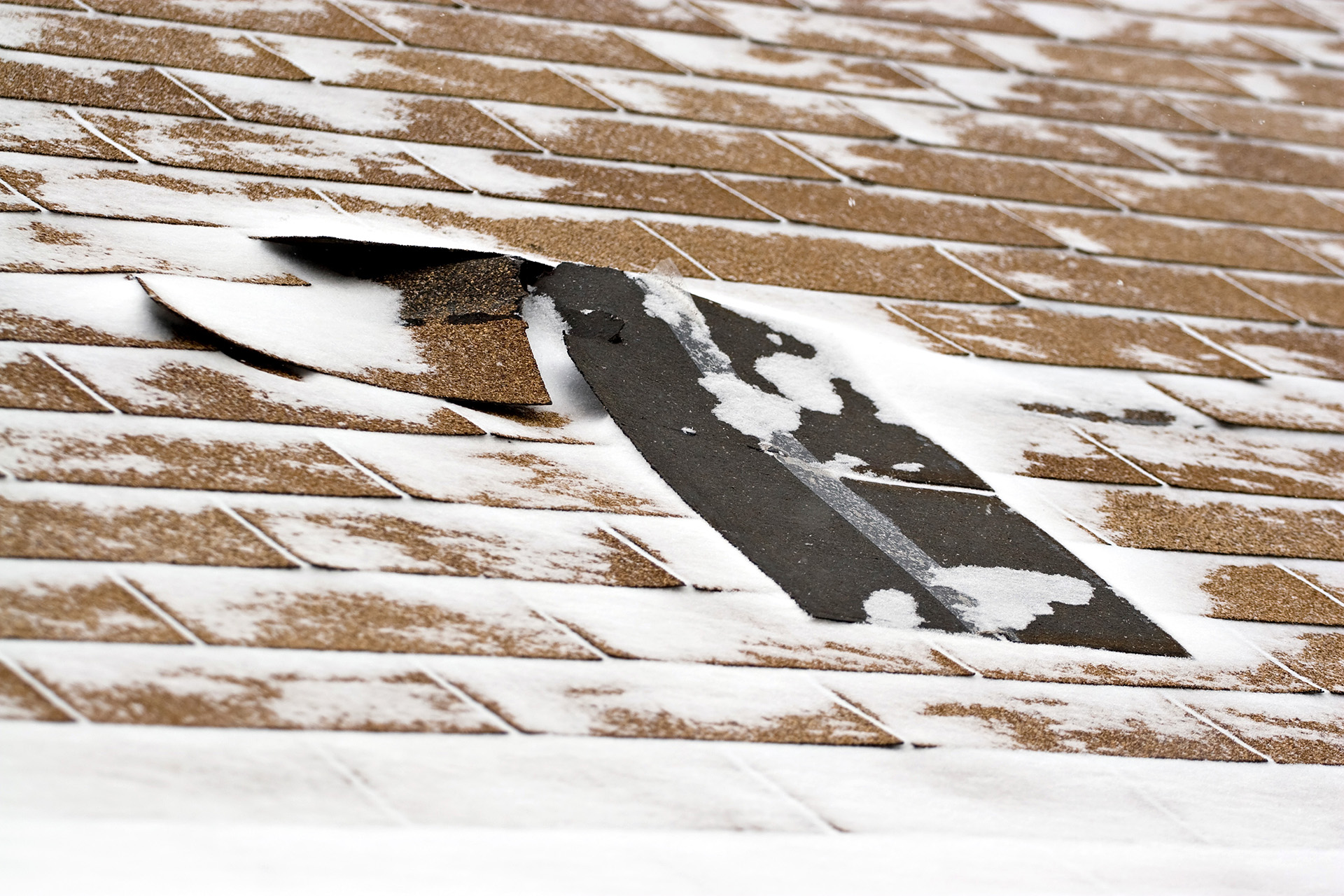
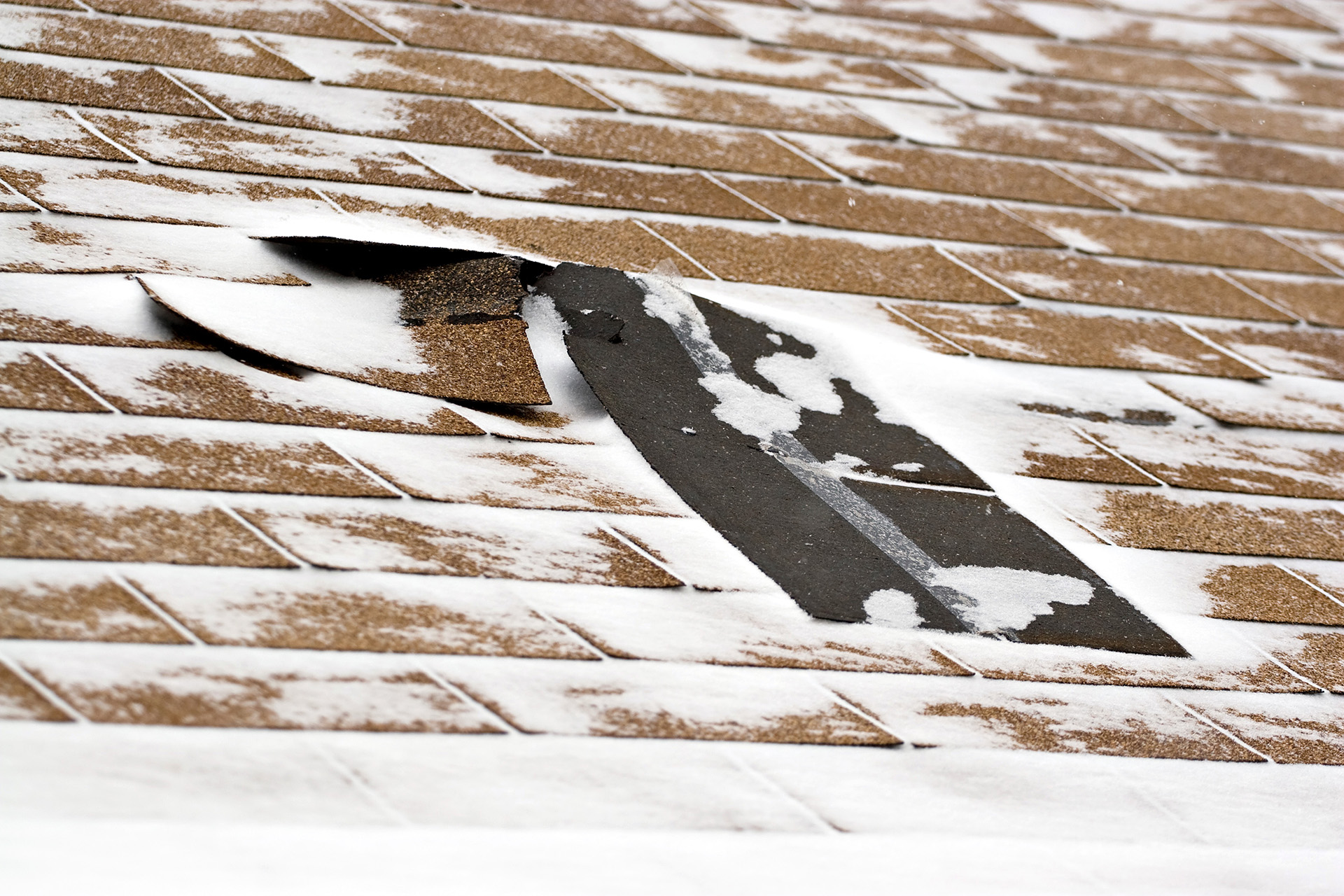
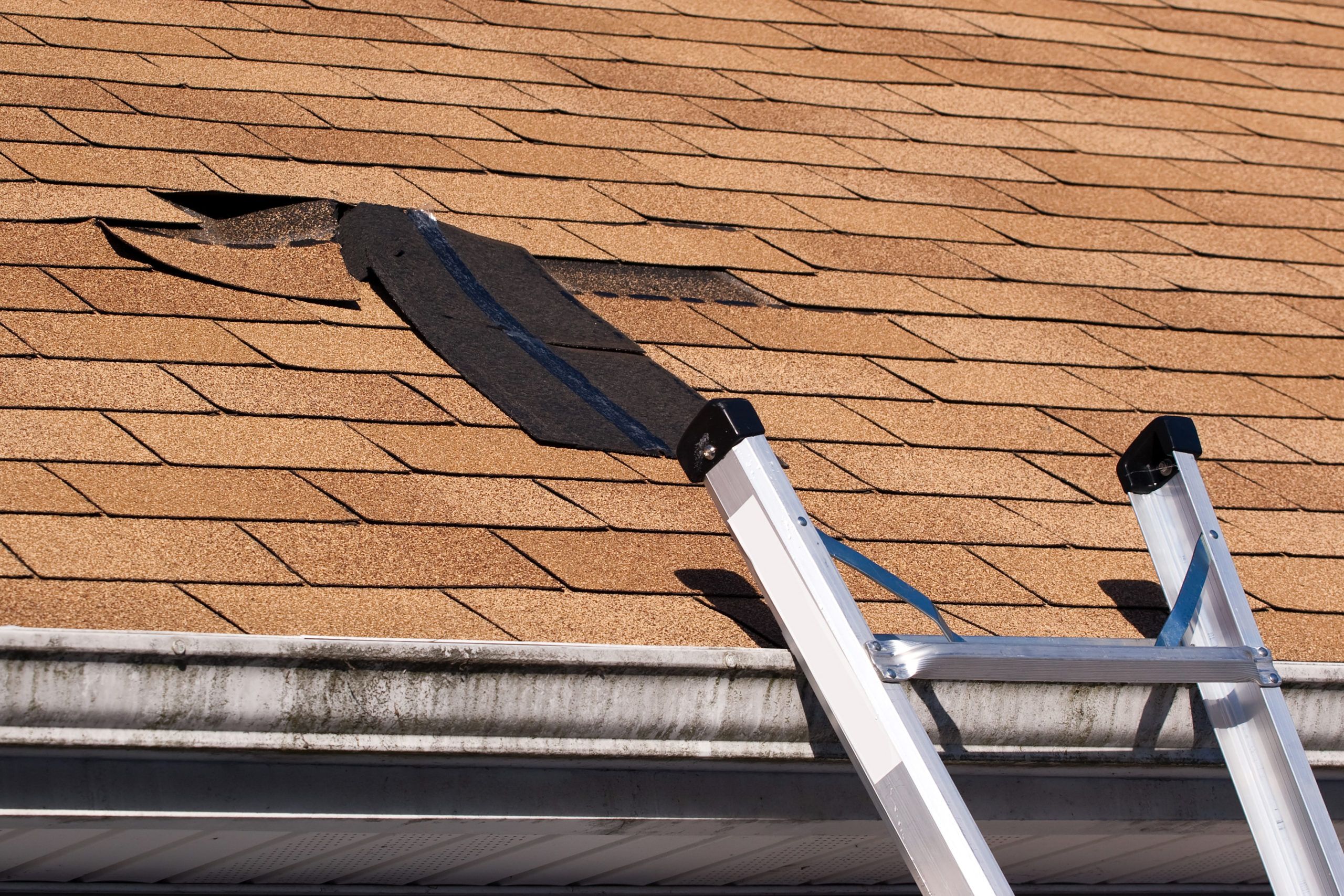
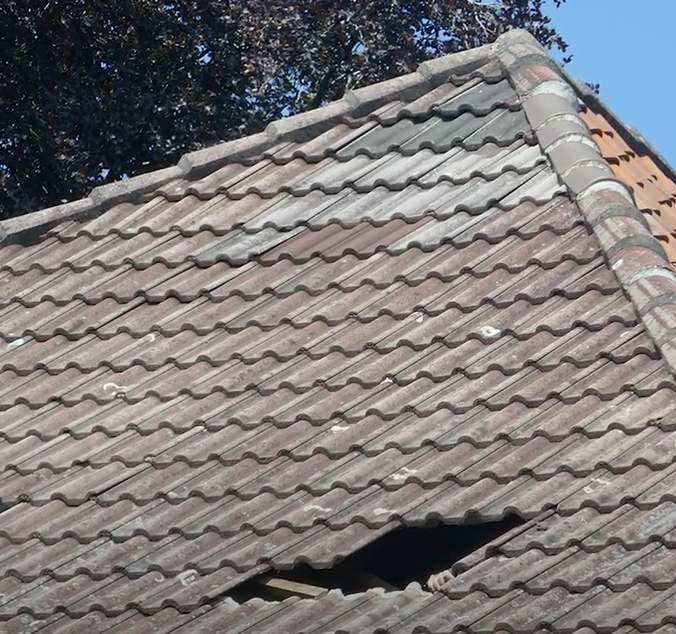
    • Missing or Damaged Shingles: Visually inspecting your roof from the ground can sometimes reveal missing, cracked, or damaged shingles, which are common entry points for water.
    • Clogged or Overflowing Gutters: Gutters clogged with debris can prevent water from being efficiently directed away from your roof, potentially leading to pooling and leaks.
    • Increased Energy Bills: An unnoticed roof leak can lead to increased heating or cooling costs as a result of insulation damage. If your energy bills are inexplicably high, it may be worth inspecting your roof.

    By keeping an eye out for these indications, homeowners and property managers can swiftly identify roof leaks and address them before they lead to more extensive and costly damage.
    Roof Leak Repair
    Roof Leak Repair

    The Dangers of Ignoring a Roof Leak

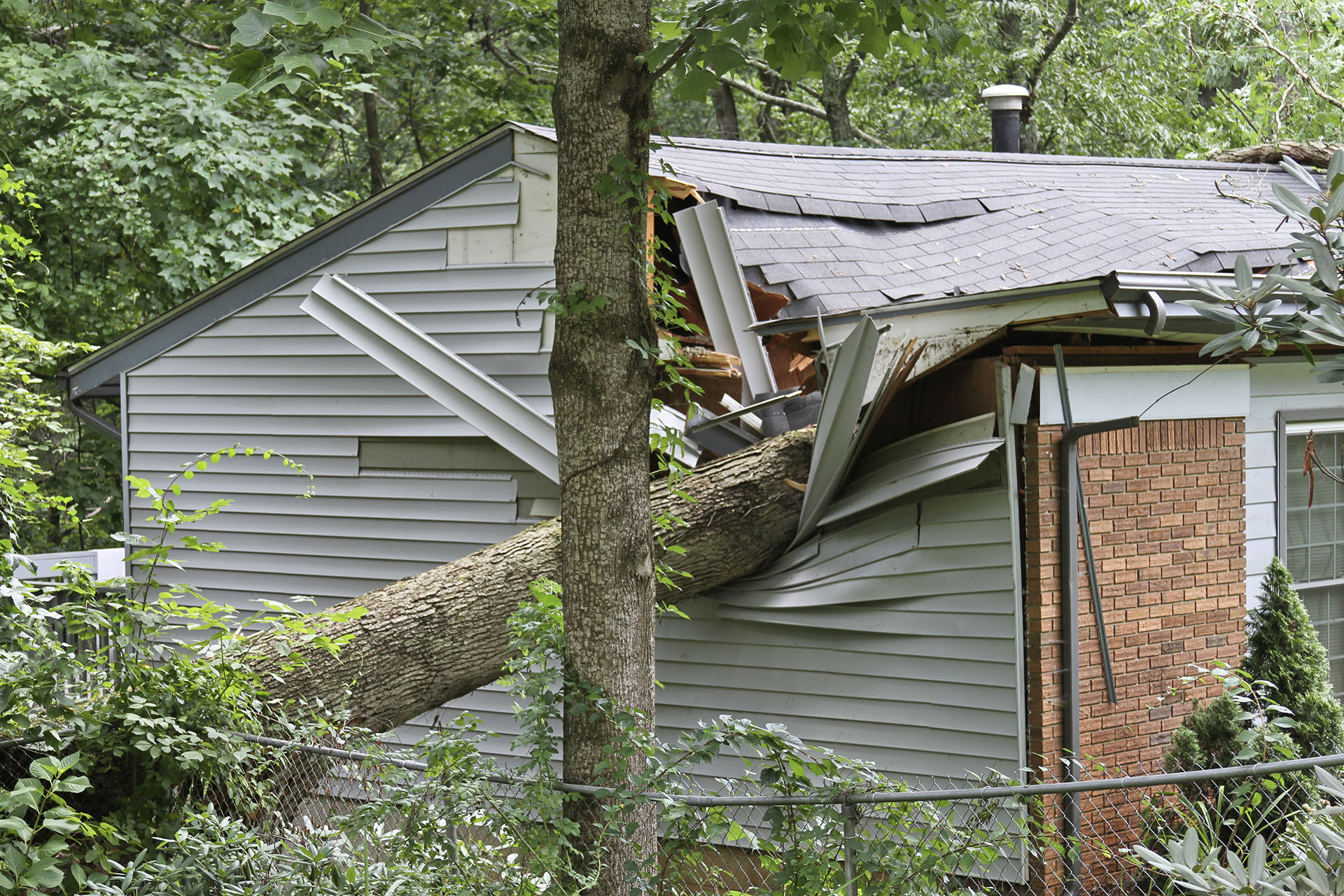
    Choosing to overlook the signs of a roof leak can have severe repercussions for the structural integrity of your home and the health of its inhabitants. When water makes its way through breaches in your roof, it can initiate a destructive domino effect that impacts multiple aspects of your property. Here are some critical dangers associated with ignoring a roof leak:

    • Structural Damage: Continuous water intrusion can weaken the wooden components of your home, such as the rafters, joists, and beams. Over time, this degradation can lead to significant structural problems that may necessitate extensive and costly repairs.
    • Mold and Mildew Growth: Moist environments provide the perfect breeding ground for mold and mildew, which can spread rapidly throughout your home. Not only does this pose a health risk, especially to individuals with respiratory issues, but it can also lead to unpleasant odors and damage to surfaces and belongings.
    • Insulation Damage: A roof leak can saturate the insulation in your attic, drastically reducing its effectiveness. This not only impacts your home’s thermal efficiency, leading to higher energy bills, but it can also extend the drying process, facilitating mold growth.
    • Electrical Hazards: Water that seeps into your home through a roof leak can come into contact with electrical wiring, posing a significant safety risk. This can lead to short circuits, power outages, or even fires.
    • Aesthetic Damage: The visible signs of a roof leak, including water stains, peeling paint, and damaged plaster, can diminish the aesthetic appeal of your home and potentially reduce its market value.

    Neglecting a roof leak thus not only jeopardizes the physical structure of your home but also endangers the health and safety of its residents. Immediate actions and repairs are imperative to mitigate these risks and safeguard your property.

    Prompt Roof Leak Repair: The Solution

    Addressing a roof leak promptly is not just about mitigation; it’s about restoring your home to its safe, comfortable state and preventing future issues. Here are practical steps and considerations for effective roof leak repair:

    • Immediate Containment: Once a leak is detected, contain the water damage as much as possible. Use buckets or towels to collect dripping water and move valuables out of the affected area.
    • Professional Assessment: Contacting a professional roofing contractor for a thorough inspection is crucial. They can accurately diagnose the source of the leak and assess the extent of the damage.
    • Quick Fixes: While awaiting professional repair, temporary fixes such as using a tarp to cover the damaged area can prevent further water ingress. However, this is a stop-gap measure and not a substitute for repair.
    • Timely Repair: Schedule the repair as soon as possible. Delays can exacerbate the problem, leading to more extensive and expensive repairs.
    • Quality Materials: Ensure that your contractor uses high-quality materials for the repair. This not only guarantees a durable solution but also adds to your home’s protection.
    • Regular Maintenance: After the repair, regular roof maintenance can identify potential problem areas before they lead to leaks. This includes cleaning gutters, inspecting for missing or damaged shingles, and ensuring proper attic ventilation.
    • Documentation: Keep detailed records of repairs and maintenance. This documentation can be invaluable for insurance purposes and potential future property sales.

    By taking these steps, homeowners can effectively address roof leaks, mitigating immediate damage and preventing future incidents. Remember, a prompt and proactive approach to roof repair preserves the integrity of your home and ensures the safety and comfort of its occupants.
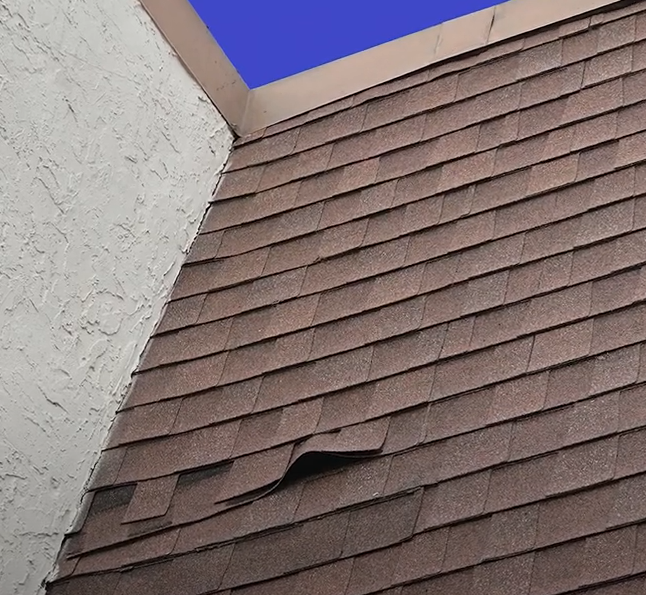
    Roof Leak Repair Service
    Roof Leak Repair Service

    DIY vs. Professional Repair

    When facing a roof leak, homeowners are often met with a critical decision: to tackle the repair themselves (DIY) or to call in roofing contractors. Both options have their merits and limitations, and the best choice depends on several factors, such as the severity of the leak, the homeowner’s skills and experience, and budget considerations.

    DIY Repair

    Pros:

    • Cost Savings: Handling the repair yourself can save on labor costs associated with hiring a professional.
    • Immediate Action: DIY allows homeowners to immediately contain and address small leak issues without waiting for professionals to become available.
    • Personal Satisfaction: Successfully completing a home repair can provide a strong sense of accomplishment and personal satisfaction.

    Cons:

    • Limited Skills: Without professional training, diagnosing the true extent of damage or correctly performing the repair can be challenging.
    • Safety Risks: Roof work is inherently dangerous, and falls from roofs are a common injury for the inexperienced.
    • Potential for Further Damage: Incorrect repairs can lead to more significant issues, potentially increasing the cost and complexity of eventual professional repairs.

    Professional Repair

    Pros:

    • Expertise: Professionals have the skills, experience, and tools to accurately diagnose and fix roof leaks, ensuring a high-quality repair.
    • Safety: Roofing contractors are trained to work safely on roofs, reducing the risk of personal injury.
    • Warranty and Peace of Mind: Many roofing repairs come with a warranty, offering peace of mind that if the issue persists, it will be addressed without additional costs.

    Cons:

    • Cost: Professional repairs are more expensive than DIY due to labor and service fees.
    • Scheduling: Depending on the contractor’s availability, there might be a wait before the repair can be conducted, potentially causing the leak to worsen.

    In conclusion, while small, straightforward leaks might be within the capabilities of a skilled DIY enthusiast, professional repairs are advisable for significant leaks or when in doubt. The risk of improper repair, personal injury, or inadvertently exacerbating the problem often outweighs the potential cost savings of a DIY approach. Ultimately, preserving the integrity of one’s home and ensuring the safety of its occupants should be the paramount concerns when deciding between DIY and professional roof leak repair.

    Tips for Finding a Reliable Roofing Contractor

    Finding a reliable roofing contractor is crucial for ensuring your roof repairs are done properly and efficiently. Here are several tips to help you select the best professional for the job:

    • Get Local Referrals: Choose a contractor from your community. Local contractors are more familiar with local building codes and regulations and have established relationships with area suppliers and crews.
    • Check Licenses and Insurance: Ensure the contractor has the proper licenses and insurance to protect both their employees and your property during the repair process. Ask to see their certificates and verify their status.
    • Look for Manufacturer Designations: Top contractors often have manufacturer designations, which signal a certain level of quality and expertise. These credentials show that a contractor has passed certain requirements to be factory-certified.
    • Research Better Business Bureau (BBB) Ratings: Checking a contractor’s BBB ratings can help you understand their reputation in the industry. Avoid contractors not listed on BBB or those with poor ratings.
    • Check for Warranty: Some contractors offer warranty programs that cover the workmanship. This can give you long-term peace of mind, knowing that your repair is protected beyond the standard warranty period.
    • Pay Attention to Safety: A contractor who does not have a training or safety program may not be the best person for your job. Safety training is crucial to avoid accidents on your property.
    • Get an Extensive Warranty: Not all contractors can offer manufacturer warranties that include coverage of the contractor’s workmanship. If a contractor incorrectly installs the roof, it may take months or years for damage to show up—and insurance won’t pay for it. A comprehensive warranty is a sign of confidence in their work.
    • Don’t Make Price Your Only Guide: While pricing is important, choosing a contractor based solely on price can backfire. Cheap bids drive down the market, and those with proper insurance have to establish pricing to cover such costs. You ultimately get what you pay for.
    • Experience Matters: Experience in the roofing industry means a lot. It shows that the contractor has dealt with a multitude of scenarios and is prepared to handle any issues that may arise during your repair.

    By following these tips, homeowners can feel more confident in their choice of roofing contractor, ensuring that their repairs are in capable hands and that the integrity of their home is preserved.
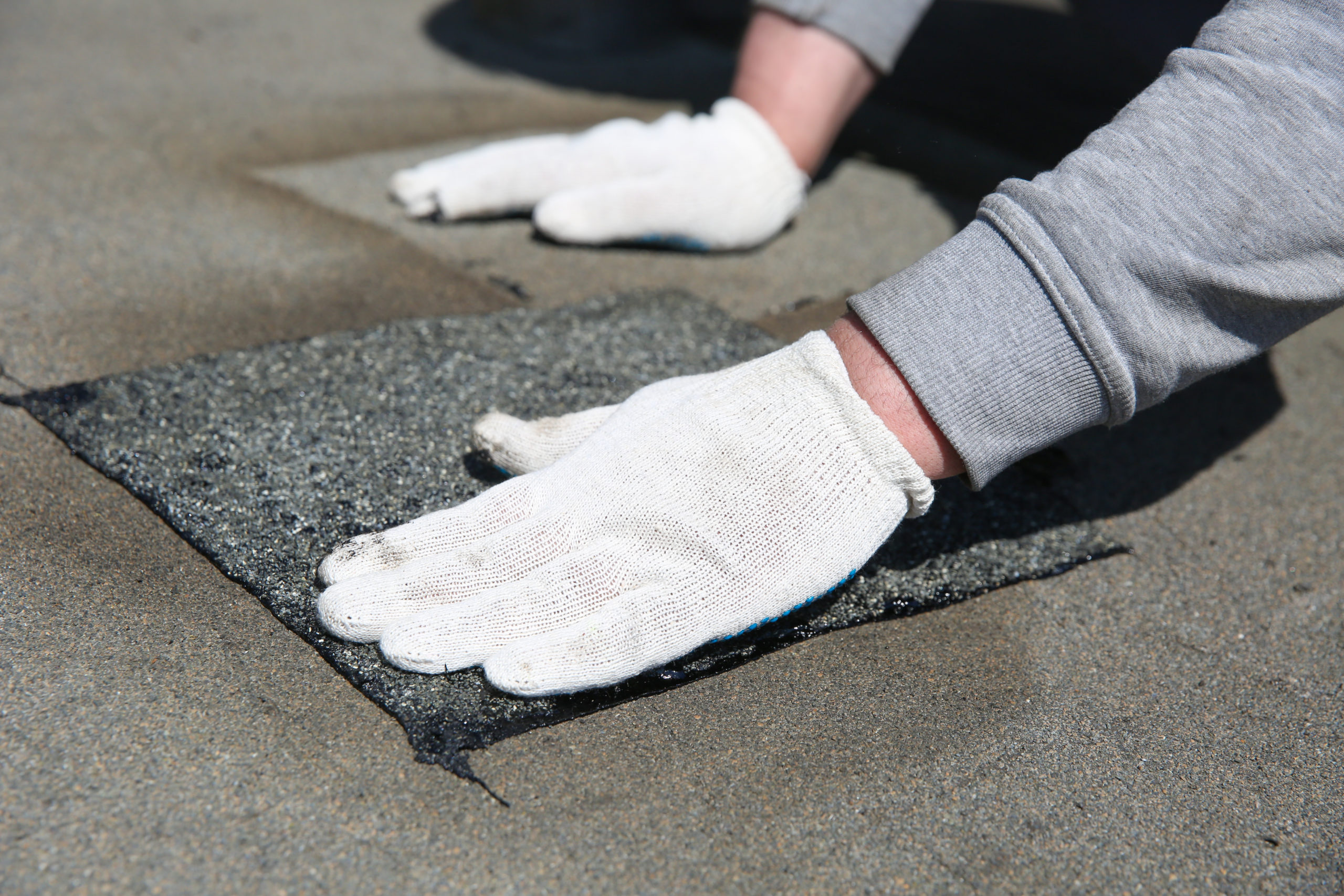
    Professional Roof Leak Repair
    Professional Roof Leak Repair

    The Benefits of Regular Roof Maintenance

    Regular roof maintenance is an essential aspect of homeownership that can significantly extend the lifespan of your roof while preventing costly repairs down the line. Here are some key benefits of maintaining your roof regularly:

    • Prevents Leaks: Frequent inspection and maintenance can catch minor issues, such as cracked or missing shingles, before they evolve into serious leaks that can cause water damage to your home’s interior.
    • Extends Roof Life: By addressing small problems promptly, you can avoid premature roof deterioration, effectively extending its service life and maximizing your investment.
    • Saves Money: Regular maintenance is far less expensive than major repairs or a complete roof replacement. By investing in upkeep, you save money in the long run by avoiding significant damage and keeping your roof in optimal condition.
    • Improves Energy Efficiency: A well-maintained roof contributes to better home insulation and ventilation, which can reduce heating and cooling costs and improve energy efficiency.
    • Enhances Home Value: A well-kept roof adds curb appeal, which is crucial if you plan to sell your home. Prospective buyers will appreciate the care taken in maintaining the property, potentially increasing its market value.
    • Safety and Peace of Mind: Regular maintenance ensures your roof is structurally sound, protecting your home against severe weather conditions. This brings homeowners peace of mind, knowing their family and property are secure.

    By prioritizing regular roof maintenance, homeowners can enjoy these benefits, ensuring their roof remains in excellent condition for years to come.

    In conclusion, while DIY roof maintenance approaches might seem tempting, homeowners should prioritize safety and the long-term health of their roof by opting for professional repairs. Finding a trustworthy contractor and investing in regular maintenance can save money and prolong the lifespan of your roof, ultimately protecting one’s home and family. As the saying goes, “an ounce of prevention is worth a pound of cure.”  So, it’s essential to prioritize preventative measures and stay on top of roof maintenance to avoid costly and potentially dangerous problems in the future. 

    7289 OH-43, Kent, OH 44240, United States
    (330) 677-9463
  • Common Causes of Roof Leaks: Understanding the Culprits

    Spotting the Signs: How to Detect and Diagnose Roof Leaks

    Roof leaks are a homeowner’s nightmare. Not only can they cause immediate damage to your property’s interior, but they can also lead to long-term issues like mold and rot that pose health risks and require costly repairs. Early detection of roof leaks is critical in minimizing their impact, making it essential to stay vigilant for signs of a problem overhead. Here’s a comprehensive guide for detecting and diagnosing roof leaks before they escalate.

    Common Signs of Roof Leaks

    Detecting roof leaks early can save homeowners time, money, and stress. Here are several telltale signs that your roof may be leaking:

    • Water Stains: One of the most obvious indicators of a roof leak is water staining on ceilings or walls. These stains often appear as discolored spots or rings, sometimes with a brownish hue.
    • Dripping Sounds: Even if visible signs aren’t present, hearing the sound of water dripping during or after a rainstorm can indicate a leak.
    • Musty Odors: In areas like attics or crawl spaces where leaks may go unnoticed, a persistently musty smell can signal the presence of dampness and mold growth resulting from a leak.
    • Mold and Mildew Growth: Visible mold or mildew on ceilings, walls, or in corners can also be a red flag for moisture problems stemming from a roof leak.
    • Damaged or Missing Shingles: Sometimes, the exterior condition of the roof can signal potential leaks. Damaged or missing shingles, or noticeable shingle granules in gutters, can indicate compromised roof integrity.
    • Sagging Areas: Parts of the roof showing signs of sagging could be suffering from long-term water damage, indicating a chronic leak situation.
    • Light Through the Roof: Seeing daylight through the roof in your attic is a direct sign that your roof has breaches that could allow water in during adverse weather.

    Identifying these signs early can be crucial in addressing roof leaks before they lead to more severe damage. Regular inspections, especially after severe weather events, can be key in catching and resolving issues promptly.

    Roof Leak Repair
    Roof Leak Repair

    Causes of Roof Leaks

    Understanding the underlying causes of roof leaks is essential for effective prevention and repair. Roof leaks can stem from a variety of issues, each requiring specific solutions. Here are some common causes:

    • Age of Roof: Over time, roofing materials deteriorate and lose their ability to keep out water. An old roof is more susceptible to leaks, especially if it has not been regularly maintained.
    • Broken or Missing Shingles: High winds, severe weather, or falling debris can damage or dislodge shingles, creating entry points for water.
    • Improper Installation: If the roof or any of its components were not properly installed, it might be more prone to leaks. This often includes issues with shingles, flashing, or the underlayment.
    • Flashings Damage: Flashing, which seals the edges and valleys of the roof, around chimneys, and at vent pipes, can become damaged or corroded over time. Faulty flashing is a common cause of leaks.
    • Clogged Gutters: When gutters are clogged with leaves and debris, water can back up and seep under the roofing, leading to leaks.
    • Ice Dams: In colder climates, ice dams can form at the edge of the roof, preventing melting snow from draining properly. Water can then back up under the shingles and into the house.
    • Skylights, Vents, and Chimneys: Any roof feature that penetrates the roof’s surface, like skylights, vents, and chimneys, can be a potential leak source if not sealed correctly.
    • Condensation in the Attic: Poor attic ventilation can lead to condensation buildup, which not only mimics the appearance of a leak but can also lead to real water damage over time.

    Identifying the cause of a roof leak is the first step towards implementing a lasting solution. It’s recommended to engage with a professional roofing contractor to accurately diagnose and fix any issues, ensuring your home is protected against future leaks.

    Prevention Tips

    Preventing roof leaks is significantly more cost-effective than dealing with the aftermath of water damage. Here are essential tips to help you avoid common pitfalls and ensure your roof remains in top condition:

    • Regular Inspections: Schedule bi-annual inspections with a professional roofer to catch and address small issues before they escalate. Pay extra attention to your roof’s condition after extreme weather events.
    • Maintain Your Gutters: Clean your gutters and downspouts regularly to prevent blockages that can cause water to back up and damage your roof.
    • Trim Overhanging Tree Branches: Falling branches or leaves can damage your roof and clog your gutters. Keeping trees trimmed can minimize these risks.
    • Check for Damaged or Missing Shingles: Regularly examine your roof for signs of damage or wear and replace any compromised shingles promptly to prevent water from penetrating the underlying layers.
    • Ensure Proper Attic Ventilation: Poor ventilation can lead to moisture buildup, encouraging mold growth and mimicking leak symptoms. Make sure your attic is well-ventilated to prevent condensation.
    • Address Ice Dams Promptly: If you live in a cold climate, take steps to prevent ice dams from forming, such as installing roof heating cables or improving attic insulation.
    • Seal and Inspect Roof Penetrations: Skylights, vents, and chimneys are common leak sources. Ensure they are properly sealed and regularly check these areas for signs of wear or damage.
    • Upgrade Your Roofing Material: If your roof is nearing the end of its life, consider upgrading to more durable, longer-lasting materials that offer superior protection against leaks.

    By adhering to these prevention tips, you can extend the life of your roof and safeguard your home against the risks of water damage. Always consult with a professional roofing contractor to ensure any maintenance or repair work is carried out to the highest standard.

    Professional Roof Repair
    Professional Roof Repair

    What to Do if You Detect a Leak

    If you detect a leak in your roof, taking immediate action is crucial to minimize damage and prevent further complications. Here’s a step-by-step guide on what to do next:

    • Contain the Water: Place buckets or containers under drips and remove any valuables from the area to prevent water damage.
    • Relieve Water Pressure: If you notice a bulging in your ceiling, puncture it carefully with a screwdriver to release trapped water, avoiding larger ceiling damage.
    • Locate the Source: Try to identify where the water is coming from. Keep in mind that water can travel from the initial entry point, so the source of the leak might not be directly above the water damage.
    • Temporary Fixes: Apply a temporary patch or sealant to the affected area if you can safely access the roof. However, these are only short-term solutions.
    • Document the Damage: Take photos of the damage for insurance purposes. This documentation can be crucial for claims and repairs.
    • Contact a Professional: Reach out to a reputable roofing contractor for an inspection. Professional roofers can assess the damage, determine the cause of the leak, and recommend the best course of action.
    • Contact Your Insurance Company: If the damage is significant, contact your insurance company to see if the repairs are covered under your policy.
    • Prevent Future Leaks: Once the immediate issue is addressed, consider implementing preventive measures, such as regular inspections and maintenance, to reduce the risk of future leaks.

    Swiftly addressing a leak can help to preserve the integrity of your roof and prevent significant damage to your home. Always prioritize safety, especially when dealing with water damage or when attempting to access your roof.

    DIY vs Professional Repair: Pros and Cons

    When confronted with a roof leak, homeowners face a crucial decision: to attempt a DIY repair or call in a professional. Each approach has its own set of advantages and disadvantages.

    DIY Repair

    Pros:

    • Cost Savings: One of the most appealing aspects of DIY roof repair is the potential to save money on labor costs.
    • Immediate Action: DIY allows homeowners to address the problem immediately rather than waiting on a professional’s schedule.
    • Learning Experience: Taking on roof repairs can be an educational endeavor, providing homeowners with valuable skills and knowledge about their property.

    Cons:

    • Safety Risks: Roof work is inherently dangerous. Without the proper safety gear and experience, homeowners risk serious injury.
    • Potential for Further Damage: Incorrect repairs can lead to more significant issues, ultimately costing more than if a professional had been hired initially.
    • Warranty Issues: DIY repairs might void existing warranties on roofing materials or the roof itself, leaving homeowners unprotected against future problems.

    Professional Repair

    Pros:

    • Expertise: Professionals possess the necessary skills, experience, and tools to diagnose and fix roofing problems efficiently and effectively.
    • Safety: Roofing contractors are trained to follow safety protocols, significantly reducing the risk of accidents.
    • Guarantee and Warranty: Most professionals will offer a warranty on their work, providing homeowners with peace of mind and protection against recurrences.

    Cons:

    • Cost: Hiring a professional is typically more expensive due to labor costs and the assurance that comes with expert service.
    • Scheduling Conflicts: It may take some time to schedule a repair, especially during busy seasons or after widespread weather events.

    Ultimately, the decision between DIY and professional roof repair depends on the homeowner’s confidence in their abilities, understanding of the problem, and willingness to assume the risks involved. For minor issues, a DIY approach may be sufficient. However, for significant damage or complex problems, professional intervention is strongly recommended to ensure a safe and reliable fix.

    Roof Leak
    Roof Leak

    Cost of Repairing a Roof Leak

    The cost of repairing a roof leak can vary widely, depending on the extent of the damage, the materials required, and the rates charged by roofing contractors. On average, homeowners can expect to pay between $150 and $1,500 for roof leak repairs, with most spending around $500 for patching a moderate leak and replacing a few damaged shingles. Factors that influence the cost include:

    • Size and Severity of the Leak: Small leaks around flashing or in a single location are generally less expensive to fix than widespread water damage or structural issues.
    • Roof Type: The material and pitch (slope) of your roof can affect repair costs. For example, repair work on tile or slate roofs typically costs more than on asphalt shingles due to the materials’ higher price and the specialized skills required.
    • Repair Complexity: Complex repairs, such as those involving underlayment replacement or structural fixes, are more labor-intensive and consequently more costly.
    • Location: Labor rates vary by region, with repairs in urban or high-cost-of-living areas generally being more expensive than in rural locations.

    Unexpected costs can also arise, particularly if the repair uncovers additional issues like rotting wood, mold, or improper installation that must be addressed. To avoid surprises, obtain multiple quotes from reputable contractors and ensure a thorough inspection is conducted before work begins. Remember, while the upfront cost of professional repair might seem high, investing in quality fixes can save money in the long run by preventing further damage and extending the life of your roof.

    Importance of Regular Roof Maintenance

    The proactive approach of regular roof maintenance plays a crucial role in safeguarding the longevity and integrity of your home. By consistently performing routine inspections and maintenance tasks, homeowners can proactively identify and address potential issues before they evolve into costly repairs. Regular maintenance tasks include cleaning gutters to prevent water buildup, inspecting for any damaged or missing shingles, and checking for signs of wear or leaks around flashing and vents. Addressing these minor issues promptly not only extends the lifespan of the roof but also enhances its performance against various weather elements, ensuring continuous protection for the home. 

    Moreover, maintaining a well-kept roof doesn’t just contribute to functionality; it can significantly enhance your home’s aesthetic appeal and potentially boost its market value. Investing in routine roof maintenance is a cost-effective strategy that not only saves homeowners time, money, and stress in the long run but also adds value to the overall integrity of the home.

    In conclusion, whether to DIY or hire a professional for roof leak repair is a decision that depends on various factors, including safety, expertise, cost, and scheduling. While minor issues may be manageable with DIY repairs, significant damage or complex problems often require the skills and experience of a roofing professional. Furthermore, regular roof maintenance is crucial in preventing costly repairs and extending the lifespan of the roof, ultimately protecting your home and enhancing its value. Whichever approach you choose, it is essential to prioritize safety and seek professional advice when needed for the best results.

    7289 OH-43, Kent, OH 44240, United States
    (330) 677-9463
  • The Anatomy of a Roof: Understanding Materials and Construction

    The Anatomy of a Roof: Understanding Materials and Construction

    The Anatomy of a Roof: Understanding Materials and Construction

    High above, quietly enduring the wrath of nature and the passage of time, lies an engineering marvel seldom appreciated—the roof. This custodian of comfort, this guardian against the elements, is more than just a capstone to our homes; it’s a testament to human ingenuity and architectural evolution. Yet, what mysteries lie beneath those shingles and tiles? What tales of resilience are woven into its framework? Embark on a captivating journey with us as we delve deep into the anatomy of a roof. From the skeletal whispers of trusses and rafters to the silent guardianship of flashing and gutters, we unravel the secrets of materials and construction that stand vigilant above our heads. This exploration is not just about understanding what keeps the rain out; it’s about appreciating the art and science that shelters every moment of our lives. Join us as we uncover the layers, piece by piece, in “The Anatomy of a Roof: Understanding Materials and Construction”—a narrative that promises to elevate your perception of the humble roof from mere necessity to architectural marvel.

    The Skeletal Framework: Trusses and Rafters

    In the architectural ballet of building a home, the skeletal framework—comprising trusses and rafters—emerges as the silent yet formidable backbone, orchestrating strength and stability from the shadows. This stage is where the invisible becomes visible, where beams and supports interlock in a precise dance, crafting the contours of future spaces. Trusses and rafters are not merely wooden structures; they are the bearers of dreams, the hidden veins through which the lifeblood of design and functionality flows. As they rise, they sketch the skyline of a home, defining its peaks and valleys, its breaths and sighs. Engineers and craftsmen breathe life into blueprints, transforming lines and angles into the cathedral of comfort that will shelter laughter and whispers, storms and sunsets. The assembly of trusses and rafters is a testament to human ingenuity and the quest for shelter, a harmonious blend of art and science that elevates mere buildings into homes. In this critical phase, the future takes shape, quietly assured by the strength and precision of its framework, promising safety and warmth to those it will soon embrace.

    Anatomy of a Roof
    Anatomy of a Roof

    The Shield of Sheathing

    In the grand tapestry of constructing a sanctuary called home, the application of sheathing emerges as the silent guardian, a shield cloaking the skeletal framework with unwavering protection and resilience. This pivotal moment in the building’s genesis is where vulnerability is armored, encasing the bones of trusses and rafters with a robust layer that stands defiant against the elements. Sheathing serves not just as a barrier but as the canvas upon which the exterior walls will paint their stories, a foundation for the bricks or siding to cling to, whispering tales of endurance and beauty. Its installation is a meticulous ritual, a testament to the artistry and precision of the builders, ensuring every inch is sealed, every gap fortified. As the sheathing blankets the structure, it transforms the edifice from a skeleton of possibilities into a fortress of strength, ready to face the sun’s blaze, the wind’s howl, and the rain’s siege. It is in this crucial juncture that a house begins to feel like a fortress, promising safety and serenity within its embrace, a steadfast shield against the world’s tumults, standing resolute through seasons and storms.

    The Barrier of Underlayment: A Silent Guardian of Home Protection

    Beneath the surface of every roof lies a crucial yet often overlooked component – the barrier of underlayment. Despite its humble appearance and lack of prominence, this thin membrane plays a vital role in safeguarding homes against the unpredictable forces of nature. While the sun-kissed tiles and stoic shingles may catch the eye, it is the underlayment that serves as the ultimate defense, silently protecting the integrity of the roof and the spaces below.

    Crafted with meticulous precision, the underlayment is more than just a layer; it is a testament to the craftsmanship and dedication to quality. As it is laid beneath the visible exterior of the roof, it whispers secrets of longevity and durability, ensuring that the structure remains resilient against moisture, wear, and the passage of time. With each careful placement and secure fastening, the underlayment reinforces the roof’s ability to withstand the elements, acting as a steadfast guardian of shelter and comfort.

    Despite its quiet resolve, the underlayment embodies the essence of resilience. It is a shield against rain, snow, wind, and hail, protecting the sanctity of the home and those who dwell within. Beyond its functional role, the underlayment symbolizes the commitment to creating spaces that endure, where beauty is matched by durability, and dreams are safeguarded against the harsh realities of the outside world.

    In the delicate balance between visibility and vitality, the underlayment stands as a silent sentinel, ensuring that the structural integrity of the home remains uncompromised. Its presence is felt in the peace of mind it provides, knowing that the roof is fortified against the tempests that may rage outside. With each passing season, the underlayment continues its steadfast watch, preserving the warmth and security of the hearth, a testament to the enduring bond between craftsmanship and protection.

    While the barrier of underlayment may go unnoticed by many, its importance cannot be overstated. It is the unsung hero of home protection, silently working behind the scenes to fortify the roof and safeguard the spaces we cherish. As we admire the beauty of our homes, let us not forget the crucial role played by the underlayment, a silent guardian that ensures our safety and comfort, now and for years to come.

    The Armor of Shingles and Tiles

    Amidst the symphony of construction, where every material plays its crucial part, the armor of shingles and tiles emerges with a flourish, crowning the home in both elegance and fortitude. This is not merely a covering but a declaration, a mosaic of resilience that whispers tales of defiance against the fiercest storms and the harshest suns. Each shingle, each tile, is a testament to the artistry and vision of those who dare to dream of shelter and beauty intertwined. They are laid with precision, a patterned array that locks together in solidarity, offering more than mere protection; they breathe life into architecture, transforming houses into homes. As the sun sets, casting long shadows over the newly adorned roofs, there’s a silent acknowledgment of the role these guardians play. Beyond their aesthetic appeal, they stand as vigilant protectors, their overlapping embrace a barrier against the elements, ensuring that within the walls below, life unfolds in comfort and peace. In this delicate dance of durability and design, shingles and tiles hold the line, an unyielding armor against the skies’ uncertainties, cradling dreams and memories under their watchful gaze.

    Anatomy of a Roof
    Anatomy of a Roof

    The Guardians at the Edge: Flashing and Gutter Systems

    In the realm of home protection, two unsung heroes stand guard at the edge, their importance often overshadowed by the grandeur of architectural design: flashing and gutter systems. These stalwart defenders play a crucial role in safeguarding our homes against the elements, ensuring that rainwater is diverted away from vulnerable areas to prevent costly damage.

    Flashing, though unassuming in appearance, is indispensable in protecting the roof’s vulnerable junctures. Positioned strategically at points where different roofing materials meet or where the roof intersects with other structures like chimneys or walls, flashing acts as a barrier against water infiltration. It prevents leaks by directing water away from these vulnerable areas, ensuring that the interior of the home remains dry and free from water damage.

    Complementing the role of flashing is the gutter system, which operates with seamless efficiency to channel rainwater away from the foundation of the home. Gutters collect water runoff from the roof and direct it to downspouts, which then carry it safely away from the house. By doing so, gutter systems prevent water from pooling around the foundation, which can lead to structural issues such as foundation cracks and basement flooding.

    Together, flashing and gutter systems form an indomitable alliance against water damage, working in harmony to protect the home from the ravages of the elements. Their synergy ensures that rainwater is not a threat but rather a testament to the resilience of the home. As rain cascades over the roof’s surface, it encounters strategically placed drip edges that guide it into the waiting arms of the gutters. From there, it is safely diverted away from the home, preserving the integrity of the structure and maintaining a dry interior.

    In this intricate dance of protection, flashing and gutter systems serve as vigilant guardians at the edge, their dedication unwavering and their importance immeasurable. Their presence provides homeowners with peace of mind, knowing that their homes are protected from water damage even amidst stormy weather. So, while flashing and gutter systems may not always command attention, their role as protectors of the home should never be underestimated.

    The Breath of Life: Ventilation Systems

    Ventilation systems are the unsung heroes of our homes, quietly ensuring comfort and health by circulating fresh air throughout our living spaces. Much like the respiratory system in our bodies, these systems consist of intricate networks of ducts and vents that maintain air quality and prevent the buildup of pollutants.

    These systems play a vital role in safeguarding against the unseen dangers that can lurk in stagnant air, such as mold and airborne pathogens. By whisking away moisture and pollutants, ventilation systems help to create a healthier indoor environment, reducing the risk of respiratory issues and other health problems.

    Regardless of the season, ventilation systems work tirelessly to maintain a comfortable and balanced indoor climate. During the hot summer months, they help to expel excess heat, while in winter, they ensure proper humidity levels and prevent the buildup of stale air.

    The silent operation of ventilation systems breathes vitality into our homes, ensuring that every corner is infused with invigorating air. As the sun rises and sets, casting light on our cherished spaces, these systems quietly work in the background, providing a constant flow of fresh air that enhances our overall wellbeing.

    In essence, ventilation systems are integral to the architecture of our lives, ensuring that the air within our homes remains as refreshing as a spring breeze. By maintaining air quality, regulating temperature, and promoting comfort, these systems contribute to creating a sanctuary where health, comfort, and wellbeing thrive.

    Anatomy of a Roof
    Anatomy of a Roof

    Conclusion

    The anatomy of a roof is a masterpiece of construction, where every component plays a vital role in safeguarding our homes. From the framework to ventilation, each element contributes to its strength and resilience against the elements.

    At its core, the roof’s skeletal framework forms the backbone of its structure, providing support and stability. This framework is typically made of wood or metal trusses, carefully engineered to distribute weight and withstand external forces such as wind and snow loads.

    Covering this framework is a symphony of materials, each chosen for its durability and weather resistance. Asphalt shingles, tiles, or metal sheets form the outermost layer, protecting the roof from rain, snow, and UV radiation. Beneath the surface, underlayment materials such as felt or synthetic membranes provide an additional barrier against moisture infiltration.

    But a roof is more than just its outer shell; it requires proper ventilation to maintain a healthy indoor environment. Vents and exhaust fans allow air to circulate, preventing moisture buildup and reducing the risk of mold and mildew growth. Adequate ventilation also helps regulate temperature and energy efficiency, prolonging the lifespan of the roof materials.

    As we delve deeper into the layers of a roof, we uncover the craftsmanship and attention to detail that goes into its construction. Each nail, flashing, and sealant plays a crucial role in ensuring watertightness and structural integrity. From the skilled hands of roofers to the precision of modern manufacturing techniques, every aspect of roof installation is a testament to human ingenuity.

    But beyond its technical prowess, a roof holds deeper significance as a symbol of security and shelter. It’s a fortress that protects our loved ones and cherished belongings, shielding them from nature’s wrath. It’s a guardian of our dreams and memories, witnessing the milestones of our lives under its steadfast embrace.

    So the next time you gaze upon a roof, take a moment to appreciate the engineering marvel that it is. Recognize the artistry and craftsmanship that have gone into its creation, for it’s more than just a covering—it’s a symbol of resilience, ingenuity, and the enduring human quest for shelter.

    7289 OH-43, Kent, OH 44240, United States
    (330) 677-9463
  • How Proper Roof Installation Protects Your Home

    How Proper Roof Installation Protects Your Home

    Proper roof installation is crucial for safeguarding your home against the elements and ensuring the well-being of your family. Your roof serves as the primary defense against nature’s onslaught, shielding your sanctuary from rain, wind, snow, and harsh sunlight. It’s more than just a structural component; it’s a guardian that provides peace of mind during stormy weather.

    Imagine a fierce storm with howling winds and pounding rain. Now, envision facing that storm with confidence, knowing that your roof is expertly installed and capable of withstanding the elements. This confidence isn’t reserved for a select few—it’s attainable for every homeowner through proper roof installation.

    Expertly installed roofing offers numerous benefits beyond simply keeping you dry. Firstly, it protects your family’s health by preventing water damage and mold growth, which can pose serious health risks. A well-installed roof ensures that water is properly diverted away from your home, preventing leaks and moisture buildup inside.

    Moreover, proper roof installation preserves the integrity of your home’s structure. By effectively channeling water away from your foundation and walls, it helps prevent costly damage such as rot, decay, and structural instability. This proactive approach to maintenance can save you from expensive repairs down the line and prolong the lifespan of your home.

    Additionally, a properly installed roof can contribute to energy efficiency and cost savings. It acts as a barrier against heat transfer, helping to regulate indoor temperatures and reduce the workload on your HVAC system. This can lead to lower energy bills and a more comfortable living environment year-round.

    Whether you’re cozied up indoors during a winter blizzard or enjoying the soothing sound of raindrops on a summer day, it’s important to recognize the vital role your roof plays in protecting your home and loved ones. Proper roof installation forms an impenetrable barrier between you and the forces of nature, ensuring that your home remains a safe and secure haven.

    In conclusion, investing in proper roof installation is essential for maintaining the health, integrity, and energy efficiency of your home. By partnering with experienced professionals and prioritizing quality materials and installation techniques, you can enjoy the peace of mind that comes from knowing your home is well-protected against the elements.

    Roof Installation
    Roof Installation

    The Barrier Against Nature’s Fury

    In the intricate dance between human habitation and nature’s capricious moods, the installation of a robust roof emerges as a silent yet mighty barrier. Picture your abode nestled securely beneath a canopy of resilience, where every shingle, tile, or metal panel serves as a stalwart defender. Beyond mere shelter, it’s about erecting a stronghold that defiantly withstands the onslaught of howling winds, torrential rains, and scorching sunlight.

    The essence of proper roof installation lies in its meticulous attention to detail. It begins with the selection of materials that whisper defiance to the elements, promising unwavering protection and durability. From there, it extends to the craftsmanship that binds these materials together, forming an impenetrable shield between your sanctuary and the heavens above.

    Yet, this barrier does more than merely shield; it infuses life into your dwelling. It ensures that within its confines, life’s precious moments unfold amidst a backdrop of serene assurance. Whether it’s the gentle patter of raindrops or the fierce gusts of wind, inside remains a haven of tranquility, untouched by nature’s tumultuous symphony.

    Consider the careful placement of each component—a symphony of elements orchestrated to create a harmonious whole. The precision of every nail driven, every seam sealed, resonates with the quiet confidence of a fortress prepared to repel any incursion.

    And so, as nature unleashes its fury upon the world outside, your home stands steadfast, an embodiment of resilience and endurance. It is a testament to the ingenuity of human craftsmanship and the indomitable spirit of shelter. Within its embrace, families gather, memories are made, and dreams take flight, secure in the knowledge that against nature’s relentless onslaught, your abode remains an unwavering bastion of protection.

    In the end, the significance of proper roof installation transcends mere functionality. It embodies the profound connection between humanity and the natural world—a testament to our ability to coexist in harmony with the elements. So, as you gaze upon your home’s sturdy roof, remember that it is more than just a barrier; it is a symbol of resilience, a guardian against nature’s fury, and a steadfast companion on life’s journey.

    A Bulwark of Energy Efficiency

    In today’s world, where the pursuit of sustainability intertwines with our desire for comfortable living spaces, the importance of proper roof installation cannot be overstated. Picture your home nestled beneath a protective shield that not only shields it from the elements but also harnesses the sun’s energy or deflects its intensity, adapting to the seasons seamlessly. It’s more than just a roof; it’s an intelligent canopy that interacts with nature to keep your abode at the perfect temperature year-round.

    Proper roof installation goes beyond mere shelter. It involves the use of innovative materials and techniques that serve as a thermal barrier, minimizing heat loss during the winter months and preventing heat from penetrating during the scorching summer days. This strategic layering ensures that your home becomes a haven of comfort, reducing the need for artificial heating and cooling systems. As a result, energy bills plummet, and your carbon footprint shrinks, contributing to a more sustainable lifestyle and a healthier environment.

    By investing in proper roof installation, you’re not just protecting your home; you’re also actively participating in the quest for energy efficiency. Your roof becomes an integral part of your home’s environmental narrative, playing a pivotal role in reducing energy consumption and promoting economic prudence. Each day spent under its canopy serves as a testament to your commitment to environmental stewardship and your dedication to making informed choices for a greener future.

    Roof Installation
    Roof Installation

    In essence, proper roof installation is a cornerstone of energy efficiency in modern living. It’s a proactive step towards creating a sustainable home environment that prioritizes comfort, conservation, and responsible resource management. So, whether you’re building a new home or considering a roof replacement, choosing the right materials and installation techniques can have a profound impact on your home’s energy performance and your overall environmental footprint.

    Guardian Against Moisture and Leaks

    In the battle against the elements, the roof stands as a stalwart defender, shielding homes from the relentless onslaught of moisture and leaks. Picture your dwelling cocooned beneath a canopy of unwavering resilience, where every component, from shingle to membrane, is meticulously assembled to create an impenetrable barrier. This isn’t merely a roof; it’s a sophisticated fortress designed to repel nature’s watery assaults.

    Consider the intricate layers of defense woven into its structure. Waterproof underlayments form the foundation, providing an additional shield against water infiltration. Seamless gutters stand ready to collect and divert rainwater away from the home, preventing it from seeping into vulnerable areas. Precision-engineered flashing ensures that junctions and seams remain watertight, sealing potential entry points against moisture intrusion.

    In the tranquility of a stormy night, the roof’s vigilance becomes palpable. As raindrops patter against its surface, they serve as a testament to its unwavering dedication to protection. With each downpour, the roof stands firm, steadfastly guarding the interior sanctuary from harm.

    In conclusion, the roof’s role extends beyond mere shelter; it embodies resilience and fortitude in the face of nature’s fury. By investing in a well-constructed and meticulously maintained roof, homeowners safeguard not only their physical dwelling but also the peace of mind that comes with knowing they are protected against the elements’ unpredictable whims.

    The Unsung Hero of Aesthetic Appeal

    Nestled within the architectural symphony of a well-constructed home, the roof often plays the unsung hero of aesthetic appeal, a testament to the subtle artistry that crowns our living spaces. Far beyond its utilitarian role, a properly installed roof harmonizes with the home’s design, accentuating its contours and elevating its character. Imagine the roof as a masterstroke on a canvas, where materials and colors are chosen not just for their resilience but for their ability to whisper to the skies and converse with the landscape. Slate grays, terracotta reds, or even the eco-friendly greens of living roofs, each selection contribute to a visual chorus that defines the home’s presence in its environment. This is where craftsmanship meets creativity; each tile, shingle, or panel is meticulously placed, not just to shelter, but to tell a story of beauty and harmony. The roof, in its quiet majesty, becomes more than a cover—it becomes a declaration of style, making every glance upwards a moment of admiration for the thoughtful intricacies that protect and beautify our homes.

    A Shield for Structural Integrity

    In the grand scheme of architectural design, a properly installed roof acts as a formidable shield for structural integrity, silently bearing the mantle of protector against the elements. It’s not merely a cover; it’s the unsung hero that stands guard over the framework of our homes, ensuring longevity and resilience. Visualize this shield as the first line of defense, where every layer, seam, and fastener is meticulously engineered to repel water, resist wind, and bear the weight of snow with unwavering strength. This precision in installation transforms the roof into a bastion of durability, safeguarding the wooden beams and underlying structures from the insidious threats of rot, mold, and decay. Beyond its physical fortitude, the roof’s integrity also plays a pivotal role in maintaining the home’s energy efficiency, sealing in warmth during the chill of winter and reflecting the sun’s intensity in the heat of summer. Thus, a properly installed roof does more than just protect; it ensures that the sanctuary beneath remains steadfast and secure, a testament to the art of building not just for today, but for generations to come.

    Roof Installation
    Roof Installation

    Financial Fortress: Protecting Your Investment

    In the realm of home ownership, a properly installed roof stands as a financial fortress, safeguarding your investment against the unpredictable whims of nature. Imagine this not just as an element of shelter, but as a strategic bulwark that enhances the value and longevity of your property. With each asphalt shingle meticulously laid and every seam sealed with precision, your roof transforms into a stalwart defender against water damage, insulation issues, and the myriad of costly repairs that can arise from neglect. This commitment to quality installation does more than protect; it pays dividends in peace of mind and potential savings. As storms rage and seasons turn, the integrity of your roof remains unchallenged, preserving the aesthetic appeal and structural soundness of your home. In this light, investing in a properly installed roof transcends immediate needs, becoming wise stewardship of resources that fortify your home’s market value and ensure its legacy as a sanctuary for years to come.

    Conclusion

    In concluding our examination of the vital role that proper roof installation plays in safeguarding your home, it becomes evident that this facet of home improvement extends beyond mere shelter. It’s about establishing a durable legacy of security, efficiency, and aesthetics. The roof, serving as a silent sentinel over our daily lives, commands reverence and meticulous attention to detail. It serves as a poignant reminder that our decisions today regarding home protection will resonate across generations.

    Whether you’re embarking on a new construction project or revitalizing an existing structure, it’s imperative to recognize that the true essence of home protection lies not within its walls, but above them—in the quality and conscientiousness of its roof. Thus, let us honor this often overlooked hero, steadfast in its duty to safeguard and uphold the sanctity of our homes.

    As you set forth on your journey of home renovation, it’s paramount to select a reputable and seasoned professional to address all your roofing needs. With every shingle meticulously placed, we aren’t merely constructing a shelter; we are erecting a timeless legacy of safety and elegance.

    In essence, the significance of proper roof installation transcends the immediate need for protection; it’s about forging a lasting testament to our commitment to providing security and comfort for generations to come. So, as you undertake your home improvement endeavors, remember the profound impact that a well-crafted roof can have on the legacy of your home.

    7289 OH-43, Kent, OH 44240, United States
    (330) 677-9463
  • Green Roofing Solutions: Eco-Friendly Options for Installation

    Green Roofing Solutions: Eco-Friendly Options for Installation

    Green Roofing Solutions: Eco-Friendly Options for Installation

    In an age dominated by concrete sprawl, an emerging trend offers a breath of fresh air atop our urban skylines. Picture stepping onto your rooftop and being greeted by a lush, vibrant landscape instead of the typical sea of gray. This isn’t a vision from a sci-fi film; it’s a tangible movement gaining traction through the adoption of green roofing solutions. These revolutionary systems are more than just visually appealing; they represent a significant stride towards sustainable living within our urban ecosystems. Let’s explore the realm of green roofs and understand why they’re rapidly becoming an integral aspect of contemporary architecture.

    Green roofs, also known as living roofs or eco-roofs, are installations that incorporate vegetation and plant life onto building rooftops. These eco-friendly platforms offer a multitude of benefits that extend far beyond aesthetics. Firstly, they act as natural insulators, regulating indoor temperatures and reducing energy consumption for heating and cooling. By providing an additional layer of insulation, green roofs help mitigate the urban heat island effect, where cities experience significantly higher temperatures than surrounding rural areas due to the prevalence of concrete and asphalt surfaces.

    Moreover, green roofs serve as effective stormwater management systems. They absorb rainwater, reducing runoff and alleviating pressure on urban drainage systems. This helps prevent flooding and minimizes pollution in waterways by filtering contaminants from rainwater before it enters the ground.

    In addition to their environmental advantages, green roofs contribute to biodiversity in urban areas by providing habitats for birds, insects, and other wildlife. They create pockets of greenery in densely populated cities, enhancing air quality and promoting overall well-being for residents. Furthermore, green roofs can extend the lifespan of roofing materials by shielding them from harsh weather conditions and UV radiation, thereby reducing maintenance costs and the need for premature replacements.

    From an architectural standpoint, green roofs offer designers opportunities for creativity and innovation. They add visual interest to buildings, blending seamlessly with surrounding landscapes and enhancing the overall aesthetic appeal of urban environments. Whether integrated into residential, commercial, or institutional structures, green roofs serve as symbols of sustainability and environmental stewardship.

    As cities worldwide grapple with the challenges of climate change and urbanization, green roofs present a tangible solution for creating healthier, more resilient communities. By embracing these eco-conscious practices, we can transform our concrete jungles into vibrant, sustainable oases that benefit both people and the planet. In essence, green roofs represent not just a trend in modern architecture, but a fundamental shift towards a more sustainable future.

    Green Roofing Solutions
    Green Roofing Solutions

    The Environmental Impact: A Breath of Fresh Air

    In the pursuit of sustainable urban living, green roofing solutions emerge as revolutionary innovations, providing a literal breath of fresh air amidst the concrete sprawl. These verdant canopies not only transform rooftops into lush oases but also serve as beacons of environmental stewardship. By absorbing harmful air pollutants and synthesizing detrimental gases, green roofs act as natural air purifiers, significantly improving urban air quality. Their ability to lower temperatures and reduce energy consumption also addresses the urban heat island effect, creating a cooler, more breathable urban environment.

    Green roofs play a multifaceted role in combating climate change and enhancing environmental sustainability. Through the increased vegetation cover on rooftops, they contribute to carbon sequestration, effectively reducing greenhouse gas emissions and mitigating the effects of global warming. This transformation of buildings into active participants in the fight against climate change highlights the profound impact of green innovation on urban landscapes.

    In addition to their environmental benefits, green roofs offer numerous advantages for urban communities. They provide insulation, reducing the energy demands of buildings and lowering heating and cooling costs. This energy efficiency not only benefits building occupants but also reduces strain on urban infrastructure and contributes to overall energy conservation efforts.

    Furthermore, green roofs create opportunities for urban biodiversity and ecosystem restoration. By providing habitat for plant and animal species, they support local wildlife and enhance urban biodiversity, fostering a healthier and more resilient ecosystem within cities. Additionally, green roofs can help manage stormwater runoff, reducing the burden on urban drainage systems and mitigating the risk of flooding during heavy rain events.

    The adoption of green roofing solutions represents a cost-effective and aesthetically pleasing strategy for cities worldwide to address pressing environmental challenges. By reclaiming rooftops as green spaces, urban areas can mitigate the adverse effects of pollution, combat climate change, and create healthier and more livable environments for residents. As cities grapple with the urgent need to improve air quality and reduce carbon emissions, the transformative power of green innovation offers hope for a more sustainable future, where every breath taken serves as a testament to the positive impact of environmental stewardship.

    Energy Efficiency: Keeping It Cool

    In today’s age of heightened environmental awareness, the concept of green roofing has emerged as a groundbreaking solution for achieving sustainable living and enhancing energy efficiency. Through the integration of innovative technologies like cool roofs and vegetative systems, these eco-friendly alternatives are reshaping our approach to building design and environmental stewardship.

    Cool roofs represent a significant advancement in energy-efficient roofing solutions. By employing specialized materials that reflect sunlight and absorb less heat, cool roofs effectively reduce building temperatures. This, in turn, translates to a substantial decrease in the need for air conditioning, leading to significant energy savings. By keeping buildings cooler and minimizing the urban heat island effect, cool roofs play a crucial role in mitigating climate change and improving overall environmental quality.

    In addition to cool roofs, green roofs offer another eco-conscious option for sustainable building design. These roofs feature layers of soil and vegetation, acting as natural insulators that regulate indoor temperatures. Beyond their thermal benefits, green roofs contribute to reducing the urban heat island effect and improving air quality by filtering pollutants and capturing carbon dioxide. Studies have shown that integrating green roofs into building design can lead to a remarkable reduction in energy demand, showcasing their potential to create more sustainable and eco-friendly living spaces.

    The environmental benefits of green roofing extend beyond energy efficiency. By promoting biodiversity and creating habitats for wildlife, green roofs support ecosystem health and contribute to urban biodiversity conservation efforts. Moreover, the presence of green roofs can enhance the aesthetic appeal of buildings, creating vibrant and inviting spaces for occupants to enjoy.

    Green Roofing Solutions
    Green Roofing Solutions

    As society continues to prioritize sustainability and environmental conservation, the adoption of green roofing technologies becomes increasingly imperative. By incorporating eco-conscious materials and designs into building projects, we can move closer to achieving energy independence and environmental harmony. Green roofs and cool roofs represent just a glimpse into the vast potential of sustainable building practices in shaping a greener, more sustainable future for generations to come. Through continued innovation and commitment to sustainability, we can build a world where energy efficiency and environmental preservation go hand in hand.

    Stormwater Management: A Natural Sponge

    Green roofing solutions are emerging as a game-changer in the realm of sustainable urban development, particularly in their role as a natural sponge for effective stormwater management. By integrating layers of vegetation atop buildings, these living roofs are ingeniously designed to absorb rainwater, mimicking the earth’s n method of water retention. This innovative approach not only significantly reduces the volume of stormwater runoff, which traditionally overwhelms urban drainage systems and leads to flooding, but also naturally filters pollutants, ensuring cleaner waterways. Furthermore, by delaying the discharge of rainwater, green roofs help mitigate the peak flow volume, thereby lessening the burden on sewer systems during heavy rainfall events. The environmental benefits extend beyond stormwater management, contributing to urban heat reduction, air purification, and biodiversity enhancement. As cities continue to grapple with the challenges of climate change and urban sprawl, the adoption of green roofing solutions offers a multifaceted strategy that aligns with broader sustainability goals, promising a healthier, more resilient urban future.

    Economic Benefits: More Than Just Savings

    Green roofing solutions are not just an emblem of sustainability; they’re a smart economic investment that offers far-reaching financial benefits beyond mere energy savings. By incorporating living vegetation into building design, these innovative roofs extend the lifespan of roofing materials by protecting them from the harsh elements, thereby reducing maintenance and replacement costs. Moreover, the enhanced insulation properties of green roofs translate into lower heating and cooling expenses, contributing to significant long-term savings. Beyond the direct financial gains, green roofs also increase property values and marketability, appealing to a growing demographic of eco-conscious consumers and businesses. The ripple effects extend into the wider community, mitigating urban heat islands and potentially lowering city-wide energy costs. Furthermore, by alleviating pressure on stormwater infrastructure, green roofs can decrease the need for costly drainage system upgrades. In essence, green roofing solutions embody a holistic approach to economic advantage, intertwining environmental stewardship with fiscal prudence and creating a sustainable legacy for future generations.

    Psychological and Health Benefits: Green Spaces, Happier Faces

    The transformative power of green spaces on mental and physical well-being is increasingly recognized in today’s fast-paced world, underscoring the myriad benefits that nature brings to our doorsteps. From the lush expanses of urban parks to the verdant retreats of green roofs, these natural havens are not just pleasing to the eye but are essential for our psychological health and overall happiness. Research has consistently highlighted how exposure to greenery can dramatically reduce stress levels, alleviate symptoms of depression and anxiety, and foster a sense of peace and well-being. The presence of plants and green spaces has been linked to enhanced mood, improved attention and cognitive function, and even a decrease in stress-related hormones. In essence, by integrating more green spaces into our urban landscapes and buildings, we’re not just beautifying our environments—we’re actively contributing to a healthier, happier society, where every breath of fresh air and every leafy vista serves as a daily reminder of the profound connection between our well-being and the natural world around us.

    Aesthetic Appeal: Urban Beautification

    The aesthetic appeal of green roofing solutions is transforming urban landscapes into vibrant, living tapestries that captivate and inspire. As cities search for ways to beautify their environments amidst concrete and steel, the integration of lush, verdant rooftops emerges as a compelling answer. These eco-friendly oases not only introduce a visually pleasing element to the urban skyline but also create serene spaces where residents can connect with nature, even in the heart of the city. Beyond their immediate visual impact, green roofs contribute to a building’s character, making structures stand out with their unique, sustainable charm. This fusion of functionality and beauty underscores the potential of green roofs to redefine urban aesthetics, turning previously underutilized spaces into picturesque landscapes that enhance the quality of life for all who encounter them. Through this innovative approach to design, cities are not just gaining green spaces; they’re gaining canvases upon which the art of nature can be celebrated, promoting a deeper appreciation for the environment in the process.

    Green Roofing Solutions
    Green Roofing Solutions

    Conclusion

    The adoption of green roofing solutions represents a pivotal shift towards sustainable urban development. These innovative systems offer multifaceted benefits, addressing various environmental challenges while enhancing the overall well-being of communities.

    At its core, green roofing holds the promise of mitigating air pollution and managing stormwater runoff, crucial issues in densely populated urban areas. By absorbing pollutants and reducing the heat island effect, green roofs contribute to cleaner air and cooler temperatures, fostering healthier living environments. Additionally, they serve as natural filters, capturing rainwater and alleviating pressure on drainage systems during heavy downpours, thus minimizing the risk of flooding and water pollution.

    However, the advantages of green roofs transcend their environmental impact. They also yield economic benefits by extending the lifespan of roofing materials, reducing energy costs through improved insulation, and increasing property values. Furthermore, studies suggest that exposure to green spaces promotes mental well-being, with green roofs providing accessible oases amidst concrete jungles, offering respite from the stresses of urban life.

    Moreover, green roofs add aesthetic value to our cities, transforming barren rooftops into vibrant, living landscapes. They create habitats for biodiversity, attracting birds, insects, and other wildlife, thereby fostering urban ecosystems. Beyond their functional benefits, green roofs contribute to the overall visual appeal of urban areas, enhancing the quality of life for residents and visitors alike.

    As we strive to harmonize with nature and address the challenges of urbanization, green roofs emerge as a practical and beautiful solution. By embracing these sustainable practices, we can create greener, more resilient cities that prioritize environmental stewardship and human well-being.

    So, the next time you gaze upon a rooftop, envision it not merely as a surface but as a canvas of possibility. Imagine it adorned with lush greenery, contributing to a healthier, happier, and more sustainable urban future. Together, let’s embrace greener horizons, one roof at a time, and transform our urban landscapes into thriving ecosystems for generations to come to cherish and enjoy.

    7289 OH-43, Kent, OH 44240, United States
    (330) 677-9463
  • The Cost of Quality: Budgeting for Roof Installation

    The Cost of Quality: Budgeting for Roof Installation

    The Cost of Quality: Budgeting for Roof Installation

    When it comes to home improvements, few projects are as crucial as a roof installation. Not only does your roof provide protection from the elements, but it also plays a significant role in your home’s structural integrity and overall appearance. However, undertaking a roofing project requires careful financial planning due to its substantial cost.

    The cost of quality roofing goes beyond simply pricing materials and labor—it’s about recognizing the value of investing in your home’s future. This blog aims to shed light on the intricacies of roofing costs, examining how factors like quality, materials, and craftsmanship intersect with your budget.

    Quality roofing is a long-term investment that can enhance your home’s value and curb appeal while providing essential protection. Therefore, it’s essential to understand the various components that contribute to the overall cost of a roof installation.

    One significant factor influencing roofing costs is the quality of materials used. While cheaper materials may seem appealing from a budget perspective, they often lack durability and may require more frequent repairs or replacements in the long run. Investing in high-quality roofing materials, such as durable shingles or metal roofing, can result in better performance and longevity, ultimately saving you money over time.

    Craftsmanship is another critical aspect to consider when budgeting for a roof installation. Hiring experienced and reputable roofing contractors may come with a higher upfront cost, but their expertise ensures that the installation is done correctly and to industry standards. A well-installed roof not only lasts longer but also reduces the risk of leaks and other issues that could lead to costly repairs down the line.

    While the initial expense of a roof installation may seem daunting, it’s essential to view it as a worthwhile investment in your home’s safety, aesthetics, and value. By carefully weighing factors like material quality, craftsmanship, and long-term durability, you can make informed decisions that balance cost with quality.

    Whether you’re facing an urgent need for roof replacement or planning for a future upgrade, this guide aims to provide valuable insights to help you navigate the roofing process. By understanding the cost implications of different roofing options and prioritizing quality, you can ensure that your home remains safe, stylish, and secure for years to come.

    Roof Installation
    Roof Installation

    Understanding the Materials Market

    In the dynamic world of roof installation, understanding the materials market is not just about selecting the right shingles or tiles; it’s about navigating a sea of innovation and sustainability that reflects the evolving preferences and priorities of homeowners worldwide. With the global roofing materials market experiencing significant growth and diversification—from traditional asphalt shingles to cutting-edge, eco-friendly options—the choices available today offer an unprecedented blend of durability, aesthetic appeal, and environmental stewardship. This surge in market variety speaks volumes about the industry’s response to consumer demand for materials that not only enhance the visual and functional aspects of their homes but also contribute positively to the broader environmental landscape. As such, staying informed about these trends and advancements becomes crucial for anyone looking to invest in their home’s future, ensuring that the decision made aligns with both personal values and the shifting paradigms of the roofing materials market.

    Labor: The Unsung Hero of Installation

    In the grand orchestra of roof installation, where materials often take center stage, labor emerges as the unsung hero, harmonizing skill with precision to transform raw materials into a protective symphony above our heads. This critical component, though less visible, embodies the heart and soul of a successful installation, marrying craftsmanship with the art of problem-solving. Each shingle laid and nail-driven is a testament to the dedication and expertise of the workforce, whose hands shape not just roofs, but the safety and comfort of homes. The nuanced understanding of materials, weather conditions, and architectural integrity that these professionals bring to the table underscores the importance of recognizing labor not just as a necessity, but as a craft in its own right, pivotal in ensuring that the outcome is as aesthetically pleasing as it is structurally sound. In the realm of roof installation, it’s time we shine a spotlight on labor, the true cornerstone of quality and durability.

    The Hidden Costs: What You Don’t See Matters

    Embarking on a roof replacement journey unveils a labyrinth of hidden costs that could easily escape the untrained eye, transforming what seems like a straightforward path into a complex puzzle of unforeseen financial commitments. Beyond the visible horizon of shingles and installation labor lies an iceberg of additional expenses, from permits and removal fees to the essential yet often overlooked repairs lurking beneath the old roofing materials. These concealed elements underscore the critical importance of diligence and comprehensive planning in roof installation projects. Like an intricate dance between necessity and unforeseen challenges, understanding and preparing for these hidden costs not only safeguards against budgetary surprises but also ensures the longevity and integrity of your roof. It’s a poignant reminder that in the realm of roofing, what you don’t see matters just as much, if not more, than what meets the eye, emphasizing the value of expertise and thorough inspection in navigating the complexities of roof replacement.

    Longevity vs. Immediate Savings

    Investing in the quality and maintenance of your roof is not just about enhancing the appearance of your home; it’s a strategic decision that weighs longevity against immediate savings. While opting for high-quality materials and regular inspections may initially seem like a significant financial commitment, it’s a demonstration of foresight that can yield substantial benefits in the long run.

    When you choose to invest in a roof made of top-notch materials and prioritize regular inspections and maintenance, you’re essentially safeguarding your home against potential risks and unforeseen expenses. This proactive approach ensures not only the safety and comfort of your living space but also enhances its energy efficiency. By addressing minor issues before they escalate into major problems, you can avoid the inconvenience and hefty costs associated with emergency repairs down the line.

    The difference between investing in a well-maintained roof versus opting for cheaper, neglected alternatives is quite stark. A properly cared-for roof can serve as a reliable shield for decades, effectively protecting your home from the elements and maintaining its structural integrity. On the other hand, choosing cheaper options or neglecting maintenance can lead to premature deterioration, necessitating costly repairs or even full replacements much sooner than expected.

    Roof Installation
    Roof Installation

    Prioritizing durability and proactive care in roof installation and maintenance is, therefore, a wise and cost-effective strategy that secures both the present and future of your home. By investing in quality materials and staying on top of regular inspections and repairs, you’re not only ensuring the longevity of your roof but also protecting your investment in your home over time.

    In essence, the choice between prioritizing immediate savings and investing in the longevity of your roof is a pivotal one that can have far-reaching implications for your home’s overall health and value. By opting for quality and proactive maintenance, you’re not only preserving the structural integrity of your home but also mitigating potential risks and ensuring peace of mind for years to come. So, while the upfront costs may seem daunting, the long-term benefits of a well-maintained roof far outweigh the immediate savings of cutting corners.

    Insurance and Warranties: The Safety Net

    In the realm of homeownership, insurance and warranties play a vital role, particularly in the context of roof installation. Think of them as the safety net that ensures your investment remains protected and secure, providing peace of mind and financial reassurance in the face of uncertainties.

    Roofing warranties are more than just pieces of paper; they represent a commitment to quality and durability. These warranties typically cover a range of issues, from material defects to errors in workmanship. Essentially, they act as a shield against the unexpected, safeguarding your investment against the effects of time and the elements. Whether it’s a manufacturing flaw in the shingles or an installation error that leads to leaks, a robust warranty ensures that you’re covered for repairs or replacements, minimizing the financial burden on your end.

    Similarly, insurance serves as a steadfast companion, ready to step in when unforeseen damage occurs. While warranties primarily address issues related to the roof itself, insurance provides broader coverage for a range of perils, including damage caused by extreme weather events like storms, hail, or falling trees. In essence, insurance acts as a safety net, offering financial protection beyond what a warranty typically covers. Whether it’s repairing a roof damaged by a fallen branch or replacing shingles torn off by strong winds, insurance provides homeowners with the financial support needed to restore their property to its pre-loss condition.

    Together, warranties and insurance form an indispensable duo, offering comprehensive protection for homeowners. With a warranty in place, you have the assurance that your roof is backed by a commitment to quality and longevity. In the event of damage or defects, the warranty provides a pathway to resolution without incurring significant out-of-pocket expenses. On the other hand, insurance offers broader protection against unforeseen events that may cause damage to your home. Whether it’s a minor repair or a major restoration project, insurance ensures that you’re financially prepared to address the aftermath of such incidents.

    Ultimately, the combination of insurance and warranties allows homeowners to sleep soundly, knowing that their sanctuary is secure and supported. Whether it’s a routine maintenance issue covered by a warranty or a major storm damage claim filed with insurance, these protective measures provide the necessary support to navigate the ups and downs of homeownership with confidence.

    The Value of Aesthetic Appeal

    The significance of aesthetic appeal in roof installation cannot be overstated, as it marries form with function to elevate a home’s visual and intrinsic value. A meticulously chosen roof does more than just shield a dwelling from the elements; it acts as a pivotal design element that enhances the architectural integrity and curb appeal of a property. Recent insights highlight how strategic choices in roofing materials, colors, and designs not only complement the home’s overall style but also contribute to a positive first impression that can captivate onlookers and potential buyers alike. This thoughtful consideration towards the aesthetic aspect of roofing is shown to potentially increase a property’s market value, underscoring the importance of beauty in the structural canopy that crowns our homes. Through enhancing the visual harmony of a residence, homeowners can achieve a perfect blend of durability and desirability, making the roof not just a necessity, but a statement of style and a wise investment in the home’s future appeal.

    Flat Roof Installation
    Roof Installation

    Conclusion

    Embarking on a roof installation project entails more than just a financial investment—it’s a commitment to the safety, efficiency, and aesthetics of your home. While the upfront cost of quality materials and labor may be higher, the long-term benefits far outweigh the initial expenses. Quality roofing not only ensures durability but also provides lasting protection and peace of mind.

    Investing in a high-quality roof is akin to investing in the sanctity of your home—a testament to the value you place on your living environment. It’s a symbol of the care and attention you dedicate to safeguarding your family and possessions from the elements. As you contemplate your roofing options, remember that true quality extends beyond the surface; it’s about the craftsmanship and materials that contribute to the structural integrity and longevity of your roof.

    Consider the path to your new roof thoughtfully, recognizing that the cost of quality transcends mere financial transactions. It encompasses the years of reliable protection and comfort that a well-constructed roof provides, shielding you from the unpredictable forces of nature. So, when making your decision, prioritize the craftsmanship of skilled laborers and reputable materials over short-term savings. In doing so, you’ll reap the rewards of a resilient and visually appealing roof that enhances both the aesthetics and functionality of your home.

    However, it’s essential to acknowledge that the true cost of quality extends beyond the visible aspects of the installation process. Hidden expenses and complexities, such as proper ventilation, insulation, and underlayment, significantly impact the performance and longevity of your roof. Therefore, thorough planning, diligent oversight, and reliance on professional expertise are essential to ensure a seamless and successful installation.

    In conclusion, investing in a high-quality roof is an investment in the well-being and longevity of your home. By prioritizing craftsmanship, durability, and attention to detail, you’ll enjoy the benefits of a secure and aesthetically pleasing roof for years to come. So, as you embark on this journey, remember to consider not only the visible aspects but also the hidden intricacies that contribute to a truly remarkable roofing system.

    7289 OH-43, Kent, OH 44240, United States
    (330) 677-9463
  • Unlocking the Benefits of a Metal Roof: More Than Just a Cover

    Unlocking the Benefits of a Metal Roof: More Than Just a Cover

    Your home serves as more than just a shelter; it’s a reflection of your personality, a testament to your values, and a sanctuary for your family. Therefore, when it comes to selecting the right roofing material, the decision holds significant weight. Beyond mere aesthetics, your choice of roofing material impacts your home’s durability, energy efficiency, and overall resale value. In this regard, metal roofing emerges as a standout option, offering a multitude of benefits that extend far beyond basic protection from the elements. Let’s delve deeper into why metal roofs are regarded as a superior choice for homeowners who prioritize quality and sustainability.

    First and foremost, metal roofing is renowned for its exceptional strength and resilience. Unlike traditional roofing materials such as asphalt shingles or wood shakes, metal roofs boast unparalleled durability, capable of withstanding harsh weather conditions including heavy rain, snow, hail, and high winds. This inherent strength provides homeowners with peace of mind, knowing that their roof can weather the toughest storms without compromising its integrity.

    In addition to its robustness, metal roofing also offers unparalleled aesthetic appeal. With a wide range of styles, colors, and finishes to choose from, homeowners can customize their metal roof to complement the architectural style of their home and express their unique taste. Whether you prefer the sleek, modern look of standing seam metal panels or the timeless charm of metal shingles that mimic the appearance of traditional roofing materials, metal roofs offer versatility and visual appeal that enhance the overall curb appeal of your property.

    Furthermore, metal roofing is a sustainable choice that aligns with environmentally conscious living. Made from recycled materials and fully recyclable at the end of its lifespan, metal roofing is an eco-friendly option that minimizes the environmental impact of your home. Additionally, metal roofs are highly energy-efficient, reflecting solar heat to keep your home cooler in the summer and reducing the demand for air conditioning. This translates to lower energy bills and a reduced carbon footprint, making metal roofing a smart investment for both your home and the planet.

    Finally, metal roofing offers long-term value that far exceeds other roofing materials. While the upfront cost of metal roofing may be higher than traditional options, its durability and low maintenance requirements mean fewer repairs and replacements over time. Additionally, metal roofs can last 50 years or more, outlasting many other roofing materials and providing long-lasting protection and peace of mind for homeowners.

    Metal roofing stands out as a superior choice for homeowners seeking durability, aesthetics, sustainability, and long-term value. With its exceptional strength, customizable appearance, eco-friendly attributes, and cost-saving benefits, metal roofing offers a comprehensive solution that elevates the beauty, functionality, and sustainability of your home for years to come.

    Metal Roof
    Metal Roof

    The Power of Metal Roofing: The Ultimate Guide to Enhancing Your Property

    A metal roof is a high-performance roofing system constructed from metal pieces or tiles. Despite often being associated with industrial or agricultural structures, metal roofing has evolved considerably and is now a popular choice for residential properties due to its many benefits.

    The first benefit of a metal roof is its durability. Unlike some other roofing materials, metal can resist various weather conditions, from intense sun to heavy snow. This robustness translates into a longer lifespan for your roof, reducing the frequency of costly repairs or replacements.

    Secondly, a metal roof offers excellent energy efficiency. Metal has a high solar reflectance, meaning it can reflect a good portion of the sun’s energy away from your home. This characteristic can lower cooling costs during summer months, contributing to a greener, more eco-friendly household.

    Thirdly, today’s metal roofs come in a range of designs and colors, which means they can enhance the aesthetic appeal of your home. Whether you prefer a traditional look or something sleek and modern, there’s likely a metal roofing option to suit your taste.

    Finally, a metal roof can boost the resale value of your property. Given the durability, energy efficiency, and aesthetic potential of metal roofs, many prospective homebuyers view them as a desirable feature. This perception can translate into a higher asking price when it’s time to sell.

    In sum, a metal roof is more than just a sturdy cover for your home. It’s a long-term investment that can enhance your property’s resilience, sustainability, aesthetics, and value.

    The Variety of Metal Roofing Options that will Transform your Roof with Style and Durability

    There is a broad range of metal roofing options available, each offering unique advantages. The most common types include:

    • Steel roofing: The most widely used metal roofing material due to its affordability and durability. Modern steel roofs are often coated with special paint to prevent rusting and increase its lifespan.
    • Aluminum roofing: Although more expensive than steel, aluminum is lighter and naturally resistant to corrosion. It’s an excellent choice for coastal climates where saltwater can cause corrosion.
    • Copper roofing: While being the most expensive option, copper roofs offer unmatched beauty and can last for centuries. Over time, it develops a unique green patina, adding a vintage appeal to the building.
    • Tin roofing: Though now largely outdated, tin was once a popular choice for its ease of installation and low cost.
    • Zinc roofing: A highly durable and eco-friendly option, zinc roofs require less material to manufacture, and they are completely recyclable.
    • Corrugated metal roofing: Known for its distinct wave-like pattern, corrugated metal roofs are incredibly durable and can withstand harsh weather conditions.

     Each of these types of metal roofing options provides its own unique set of benefits, and selecting the right one depends on your individual needs, budget, and aesthetic preferences.

    The Cost of Metal Roof Installation

    Installing a metal roof is not just a simple upgrade for your home; it’s a strategic investment that yields significant benefits over time. While the upfront cost of metal roofing may be higher compared to traditional materials like asphalt shingles, the long-term advantages make it a financially sound decision for homeowners looking to enhance their property’s value and durability.

    The initial cost of installing a metal roof can vary depending on several factors, including the type of metal chosen, the size of your home, and your geographical location. Different metals, such as steel, aluminum, or copper, come with varying price points, and the overall cost can also be influenced by the complexity of the installation process and any additional features or customization options desired.

    Despite the potentially higher upfront investment, the durability and longevity of metal roofs offer substantial cost savings in the long run. Metal roofs are known for their exceptional resilience against harsh weather conditions, including heavy rain, snow, hail, and strong winds. Unlike traditional roofing materials that may deteriorate over time and require frequent repairs or replacements, metal roofs can withstand the test of time with minimal maintenance.

    Metal Roof
    Metal Roof

    Furthermore, the energy efficiency of metal roofing contributes to significant savings on utility bills over the years. Metal roofs are highly reflective, meaning they can effectively deflect sunlight and reduce heat absorption into the home during hot weather. This translates to lower cooling costs during the summer months, as the interior of the house remains cooler and more comfortable without excessive reliance on air conditioning.

    Moreover, metal roofs are virtually impervious to common issues such as rot, mold, and insect infestations, which can plague traditional roofing materials. This means homeowners can save on repair and replacement expenses typically associated with these maintenance issues, further enhancing the cost-effectiveness of metal roofing in the long term.

    In addition to financial benefits, investing in a metal roof can also increase the resale value of your home. Potential buyers are often attracted to properties with durable and low-maintenance features like metal roofing, which can lead to a higher selling price and a faster sale when compared to homes with conventional roofing materials.

    While the upfront cost of metal roof installation may seem daunting, the numerous long-term benefits far outweigh the initial investment. From enhanced durability and energy efficiency to increased property value and reduced maintenance expenses, a metal roof offers homeowners a wise and financially savvy choice for securing the future of their homes.

    Choose the Best Roofer for Your Metal Roofing: Tips for a Successful Installation

    Choosing the right roofer for your metal roof installation is crucial for ensuring the longevity and efficiency of your investment. Here are some tips to help you make an informed decision:

    • Experience Matters: Seek out a roofer with substantial experience in metal roof installation. They will have the necessary knowledge and skills to handle any challenges that may arise during the process.
    • Check Licenses and Insurance: Make sure your roofer is licensed and insured. This protects you from potential liabilities in case of accidents during the project.
    • Local is Preferable: Choosing a local roofer can be advantageous. They will be familiar with the local climate and building codes, which is essential for a successful installation.
    • Look at Their Past Work: A reputable roofer will have a portfolio of their previous work. Review this to get an idea of their craftsmanship and quality of work.
    • Get Written Estimates: Ask for a written estimate detailing the costs of materials and labor. This helps avoid any misunderstandings about the cost of the project.
    • Warranty: A good roofer will offer a warranty on their work. This gives you peace of mind knowing that any issues that may arise later will be covered.

    Remember, a good metal roof installation is a significant investment that pays off over time. Therefore, take your time and choose a roofer that meets your needs and expectations.

    Expert Advice: Key Questions to Ask Before Installing a Metal Roof

    When considering a metal roof installation, it’s critical to ask a few key questions to ensure the process goes smoothly, and you are fully informed.

    • What is the life expectancy of a metal roof? Metal roofs are known for their durability, but it’s essential to know how long you can expect the roof to last before any significant maintenance or replacement is needed.
    • What are the specific maintenance requirements? While metal roofs are low-maintenance, they do require some care. Ask about the necessary routine maintenance to keep your roof in good condition.
    • How will the installation process affect my daily routine? Understanding the disruption to your daily life during the installation process can help you plan accordingly.
    • Are there different types of metal roofs, and which is best for my home? Different materials and designs have varied benefits and costs. It’s important to choose the type that best fits your home and your needs.
    • What warranties or guarantees come with the metal roof? Knowing what type of warranty or guarantee comes with the installation can give you peace of mind about your investment.
    • Will a metal roof affect my home insurance? Some insurance companies may offer discounts for homes with metal roofs due to their durability and resistance to damage.

    By asking these questions, you can ensure you’re making an informed decision about your metal roof installation.

    Metal Roof
    Metal Roof

    Don’t Make These Mistakes When Hiring a Metal Roof Installer!

    Finding the right contractor for your metal roof installation is crucial for a long-lasting investment. Here are some common missteps to avoid:

    • Neglecting to Research: Research the contractor’s background, experience, and reputation. Choose a company with a solid track record and positive customer reviews.
    • Selecting Based on Price Alone: While budget is important, be wary of low-cost services that may deliver substandard work. Quality often comes at a price.
    • Ignoring the Importance of a Contract: Insist on a detailed written contract that outlines the scope of work, materials, timeline, and cost estimates. Protect your interests with a well-documented agreement.
    • Not Checking for Insurance and Licenses: Verify that the contractor has proper insurance coverage and licensing. Avoid potential legal and financial issues by being thorough.
    • Failing to Ask About Warranty: Ensure that the metal roofing service offers warranties for materials and labor. Don’t overlook this crucial aspect and risk unexpected costs in the future.
    • Not Communicating Clearly: Misunderstandings can occur if both parties are not on the same page. Be clear about your expectations, ask questions, and communicate any concerns.
    • Rushing Into a Decision: Take your time to research and compare different contractors before making a decision. A rushed choice can result in costly mistakes down the line.

    Remember, proper installation is key to the longevity and functionality of your metal roof. Avoid these mistakes and choose a reputable roofer who can provide quality work and peace of mind for years to come. So, take the time to find the right contractor for your metal roofing needs and enjoy the benefits of this durable and efficient roofing option. Keep these tips in mind, and you’ll be well on your way to a successful metal roof installation. Keep your investment secure with proper research and planning, and enjoy the benefits for years to come!

    7289 OH-43, Kent, OH 44240, United States
    (330) 677-9463
  • Metal Roofs Residential

    Why Metal Roofs Residential are the Future of Housing?

    In the realm of residential housing, the spotlight is shifting upwards to the rooftops, where metal roofs residential are emerging as the preferred choice for homeowners. These gleaming structures aren’t just visually appealing; they’re also revolutionizing the industry with their remarkable energy efficiency and durability.

    Metal roofs serve as more than just a protective covering; they actively contribute to keeping homes cooler by reflecting sunlight away. This inherent cooling effect translates to reduced reliance on air conditioning, resulting in significant energy savings for homeowners. Consequently, metal roofs are not only environmentally friendly but also financially savvy, offering long-term benefits in terms of reduced utility bills.

    However, the appeal of metal roofs extends far beyond their cooling properties. These resilient structures boast an impressive lifespan, often lasting upwards of 50 years or more with minimal maintenance. Unlike traditional roofing materials that degrade over time, metal roofs withstand the elements with ease, offering unparalleled durability and protection against the elements.

    Moreover, metal roofs are inherently sustainable, making them a desirable choice for environmentally conscious homeowners. Most metal roofing materials are fully recyclable, reducing their environmental footprint and contributing to a more sustainable construction industry. By choosing a metal roof, homeowners can minimize their impact on the environment while enjoying the peace of mind that comes with a sustainable housing solution.

    Additionally, metal roofs have the potential to enhance a home’s overall value. Beyond their aesthetic appeal, which can significantly boost curb appeal, metal roofs are perceived as a premium feature by homebuyers. Properties equipped with metal roofing often command higher resale values and attract discerning buyers seeking quality and longevity in their investments.

    The growing popularity of metal roofs represents a significant shift in home improvement trends, signaling a departure from conventional roofing materials. Once relegated to industrial settings, metal roofs are now making their mark on residential properties, offering a blend of style, sustainability, and functionality.

    In conclusion, metal roofs are poised to shape the future of residential housing, thanks to their myriad benefits. From energy efficiency and durability to sustainability and increased property value, these innovative roofing solutions offer homeowners a compelling alternative to traditional materials. As the demand for environmentally friendly and cost-effective housing options continues to rise, metal roofs are poised to remain at the forefront of the industry for years to come.

    Metal Roofs Residential
    Metal Roofs Residential

    Unbeatable Durability

    The phrase as tough as nails takes on a literal meaning when we talk about the unbeatable durability of metal roofs in residential housing. Far from the traditional perception of metal as just strong and hard, these roofs are designed to be resilient, weather-resistant, and virtually indestructible. They can effortlessly endure everything from blazing sun rays to icy snowstorms, offering homeowners peace of mind that’s as solid as the roof above their heads.

    Metal roofs have an impressive life expectancy that outshines most traditional roofing materials. While asphalt or wooden roofs might need replacement every 15 to 20 years, a well-installed metal roof can stand proud for 50 years or even more. That’s half a century without the stress of frequent roof replacements! This durability translates into significant savings over time, making metal roofs not just a practical but also a cost-effective choice.

    Despite their strength, metal roofs are surprisingly lightweight. This quality reduces the structural burden on your home, minimizing the risk of damage over time. It’s like having a featherweight champion protecting your house – light, but with a knockout performance. This unique combination of strength and lightness contributes further to the long-lasting nature of metal roofs.

    But the durability of metal roofs doesn’t stop at weather resistance and longevity. They are also impervious to the destructive tendencies of pests, including termites and rodents, which can cause substantial damage to other roofing materials. This makes metal roofs a fortress that guards your home against various threats, ensuring its safety and integrity for many years to come. Choosing a metal roof means choosing a lifetime of robust protection for your home.

    Eco-Friendly Choice

    Choosing a residential metal roof is an environmentally-conscious decision that has numerous benefits. To begin with, metal roofs have been proven to reduce interior cooling costs by up to 20%, with peak demand cooling reduced by 15%. This is due to their reflective properties which help to keep homes cooler, thereby reducing the need for air conditioning and lowering energy consumption.

    One of the most significant eco-friendly aspects of metal roofing is its composition. Metal roofs are typically made from 40% recycled steel, and at the end of their lifespan, all components of these roofs can be completely recycled. This means that not only do they utilize recycled materials, but they also do not contribute to landfill waste, making them a sustainable choice.

    Another reason why metal roofing is considered a sustainable option is its longevity and durability. These roofs are resistant to damage from high winds, hail, snow, and rain, which often leads to a longer lifespan compared to other roofing materials. This reduces the frequency of roof replacements, conserving resources over time.

    Lastly, metal roofing contributes to waste reduction. Research has shown that metal roofing is among the most eco-friendly choices when it comes to construction materials, as it reduces waste and saves energy. In conclusion, when considering an eco-friendly choice for residential roofing, metal stands out as a top contender due to its energy efficiency, recyclability, durability, and contribution to waste reduction.

    Resilience Against Extreme Weather

    The resilience of metal roofs against extreme weather is a topic that has gained significant attention in recent years. Metal roofing systems are renowned for their impressive ability to withstand harsh weather conditions, including heavy rainfall, storms, and extreme temperatures. These features make them an excellent choice for homeowners keen on enhancing the resilience of their homes against the destructive impacts of severe weather.

    One of the most noteworthy aspects of metal roofing is its exceptional impact resistance. They are less likely to suffer damage from hail, falling branches, or other debris carried by high winds. This kind of resilience is particularly beneficial in areas prone to hurricanes and other extreme weather events. The strength and versatility of metal roofing systems significantly reduce the potential for costly repairs and replacements in the aftermath of such incidents.

    Metal Roofs Residential
    Metal Roofs Residential

    Metal roofs also maintain their integrity through wide temperature swings. Unlike other materials like shingles, metal panels won’t crack in winter or get damaged in scorching heat. This adaptability makes them suitable for various climates, from sub-zero winters to sweltering summers. They are designed to resist years of abuse from extreme weather, ensuring long-term durability and cost-effectiveness.

    In conclusion, the resilience of metal roofs against extreme weather is unmatched. They offer a robust first line of defense against the wrath of Mother Nature, providing homeowners with peace of mind even in the face of increasingly frequent and severe weather events. The decision to invest in a metal roof is not only a smart financial move but also a proactive step towards safeguarding homes and families against the unpredictable impacts of climate change.

    Cost-Efficiency

    When considering residential roofing options, the cost efficiency of metal roofs is a key factor that has been attracting homeowners. Although metal roofs might have a higher initial cost compared to other roofing materials, their long-term benefits make them a worthy investment. This is due in part to their durability and longevity, which outperform traditional roofing materials, leading to lower maintenance costs over time.

    Another notable aspect of metal roofs is their energy efficiency, which can lead to significant savings on energy bills. Metal roofs have been found to deliver substantial reductions in cooling costs. The reason behind this is their ability to reflect solar radiant heat, which can contribute to a cooler home environment, especially during hot summer months. This not only enhances the comfort level within the home but also aids in reducing the carbon footprint.

    Furthermore, metal roofs are more than just a cost-effective option; they offer a plethora of additional benefits. For instance, they are available in various styles and designs, catering to different aesthetic preferences. Some metal shingles can even mimic the look of asphalt, slate, or wood. There are modular panels as well, providing homeowners with a wide array of choices to suit their specific needs and tastes.

    In conclusion, while the upfront cost of a metal roof can be more than other roofing options, the long-term savings in energy costs, insurance, and maintenance make it a cost-effective choice for homeowners. It’s an investment that pays off over time, offering durability, energy efficiency, and aesthetic appeal. So, if you’re considering a new roof for your home, a metal roof could be a smart and sustainable choice.

    Architectural Versatility

    When it comes to residential roofing options, metal roofs are renowned not only for their durability and energy efficiency but also for their architectural versatility. They offer a wide range of design possibilities, allowing homeowners to add a unique touch of elegance and style to their homes. From traditional to contemporary aesthetics, metal roofing can effortlessly complement any architectural style, making it an ideal choice for various home designs.

    A notable feature of metal roofs is their adaptability. Whether you own a historic Craftsman home, a classic farmhouse, or a sleek modern structure, metal roofs can seamlessly blend with the existing architecture. Due to the variety of styles, colors, and finishes available, metal roofs can be tailored to meet specific design preferences. Some metal shingles can even mimic the look of asphalt, slate, or wood, providing a fusion of style and practicality.

    The design versatility of metal roofs extends to different panel types and seam heights, offering further customization options. From standing seam metal roofs known for their distinct visual lines to corrugated metal roofs that provide a more rustic look, there is a style for every taste. This flexibility in design helps homeowners achieve the desired aesthetic appeal while benefiting from the durability and longevity of metal roofing.

    In conclusion, the architectural versatility of metal roofs makes them a compelling choice for residential properties. Not only do they offer superior protection against extreme weather conditions, but they also enhance the aesthetic appeal of homes. With their vast design options, metal roofs provide homeowners with the opportunity to express their style while ensuring their home’s resilience and sustainability. If you’re considering a new roof for your home, the versatility of metal roofs could be the perfect match for your architectural vision.

    Metal Roofs Residential
    Metal Roofs Residential

    Increasing Property Value

    When it comes to residential roofing options, metal roofs have been making a significant impact not just in terms of durability and energy efficiency but also in enhancing property value. Homeowners are increasingly recognizing the value-adding potential of metal roofs, making them a sought-after choice in home improvement projects. The aesthetic appeal, durability, and longevity of a metal roof can significantly increase a home’s value.

    One of the key ways metal roofs add value is by improving a property’s curb appeal. With their sleek, modern look and wide range of styles and colors, metal roofs can dramatically enhance the exterior of a home. This visual transformation can make a strong first impression on potential buyers, thereby increasing the home’s marketability. Whether you opt for a traditional or contemporary design, a metal roof can elevate your home’s aesthetic appeal.

    Beyond aesthetics, the durability and low maintenance requirements of metal roofs add substantial value. Unlike other roofing materials that may require frequent replacements or repairs, metal roofs are known for their resilience against extreme weather conditions. This robustness translates to fewer maintenance headaches for homeowners and potential buyers, making your home a more attractive investment.

    In conclusion, installing a metal roof can be a strategic move to increase your property’s value. With its blend of aesthetic versatility, durability, and energy efficiency, a metal roof can offer an impressive return on investment. If you’re planning a home improvement project or preparing to sell your home, consider the value-boosting potential of a metal roof—it could be a game-changer for your property’s worth.

    Conclusion

    In conclusion, metal roofs are poised to redefine the future of residential housing. Their durability, eco-friendliness, resilience, cost-efficiency, versatility, and ability to enhance property value make them an unbeatable choice for homeowners. As we look towards a future that demands more from our homes, metal roofs are ready to rise to the challenge, promising a future where our homes are not just shelters but also sustainable, efficient, and resilient sanctuaries. So, if you’re considering a new roof, think beyond the traditional options and explore the world of metal roofing – it could be the perfect solution for your home. 

    7289 OH-43, Kent, OH 44240, United States
    (330) 677-9463
  • DIY vs. Professional Installation: Pros and Cons to Consider

    DIY vs. Professional Installation: Pros and Cons to Consider

    Imagine standing at the crossroads of ambition and practicality, tool in one hand and phone in the other—debating whether to embark on a DIY home improvement journey or to dial up a professional. This moment of decision is more than a choice; it’s a rite of passage for every homeowner. In the vast expanse of home projects, from the simplicity of painting walls to the complexity of installing a new roof, lies a battleground of costs, quality, satisfaction, and risk. The question isn’t just about who does the work; it’s about weaving the very fabric of your home with threads of personal touch or professional finesse. Dive into the heart of this debate with us as we explore the nuanced layers of DIY vs. Professional Installation. Here are six compelling facets that promise to guide, enlighten, and perhaps even surprise you, as you stand at this pivotal crossroads.

    Cost Efficiency: The Price of Ambition

    In the vivid landscape of home improvement, the decision between embarking on a DIY journey versus entrusting your aspirations to professional roof installers is akin to standing at a crossroads, where ambition and cost efficiency cast long shadows. The allure of DIY projects lies in their promise of personal triumph and potentially lower expenses, inviting homeowners to wield tools with the zeal of a craftsman sculpting their destiny. Yet, this path is fraught with hidden costs — not just in materials, but in the currency of time, mistakes, and the steep learning curve that could lead to costly repairs down the line. On the other side, professional roof installation, while seemingly a pricier avenue, offers the peace of mind that comes with expertise, speed, and warranties, transforming what appears as an upfront investment into long-term savings. This juxtaposition challenges homeowners to weigh their ambition against the pragmatic tapestry of cost efficiency, making the choice not just a financial calculation, but a reflection of values and visions for their sanctuary under the sky.

    Professional Installation
    Professional Installation

    Quality and Precision: The Devil in the Details

    In the realm of home improvement, the dichotomy between DIY and professional installation is a testament to the age-old adage that “the devil is in the details.” For the ambitious homeowner, DIY projects beckon like a siren’s song, promising not only a sense of personal accomplishment but also an intimate communion with every nook and cranny of their abode. This path, however, is strewn with potential pitfalls where the smallest oversight can unravel into a tapestry of compromise, challenging the untrained hand to achieve the zenith of quality and precision. In contrast, entrusting your vision to the seasoned expertise of professionals transforms your space into a canvas where every stroke, every cut, and every fitting is a deliberate act of perfection. This choice transcends mere craftsmanship; it becomes a dialogue between the desire for bespoke personalization and the unwavering demand for excellence. As homeowners navigate this intricate dance, they are not just shaping their living spaces but are also curating an experience where every detail, no matter how minute, sings in harmony with their highest standards.

    Time Investment: The Currency of Commitment

    The time as a crucial factor in the decision-making process between DIY home improvement and professional installation. Let’s break it down:

    1. Time as a Measure of Commitment: The passage begins by framing time as the currency of commitment in the realm of home improvement. It suggests that how one chooses to spend or invest their time reflects their level of dedication to the project.
    2. DIY Enthusiasts’ Perspective: For those who opt for the do-it-yourself route, time is viewed as an investment rather than an expenditure. Each moment spent on the project is seen as contributing to personal growth, creativity, and fulfillment. DIYers tackle challenges with enthusiasm, viewing overcoming obstacles as achievements to be proud of.
    3. Professional Installation as Time Management: Conversely, hiring professional roofer is depicted as a recognition of time’s scarcity. It’s portrayed as a strategic decision to allocate limited time resources towards endeavors that require specialized skills or cannot be easily outsourced. This approach promises efficiency and expertise, allowing homeowners to achieve quality results without sacrificing excessive time.
    4. Balancing Time and Passion: Ultimately, the choice between DIY and professional installation is presented as a reflection of how individuals prioritize and value their time. It’s about striking a balance between investing time in personal projects and allocating it efficiently to other aspects of life. The passage suggests that by making this decision, individuals are not just creating physical spaces but also nurturing environments that resonate with their deepest aspirations.

    In summary, the nuanced relationship between time, commitment, and the decision-making process in home improvement. It acknowledges the different perspectives and motivations behind choosing DIY or professional installation, ultimately highlighting the importance of time management and personal fulfillment in creating meaningful living spaces.

    Tools and Technology: The Arsenal of Achievement

    In the battleground of home improvement, tools and technology stand as the formidable arsenal of achievement, starkly delineating the realms of DIY enthusiasts from professional installers. For the DIY warrior, this arsenal may begin modestly, with each project a chance to wield tools like extensions of their creativity, slowly amassing an inventory that’s both a trophy case and a testament to their journey. Yet, despite their growing proficiency, they often find themselves at the mercy of their toolkit’s limitations, where ambition outpaces capability. Enter the realm of the professional installer, where cutting-edge tools and technology are not just assets but allies, transforming the ordinary into the extraordinary with precision and efficiency that border on the magical. This high-caliber equipment, coupled with the expertise to harness its full potential, ensures that no vision is too grand, and no detail too minute. The choice between these paths—between expanding one’s toolkit through trial and error or leveraging the technological prowess of professionals—becomes a pivotal decision in realizing a home’s true potential. It’s a choice that defines not just the outcome, but the journey itself, navigating the intricate dance between the satisfaction of personal accomplishment and the allure of technical perfection.

    Professional Installation
    Professional Installation

    Learning and Experience: The Growth Beyond the Goal

    In the intricate tapestry of home improvement, Learning and Experience emerge as the silent crescendos that echo long after the dust settles, distinguishing the journey of DIY enthusiasts from the path of professional installation. Each avenue offers its own unique lessons, shaping not just the spaces we inhabit but also the individuals we become.

    For the passionate DIYer, embarking on a home improvement project is akin to stepping into a boundless classroom. It’s a journey where every task is an opportunity for learning, and each mistake serves as a valuable teacher. In this hands-on approach to transformation, curiosity becomes the curriculum, and challenges are embraced as stepping stones to growth. Through trial and error, DIY enthusiasts cultivate skills that extend far beyond the realm of home improvement. They develop resilience in the face of setbacks, creativity in problem-solving, and an unwavering sense of empowerment that spills over into all aspects of life. For them, the journey of DIY is not merely about achieving a specific goal but about the continuous process of self-discovery and personal development.

    Conversely, opting for professional installation offers a different but equally valuable lesson—the art of delegation and trust. It’s an acknowledgment that mastery takes many forms, including knowing when to entrust a task to those with specialized expertise. By choosing professional roofing services, homeowners can tap into the wealth of experience and skill that professionals bring to the table. It’s a strategic decision that prioritizes the vision over the execution, allowing homeowners to focus on the big picture while skilled professionals handle the intricacies of implementation.

    Regardless of the chosen path, both DIY and professional installation lead to a deeper understanding of what it means to create. They teach us that creation is not just about physical spaces but also about the growth that occurs beyond the tangible outcome. It’s about embracing the journey of learning and experience, recognizing that every challenge, whether tackled with our own hands or entrusted to others, contributes to our personal and professional development.

    In essence, the true value of home improvement lies not just in the spaces we enhance but in the growth and transformation that occur along the way. Whether we choose to embark on the DIY journey or seek the expertise of professionals, each path offers its own unique lessons and opportunities for growth. Ultimately, it’s through the combined forces of learning and experience that we unlock the full potential of our homes and ourselves.

    Risk and Responsibility: The Weight of What Could Go Wrong

    Venturing into the world of DIY roof installation is akin to walking a tightrope without a safety net; the risks are high, and the margin for error is slim. The allure of potential savings and the satisfaction of self-accomplishment beckon many homeowners to take on this daunting task. However, the weight of responsibility looms large, as the consequences of missteps can be severe. Unlike professional installations, where years of experience and certifications back each decision, DIY enthusiasts navigate a labyrinth of challenges with limited knowledge. A single oversight can lead to leaks, structural damage, or worse, compromising the safety of the entire household. This stark dichotomy between DIY and professional roof installation forces homeowners to confront a critical question: Is the risk worth the reward? Opting for professional services may come at a higher upfront cost, but it offers peace of mind, knowing that the project abides by industry standards and is under the care of experts who shoulder the responsibility if things go awry. In the balance of risk and responsibility, one must carefully consider whether the potential savings of DIY are worth the gamble of what could go wrong.

    Professional Installation
    Professional Installation

    Navigating the DIY vs. Professional Installation Debate in Home Improvement

    1. DIY vs. Professional Installation Debate: This refers to the ongoing discussion about whether to tackle home improvement projects oneself or hire professionals. It’s a common dilemma faced by homeowners when considering tasks like renovations, repairs, or installations.
    2. Personal Satisfaction of DIY: Some individuals find joy and fulfillment in taking on DIY projects. They appreciate the sense of accomplishment and pride that comes from completing tasks with their own hands.
    3. Assurance of Professional Quality: On the other hand, hiring professionals provides assurance of high-quality workmanship. Professionals bring expertise, experience, and specialized tools to the table, ensuring a polished and reliable outcome.
    4. Considerations Beyond Cost: While cost is a significant factor, the decision is influenced by various other considerations. These include the value placed on one’s time, the desire for top-notch quality, the availability of necessary tools and skills, and the willingness to take on risks associated with DIY projects.
    5. Understanding the Value of Time: DIY projects often require a significant time investment. Homeowners must weigh the time spent on DIY tasks against other priorities in their lives, such as work, family, and leisure.
    6. Importance of Quality: For some, the quality of the end result is paramount. They prioritize professional craftsmanship and precision to ensure a flawless outcome that meets their standards.
    7. Availability of Tools: DIY projects may require specific roofing tools and equipment, which may not be readily available to everyone. Lack of access to necessary tools can influence the decision to hire professionals.
    8. Opportunity for Growth: DIY projects offer opportunities for personal growth and skill development. Tackling challenging tasks can enhance one’s abilities and confidence in handling future projects.
    9. Assessment of Risk: DIY projects carry inherent risks, including potential mistakes, accidents, and damage to property. Homeowners must carefully assess these risks and their ability to mitigate them before embarking on DIY endeavors.
    10. Impact on the Home’s Narrative: Ultimately, the decision between DIY and professional installation becomes part of the larger story of the home. It reflects the homeowner’s ambitions, practical considerations, and ongoing quest for improvement.

    By considering these factors and making a well-informed decision, homeowners can choose the approach that best aligns with their preferences, priorities, and goals for their home improvement projects.

    7289 OH-43, Kent, OH 44240, United States
    (330) 677-9463
  • Smart Home Exterior Renovation

    [embedyt] https://www.youtube.com/watch?v=wV5OwWZwBiY[/embedyt]


    At JBL Roofing and Construction, we understand the importance of methodical and strategic home renovation. Homeowners often ask us whether to replace the roof, siding, or windows first. Our expert advice? Always start from the top!

    Why Begin with the Roof?

    The roof is the most crucial element in protecting your home from the elements. When planning exterior upgrades, it’s essential to consider the potential disruption each phase might cause. Here’s why starting with the roof is best:

    • Protection for Other Investments: Roof replacements can be intense and potentially messy. Starting here avoids any damage to new siding or windows from falling debris.
    • Ensures Structural Integrity: A secure roof means a safer environment for handling other exterior renovations like siding and windows.

    Following the Optimal Order of Renovations

    After your roof is impeccably installed and the area is cleaned up, it’s safe to proceed with the siding and windows. This approach not only protects your investments but also maximizes the overall aesthetics and integrity of your home. Here’s the best order for a smooth renovation:

    1. Roof Replacement: Tackle the biggest challenge first to minimize risk to other areas.
    2. Siding Installation: Once the roof is secure, update your siding to further protect and beautify your home.
    3. Window Replacement: Finally, replace the windows to complete the transformation and improve energy efficiency.

    Let JBL Guide You

    JBL Roofing and Construction, we are equipped to inspect and enhance every layer of your home’s exterior. With our help, you can start at the top and work your way down confidently. Stay safe and keep building dreams with JBL at your side.