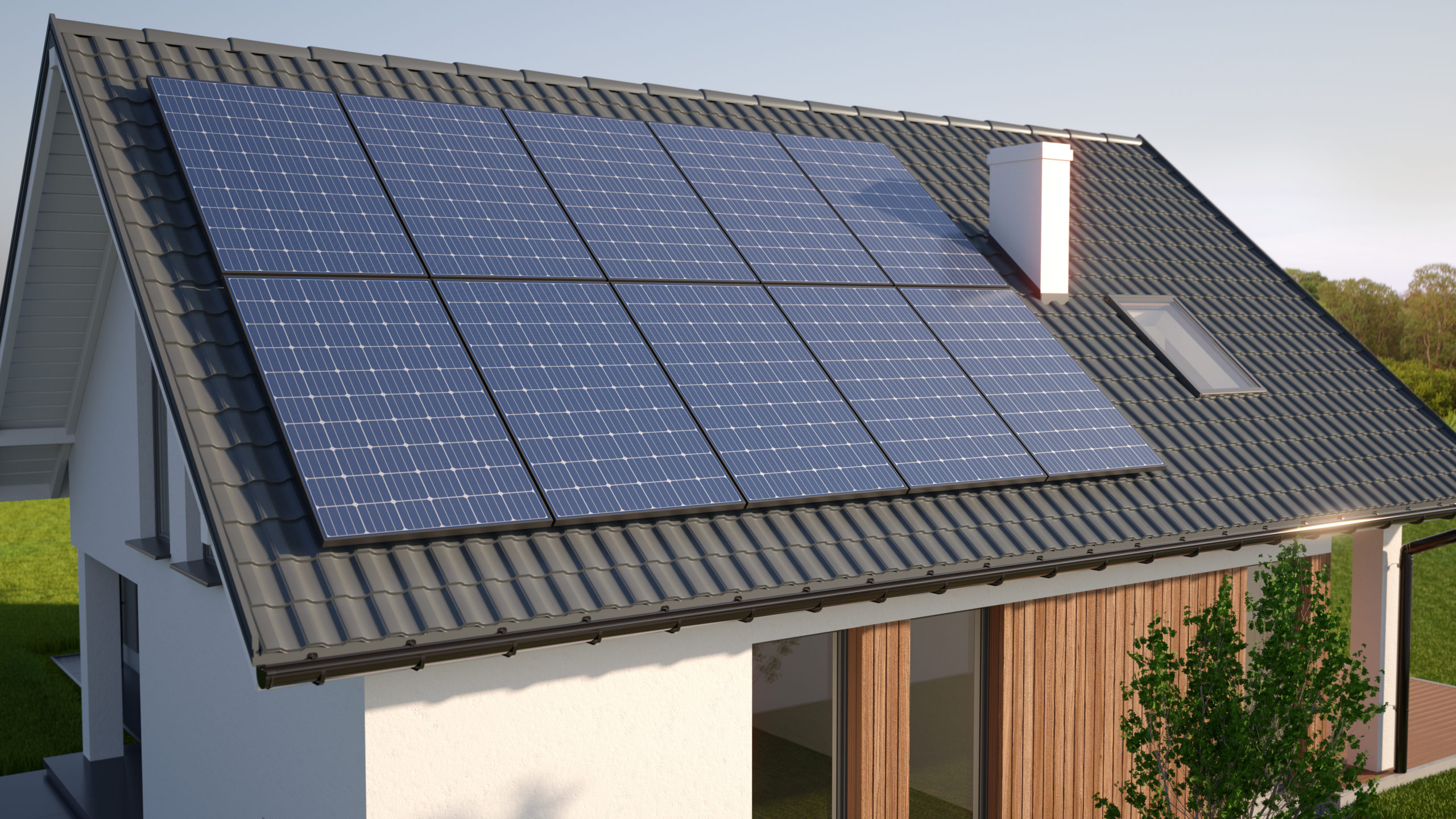
Tag: benefits of metal roofing

  • Metal Roofing 101

    Metal Roofing 101

    Metal Roofing 101: Understanding the Basics of Installation and Maintenance

    In a world increasingly conscious of environmental impact and long-term sustainability, metal roofing has surged in popularity as a more durable and eco-friendly alternative to traditional asphalt shingles. If you’re in the market for a new roof or pondering the benefits of upgrading your current one, understanding the nuances of metal roofing becomes paramount.

    This comprehensive guide will walk you through everything you need to know about the metal roofing 101 process, from initial choice to installation and beyond. We’ll explore the materials and styles available, the comparative advantages it offers, and essential maintenance tips to ensure your metal roof stands the test of time.

    Why Metal Roofing is Gaining Popularity

    Metal roofing is not a new concept; in fact, it has a history that predates the Middle Ages. However, it is the recent advancements in materials and technology that have sparked a revival of interest. Today, metal roofs are being lauded for their durability, energy efficiency, and diverse design options.

    1. A Brief History of Metal Roofs The origins of metal roofing date back to thousands of years, with examples of copper, lead, and bronze plates used by the Romans. Throughout history, metal roofing has surged and waned in popularity, with modern improvements making it a more accessible and practical choice for homeowners.
    2. Modern Applications and Innovations: Advancements in manufacturing have broadened the availability of durable and lightweight metal roofing options. With the introduction of aluminum, galvanized steel, and alloys like zinc and copper, the modern metal roof can withstand even the harshest environments, from desert heat to coastal storms.
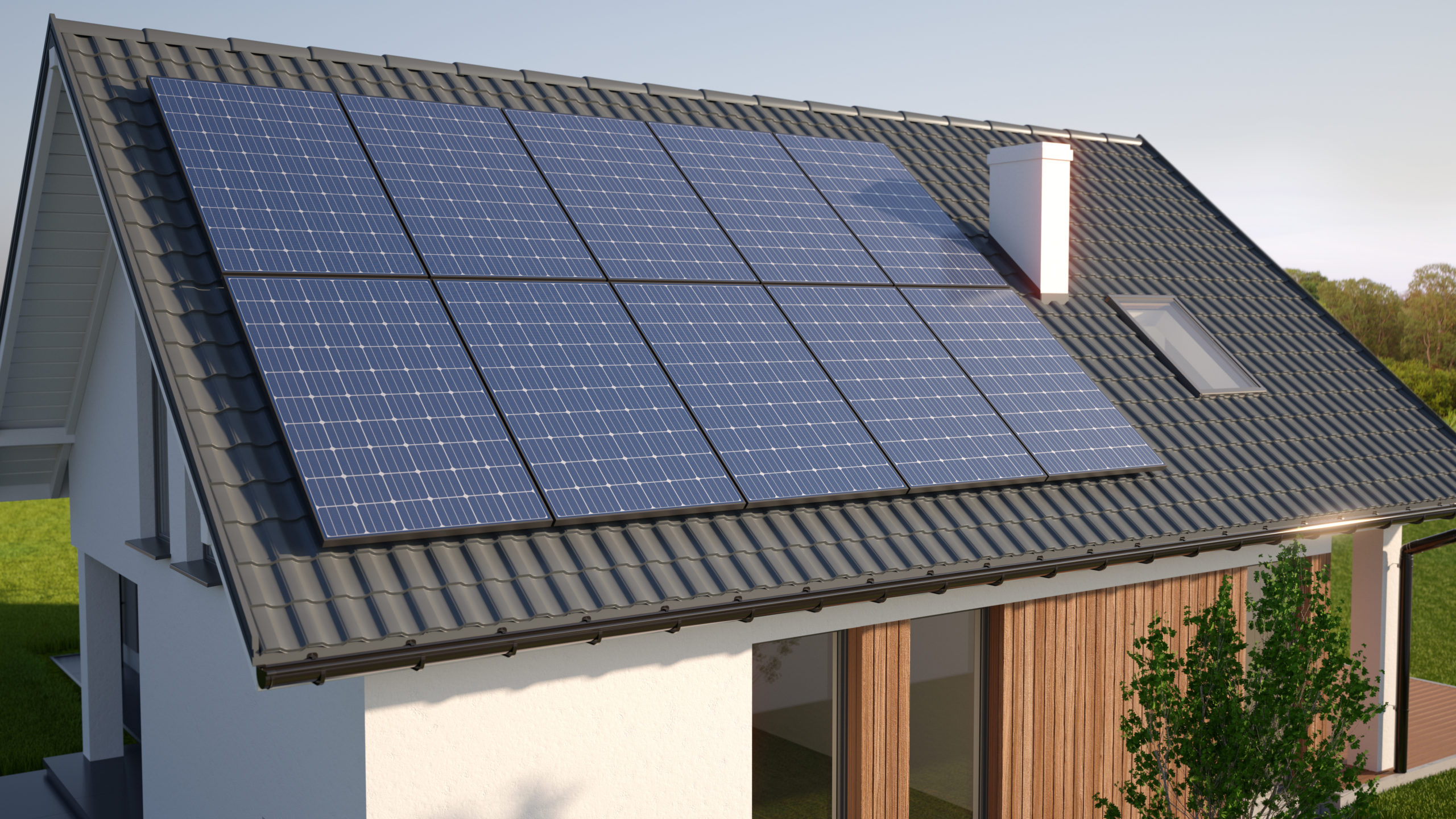
    Metal Roofing
    Metal Roofing

    The Basics of Metal Roofing: Materials, Styles, and Colors

    When it comes to selecting a metal roof, understanding the variety of materials, styles, and colors available is critical for making an informed decision that aligns with your aesthetic preferences and functional requirements.

    Materials

    The most commonly used materials for metal roofing include:

    • Aluminum: Known for its lightweight and corrosion-resistant properties, aluminum is an excellent choice for coastal areas. It reflects heat effectively, making it energy efficient for warmer climates.
    • Galvanized Steel: Steel coated with a layer of zinc to prevent rust. It is one of the most durable options, suitable for areas with extreme weather conditions.
    • Copper: Offers a unique, elegant appearance that develops a patina over time. Copper is extremely durable and can last for centuries, but it tends to be more expensive than other materials.
    • Zinc: Similar to copper, zinc is durable and resistant to corrosion. It also develops a protective patina that can extend its lifespan even further.

    Styles

    Metal roofing is available in a variety of styles, including:

    • Standing Seam: Features long, vertical panels connected by raised seams. This style is popular for its modern look and ability to efficiently shed water and snow.
    • Corrugated Metal: Known for its distinctive wavy pattern, corrugated metal is strong and cost-effective, making it a popular choice for industrial and agricultural buildings.
    • Metal Shingles: Designed to mimic traditional shingle roofing, metal shingles offer the classic appearance of wood or slate with the added benefits of durability and less maintenance.

    Colors

    Modern metal roofing comes in a broad spectrum of colors, from standard shades to custom hues. High-quality paint finishes can reflect solar energy, further enhancing the energy efficiency of metal roofs. Choosing a color is not just about aesthetics; it can also affect the thermal performance of the roof and, consequently, the energy costs associated with heating and cooling your home.

    By considering the materials, styles, and colors of metal roofing, homeowners can select a roofing solution that not only suits their style preferences but also meets their performance expectations, ensuring longevity and sustainability.

    Advantages of Metal Roofing

    Metal roofing offers several advantages over traditional roofing materials, making it an attractive choice for many homeowners. Here are some key benefits:

    • Longevity: One of the most significant benefits of metal roofing is its durability. Properly installed metal roofs can last 40 to 70 years, depending on the material, which is significantly longer than the lifespan of asphalt roofing, which typically lasts 20 to 25 years.
    • Weather Resistant: Metal roofs are highly resistant to extreme weather conditions, including heavy rains, high winds, hailstorms, and even wildfires. Their interlocking panels offer enhanced wind resistance, and their slick surface sheds snow and rain effectively, mitigating potential damage.
    • Energy Efficiency: Metal roofs reflect sunlight and re-emit absorbed solar radiation, which can significantly reduce cooling costs in the summer. Some metal roofs are treated with special pigments that increase their reflective properties, leading to even greater energy savings.
    • Eco-friendly: Metal roofs are environmentally friendly, often made of 25-95% recycled materials and being 100% recyclable at the end of their life. This contrasts sharply with traditional shingles, which contribute an estimated 20 billion pounds of waste to U.S. landfills annually.
    • Aesthetic Flexibility: With a wide range of materials, styles, and colors available, metal roofing can be tailored to match any architectural style, from traditional to contemporary. This versatility allows homeowners to achieve a unique look that complements their home and its surroundings.
    • Low Maintenance: Unlike other roofing materials that may require frequent repairs or replacements, metal roofs require minimal maintenance. Periodic inspections and simple cleanings are typically all that’s needed to maintain a metal roof’s integrity and appearance over decades.

    Choosing metal roofing offers a blend of longevity, durability, energy efficiency, and aesthetic appeal that is hard to match with other roofing materials. These advantages make it a compelling option for homeowners looking for a sustainable, low-maintenance roofing solution.
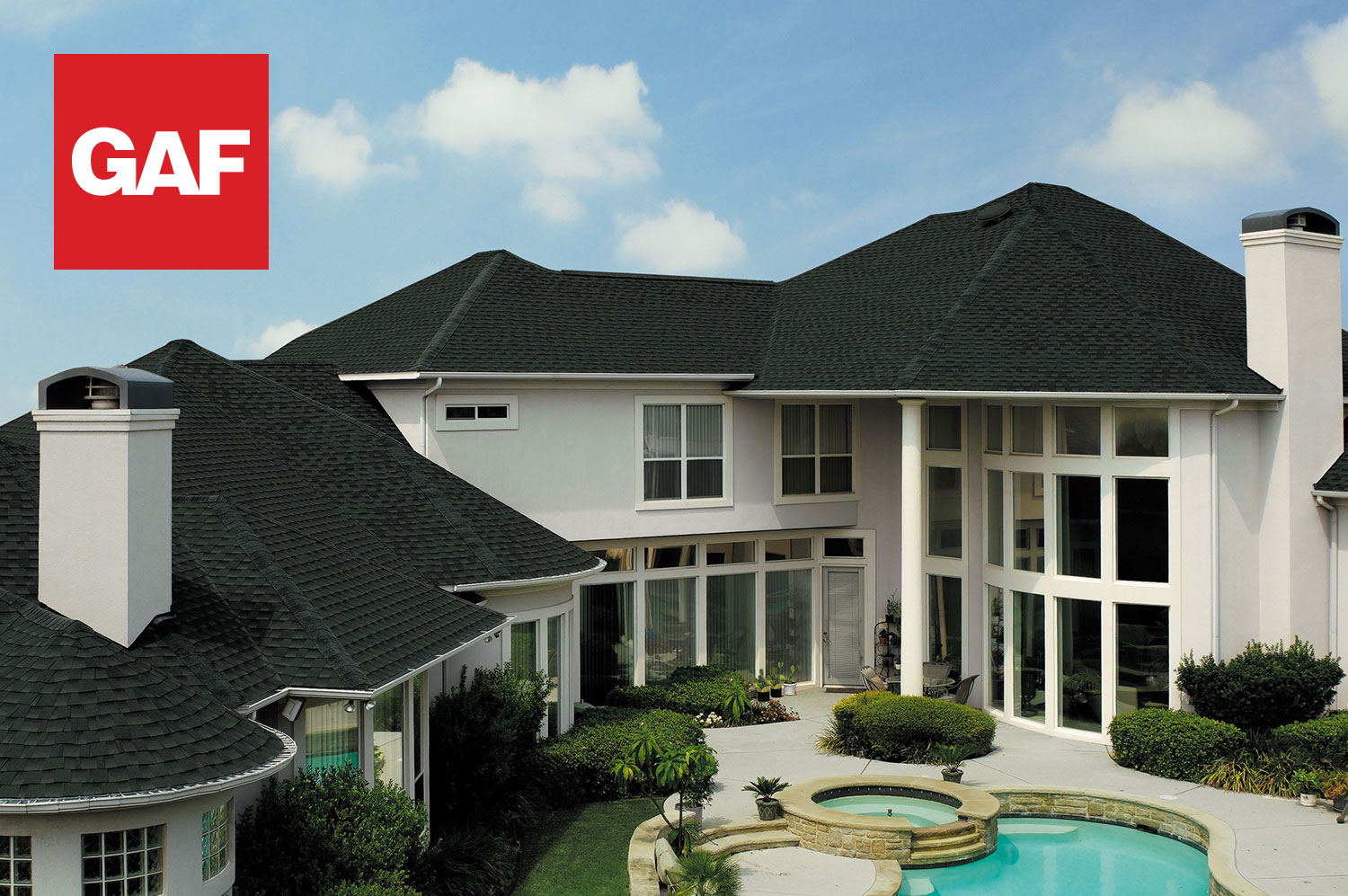
    Benefits of Metal Roofing
    Benefits of Metal Roofing

    Understanding the Installation Process: What to Expect

    The installation of a metal roof is a critical phase that demands meticulous planning, skilled labor, and an understanding of the unique characteristics of metal as a roofing material. Unlike traditional roofing materials, metal roofing encompasses a variety of installation techniques, each specific to the type of metal and roofing style chosen. Here are key aspects to anticipate during the installation process:

    • Initial Assessment and Measurement: The process begins with a comprehensive assessment of your existing roof structure. This step is vital to identify any structural issues that need addressing before the metal roof can be installed. Precise measurements are taken to ensure that the materials fabricated match the unique dimensions of your roof.
    • Choosing the Right Materials: Based on the initial evaluation, the roofing contractor will recommend the most suitable metal roofing material and style for your home. This decision is influenced by your local climate, architectural style, and personal preferences regarding color and finish.
    • Removal of Old Roofing (if necessary): In many cases, metal roofing can be installed over existing shingles without the need for removal. However, if your current roof is in poor condition or if local building codes require it, the old roofing materials will be carefully removed and properly disposed of.
    • Preparing the Roof Surface: Following any necessary removal, the roof decking is inspected and prepared. This may involve repairing or replacing damaged decking and installing an insulating layer or vapor barrier to enhance the performance of the metal roof.
    • Installation of Metal Panels or Shingles: Metal roofing materials are then installed, starting from the roof’s edge and progressing upwards. Panels or shingles are securely fastened to the roof deck, often using clips or fasteners designed to allow for thermal expansion and contraction.
    • Flashing and Finishing Touches: Flashing—a material used to prevent water from penetrating the junctions between roofing sections—is applied around edges, valleys, vents, chimneys, and other potential points of water ingress. This step is critical to ensure the roof’s watertight integrity.
    • Final Inspection: Once the installation is complete, a thorough inspection is conducted to verify that the roof has been installed correctly and to identify any potential issues that need addressing.

    Understanding the installation process helps homeowners prepare for what to expect and facilitates a smooth transition to a durable, aesthetically pleasing metal roof that will protect their home for decades.

    Essential Maintenance Tips to Prolong Your Metal Roof’s Lifespan

    To ensure your metal roof remains in optimal condition, and safeguarding your home for years to come, regular maintenance is crucial. Here are practical tips to prolong the lifespan of your metal roofing:

    • Routine Inspections: Conduct semi-annual inspections, ideally in the spring and fall, to check for signs of wear, such as scratches, dents, or rust. Pay close attention to seams, joints, and flashing, where issues are most likely to occur.
    • Keep it Clean: Remove any debris, like leaves, twigs, and dirt, that accumulates on the roof. This not only prevents the retention of moisture, which can lead to corrosion but also maintains the aesthetic appeal of your roof.
    • Deal with Rust Promptly: If you notice any spots of rust, it’s essential to address them immediately. Use a wire brush to gently remove the rust, then apply a primer and paint specifically designed for metal roofs to prevent future corrosion.
    • Ensure Proper Drainage: Keep gutters, downspouts, and roof valleys free of debris to ensure water can freely flow off the roof. Standing water can lead to issues, including accelerated wear and potential leaks.
    • Trim Overhanging Branches: Prevent damage from fallen branches or abrasion from leaves by keeping trees trimmed and away from the roof surface.
    • Avoid Walking on the Roof: Unless necessary for inspections or repairs, avoid walking on your metal roof. If you must, wear soft-soled shoes and walk carefully to avoid denting the panels or damaging the finish.
    • Professional Maintenance: Consider hiring a professional roofing contractor for regular maintenance. They can spot and address issues you might overlook and ensure your roof remains in top condition.

    Adhering to these maintenance tips can significantly extend the life of your metal roof, ensuring it remains a durable, energy-efficient, and attractive part of your home for decades.
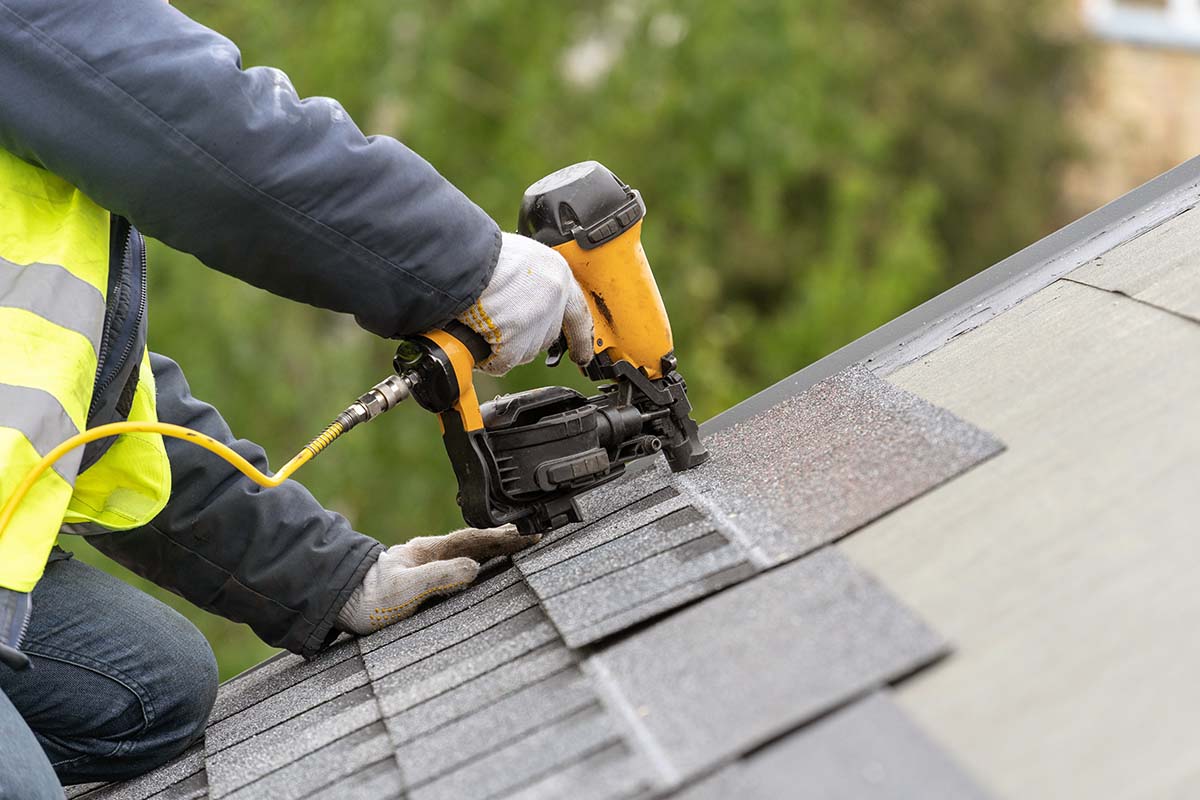
    Professional Roofer
    Professional Roofer

    Cost Considerations: The Long-Term Savings of Metal Roofing

    When evaluating the cost implications of metal roofing, it’s essential to consider not only the initial investment but also the long-term savings it offers. While the upfront cost of a metal roof is typically higher than that of traditional roofing materials, such as asphalt shingles, the return on investment over time can be significantly more beneficial. Here are several key points highlighting the long-term financial advantages of metal roofing:

    • Durability and Longevity: Metal roofs boast an impressive lifespan, often lasting 40 to 70 years, depending on the material. In contrast, traditional asphalt shingle roofs might require replacement every 15 to 20 years. This extended lifespan means fewer replacements and repairs, translating to substantial savings over time.
    • Energy Efficiency: Metal roofs reflect solar radiant heat, which can reduce cooling costs by 10% to 25% in hot climates. This energy-saving attribute helps homeowners save money on their air conditioning bills, especially during peak summer months.
    • Low Maintenance Costs: Aside from routine inspections and occasional cleaning, metal roofs require minimal maintenance. This contrasts with asphalt shingle roofs, which may require more frequent repairs or replacements due to weathering, damage, or aesthetic degradation.
    • Increased Home Value: Installing a metal roof can also elevate the market value of your property. Homes with metal roofs often attract more interest due to their aesthetic appeal, durability, and efficiency, leading to higher resale values.
    • Insurance Discounts: In some cases, homeowners may qualify for reduced home insurance premiums due to the enhanced durability and fire resistance of metal roofs. It’s advisable to consult with your insurance provider to explore potential savings.

    Considering these factors, while the initial outlay for a metal roof may be higher, the long-term savings on repair, replacement, energy bills, and potential insurance discounts can make it a highly cost-effective choice for homeowners seeking a reliable, low-maintenance, and energy-efficient roofing solution.

    In conclusion, metal roofing offers numerous advantages for homeowners, from its durability and longevity to its energy efficiency and cost savings over time. Understanding the installation process and adhering to regular maintenance can help maximize these benefits and prolong the lifespan of your metal roof. With proper care, a well-installed metal roof can protect your home for decades while also enhancing its curb appeal. So, if you’re considering a new roof for your home, it’s worth exploring the many benefits of metal roofing. 

    7289 OH-43, Kent, OH 44240, United States
    (330) 677-9463
  • The Advantages of Metal Roofing

    The Advantages of Metal Roofing: Why It’s a Top Choice for Homeowners

    When it’s time to replace your roof, the material you choose can make a significant difference in your home’s aesthetics, comfort, and overall value. Despite traditional materials like asphalt shingles and wood continuing to be popular choices, a quiet revolution is taking place in the roofing industry with the steady rise of metal roofing. This durable, stylish, and eco-friendly material offers a bevy of advantages that many homeowners are increasingly finding too compelling to ignore. 

    In this comprehensive guide, we’ll explore why metal roofing has become a top contender for those renovating their homes, and why you should consider it too. 

    A Brief History of Metal Roofing

    The use of metal for roofing can be traced back to ancient times. From the bronze plates of ancient Greek temples to the intricate copper roofs of medieval European castles, metal has long been valued for its strength and longevity. Fast forward to the 21st century, and we’re seeing a resurgence of interest in metal roofing, this time driven not just by craftsmanship, but by a combination of technology, environmental consciousness, and longevity.

    Modern manufacturing processes and materials have refined metal roofing, making it lighter, more affordable, and better looking. This post will explore the many reasons why metal roofing has become the preferred choice for homeowners who demand the best for their residences.

    Metal Roof
    Metal RoofMetal Roof

    Advantages of Metal Roofing

    Metal roofing offers several undeniable advantages that make it an exceptional choice for homeowners. Here are some of the key benefits of metal roofing:

    • Longevity: One of the most significant benefits of metal roofing is its durability and longevity. Unlike traditional materials that may require replacement every 20 to 30 years, a metal roof can last 50 years or more with minimal maintenance. This makes metal roofing an excellent long-term investment for your home.
    • Energy Efficiency: Metal roofs are highly energy efficient. They reflect solar radiant heat instead of absorbing it, which can help reduce cooling costs by 10-25%. This makes metal roofing not just an environmentally friendly option but also one that can help lower energy bills, especially in regions with hot climates.
    • Weather Resistance: Metal roofs boast superior resistance to various weather conditions. They can withstand high winds, heavy snowfall, hail, and even wildfires. This resilience contributes to their longevity and ensures that your home stays protected in harsh weather.
    • Aesthetic Flexibility: With modern advancements in manufacturing, metal roofing comes in an extensive array of styles, colors, and finishes. Whether your home is contemporary or traditional, you can find a metal roofing option that complements your home’s aesthetic perfectly.
    • Eco-Friendly: Metal roofing is environmentally friendly for several reasons. It is often made from recycled materials and is 100% recyclable at the end of its life. Additionally, its energy efficiency contributes to a reduction in environmental impact.
    • Low Maintenance: Metal roofs require significantly less maintenance than traditional roofing materials. They do not rot, deteriorate, or suffer from moss and algae growth, which means homeowners can enjoy a worry-free roof for decades.

    Given these advantages, it’s clear why metal roofing is quickly becoming the material of choice for homeowners seeking durability, efficiency, and style.

    Types of Metal Roofing

    When exploring metal roofing options, homeowners will find a variety of materials, each offering unique benefits and aesthetic choices. Here’s an overview of the most popular types of metal roofing:

    • Steel Roofing: Steel is the most commonly used metal roofing material, thanks to its durability and affordability. It’s coated with either zinc or a zinc-aluminum mixture to prevent rust. Steel roofing comes in three primary forms: galvanized, galvalume, and weathering steel (Corten), catering to different climates and architectural styles.
    • Aluminum Roofing: Ideal for coastal areas, aluminum roofing naturally resists corrosion and rust from saltwater exposure. It’s lightweight and can be painted in a vast array of colors, making it a versatile choice for various home designs.
    • Copper Roofing: Offering unparalleled beauty, copper roofing ages gracefully, developing a distinctive greenish patina over time. It’s highly durable, naturally resistant to corrosion, and often used for accentuating architectural details.
    • Zinc Roofing: Zinc roofs are known for their longevity, corrosion resistance, and the ability to self-heal scratches over time. Zinc’s malleability allows for unique architectural features and dramatic angles in roof design.
    • Titanium Roofing: While less common, titanium roofing is highly durable and resistant to corrosion. It’s an excellent choice for modern, high-end constructions due to its sleek appearance and exceptional strength.

    Each of these metal roofing options has its advantages, from the affordable durability of steel to the striking appearance of copper. The right choice depends on your budget, climate, and the aesthetic you envision for your home.

    Residential Metal Roofing
    Residential Metal Roofing

    Factors to Consider When Choosing Metal Roofing

    Selecting the right metal roofing for your home is a significant investment, and various factors must be considered to ensure it aligns with your needs and preferences. Here are the essential considerations when choosing metal roofing:

    • Climate Compatibility: It’s crucial to select a metal roofing material that stands up well to your local climate. For instance, aluminum is excellent for coastal homes due to its resistance to saltwater corrosion, whereas galvanized steel might be better suited for areas with varied weather patterns due to its overall durability.
    • Architectural Style: The roofing material should complement the architectural style of your home. Modern manufacturing techniques mean metal roofing can mimic the appearance of traditional materials like clay tiles, wood shakes, or slate, providing versatility across a vast range of home designs.
    • Color and Finish: Metal roofing comes in a broad spectrum of colors and finishes. Consider how the color you choose will look alongside your home’s exterior and in the varying lights throughout the day. Some finishes are also designed to enhance energy efficiency by reflecting more sunlight.
    • Environmental Impact: If environmental sustainability is important to you, look into the recycled content of the roofing material and its recyclability at the end of its life. Additionally, consider how the roof’s energy efficiency can contribute to reducing your home’s carbon footprint.
    • Budget: Metal roofing can be an initial higher investment compared to traditional materials, but it’s important to factor in the long-term savings it offers in terms of durability, maintenance, and energy efficiency. Determine your budget and consider how the costs will spread over the lifetime of the roof.
    • Installation and Maintenance: The complexity of installation can vary between different types of metal roofing, influencing the overall cost. Furthermore, while metal roofing is generally low-maintenance, some materials may require specific care or periodic treatments to maintain their appearance and longevity.
    • Warranty and Lifespan: Investigate the warranties offered by different manufacturers, as they can vary significantly. A longer warranty may reflect the manufacturer’s confidence in their product’s durability. Additionally, consider the expected lifespan of the material in relation to its cost and environmental impact.

    By carefully weighing these factors, homeowners can make an informed choice that balances aesthetics, functionality, cost, and sustainability, ensuring their metal roof serves as a durable, beautiful, and efficient covering for years to come.

    Cost Comparison: Metal Roofing vs. Traditional Materials

    When considering roofing options, it’s essential to understand the cost implications of metal roofing compared to traditional materials such as asphalt shingles, wood shakes, or clay tiles. Initially, metal roofing tends to have a higher upfront cost. This is due to the materials’ durability, longevity, and energy efficiency benefits, as well as the specialized installation process.

    For instance, while the average cost of installing a metal roof can vary significantly based on material, style, and region, it’s generally between 20% to 30% higher than the cost of traditional asphalt shingle roofing. However, this investment can pay off in the long term. Metal roofs can last up to 50 years or more with minimal maintenance, whereas asphalt shingles may need replacement every 15 to 20 years. Additionally, the energy efficiency of metal roofs, through solar reflectance and thermal emittance, can lead to savings on cooling costs during the summer months.

    Furthermore, homeowners should consider the potential increase in home value and the possibility of reduced insurance premiums due to the superior durability and fire resistance of metal roofing. These factors can significantly mitigate the initial cost difference over time, making metal roofing an economically viable choice for those planning to stay in their homes for many years.

    By evaluating both the short-term and long-term financial aspects, homeowners can make a more informed decision that aligns with their budget and investment mindset.

    Metal Roofing
    Metal Roofing

    Installation Process of Metal Roofing

    The installation of metal roofing is a precise and technical process that requires specialized skills and tools, making it crucial for homeowners to hire experienced contractors. The process generally follows these steps:

    • Initial Inspection and Measurement: Before anything, a thorough inspection of the existing roof structure is conducted to ensure it can support the weight of the metal roofing. Precise measurements are then taken to accurately plan the materials needed for the job.
    • Preparing the Roof Surface: Depending on the type of metal roofing system being installed and the condition of the existing roof, preparation may include removing old roofing material or repairing the roof deck. It’s essential that the surface is clean, dry, and flat.
    • Installing Underlayment: An underlayment, often made of synthetic materials, is laid over the roof deck for additional weather protection. This step is critical for ensuring a waterproof and vapor-resistant foundation beneath the metal panels or shingles.
    • Fitting Metal Panels or Shingles: Metal roofing materials come in panels or shingles, and the installation begins at the roof’s edge. For panel systems, they’re often secured using concealed clips or exposed fasteners, while shingles may be installed with special nails or screws.
    • Sealing and Flashing: Joints, edges, and any penetration through the metal roof like vents, chimneys, and skylights require careful sealing with appropriate sealants. Flashing is also applied to these areas to prevent water ingress, ensuring the roof is watertight.
    • Finishing Touches: Finally, trim pieces are applied to the roof edges, ridges, and valleys. These not only provide a finished look but also play a vital role in the overall waterproofing and weather resistance of the roof.

    The specific techniques and materials used can vary depending on the type of metal roofing installed and the architectural details of the home. It’s important to follow manufacturer recommendations closely to ensure the longevity and performance of the roof. Given the complexity of the installation process, it’s advisable for homeowners to work with reputable professionals who offer warranties on both materials and labor.

    Maintenance and Longevity of Metal Roofing

    One of the compelling advantages of metal roofing is its remarkable longevity, with many systems lasting upwards of 40 to 70 years, significantly outperforming traditional asphalt shingles. This longevity, however, is closely tied to proper maintenance, which is fortunately minimal for metal roofs. Routine maintenance typically involves:

    • Regular Inspections: Conduct bi-annual inspections (or after severe weather events) to identify and rectify minor issues before they escalate. Look for signs of wear, damage, loose fasteners, or sealant failures that could compromise the roof’s integrity.
    • Cleaning: Keep the roof surface clean from debris, leaves, and branches, which can retain moisture and potentially corrode the metal. Use a garden hose, not a power washer, as high pressure can damage the roof’s protective coating.
    • Preventing Metal Corrosion: In coastal areas or places with high pollution levels, consider additional protective coatings to guard against corrosion. Make sure any metal components used for repairs or modifications are compatible with your roof to prevent galvanic corrosion.
    • Clearing the Gutters: Ensure gutters and downspouts are clear of debris to prevent water buildup on the roof, which can lead to issues with moisture.
    • Trimming Overhanging Branches: Trim any trees with branches hanging over your roof to reduce debris and minimize the risk of damage from falling limbs.
    • Repairing Minor Damage Promptly: Even though metal roofs are durable, they can still be dented or scratched. Addressing minor damages quickly can prevent leaks and rust.

    By observing these maintenance practices, homeowners can ensure their metal roof remains in optimal condition, safeguarding their investment and sustaining the roof’s aesthetic appeal and functionality for decades. Additionally, selecting a reputable installer who provides a comprehensive warranty on both materials and labor can offer further peace of mind regarding the roof’s longevity and performance.

    In conclusion, metal roofing offers numerous benefits for homeowners, from its durability and fire resistance to its energy efficiency and potential cost savings. While the initial cost may be higher than traditional roofing materials, the long-term financial advantages coupled with the low maintenance requirements make it a worthwhile investment. By understanding the installation process and implementing proper maintenance practices, homeowners can ensure their metal roof remains in top condition, providing reliable protection for their home for many years to come. 

    7289 OH-43, Kent, OH 44240, United States
    (330) 677-9463
  • Metal Roof Installation

    The Ultimate Guide to Metal Roof Installation

    Metal roof installation is an important task that requires careful consideration and planning. From selecting the right materials to hiring experienced professionals, there are many facets involved in ensuring a successful project result. If you’re considering installing a metal roof on your property, this guide will provide an overview of what to expect throughout the process–from start to finish. Whether you’re a homeowner or marketer looking for a better understanding of metal roof installation procedures, we have outlined the key steps taken during each phase of the job. Read on and learn what it takes to get your metal roofs installed correctly!

    Metal Roofing Services
    Metal Roofing Services

    Overview of Metal Roofs – Types, Benefits, & Cost

    Metal roofs have become increasingly popular for homeowners in recent years due to their durability, longevity, and aesthetic appeal. From standing seam to corrugated metal, there are many types of metal roofs to choose from. They offer benefits such as energy efficiency, fire resistance, and low maintenance requirements. Though the initial cost of a metal roof may be higher than traditional roofing materials, the long-term savings are substantial. With a lifespan of over 50 years, metal roofs are a wise investment for those looking for a reliable and attractive roofing option.

    Preparing Your Home for Metal Roof Installation 

    Are you getting ready to upgrade your home with a metal roof installation? It’s an exciting decision, but it also requires proper preparation. Before you start laying your new roof, you need to prepare your home to ensure a successful installation process. This includes inspecting your roof for any damages or issues that need to be resolved before installation. You’ll also need to clear the area around your home from any obstacles that could get in the way of your roofing team. 

    The Different Steps of Installation from Start to Finish 

    There’s always something thrilling about starting a new project, especially when it’s installing something from scratch. Whether it’s a brand new piece of software or a home renovation, the different steps of installation can be both exciting and daunting. From the initial planning and preparation to the final touches, every step is crucial to a successful outcome. It’s important to take the time to understand each step thoroughly, from start to finish, to avoid any mistakes that could lead to frustration down the line.  

    Tips for Hiring a Professional Metal Roofing Contractor 

    When it comes to installing or repairing a metal roof, hiring a professional contractor is crucial to ensure the job is done properly. But how do you go about finding the right contractor for the job? Start by doing your research and checking their credentials, such as licenses, insurance, and certifications. Don’t hesitate to ask for references or examples of their previous work. Additionally, it’s important to establish clear communication and expectations from the beginning to avoid any misunderstandings or surprises later on.  

    Frequently Asked Questions about Metal Roofs 

    If you’re considering a metal roof for your home or business, you likely have a lot of questions. The good news is that metal roofs are becoming increasingly popular, meaning there’s a wealth of information available to help you make an informed decision. Common questions include whether metal roofs are noisy, if they attract lightning, and whether they’re more expensive than traditional roofing materials. While the answers to these questions can vary depending on several factors, understanding the basics of metal roofing can help you decide whether it’s the right choice for you.

    DIY Tips for Installing a Metal Roof Yourself

    Installing a metal roof can be a daunting task, but with these DIY tips, you can tackle the project with confidence. One crucial step is to measure your roof accurately. Take into account any chimneys or skylights and factor them into your calculations. Next, choose quality materials and invest in the right tools to make the job easier. Avoid walking on the roof as much as possible to prevent damage, and work in small sections to stay organized. Properly sealing the roof at every joint and penetration point is also essential to prevent leaks.  

    Overall, a metal roof can be a very rewarding investment for your home. With proper preparation and installation using quality materials, your metal roof should last you many years of reliable protection from the elements. When considering having a metal roof installed, it is best to select a qualified professional contractor who is certified in metal roofing installation. Be sure to ask any questions that you may have beforehand, explore the different types of material available, and always have an inspection performed afterwards if possible.

    Residential Roofing Company Near Me
    Residential Roofing Company Near Me
    7289 OH-43, Kent, OH 44240, United States
    (330) 677-9463