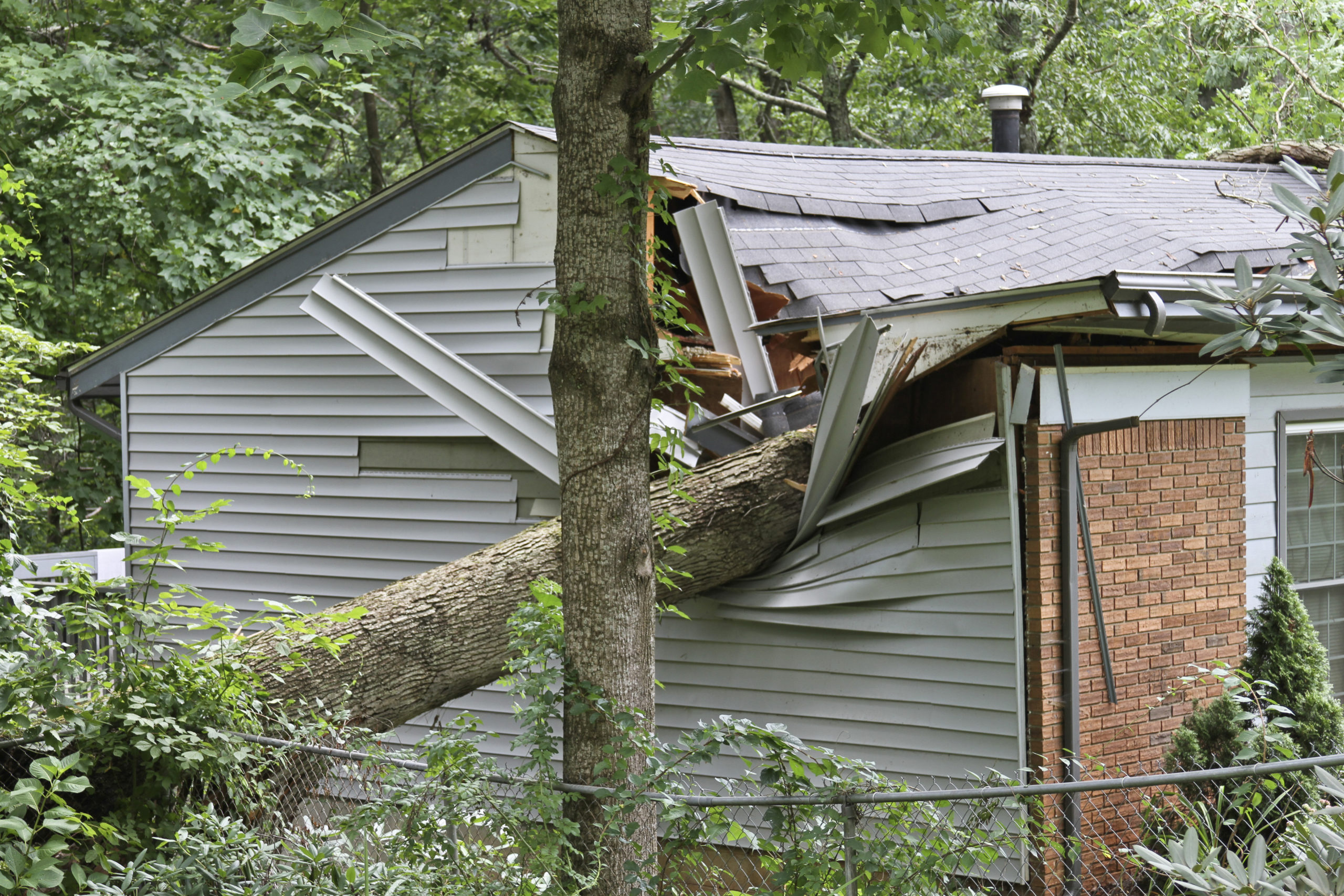
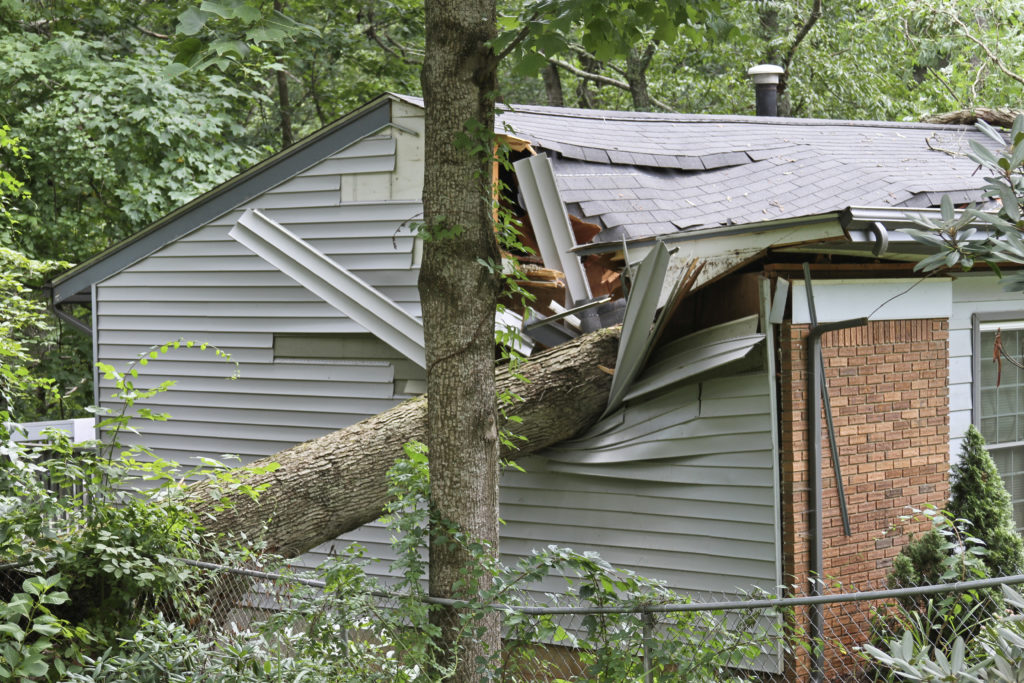
Tag: emergency roof leak repair

  • Emergency Roof Leak Repair

    Emergency Roof Leak Repair: What to Do When Disaster Strikes

    A roof leak is one of the most dreaded maintenance issues for any homeowner or property manager. It’s a problem that can lead to serious damage if left unattended—mold growth, compromised structural integrity, and damage to your home’s interior can all result from a small, seemingly innocuous leak that’s allowed to grow. 

    This guide is designed to equip you with the knowledge and techniques needed to handle an emergency roof leak repair swiftly and effectively until professional help is available. Whether you’re a seasoned DIY enthusiast or a homeowner just getting to know the ropes, these steps will help you protect your property when disaster strikes.

    Identifying the Problem: Signs of a Roof Leak

    The initial stage in tackling a roof leak is recognizing that you have one, which can sometimes be less obvious than expected. Early detection is crucial to minimize damage, so be on the lookout for these signs:

    • Water Stains: These are typically brownish spots on your ceiling or walls. They can be irregular in shape and might not directly align with the leak source due to water traveling along roof panels or beams.
    • Dripping Water: The most undeniable sign of a leak is the presence of water where it shouldn’t be. You might hear dripping sounds or see water accumulating in puddles during or after a rainstorm.
    • Mold and Mildew Growth: Excessive moisture from a leak can lead to the growth of mold and mildew, not only on the exterior but also within the structure of your home. This growth can produce a musty odor and pose health risks to residents.
    • Missing or Damaged Shingles: Visibly damaged, curled, or missing shingles can indicate potential leak points. Regularly inspecting your roof, especially after severe weather, can help identify these issues early.
    • Clogged Gutters: Gutters filled with debris can cause water to back up and seep under your roof shingles, leading to leaks. Keeping gutters clean is an essential preventative measure.

    By remaining vigilant and regularly inspecting your property for these signs, you can catch roof leaks early and address them before they escalate into larger issues.
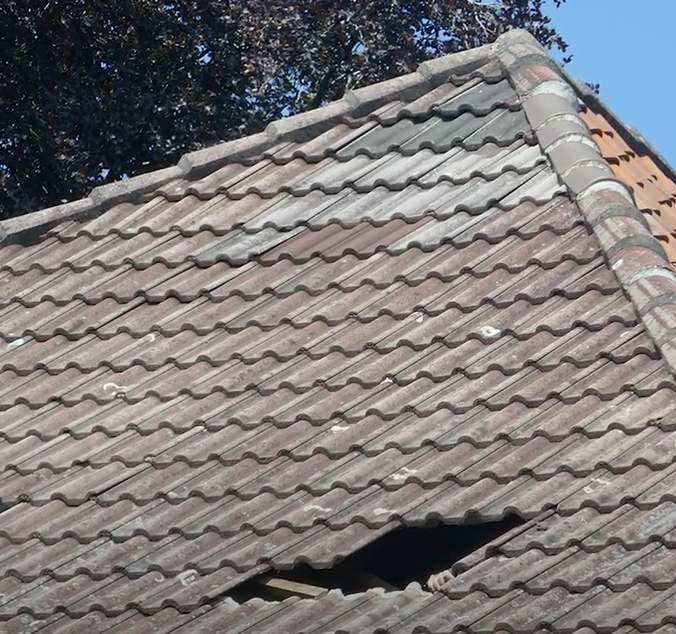
    Roof Leak Repair
    Roof Leak Repair

    Staying Safe: Precautions to Take Before Attempting a Repair

    Before you climb onto the roof to address a leak, ensuring your safety is paramount. Roof repairs can be hazardous, particularly during or immediately after bad weather, when surfaces are slippery and visibility may be low. Here are essential safety precautions you should take:

    • Wait for Clear Weather: Never attempt roof repairs during a storm or when the roof is wet. Wet roofs are incredibly slippery, and storms can present unforeseen hazards.
    • Use Proper Safety Gear: Always wear non-slip shoes or boots with good traction. It’s also advisable to use safety harnesses or ropes if you’re working on a steep or high roof.
    • Notify Someone: Make sure someone knows you’re going to be on the roof. In case of an accident, it’s crucial that someone is aware and can call for help if necessary.
    • Use a Sturdy Ladder: Ensure your ladder is stable and securely positioned. If possible, have someone hold the ladder while you ascend and descend.
    • Beware of Power Lines: Be conscious of any overhead power lines near your roof. Avoid ladders that could contact these lines, and maintain a safe distance at all times.
    • Do Not Overreach: Stay centered on the roof and avoid leaning over edges or reaching too far. If you can’t safely access an area, it may be better to call a professional rather than risk a fall.

    Taking these precautions can greatly reduce the risk of injury when attempting to repair a roof leak. Remember, if the repair is beyond your skill set or if you feel unsafe at any point, it’s best to call in a professional roofing contractor.

    Gather Your Materials: What You’ll Need for Emergency Roof Leak Repair

    Before attempting any repairs, gathering all necessary materials in advance can help streamline the process and ensure you’re prepared for any situation. Here’s a checklist of materials you’ll likely need for temporary emergency roof leak repairs:

    • Tarp: A large, waterproof tarp can provide immediate cover to the affected area, preventing further water ingress until permanent repairs can be made.
    • Roofing Nails and Hammer: These are essential for securing the tarp to your roof without causing additional damage. Make sure the nails are appropriate for your roofing material.
    • Utility Knife: A sharp utility knife is useful for trimming the tarp and any other materials to the correct size.
    • Bucket and Sponges: Keep a bucket and sponges handy to clean up any standing water inside your home. This can prevent further interior damage and help identify the leak’s source.
    • Roofing Cement: Apply roofing cement to small holes or cracks. It’s a quick and effective way to seal leaks temporarily.
    • Caulking Gun and Caulk: For leaks around roof penetrations like vents and chimneys, caulk can provide a temporary seal.
    • Flashlight: Useful for finding your way around the roof and attic, especially if you’re working during low-light conditions.
    • Rubber-soled Shoes: Ensure your shoes have excellent traction to minimize the risk of slipping.
    • Safety Gear: Don’t forget your safety gear, including gloves, safety glasses, and a hard hat, to protect yourself from injuries.

    Having these materials on hand before starting your repair can save precious time and help mitigate the leak’s impact more effectively. Remember, these are temporary fixes. Once weather conditions improve, it’s crucial to arrange for a professional inspection and permanent repair by a qualified roofing contractor.
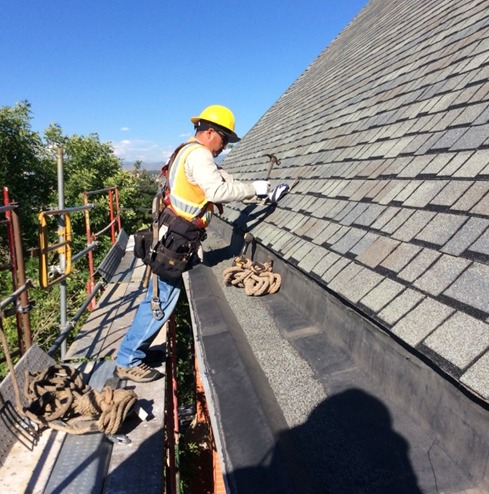
    Roofing Contractor
    Roofing Contractor

    Step-by-Step Guide: Temporary Fixes for Different Types of Roof Leaks

    Whether facing leaks due to missing shingles or compromised sealing around roof penetrations, addressing the issue promptly can prevent significant damage. Below is a simple guide to executing temporary fixes based on the type of roof leak you encounter:

    For Missing or Damaged Shingles:

    • Assess the Damage: Locate the area where the shingles are missing or damaged. This is often a clear entry point for water.
    • Prepare the Area: Remove any debris or broken shingle pieces.
    • Apply Roofing Cement: Spread a generous amount of roofing cement on the area where the shingle is missing or damaged.
    • Place a Replacement Shingle or a Piece of Flashing: If you have a spare shingle, fit it into place, pressing firmly into the cement. If not, a piece of metal flashing cut to size can work as a temporary fix.
    • Secure the Shingle or Flashing: Nail the replacement shingle or flashing into place, then seal the nail heads with roofing cement to waterproof it.

    For Leaks Around Chimneys or Roof Vents:

    • Inspect the Seal: Identify where the sealant around the base of the chimney or vent has failed.
    • Clean the Area: Ensure the area is free from dirt, moss, or other debris.
    • Apply Caulk: Using a caulking gun, apply a new layer of waterproof sealant around the chimney or vent, covering the area where the old sealant has failed.
    • Smooth the Sealant: Use a putty knife or your finger (wearing a glove) to smooth out the sealant and ensure it covers the area evenly

    For Punctures or Small Holes

    • Locate the Hole: Find the exact spot of the puncture or small hole that’s allowing water entry.
    • Clean the Surface: Remove any debris or water around the hole. The surface needs to be dry for the repair materials to adhere properly
    • Apply Roofing Cement: Cover the hole with a thick layer of roofing cement using a putty knife.
    • Place a Patch: If the hole is large, apply a piece of roofing fabric over the cement, then add another layer of cement over the fabric to fully seal the hole.

    For Clogged Gutters:

    • Safety First: Ensure you have a stable ladder and someone to spot you.
    • Remove Debris: Use gloves to remove leaves, twigs, and any other blockages from the gutters.
    • Check Downspouts: Make sure downspouts aren’t clogged. Use a hose to flush out any lingering debris.
    • Inspect for Damage: Look for any signs of damage to the gutters that might also contribute to leaks and address them accordingly.

    Always remember, that these are temporary fixes to mitigate immediate damage. For comprehensive and long-lasting repairs, consult with a professional roofing contractor who can assess and address the root cause of the leaks.

    Calling in the Pros: When You Should Seek Professional Help

    While the temporary fixes outlined above can help mitigate immediate water damage, they are not long-term solutions. It’s crucial to recognize when professional help is needed. Seeking the expertise of a professional roofing contractor is advisable in the following scenarios:

    • Extensive Damage: If your roof has suffered extensive damage, such as large areas of missing shingles or significant structural issues, a professional assessment and repair are necessary.
    • Persistent Leaks: If after attempting temporary repairs, you continue to experience leaks, this could indicate a more complex underlying issue that requires expert diagnosis and resolution.
    • Safety Concerns: Roofing work can be dangerous. If accessing your roof poses a significant risk due to its height, pitch, or the complexity of the repair, it’s safer and wiser to contact a professional.
    • Warranty Considerations: DIY repairs on a roof that’s under warranty might void your warranty. Always check the terms of your warranty and consider professional repairs to maintain coverage.
    • Lack of Tools or Expertise: If you lack the necessary tools, materials, or confidence in your ability to perform the repairs properly, hiring a professional will save time and prevent potential further damage.

    Remember, a professional roofing contractor can provide a comprehensive assessment, address the root cause of the leak, and perform repairs that ensure your roof’s integrity and longevity. Prioritizing safety and effectiveness, seeking professional help when needed is a prudent decision in maintaining your home’s health and your peace of mind.

    Professional Roof Repair
    Professional Roof Repair

    Preventing Future Leaks: Maintenance Tips to Keep Your Roof Leak-Free

    Preventing future leaks requires regular roof maintenance and vigilance to ensure the integrity of your roof. Here are some tips to help keep your roof in top condition and leak-free:

    • Regular Inspections: Conduct visual inspections of your roof at least twice a year, in the spring and fall. Look for signs of wear, damage, or aging, such as missing shingles, cracked sealant, or warping. Early detection of potential issues can prevent minor problems from escalating into significant leaks.
    • Clean Your Gutters: Ensure your gutters and downspouts are free from debris, such as leaves, twigs, and dirt. Clogged gutters can lead to water backing up and potentially entering your home, causing damage. Cleaning your gutters regularly promotes proper water flow away from your roof and foundation.
    • Trim Overhanging Tree Branches: Trees that overhang your roof can pose a risk during storms; branches can fall and damage your roof or provide a pathway for squirrels and other animals to access and potentially harm your roof. Regularly trimming these branches can reduce these risks.
    • Address Repairs Promptly: If you identify minor damage or wear, address it promptly before water has a chance to enter and cause further damage. Small issues like cracked or missing shingles and broken seals around vents or chimneys can be quickly remedied if caught early.
    • Ensure Proper Attic Ventilation and Insulation: Proper ventilation and insulation in your attic can prevent heat and moisture build-up that can weaken your roof over time, leading to leaks. Ensure your attic is properly insulated and that ventilation paths are clear to promote air flow.
    • Professional Roof Inspection: Beyond your own visual inspections, having a professional roofing contractor inspect your roof every few years can help identify issues that may not be obvious to the untrained eye. They can also offer advice on any preventive measures that could be taken.

    By following these maintenance tips, you can extend the life of your roof and prevent future leaks, ensuring your home remains safe and dry. Regular attentiveness to the condition of your roof is the best strategy to avoid unforeseen repairs and costs.

    In conclusion, leaks in your roof can be a frustrating and potentially costly issue for homeowners. However, with the right knowledge and tools, many minor leaks can be addressed temporarily until a professional can provide a long-term solution. It’s essential to prioritize safety when attempting any DIY repairs and to know when it’s time to seek professional help. Regular maintenance and inspections are also crucial in preventing future leaks and maintaining the integrity of your roof. By following these tips, you can keep your roof leak-free and protect your home for years to come. 

    7289 OH-43, Kent, OH 44240, United States
    (330) 677-9463
  • Emergency Roof Repair

    Emergency Roof Repair

    Overcoming Crisis: An Insight into Emergency Roof Repair

    It’s the dead of night, and the storm outside is raging. Suddenly, there’s a drip, then another, and another – your heart sinks as you realize your roof is leaking. This is every homeowner’s nightmare, a crisis that sends chills down your spine. But before you let panic set in, remember this – you’re not alone. Welcome to our blog post, Overcoming Crisis: An Insight into Emergency Roof Repair. In this post, we will turn the tables on that tempest outside. We’ll transform your fear into knowledge, and your crisis into an opportunity. This isn’t just about patching up a leak; it’s a journey into the heart of your home, strengthening it against future storms. We’ll provide practical advice, expert insights, and step-by-step guides to navigate the chaos of emergency roof repairs. So, pull up a chair, and let’s brave this storm together. Because when it comes to your home, no weather should ever leave you feeling under the weather.

    Understanding the Urgency

    Imagine this scenario: you’re relaxing on a quiet afternoon when suddenly, an unexpected drip interrupts your tranquility. You look up to find a small water stain spreading across your ceiling. A sense of alarm sets in as you realize this indicates a leak in your roof. But why should this minor inconvenience warrant immediate attention? The answer lies in understanding the urgency attached to emergency roof repair.

    In the face of roof damage, every second counts. A simple leak or a few missing shingles might seem trivial at first glance, but they can quickly evolve into a major crisis if not addressed promptly. Water intrusion can lead to structural issues, mold growth, and damage to interior furnishings. These problems not only disrupt your daily life but also pose potential health risks. The longer these issues persist, the more they escalate, transforming a manageable situation into an overwhelming disaster.

    Moreover, it’s not just about the immediate impacts. The longevity of your roof is also at stake. Postponing minor repairs today could mean dealing with major ones tomorrow, shortening your roof’s lifespan and necessitating costly replacements much earlier than anticipated. What might appear as a minor issue now could snowball into a significant problem down the line, making swift action vital to preserving your home’s structural integrity.

    In conclusion, understanding the urgency of emergency roof repair involves recognizing the potential chain reaction of problems that could arise from delay. It’s about safeguarding your home, your sanctuary, from escalating damage. Therefore, the next time you spot a roof leak or a missing shingle, remember the potential implications and act swiftly. Your home, and your peace of mind, are worth it.

    Emergency Roof Repairing Service
    Emergency Roof Repairing Service

    Identifying the Damage

    When it comes to your home, your roof is your first line of defense against the elements. But what happens when this protective shield shows signs of damage? It’s crucial to understand how to identify these signs to take immediate action for emergency roof repair. This isn’t just about maintaining the aesthetic appeal of your home; it’s about preserving its structural integrity and ensuring your safety.

    Identifying roof damage can be as straightforward as observing missing or damaged shingles. These are often the first visible signs of a problem, exposing your roof to potential leaks and other issues. However, the signs of damage can also be subtle, requiring a keen eye. For instance, inspecting your ceilings for water stains can indicate a leaky roof, even if the leak isn’t directly visible. Similarly, checking your gutters for excessive granules from your shingles can signal a potential issue.

    In addition to visual signs, other indicators might not be immediately noticeable. You might experience an unexpected increase in your energy bills due to poor insulation resulting from roof damage. Or you might notice a musty odor in your home, signaling possible mold growth due to moisture intrusion. Understanding these less obvious signs is equally important in identifying the need for emergency roof repairing.

    In conclusion, identifying the damage for emergency roof repair is a multi-faceted process. It involves looking out for both obvious signs like missing shingles and subtle indications like increased energy bills or musty odors. Remember, early detection is key in mitigating the effects of roof damage. So, stay vigilant and act promptly at the first sign of trouble. Your home’s wellbeing depends on it.

    Hiring the Right Professionals

    When you’re dealing with a roof in need of emergency repair, it’s not just about fixing the problem — it’s about finding the right team to do the job. Your home is your sanctuary, and entrusting its care to someone else can feel daunting. This is where understanding the importance of hiring the right professionals for emergency roof repair comes into play.

    Professionalism and expertise are paramount when choosing a roof repair service. A good professional will not only fix the immediate issue but also identify any underlying problems that might have led to the damage in the first place. They should be able to provide a comprehensive assessment of your roof’s condition, offering solutions tailored to your specific needs. Remember, a quick fix isn’t always the best fix; you need someone who will provide a long-term solution.

    In addition to technical expertise, the right professionals should also prioritize customer service. Roof repair can be a stressful process, and working with a team that is respectful, communicative, and responsive can make all the difference. Look for a service that is transparent about their processes and willing to answer any questions you might have. After all, you’re not just paying for a service; you’re investing in peace of mind.

    In conclusion, hiring the right professionals for emergency roof repair involves more than just finding someone who can patch up a leak. It’s about seeking out a team that combines technical expertise with excellent customer service, providing a comprehensive solution to your roofing issues. The next time you find yourself needing emergency roof repair, remember these points and choose wisely. Your home deserves nothing less than the best.

    Navigating Insurance Claims

    In the stressful aftermath of discovering roof damage, the prospect of navigating an insurance claim can seem overwhelming. However, understanding the process and knowing what to expect can make this task less daunting. When it comes to emergency roof repair, having the right information at your fingertips is key to successfully maneuvering through insurance claims.

    The first step is prompt communication with your insurance company. This not only initiates the claims process but also ensures you’re within any specified time limits for filing a claim. While it’s essential to act quickly, it’s equally important to be thorough. Document the damage in detail, using photos or videos as evidence. This will support your claim and provide a clear picture of the extent of the damage.

    Understanding your policy is another crucial part of the process. Knowing what is covered and what isn’t can save you from unwanted surprises down the line. If certain aspects of your policy are unclear, don’t hesitate to ask your insurance agent for clarification. Remember, it’s their job to help you understand your coverage.

    Finally, maintaining open lines of communication with your insurance adjuster throughout the process can help keep your claim on track. Regular updates can ensure that all necessary steps are being taken and that your claim is being processed promptly. With patience, persistence, and the right knowledge, navigating insurance claims for emergency roof repair can be a manageable task.

    In conclusion, navigating insurance claims for emergency roof repair might seem complex, but with careful attention to detail, understanding of your policy, and consistent communication with your insurance company, the process can be made smoother. So, when faced with the need for emergency roof repair, equip yourself with these tips and navigate your insurance claim with confidence.

    Insurance Claim for Roof Repairing Service
    Insurance Claim for Roof Repairing Service

    Preventive Measures

    The adage “Prevention is better than cure” rings particularly true when it comes to maintaining the health of your roof. A well-maintained roof can save you from the stress and cost of emergency repairs. Here are some preventive measures that can help ensure your roof is equipped to withstand the elements and safeguard your home.

    Regular roof inspections are a crucial part of preventive maintenance. These inspections allow you to spot potential issues before they escalate into major problems. An inspection should cover all aspects of your roof, such as checking for loose or damaged shingles, looking for signs of leaks, and assessing the overall condition of your roof. Remember, early detection is key to preventing emergencies.

    Another preventive measure is keeping your roof clear of debris. Leaves, branches, and other debris can accumulate over time, leading to blockages that can cause water to pool and damage your roof. Regularly clearing your roof not only helps prevent this but also allows you to spot any potential issues that might be hidden beneath the debris.

    Investing in durable, waterproof materials like tarps can also be beneficial. In case of a sudden leak, these can provide a temporary solution, protecting your home from water damage until professional help arrives. While this is more of a reactive measure, having such materials on hand can be seen as a form of prevention, preparing you for emergencies should they arise.

    In conclusion, preventive measures for emergency roof repair involve regular inspections, debris removal, and being prepared with the right materials. By taking these steps, you can ensure that your roof remains in good condition, potentially saving you from the need for emergency repairs. After all, a healthy roof is a cornerstone of a safe and secure home.

    The Role of Routine Maintenance

    Routine maintenance plays an essential role in preventing emergency roof repairs. Like any other part of your home or commercial building, your roof requires regular upkeep to ensure its longevity and optimal performance. Ignoring this crucial aspect could lead to costly repairs and potentially significant business disruptions.

    Regular inspections and routine maintenance are key in identifying and addressing minor issues before they escalate into major problems. Semi-annual roof and attic inspections can help detect signs of wear and tear, such as damaged shingles or leaks, early on. Moreover, tasks like cleaning and replacing gutters contribute significantly to maintaining the overall health of your roof.

    In addition to preventing emergency repairs, routine maintenance also helps maintain property value and enhance energy efficiency. A well-maintained roof is more likely to perform better in terms of insulation, leading to lower energy consumption and costs. Furthermore, regular maintenance can extend the lifespan of your roof, saving you from premature replacement costs.

    In conclusion, the role of routine roof maintenance for emergency roof repair cannot be overstated. It’s not just about avoiding emergencies; it’s about safeguarding your investment, enhancing the efficiency of your property, and ensuring peace of mind. So, make regular roof maintenance a priority, and enjoy the benefits of a well-cared-for roof.

    Facing a roofing crisis can be overwhelming, but with the right knowledge and resources, you can navigate through it effectively. Understanding the urgency, identifying the damage, hiring professionals, dealing with insurance, and taking preventive measures are all crucial steps in overcoming such a crisis. Remember, emergency roof repair is not just about fixing a problem; it’s about securing your home, your safety, and your peace of mind. So, prioritize regular maintenance, and be prepared to tackle any challenges that come your way with confidence.  By taking these steps, you can ensure that your roof remains in good condition, potentially saving you from the need for emergency repairs. After all, a healthy roof is a cornerstone of a safe and secure home.

    7289 OH-43, Kent, OH 44240, United States
    (330) 677-9463