Tag: metal roof maintenance

  • The Advantages of Metal Roofing

    The Advantages of Metal Roofing: Why It’s a Top Choice for Homeowners

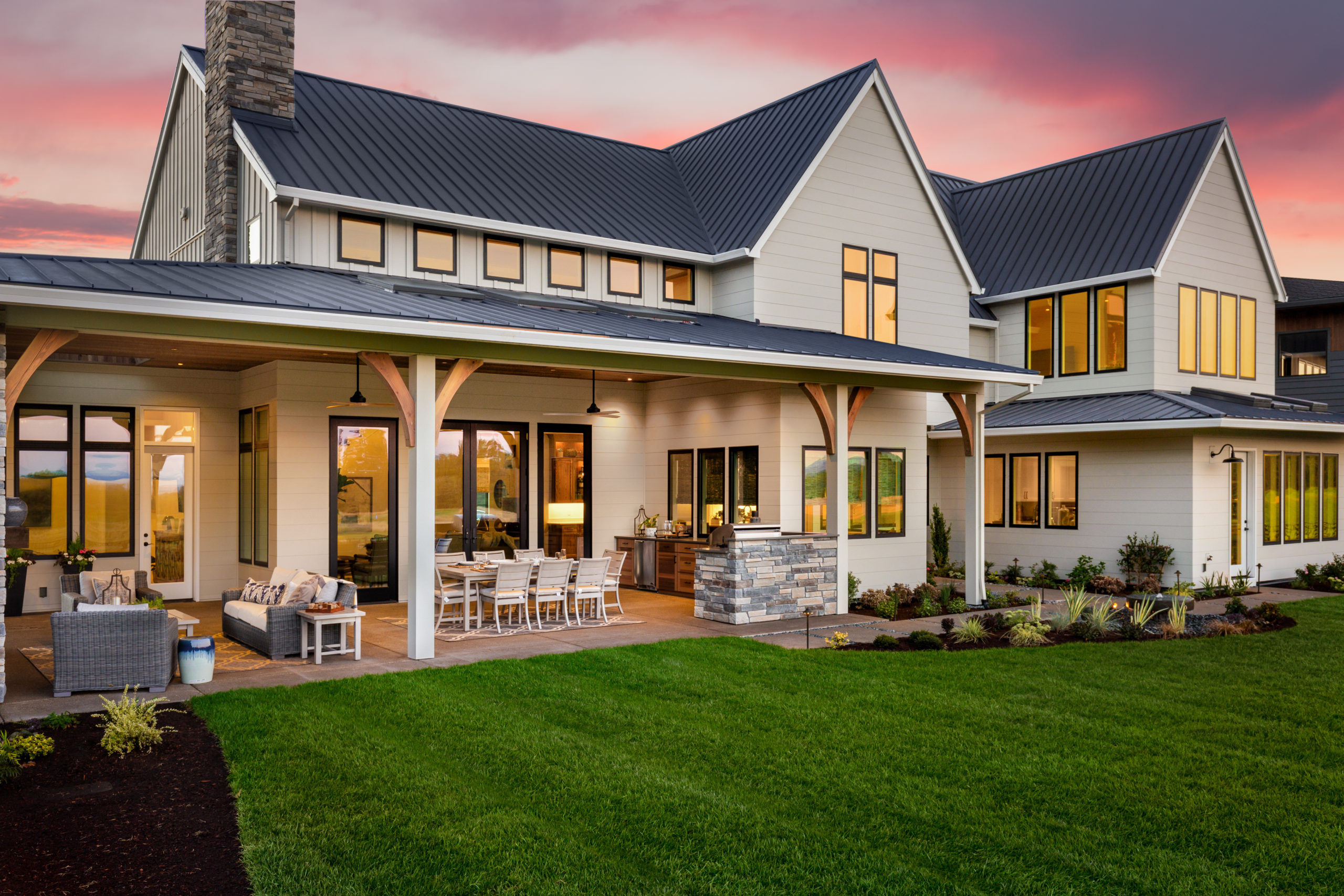
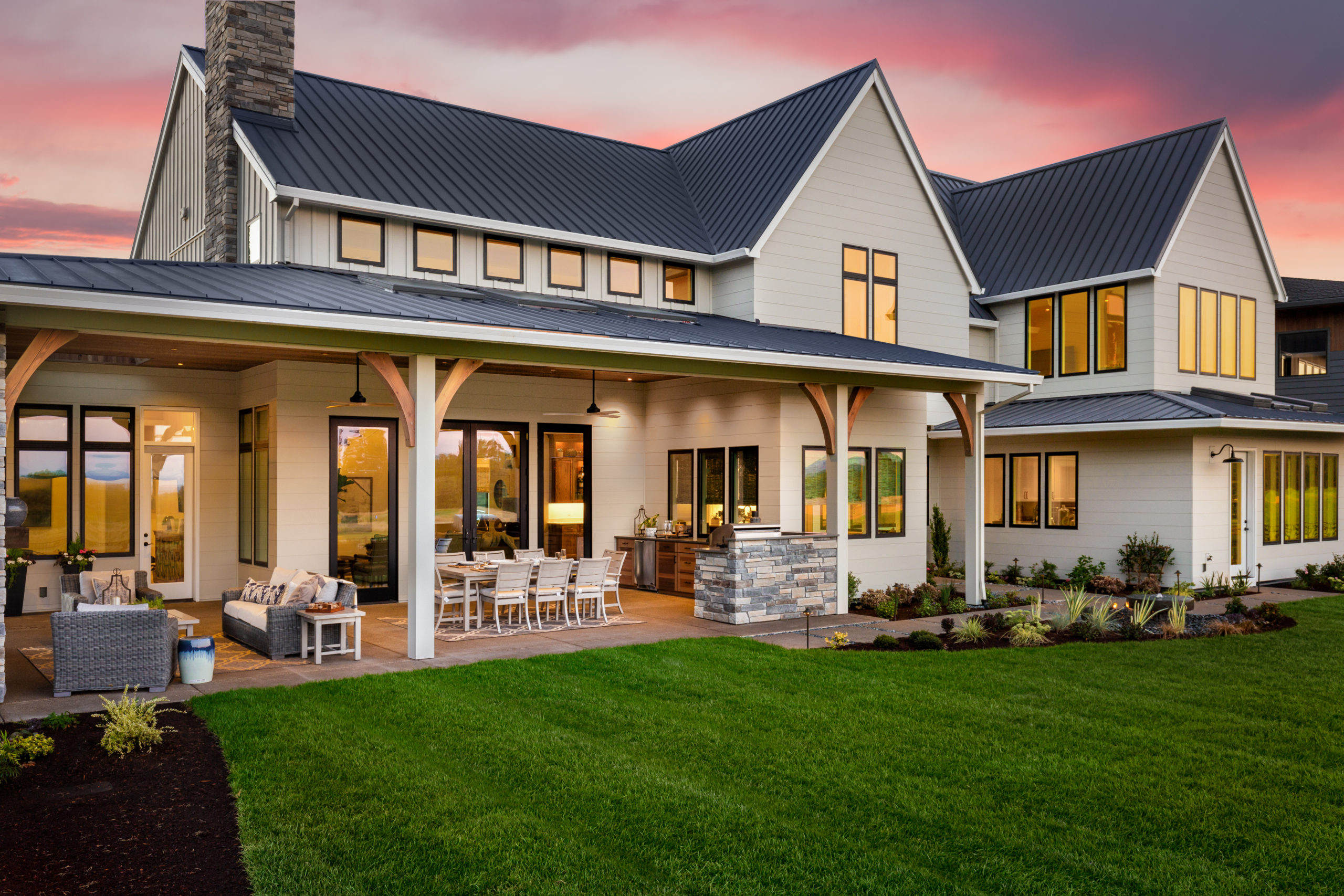
    When it’s time to replace your roof, the material you choose can make a significant difference in your home’s aesthetics, comfort, and overall value. Despite traditional materials like asphalt shingles and wood continuing to be popular choices, a quiet revolution is taking place in the roofing industry with the steady rise of metal roofing. This durable, stylish, and eco-friendly material offers a bevy of advantages that many homeowners are increasingly finding too compelling to ignore. 

    In this comprehensive guide, we’ll explore why metal roofing has become a top contender for those renovating their homes, and why you should consider it too. 

    A Brief History of Metal Roofing

    The use of metal for roofing can be traced back to ancient times. From the bronze plates of ancient Greek temples to the intricate copper roofs of medieval European castles, metal has long been valued for its strength and longevity. Fast forward to the 21st century, and we’re seeing a resurgence of interest in metal roofing, this time driven not just by craftsmanship, but by a combination of technology, environmental consciousness, and longevity.

    Modern manufacturing processes and materials have refined metal roofing, making it lighter, more affordable, and better looking. This post will explore the many reasons why metal roofing has become the preferred choice for homeowners who demand the best for their residences.
    Metal Roof
    Metal RoofMetal Roof

    Advantages of Metal Roofing

    Metal roofing offers several undeniable advantages that make it an exceptional choice for homeowners. Here are some of the key benefits of metal roofing:

    • Longevity: One of the most significant benefits of metal roofing is its durability and longevity. Unlike traditional materials that may require replacement every 20 to 30 years, a metal roof can last 50 years or more with minimal maintenance. This makes metal roofing an excellent long-term investment for your home.
    • Energy Efficiency: Metal roofs are highly energy efficient. They reflect solar radiant heat instead of absorbing it, which can help reduce cooling costs by 10-25%. This makes metal roofing not just an environmentally friendly option but also one that can help lower energy bills, especially in regions with hot climates.
    • Weather Resistance: Metal roofs boast superior resistance to various weather conditions. They can withstand high winds, heavy snowfall, hail, and even wildfires. This resilience contributes to their longevity and ensures that your home stays protected in harsh weather.
    • Aesthetic Flexibility: With modern advancements in manufacturing, metal roofing comes in an extensive array of styles, colors, and finishes. Whether your home is contemporary or traditional, you can find a metal roofing option that complements your home’s aesthetic perfectly.
    • Eco-Friendly: Metal roofing is environmentally friendly for several reasons. It is often made from recycled materials and is 100% recyclable at the end of its life. Additionally, its energy efficiency contributes to a reduction in environmental impact.
    • Low Maintenance: Metal roofs require significantly less maintenance than traditional roofing materials. They do not rot, deteriorate, or suffer from moss and algae growth, which means homeowners can enjoy a worry-free roof for decades.

    Given these advantages, it’s clear why metal roofing is quickly becoming the material of choice for homeowners seeking durability, efficiency, and style.

    Types of Metal Roofing

    When exploring metal roofing options, homeowners will find a variety of materials, each offering unique benefits and aesthetic choices. Here’s an overview of the most popular types of metal roofing:

    • Steel Roofing: Steel is the most commonly used metal roofing material, thanks to its durability and affordability. It’s coated with either zinc or a zinc-aluminum mixture to prevent rust. Steel roofing comes in three primary forms: galvanized, galvalume, and weathering steel (Corten), catering to different climates and architectural styles.
    • Aluminum Roofing: Ideal for coastal areas, aluminum roofing naturally resists corrosion and rust from saltwater exposure. It’s lightweight and can be painted in a vast array of colors, making it a versatile choice for various home designs.
    • Copper Roofing: Offering unparalleled beauty, copper roofing ages gracefully, developing a distinctive greenish patina over time. It’s highly durable, naturally resistant to corrosion, and often used for accentuating architectural details.
    • Zinc Roofing: Zinc roofs are known for their longevity, corrosion resistance, and the ability to self-heal scratches over time. Zinc’s malleability allows for unique architectural features and dramatic angles in roof design.
    • Titanium Roofing: While less common, titanium roofing is highly durable and resistant to corrosion. It’s an excellent choice for modern, high-end constructions due to its sleek appearance and exceptional strength.

    Each of these metal roofing options has its advantages, from the affordable durability of steel to the striking appearance of copper. The right choice depends on your budget, climate, and the aesthetic you envision for your home.
    Residential Metal Roofing
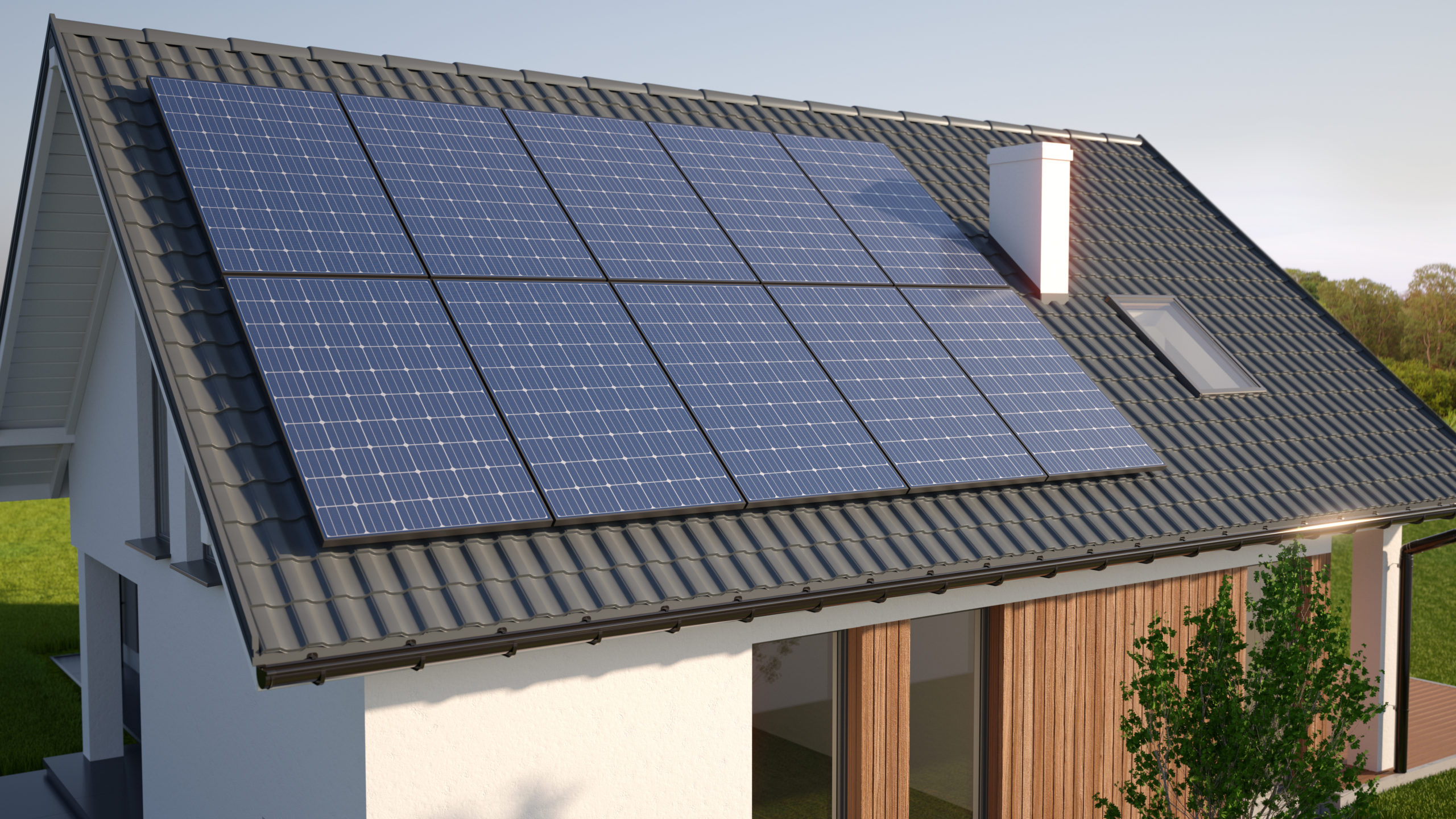
    Residential Metal Roofing

    Factors to Consider When Choosing Metal Roofing

    Selecting the right metal roofing for your home is a significant investment, and various factors must be considered to ensure it aligns with your needs and preferences. Here are the essential considerations when choosing metal roofing:

    • Climate Compatibility: It’s crucial to select a metal roofing material that stands up well to your local climate. For instance, aluminum is excellent for coastal homes due to its resistance to saltwater corrosion, whereas galvanized steel might be better suited for areas with varied weather patterns due to its overall durability.
    • Architectural Style: The roofing material should complement the architectural style of your home. Modern manufacturing techniques mean metal roofing can mimic the appearance of traditional materials like clay tiles, wood shakes, or slate, providing versatility across a vast range of home designs.
    • Color and Finish: Metal roofing comes in a broad spectrum of colors and finishes. Consider how the color you choose will look alongside your home’s exterior and in the varying lights throughout the day. Some finishes are also designed to enhance energy efficiency by reflecting more sunlight.
    • Environmental Impact: If environmental sustainability is important to you, look into the recycled content of the roofing material and its recyclability at the end of its life. Additionally, consider how the roof’s energy efficiency can contribute to reducing your home’s carbon footprint.
    • Budget: Metal roofing can be an initial higher investment compared to traditional materials, but it’s important to factor in the long-term savings it offers in terms of durability, maintenance, and energy efficiency. Determine your budget and consider how the costs will spread over the lifetime of the roof.
    • Installation and Maintenance: The complexity of installation can vary between different types of metal roofing, influencing the overall cost. Furthermore, while metal roofing is generally low-maintenance, some materials may require specific care or periodic treatments to maintain their appearance and longevity.
    • Warranty and Lifespan: Investigate the warranties offered by different manufacturers, as they can vary significantly. A longer warranty may reflect the manufacturer’s confidence in their product’s durability. Additionally, consider the expected lifespan of the material in relation to its cost and environmental impact.

    By carefully weighing these factors, homeowners can make an informed choice that balances aesthetics, functionality, cost, and sustainability, ensuring their metal roof serves as a durable, beautiful, and efficient covering for years to come.

    Cost Comparison: Metal Roofing vs. Traditional Materials

    When considering roofing options, it’s essential to understand the cost implications of metal roofing compared to traditional materials such as asphalt shingles, wood shakes, or clay tiles. Initially, metal roofing tends to have a higher upfront cost. This is due to the materials’ durability, longevity, and energy efficiency benefits, as well as the specialized installation process.

    For instance, while the average cost of installing a metal roof can vary significantly based on material, style, and region, it’s generally between 20% to 30% higher than the cost of traditional asphalt shingle roofing. However, this investment can pay off in the long term. Metal roofs can last up to 50 years or more with minimal maintenance, whereas asphalt shingles may need replacement every 15 to 20 years. Additionally, the energy efficiency of metal roofs, through solar reflectance and thermal emittance, can lead to savings on cooling costs during the summer months.

    Furthermore, homeowners should consider the potential increase in home value and the possibility of reduced insurance premiums due to the superior durability and fire resistance of metal roofing. These factors can significantly mitigate the initial cost difference over time, making metal roofing an economically viable choice for those planning to stay in their homes for many years.

    By evaluating both the short-term and long-term financial aspects, homeowners can make a more informed decision that aligns with their budget and investment mindset.
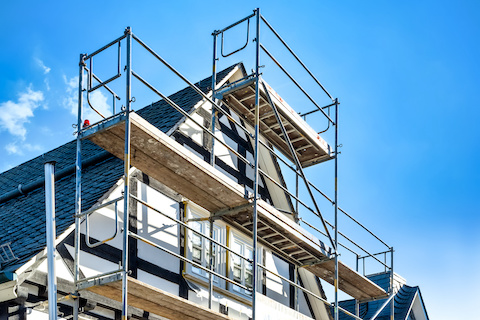
    Metal Roofing
    Metal Roofing

    Installation Process of Metal Roofing

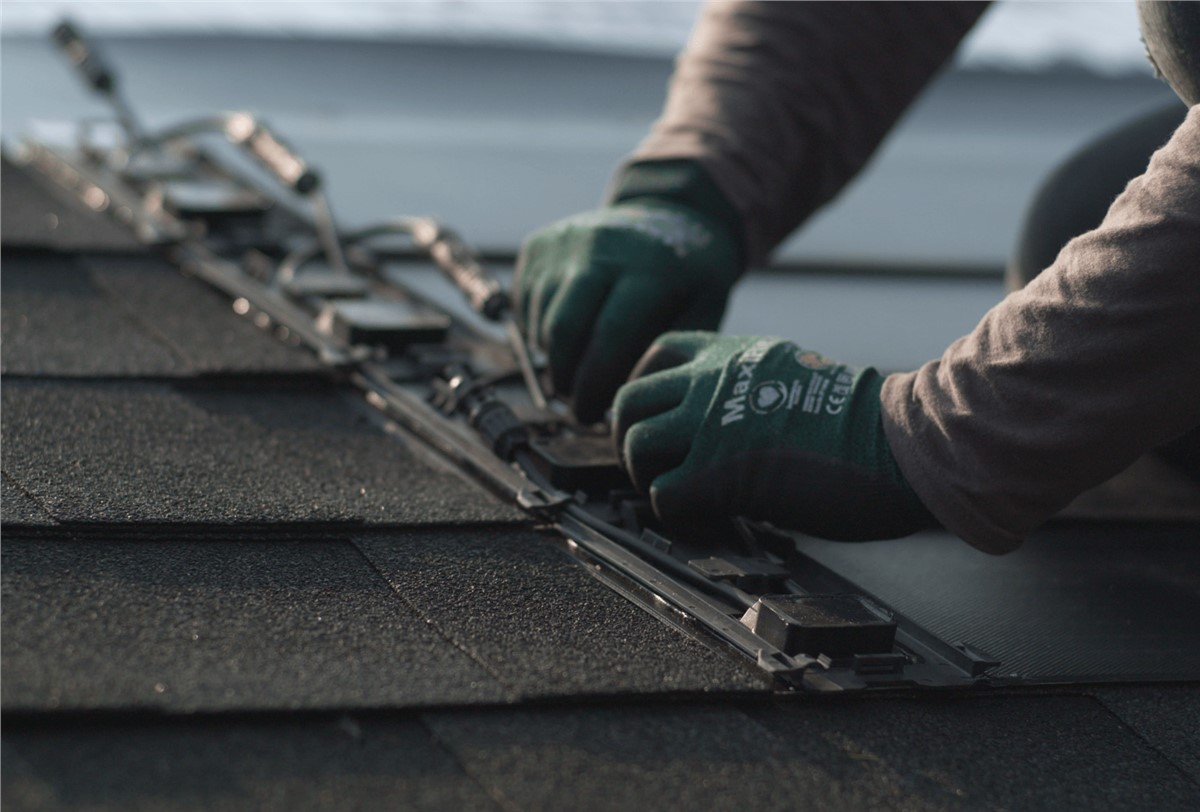
    The installation of metal roofing is a precise and technical process that requires specialized skills and tools, making it crucial for homeowners to hire experienced contractors. The process generally follows these steps:

    • Initial Inspection and Measurement: Before anything, a thorough inspection of the existing roof structure is conducted to ensure it can support the weight of the metal roofing. Precise measurements are then taken to accurately plan the materials needed for the job.
    • Preparing the Roof Surface: Depending on the type of metal roofing system being installed and the condition of the existing roof, preparation may include removing old roofing material or repairing the roof deck. It’s essential that the surface is clean, dry, and flat.
    • Installing Underlayment: An underlayment, often made of synthetic materials, is laid over the roof deck for additional weather protection. This step is critical for ensuring a waterproof and vapor-resistant foundation beneath the metal panels or shingles.
    • Fitting Metal Panels or Shingles: Metal roofing materials come in panels or shingles, and the installation begins at the roof’s edge. For panel systems, they’re often secured using concealed clips or exposed fasteners, while shingles may be installed with special nails or screws.
    • Sealing and Flashing: Joints, edges, and any penetration through the metal roof like vents, chimneys, and skylights require careful sealing with appropriate sealants. Flashing is also applied to these areas to prevent water ingress, ensuring the roof is watertight.
    • Finishing Touches: Finally, trim pieces are applied to the roof edges, ridges, and valleys. These not only provide a finished look but also play a vital role in the overall waterproofing and weather resistance of the roof.

    The specific techniques and materials used can vary depending on the type of metal roofing installed and the architectural details of the home. It’s important to follow manufacturer recommendations closely to ensure the longevity and performance of the roof. Given the complexity of the installation process, it’s advisable for homeowners to work with reputable professionals who offer warranties on both materials and labor.

    Maintenance and Longevity of Metal Roofing

    One of the compelling advantages of metal roofing is its remarkable longevity, with many systems lasting upwards of 40 to 70 years, significantly outperforming traditional asphalt shingles. This longevity, however, is closely tied to proper maintenance, which is fortunately minimal for metal roofs. Routine maintenance typically involves:

    • Regular Inspections: Conduct bi-annual inspections (or after severe weather events) to identify and rectify minor issues before they escalate. Look for signs of wear, damage, loose fasteners, or sealant failures that could compromise the roof’s integrity.
    • Cleaning: Keep the roof surface clean from debris, leaves, and branches, which can retain moisture and potentially corrode the metal. Use a garden hose, not a power washer, as high pressure can damage the roof’s protective coating.
    • Preventing Metal Corrosion: In coastal areas or places with high pollution levels, consider additional protective coatings to guard against corrosion. Make sure any metal components used for repairs or modifications are compatible with your roof to prevent galvanic corrosion.
    • Clearing the Gutters: Ensure gutters and downspouts are clear of debris to prevent water buildup on the roof, which can lead to issues with moisture.
    • Trimming Overhanging Branches: Trim any trees with branches hanging over your roof to reduce debris and minimize the risk of damage from falling limbs.
    • Repairing Minor Damage Promptly: Even though metal roofs are durable, they can still be dented or scratched. Addressing minor damages quickly can prevent leaks and rust.

    By observing these maintenance practices, homeowners can ensure their metal roof remains in optimal condition, safeguarding their investment and sustaining the roof’s aesthetic appeal and functionality for decades. Additionally, selecting a reputable installer who provides a comprehensive warranty on both materials and labor can offer further peace of mind regarding the roof’s longevity and performance.

    In conclusion, metal roofing offers numerous benefits for homeowners, from its durability and fire resistance to its energy efficiency and potential cost savings. While the initial cost may be higher than traditional roofing materials, the long-term financial advantages coupled with the low maintenance requirements make it a worthwhile investment. By understanding the installation process and implementing proper maintenance practices, homeowners can ensure their metal roof remains in top condition, providing reliable protection for their home for many years to come. 

    7289 OH-43, Kent, OH 44240, United States
    (330) 677-9463
  • Metal Roof

    Metal Roof

    The Benefits of Installing a Metal Roof

    Roofing is one of the most critical parts of any building structure, and choosing the right material for it can be challenging. With the increasing demand for sustainable building materials, metal roofs have become an increasingly popular choice among homeowners, builders, and architects. Metal roofs have been around for centuries, but advances in technology and engineering have made them a game-changer for modern construction. Whether you are looking to renovate your existing property or build a new one, considering metal roofs as a sustainable roofing option can offer you a range of benefits. Not only do they save you money in the long run, but they also offer exceptional durability, energy efficiency, and other eco-friendly advantages. In this blog, we will delve into the reasons why you should go for installing a metal roof when it comes to sustainable roofing options.

    The Basics of Metal Roofing 

    Metal roofing has gained significant popularity among homeowners and builders due to its remarkable durability and energy efficiency. This roofing option offers a multitude of benefits, including a longer lifespan compared to traditional asphalt shingles. By reflecting the sun’s rays, metal roofing helps to curtail heat absorption, leading to reduced energy bills. Moreover, its ease of installation and maintenance, as well as its resistance to hail, strong winds, and fire, make it a superior choice.

    When it comes to metal roofing, there are several options available, such as aluminum, steel, copper, and zinc. Each material boasts its own set of advantages. For instance, copper metal roofing not only exhibits a striking appearance but also showcases exceptional durability. On the other hand, steel is a popular choice due to its affordability and long-lasting nature. Regardless of the material chosen, metal roofing provides an enduring and eco-friendly solution.

    In essence, metal roofing proves to be a wise investment for homeowners and builders. Its longevity and resistance to various types of damage make it a reliable and low-maintenance option. Additionally, metal roofs can be easily customized to align with the unique style and preferences of each homeowner, making them a versatile choice for any type of property.

    With its structural integrity and energy-saving qualities, metal roofing serves as a reliable barrier against unpredictable weather conditions while providing substantial cost savings. By bolstering the overall structure of a building and offering aesthetic customization, metal roofing truly encompasses the best of both worlds. Embrace the benefits of metal roofing and experience a long-lasting solution that prioritizes durability, energy efficiency, and style.

    Residential Metal Roof
    Residential Metal Roof

    The Benefits of Metal Roofs: Why Metal Roofs Are a Smart Investment

    Metal roofing is a fantastic sustainable option for your home or building structure. If you’re unsure about choosing metal roofing, let me give you some compelling reasons to consider it.

    First and foremost, metal roofs are incredibly durable and long-lasting. While traditional roofing materials like asphalt shingles only last 15-20 years, metal roofs can endure for over 50 years with proper maintenance. This not only saves you money in the long run but also reduces environmental waste.

    When it comes to energy efficiency, metal roofing has you covered. Its reflective properties help keep your home cool during scorching summers, leading to lower energy bills. Some metal roofs even come with insulation layers to further enhance energy efficiency. Whether you’re concerned about reducing your carbon footprint or cutting down on monthly utility costs, metal roofing is an excellent choice.

    Another advantage of metal roofing is its eco-friendliness. Made from recycled materials, it contributes to minimizing environmental impact. Additionally, its long lifespan means fewer resources are needed for replacements over time.

    Maintenance is a breeze with metal roofing. As long as it’s properly installed and occasionally cleaned, it can last for decades without major repairs or replacements. This not only saves you time but also money, which is always a plus.

    The versatility and customization options of metal roofs are impressive. With a wide range of styles, colors, and finishes available, you can achieve any desired aesthetic. This way, you can not only have a sustainable roof but also one that suits your unique taste and style.

    Metal roofs offer numerous benefits that make them highly attractive for any structure. From their durability and energy efficiency to their eco-friendliness and customization options, metal roofing provides an all-around solution. So, why wait? Choose metal roofing and enjoy a sustainable, long-lasting, and stunning roof for years to come.

    Materials Used in Metal Roofs: A Closer Look

    When it comes to metal roofing, there are several materials available, each with its own unique advantages and characteristics. Let’s take a closer look at these options and explore what they have to offer:

    • Aluminum: This lightweight material is not only highly resistant to corrosion but also boasts an impressive lifespan of over 50 years.
    • Steel: Known for its durability, affordability, and easy installation, steel is a popular choice among homeowners looking for a reliable and cost-effective metal roofing solution.
    • Copper: With its stunning patina and exceptional durability, copper is often chosen for its aesthetic appeal. It adds a touch of elegance to any building and can withstand the test of time.
    • Zinc: Similar to copper, zinc develops a unique patina over time, giving it a distinct character. Additionally, zinc roofs can last for up to 100 years, making them an excellent long-term investment.
    • Tin: While not as commonly used nowadays, tin remains a popular choice for traditional or historic buildings. It exudes a vintage charm and adds a touch of nostalgia to any structure.
    • Galvalume: This material combines the benefits of aluminum, zinc, and silicon. It offers excellent corrosion resistance and is an affordable option for those seeking longevity and durability.

    These materials not only provide superior strength and longevity but also contribute to the eco-friendliness of your roofing choice. By opting for recycled materials or those with high recyclability, you can make an environmentally conscious decision for your roof.

    Whether you prioritize durability, aesthetics, or environmental sustainability, there is a metal roofing material that suits your needs. So, go ahead and explore the versatile range of options available to find the perfect metal roof for your home or building.

    Types of Metal Roofs: Which One is Right for You?

    Metal roofing offers a wide range of options to meet various needs and preferences. Let’s explore some popular types that combine functionality and style:

    • Standing Seam Metal Roofing: Featuring sleek vertical panels with raised seams, standing seam metal roofing provides a modern and sophisticated look. It excels in durability and energy efficiency, making it a top choice for both residential and commercial properties.
    • Metal Shingle or Tile Roofing: Mimicking the appearance of traditional materials like wood, slate, or clay, metal shingles or tiles roofing offer superior weather resistance. They allow for versatile design and customization options, adding aesthetic value to any structure.
    • Corrugated Metal Roofing: With its distinct ridged pattern, corrugated metal roofing is known for its cost-effectiveness without compromising durability. It provides versatile design possibilities, making it a practical choice for many projects.
    • Metal Slate Roofing: Metal slate roofing combines the elegant look of traditional slate tiles with enhanced durability and reduced maintenance requirements. It can withstand harsh weather conditions and comes in various colors and styles, ensuring a perfect match for any architectural design.

    Choosing the right metal roof depends on your budget, aesthetic preferences, and local climate. It’s crucial to discuss these factors with a professional roofing contractor who can guide you towards an informed decision.

    By embracing metal roofing, you can enjoy long-lasting performance, exceptional durability, and unmatched style. It’s time to elevate your roofing experience with the reliability and beauty of metal.

    Metal Slate Roof Installation
    Metal Slate Roof Installation

    Installation and Maintenance of Metal Roofs

    Metal roofing offers a range of benefits, but it’s crucial to prioritize proper installation and maintenance for long-lasting performance. To help you navigate the process, here are some key points to consider:

    • Consult a professional: Installing metal roofing requires specialized tools, skills, and techniques. It’s always best to consult a reputable roofing contractor who has experience with metal materials.
    • Prepare the roof deck: Before installing a metal roof, ensure that the deck is clean, dry, and free of debris. Address any existing issues or defects before proceeding to achieve the best results.
    • Install underlayment: To prevent moisture from seeping into your home, using an appropriate underlayment material specific to your metal roofing type is essential. This acts as a waterproof barrier.
    • Prioritize ventilation: Don’t overlook the importance of adequate ventilation for your metal roof. Proper ventilation helps regulate temperature and minimizes the risk of condensation. Improper ventilation can lead to problems such as mold growth and premature roof deterioration.
    • Schedule regular inspections: While metal roofing requires minimal maintenance, it’s still crucial to schedule regular inspections. This helps identify potential issues early on and allows for prompt resolution.

    With proper installation and maintenance, a well-maintained metal roof can provide reliable protection for your home for decades to come. For a worry-free experience, make sure to consult with a professional to guarantee correct installation and ongoing care throughout the lifespan of your metal roof. By following these guidelines, you can optimize the performance and longevity of your metal roofing system, ensuring it continues to safeguard your home against the elements.

    Cost & Value of Metal Roofs

    Metal roofing has gained immense popularity among homeowners. The key reasons for this surge in demand are the durability and long-lasting benefits that these roofs offer. Metal roofs are highly resistant to extreme weather conditions, including heavy snow, hail, and wildfires. Unlike traditional asphalt shingles that last around 20 years, metal roofs can easily last for 50 years or more. Although the initial cost may be slightly higher, homeowners will enjoy long-term benefits such as increased durability and reduced repair costs.

    Another major advantage of metal roofing is its energy efficiency, which translates to cost savings. These roofs have excellent reflective properties that keep homes cooler during the scorching summer months by reflecting solar radiation. This reduction in the need for cooling can significantly lower energy costs and lead to substantial savings on electricity bills. Moreover, many regions offer tax incentives and rewards for choosing energy-efficient roofing, making metal roofing an even more attractive investment.

    Beyond durability and energy efficiency, metal roofing offers homeowners the advantage of customization and versatility. With various colors and styles available, ranging from modern and contemporary to rustic and traditional, metal roofs can perfectly complement any home’s exterior. Contrary to the misconception that metal roofs look bulky and industrial, they can enhance the overall appearance of a home. By mimicking the look of traditional roofing materials while providing additional benefits, metal roofs have become the material of choice for homeowners across the nation.

    The growing popularity of metal roofing can be attributed to its durability, energy efficiency, customization options, and versatility. With its ability to withstand harsh weather conditions and its long lifespan, metal roofing offers homeowners a reliable and cost-effective solution. Additionally, the energy-saving benefits and the aesthetic appeal further contribute to its appeal. By choosing metal roofing, homeowners are making a wise investment that not only enhances the value of their property but also provides long-lasting protection and peace of mind.

    In conclusion, metal roofing is a cost-effective and durable solution for protecting your home against the elements. With its ability to mimic traditional materials while providing enhanced benefits, metal roofs have become increasingly popular. Proper installation and maintenance are crucial for ensuring its long lifespan. By consulting with a professional and following maintenance guidelines, homeowners can optimize their metal roofing system’s performance and longevity. Moreover, the energy efficiency and customization options make metal roofing a sound investment that offers both practical and aesthetic benefits. Choose metal roofing for your home today to elevate your roofing experience with style, strength, and longevity.  So next time you are considering a new roof for your home, don’t forget the many benefits that metal roofing can provide.

    Remember, proper installation and maintenance are key to ensuring the longevity of your metal roof. And with its various benefits, including energy efficiency and customization options, metal roofing is worth considering for any homeowner looking for a reliable and long-lasting solution. Consult with a professional to ensure correct installation and ongoing care for your metal roof, and enjoy the peace of mind that comes with knowing your home is well-protected for years to come. Trust in the durability and value of metal roofing and make the switch today!

    7289 OH-43, Kent, OH 44240, United States
    (330) 677-9463