Metal Roofing 101: Understanding the Basics of Installation and Maintenance
In a world increasingly conscious of environmental impact and long-term sustainability, metal roofing has surged in popularity as a more durable and eco-friendly alternative to traditional asphalt shingles. If you’re in the market for a new roof or pondering the benefits of upgrading your current one, understanding the nuances of metal roofing becomes paramount.
This comprehensive guide will walk you through everything you need to know about the metal roofing 101 process, from initial choice to installation and beyond. We’ll explore the materials and styles available, the comparative advantages it offers, and essential maintenance tips to ensure your metal roof stands the test of time.
Why Metal Roofing is Gaining Popularity
Metal roofing is not a new concept; in fact, it has a history that predates the Middle Ages. However, it is the recent advancements in materials and technology that have sparked a revival of interest. Today, metal roofs are being lauded for their durability, energy efficiency, and diverse design options.
- A Brief History of Metal Roofs The origins of metal roofing date back to thousands of years, with examples of copper, lead, and bronze plates used by the Romans. Throughout history, metal roofing has surged and waned in popularity, with modern improvements making it a more accessible and practical choice for homeowners.
- Modern Applications and Innovations: Advancements in manufacturing have broadened the availability of durable and lightweight metal roofing options. With the introduction of aluminum, galvanized steel, and alloys like zinc and copper, the modern metal roof can withstand even the harshest environments, from desert heat to coastal storms.
The Basics of Metal Roofing: Materials, Styles, and Colors
When it comes to selecting a metal roof, understanding the variety of materials, styles, and colors available is critical for making an informed decision that aligns with your aesthetic preferences and functional requirements.
Materials
The most commonly used materials for metal roofing include:
- Aluminum: Known for its lightweight and corrosion-resistant properties, aluminum is an excellent choice for coastal areas. It reflects heat effectively, making it energy efficient for warmer climates.
- Galvanized Steel: Steel coated with a layer of zinc to prevent rust. It is one of the most durable options, suitable for areas with extreme weather conditions.
- Copper: Offers a unique, elegant appearance that develops a patina over time. Copper is extremely durable and can last for centuries, but it tends to be more expensive than other materials.
- Zinc: Similar to copper, zinc is durable and resistant to corrosion. It also develops a protective patina that can extend its lifespan even further.
Styles
Metal roofing is available in a variety of styles, including:
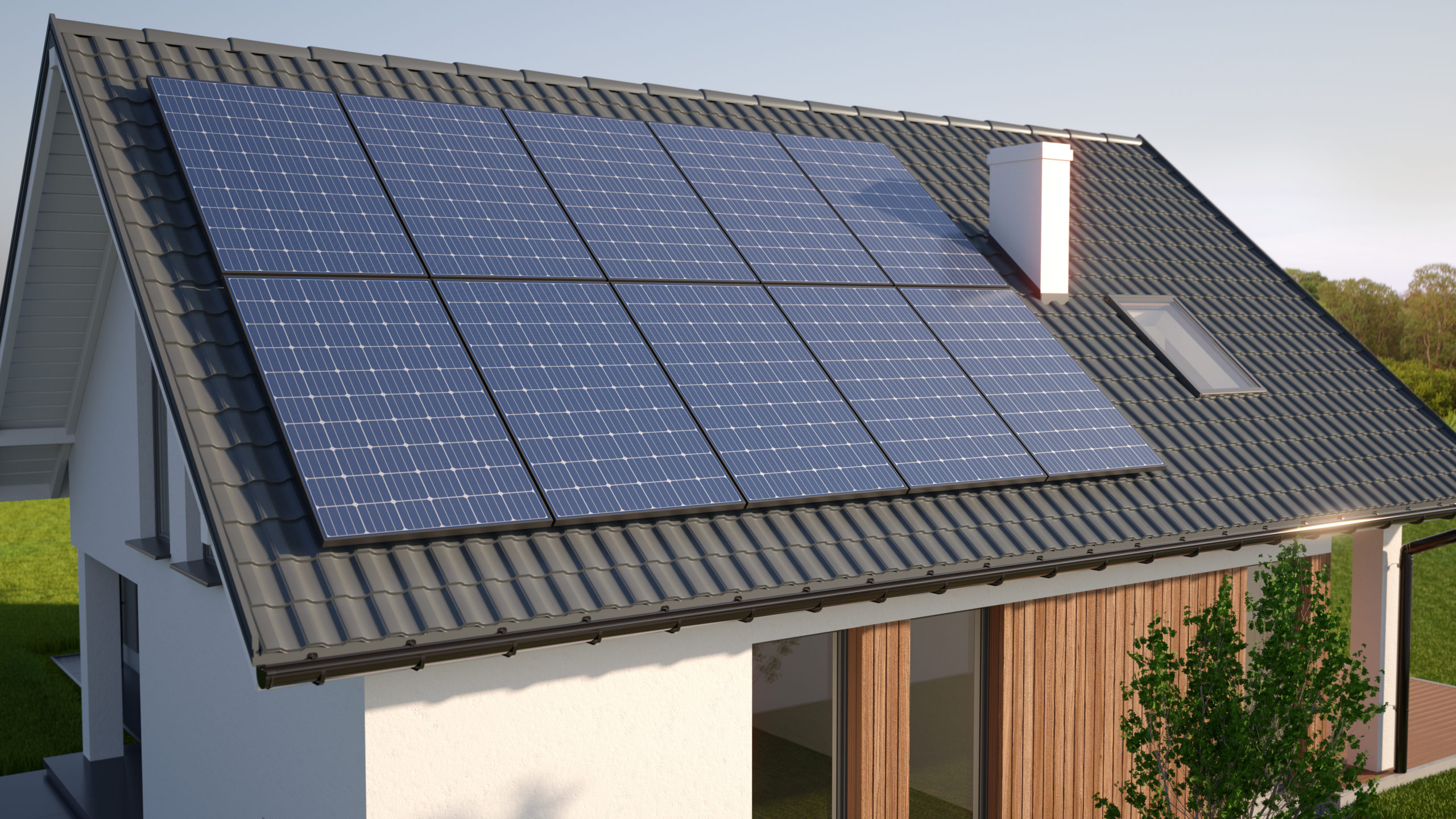
- Standing Seam: Features long, vertical panels connected by raised seams. This style is popular for its modern look and ability to efficiently shed water and snow.
- Corrugated Metal: Known for its distinctive wavy pattern, corrugated metal is strong and cost-effective, making it a popular choice for industrial and agricultural buildings.
- Metal Shingles: Designed to mimic traditional shingle roofing, metal shingles offer the classic appearance of wood or slate with the added benefits of durability and less maintenance.
Colors
Modern metal roofing comes in a broad spectrum of colors, from standard shades to custom hues. High-quality paint finishes can reflect solar energy, further enhancing the energy efficiency of metal roofs. Choosing a color is not just about aesthetics; it can also affect the thermal performance of the roof and, consequently, the energy costs associated with heating and cooling your home.
By considering the materials, styles, and colors of metal roofing, homeowners can select a roofing solution that not only suits their style preferences but also meets their performance expectations, ensuring longevity and sustainability.
Advantages of Metal Roofing
Metal roofing offers several advantages over traditional roofing materials, making it an attractive choice for many homeowners. Here are some key benefits:
- Longevity: One of the most significant benefits of metal roofing is its durability. Properly installed metal roofs can last 40 to 70 years, depending on the material, which is significantly longer than the lifespan of asphalt roofing, which typically lasts 20 to 25 years.
- Weather Resistant: Metal roofs are highly resistant to extreme weather conditions, including heavy rains, high winds, hailstorms, and even wildfires. Their interlocking panels offer enhanced wind resistance, and their slick surface sheds snow and rain effectively, mitigating potential damage.
- Energy Efficiency: Metal roofs reflect sunlight and re-emit absorbed solar radiation, which can significantly reduce cooling costs in the summer. Some metal roofs are treated with special pigments that increase their reflective properties, leading to even greater energy savings.
- Eco-friendly: Metal roofs are environmentally friendly, often made of 25-95% recycled materials and being 100% recyclable at the end of their life. This contrasts sharply with traditional shingles, which contribute an estimated 20 billion pounds of waste to U.S. landfills annually.
- Aesthetic Flexibility: With a wide range of materials, styles, and colors available, metal roofing can be tailored to match any architectural style, from traditional to contemporary. This versatility allows homeowners to achieve a unique look that complements their home and its surroundings.
- Low Maintenance: Unlike other roofing materials that may require frequent repairs or replacements, metal roofs require minimal maintenance. Periodic inspections and simple cleanings are typically all that’s needed to maintain a metal roof’s integrity and appearance over decades.
Choosing metal roofing offers a blend of longevity, durability, energy efficiency, and aesthetic appeal that is hard to match with other roofing materials. These advantages make it a compelling option for homeowners looking for a sustainable, low-maintenance roofing solution.
Understanding the Installation Process: What to Expect
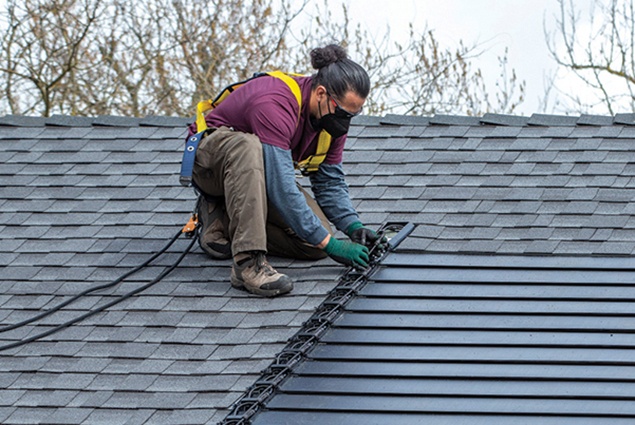
The installation of a metal roof is a critical phase that demands meticulous planning, skilled labor, and an understanding of the unique characteristics of metal as a roofing material. Unlike traditional roofing materials, metal roofing encompasses a variety of installation techniques, each specific to the type of metal and roofing style chosen. Here are key aspects to anticipate during the installation process:
- Initial Assessment and Measurement: The process begins with a comprehensive assessment of your existing roof structure. This step is vital to identify any structural issues that need addressing before the metal roof can be installed. Precise measurements are taken to ensure that the materials fabricated match the unique dimensions of your roof.
- Choosing the Right Materials: Based on the initial evaluation, the roofing contractor will recommend the most suitable metal roofing material and style for your home. This decision is influenced by your local climate, architectural style, and personal preferences regarding color and finish.
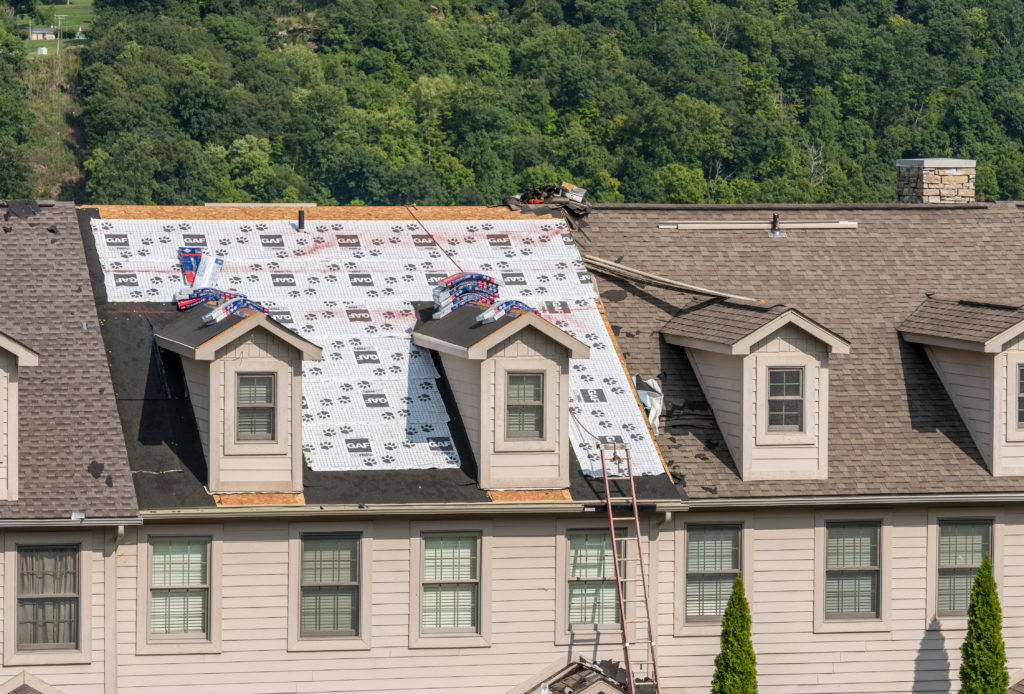
- Removal of Old Roofing (if necessary): In many cases, metal roofing can be installed over existing shingles without the need for removal. However, if your current roof is in poor condition or if local building codes require it, the old roofing materials will be carefully removed and properly disposed of.
- Preparing the Roof Surface: Following any necessary removal, the roof decking is inspected and prepared. This may involve repairing or replacing damaged decking and installing an insulating layer or vapor barrier to enhance the performance of the metal roof.
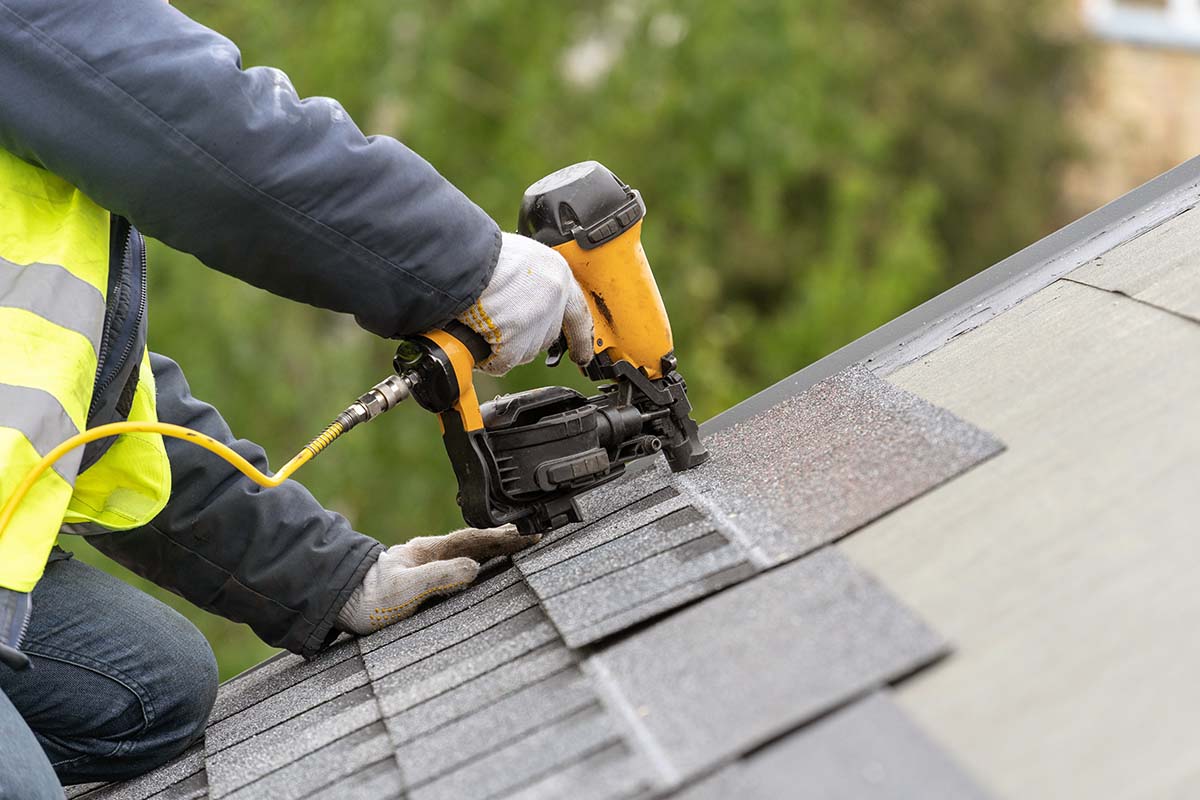
- Installation of Metal Panels or Shingles: Metal roofing materials are then installed, starting from the roof’s edge and progressing upwards. Panels or shingles are securely fastened to the roof deck, often using clips or fasteners designed to allow for thermal expansion and contraction.
- Flashing and Finishing Touches: Flashing—a material used to prevent water from penetrating the junctions between roofing sections—is applied around edges, valleys, vents, chimneys, and other potential points of water ingress. This step is critical to ensure the roof’s watertight integrity.
- Final Inspection: Once the installation is complete, a thorough inspection is conducted to verify that the roof has been installed correctly and to identify any potential issues that need addressing.
Understanding the installation process helps homeowners prepare for what to expect and facilitates a smooth transition to a durable, aesthetically pleasing metal roof that will protect their home for decades.
Essential Maintenance Tips to Prolong Your Metal Roof’s Lifespan
To ensure your metal roof remains in optimal condition, and safeguarding your home for years to come, regular maintenance is crucial. Here are practical tips to prolong the lifespan of your metal roofing:
- Routine Inspections: Conduct semi-annual inspections, ideally in the spring and fall, to check for signs of wear, such as scratches, dents, or rust. Pay close attention to seams, joints, and flashing, where issues are most likely to occur.
- Keep it Clean: Remove any debris, like leaves, twigs, and dirt, that accumulates on the roof. This not only prevents the retention of moisture, which can lead to corrosion but also maintains the aesthetic appeal of your roof.
- Deal with Rust Promptly: If you notice any spots of rust, it’s essential to address them immediately. Use a wire brush to gently remove the rust, then apply a primer and paint specifically designed for metal roofs to prevent future corrosion.
- Ensure Proper Drainage: Keep gutters, downspouts, and roof valleys free of debris to ensure water can freely flow off the roof. Standing water can lead to issues, including accelerated wear and potential leaks.
- Trim Overhanging Branches: Prevent damage from fallen branches or abrasion from leaves by keeping trees trimmed and away from the roof surface.
- Avoid Walking on the Roof: Unless necessary for inspections or repairs, avoid walking on your metal roof. If you must, wear soft-soled shoes and walk carefully to avoid denting the panels or damaging the finish.
- Professional Maintenance: Consider hiring a professional roofing contractor for regular maintenance. They can spot and address issues you might overlook and ensure your roof remains in top condition.
Adhering to these maintenance tips can significantly extend the life of your metal roof, ensuring it remains a durable, energy-efficient, and attractive part of your home for decades.
Cost Considerations: The Long-Term Savings of Metal Roofing
When evaluating the cost implications of metal roofing, it’s essential to consider not only the initial investment but also the long-term savings it offers. While the upfront cost of a metal roof is typically higher than that of traditional roofing materials, such as asphalt shingles, the return on investment over time can be significantly more beneficial. Here are several key points highlighting the long-term financial advantages of metal roofing:
- Durability and Longevity: Metal roofs boast an impressive lifespan, often lasting 40 to 70 years, depending on the material. In contrast, traditional asphalt shingle roofs might require replacement every 15 to 20 years. This extended lifespan means fewer replacements and repairs, translating to substantial savings over time.
- Energy Efficiency: Metal roofs reflect solar radiant heat, which can reduce cooling costs by 10% to 25% in hot climates. This energy-saving attribute helps homeowners save money on their air conditioning bills, especially during peak summer months.
- Low Maintenance Costs: Aside from routine inspections and occasional cleaning, metal roofs require minimal maintenance. This contrasts with asphalt shingle roofs, which may require more frequent repairs or replacements due to weathering, damage, or aesthetic degradation.
- Increased Home Value: Installing a metal roof can also elevate the market value of your property. Homes with metal roofs often attract more interest due to their aesthetic appeal, durability, and efficiency, leading to higher resale values.
- Insurance Discounts: In some cases, homeowners may qualify for reduced home insurance premiums due to the enhanced durability and fire resistance of metal roofs. It’s advisable to consult with your insurance provider to explore potential savings.
Considering these factors, while the initial outlay for a metal roof may be higher, the long-term savings on repair, replacement, energy bills, and potential insurance discounts can make it a highly cost-effective choice for homeowners seeking a reliable, low-maintenance, and energy-efficient roofing solution.
In conclusion, metal roofing offers numerous advantages for homeowners, from its durability and longevity to its energy efficiency and cost savings over time. Understanding the installation process and adhering to regular maintenance can help maximize these benefits and prolong the lifespan of your metal roof. With proper care, a well-installed metal roof can protect your home for decades while also enhancing its curb appeal. So, if you’re considering a new roof for your home, it’s worth exploring the many benefits of metal roofing.
https://www.google.com/maps?cid=9546042109266593279