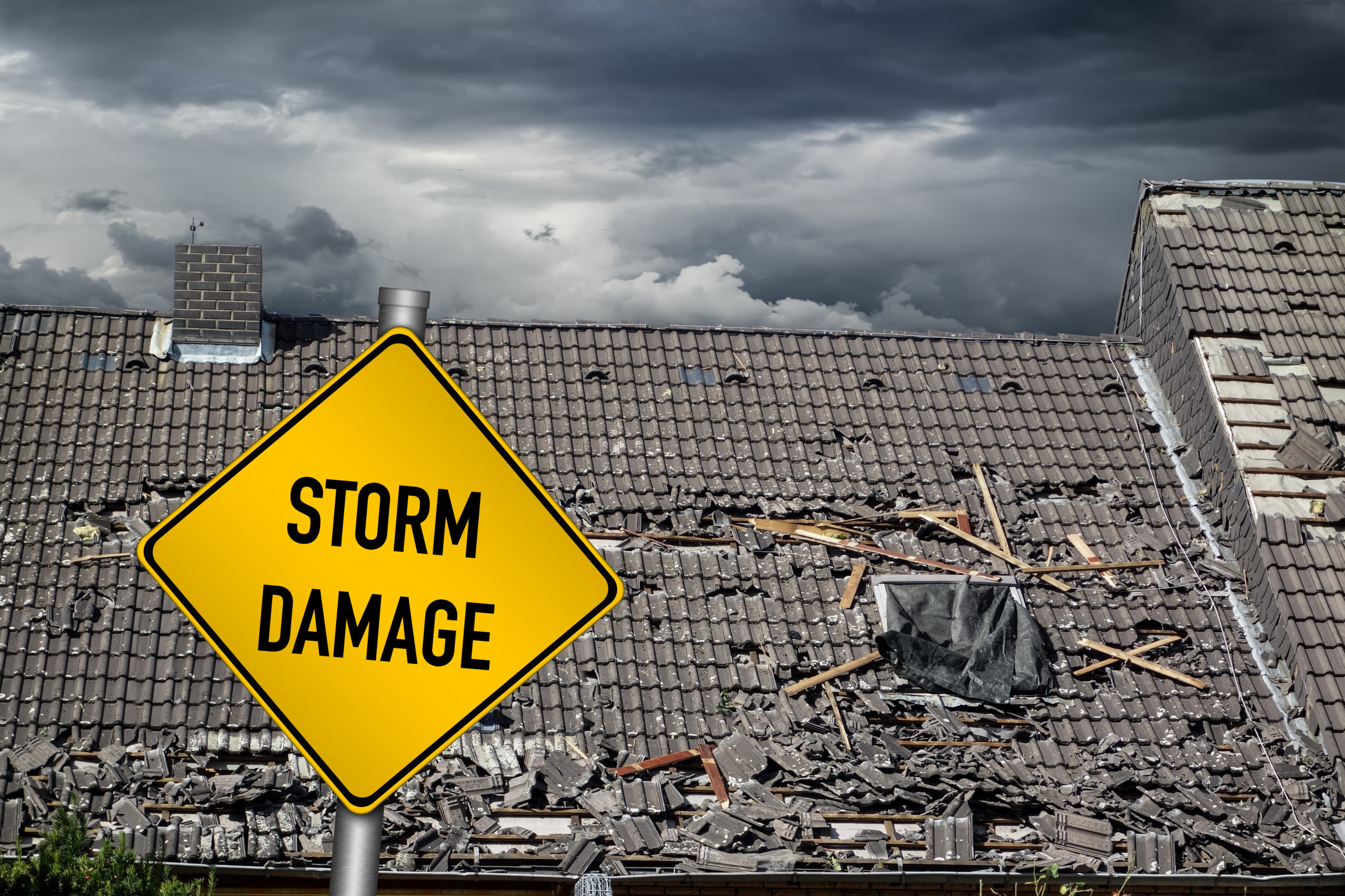
After a storm, your roof may suffer damage that isn’t immediately visible. At JBL Roofing and Construction, we are committed to helping you maintain the integrity of your home by offering thorough post-storm roof inspections.
Storms can cause various types of damage to your roof, such as:
Debris Accumulation: Branches, leaves, and other debris can clog gutters and cause water damage.
Missing Shingles: High winds can strip shingles from your roof, leaving it vulnerable to leaks.
Structural Damage: Impact from debris can cause significant damage that needs prompt attention.
Comprehensive Free Assessments
If you notice any signs of damage, such as debris, branches, or missing shingles, it’s essential to act quickly. Schedule a free assessment with JBL Roofing and Construction. Our process includes:
Thorough Inspections: We’ll come to your home, inspect your roof, and identify any issues.
Detailed Reports: We provide a full report on your roof’s condition, highlighting any areas that need attention.
Expert Recommendations: Our team will advise you on the best course of action to repair and protect your roof.
Trust JBL Roofing and Construction
As your trusted roofing experts, JBL Roofing and Construction is dedicated to providing exceptional service and peace of mind. Contact us today for a free post-storm roof assessment and protect your home from potential damage.
Is your roof showing signs of wear and tear? Even one missing shingle can indicate bigger problems that need immediate attention. At JBL Roofing and Construction, we understand that a missing shingle often means the adhesive has failed and the roof is aging.
Ignoring small issues can lead to significant and costly damage. That’s why we offer free inspections to ensure your roof remains in top condition. Our professional team is dedicated to providing you with:
• Comprehensive Inspections: We’ll visit your home at your convenience, take detailed photos, and provide a full report on your roof’s condition.
• Transparent Reporting: Whether your roof is in perfect shape or needs some attention, we’ll give you an honest assessment.
• Expert Solutions: If repairs are necessary, our experienced team will guide you through the process, ensuring your roof is restored to its best condition.
Schedule Your Free Roof Inspection Today
Don’t wait for minor issues to become major headaches. Schedule a free roof inspection with JBL Roofing and Construction today.
Why Regular Inspections Matter
Regular roof inspections help in:
• Preventing costly repairs by catching problems early
• Extending the lifespan of your roof
• Ensuring your home remains safe and secure
Take the proactive step to safeguard your home. Contact JBL Roofing and Construction for your free roof inspection and experience peace of mind knowing your roof is in expert hands.
Common Causes of Roof Leaks: Understanding the Culprits
Your home’s roof is more than just a protective barrier against the elements; it’s the front line of defense for everything you hold dear. When a roof leaks, the potential damage to your property’s integrity, safety, and resale value cannot be overstated. Understanding common causes of roof leaks is the first step to protecting your investment and ensuring the comfort and safety of those under your roof.
In this comprehensive guide, we will detail the common causes of roof leaks, how to identify them, and what steps you can take to prevent or address leaks. Whether you’re a property manager, homeowner, or DIY enthusiast, being well-informed on this subject can save you from the misery of water-damaged interiors and costly repairs. So let’s get started!
What Causes Roof Leaks?
Roof leaks can emanate from a multitude of sources, often a culmination of natural wear and tear exacerbated by environmental factors. To safeguard your home effectively, it’s pivotal to recognize these common culprits:
Cracked or Missing Shingles: Over time, shingles may crack, warp, or go missing due to harsh weather conditions like high winds, heavy rains, or extreme temperatures. This leaves the underlying layers exposed and susceptible to water intrusion.
Improperly Installed Flashing: Flashing, the material that seals transitions on a roof (like those around vents, skylights, and chimneys), can lead to leaks if not installed correctly. Corrosion or damage to flashing further compounds the problem.
Clogged Gutters: Gutters clogged with leaves, branches, and debris prevent rainwater from flowing away from the roof. The resulting water backup can seep under roofing materials and into the home.
Age of the Roof: No roof lasts forever; materials degrade over time and become less effective at repelling water. An older roof is more likely to leak than a newer, well-maintained one.
Poor Ventilation: Inadequate ventilation in attics can lead to moisture buildup under the roof. Over time, this can cause rotting in the roof decking and create entry points for water.
Each of these issues, if left unaddressed, can yield significant damage to a home’s structure and interior. Regular inspections and maintenance are crucial steps in leak prevention, helping homeowners catch and rectify potential issues before they escalate into major problems.
Roof Leaks Repair
Identifying the Signs of a Roof Leak
Detecting a roof leak early can be the key to preventing a minor issue from escalating into a substantial and costly repair job. However, leaks can often be elusive and not always directly visible. Here are signs that your roof may be leaking:
Water Stains: Discoloration or water stains on your ceiling or walls can be a clear sign of a leak. These stains might appear brownish or yellowish and can grow over time if the leak persists.
Mold Growth: Unexplained mold or mildew growth indoors, especially in areas like the attic, can be indicative of a leak. Moisture seeping in from the roof can create an ideal environment for mold spores to flourish.
Musty Odors: Persistent musty or damp odors in certain areas of your home, particularly those that are not exposed to normal airflow such as attics, can signal moisture intrusion from a leak.
Peeling Paint or Wallpaper: Excess moisture can cause paint to bubble, blister, or peel off surfaces. Similarly, wallpaper may start to peel away or show signs of damage in the presence of a leak.
Damp Spots on the Floor: Finding unexpected wet or damp spots on the floor underneath your roofline can also suggest water is making its way into your home through a leak.
Visible Damage on the Roof: While inspecting the exterior of your roof, if you notice cracked, missing, or damaged shingles, it could indicate that these areas are allowing water to enter.
Higher Utility Bills: An increase in heating or cooling costs can be indirectly related to a roof leak as moisture intrusion can lessen the efficiency of your home’s insulation.
By staying vigilant and recognizing these signs early, homeowners can act swiftly to identify the source of the leak and seek professional repair, thus minimizing damage and repair costs. Regularly scheduled roof inspections by qualified professionals can also play a pivotal role in the early detection and prevention of roof leaks.
How to Prevent Roof Leaks
Preventing roof leaks is pivotal in maintaining the structural integrity and safety of your home. Regular maintenance and early identification of potential problems are key strategies for avoiding the headaches and expenses that come with water intrusion. Here are proactive steps you can take to keep your roof in optimal condition:
Regular Inspections: Conduct bi-annual inspections of your roof (usually during spring and fall) to catch any issues early. Look for cracked, missing, or damaged shingles, as well as compromised flashing.
Keep Gutters Clear: Ensure your gutters are free of debris such as leaves, twigs, and dirt. Clogged gutters can cause water to pool and seep beneath roofing materials, leading to leaks.
Maintain Flashing and Sealants: Check the flashing around vents, skylights, and chimneys. Repair or replace any that is damaged or rusted. Similarly, check and refresh sealants that may have deteriorated over time.
Trim Overhanging Branches: Trees hanging over your roof can damage roofing materials during storms and drop debris that accumulates on the roof. Regularly trimming back branches can prevent damage and reduce gutter clogging.
Ensure Adequate Attic Ventilation and Insulation: Proper ventilation and insulation in your attic can prevent the buildup of moisture and condensation, a common cause of roof rot and leaks.
Address Ponding Water Immediately: If you notice areas of standing water on your roof after rain, have a professional assess the situation. Ponding water can lead to roof deterioration and leaks over time.
Repair Roof Damage Promptly: If you identify any damage during your inspections, address it immediately. Delaying repairs can turn minor issues into major leaks.
Hire Professionals for Regular Maintenance: While DIY checks are helpful, it’s wise to have a professional roofing contractor perform a thorough inspection annually. They can identify issues that might not be apparent to the untrained eye.
Taking these preventative measures can significantly reduce the risk of roof leaks. A well-maintained roof not only protects your home from water damage but also extends the life of your roofing materials, offering peace of mind and saving you money in the long run.
Roof Maintenance
The Importance of Regular Roof Maintenance
Regular roof maintenance is not just about preventing leaks; it’s about ensuring the longevity and overall health of your roofing system. A well-maintained roof does more than keep water out; it protects your home from severe weather, helps maintain optimal indoor temperatures, and contributes to the energy efficiency of your home. Neglecting roof maintenance can lead to significant problems, from structural damage to the growth of harmful mold.
By prioritizing regular roof maintenance, homeowners can identify potential issues before they escalate into costly repairs. This proactive approach not only saves money in the long run but also extends the lifespan of the roof. Furthermore, a well-maintained roof can enhance the curb appeal and overall value of your property, making it a wise investment for any homeowner. Ultimately, regular roof maintenance is a key component of responsible home ownership, ensuring that your home remains safe, comfortable, and secure against the elements.
Common Types of Roof Damage
Roof damage can manifest in several ways, each potentially compromising the integrity and functionality of your roofing system. Understanding the common types of roof damage is crucial for homeowners to ensure timely repairs and maintenance. Here are some prevalent forms of damage to be aware of:
Weather Damage: Extreme weather events, such as hailstorms, high winds, and heavy snowfall, can cause significant damage to roofs. Hail can dent or break shingles, strong winds can rip them off, and the weight of snow can strain the structure of your roof.
Water Damage: Persistent leaks can lead to water damage, which not only affects the roof but can also compromise the structural integrity of the entire home. Water infiltration can rot wood components, rust metal elements, and create an environment conducive to mold and mildew growth.
Impact Damage: Falling branches, debris, or any direct impacts from objects can cause immediate and noticeable damage to roofs. This includes broken or cracked tiles, punctures in the roofing material, and damaged flashing.
Ultraviolet (UV) Light Damage: Over time, exposure to the sun’s UV rays can weaken roofing materials, especially those that are organic or petroleum-based. This can result in fading, drying out, and the eventual breakdown of the roof surface.
Thermal Shock: Roofs can undergo thermal shock when they experience extreme temperature changes within a short period. This can cause roofing materials to expand and contract, leading to cracks, warping, and the loosening of fasteners.
Poor Maintenance: Neglecting regular roof maintenance can lead to a buildup of issues, such as clogged gutters, accumulated debris, and unaddressed minor damages, all of which can shorten the lifespan of your roof and lead to more significant problems over time.
Identifying and addressing these types of damage early on can save homeowners from costly repairs and replacements. Regular inspections and prompt repair of any damage can ensure the longevity and durability of your roof, keeping your home safe and secure.
Addressing Roof Leaks: DIY vs Professional Services
When it comes to addressing roof leaks, homeowners may ponder whether to tackle the issue through DIY efforts or to enlist professional services. Each approach has its merits and downsides, contingent on the extent of the damage, the homeowner’s experience, and the complexity of the repair.
DIY Repairs offer the allure of cost savings and the satisfaction of personal accomplishment. For minor leaks that require straightforward fixes, such as replacing a handful of shingles or applying sealant to small gaps, DIY can be an effective solution. However, it’s crucial for individuals to possess the appropriate skills, tools, and safety knowledge to avoid accidents or exacerbating the problem.
Professional Services, on the other hand, bring expertise, comprehensive inspections, and warranties to the table. Roofing professionals possess the know-how to identify not only the obvious issues but also underlying problems that might not be visible to the untrained eye. Although hiring professionals involves higher upfront costs, their ability to diagnose and resolve complex issues can prevent costly damages in the long run and ensure the repair is done correctly and safely.
In conclusion, for minor, easily accessible leaks, a DIY approach may be suitable for those with the right experience. However, for more significant leaks, complex issues, or when safety concerns are present, seeking professional services is highly advisable. Ultimately, the goal is to ensure the integrity of the roof is maintained, protecting the home and its occupants from further harm.
Professional Roof Repair
Repairing vs Replacing a Leaking Roof
When faced with a leaking roof, homeowners must decide whether to repair or replace the entire structure. This decision hinges on several factors, including the age of the roof, the extent of the damage, and financial considerations.
Repairing a Leaking Roof tends to be more cost-effective in the short term and can be sufficient if the damage is localized. Minor issues such as a few missing shingles or a small leak can often be patched up relatively easily, restoring the roof’s integrity without the need for a full replacement. Repair is best suited for newer roofs or when the damage is confined to a small area.
Replacing a Leaking Roof, while a more significant investment, may be necessary if the roof is nearing the end of its useful life or if damage is widespread. Factors such as severe weather damage, extensive water infiltration, or a roof that has been repaired multiple times previously might necessitate a complete replacement. Though the initial cost is higher, replacement can offer peace of mind, increased property value, and improved energy efficiency.
In essence, if the cost of repairs approaches 30% of the cost of a new roof or if the roof is old, replacement might be the more prudent option. However, if the damage is minor and the roof is relatively new, repairs can extend the life of the roof at a more manageable cost. Consulting with a professional roofer can provide guidance tailored to the specific condition of the roof and the homeowner’s budget.
In conclusion, understanding the types of damage that can affect a roof and how to address them, as well as considering the best course of action for repair or replacement, is essential for homeowners. Regular maintenance, prompt repairs, and expert guidance can ensure a sturdy and long-lasting roof that protects your home from weather elements and maintains its value. So it is crucial to stay vigilant and take proactive measures to keep your roof in top condition. By doing so, you can ensure the integrity of your home’s first line of defense and provide a safe and comfortable living environment for you and your family.
Spotting the Signs: How to Detect and Diagnose Roof Leaks
Roof leaks are a homeowner’s nightmare. Not only can they cause immediate damage to your property’s interior, but they can also lead to long-term issues like mold and rot that pose health risks and require costly repairs. Early detection of roof leaks is critical in minimizing their impact, making it essential to stay vigilant for signs of a problem overhead. Here’s a comprehensive guide for detecting and diagnosing roof leaks before they escalate.
Common Signs of Roof Leaks
Detecting roof leaks early can save homeowners time, money, and stress. Here are several telltale signs that your roof may be leaking:
Water Stains: One of the most obvious indicators of a roof leak is water staining on ceilings or walls. These stains often appear as discolored spots or rings, sometimes with a brownish hue.
Dripping Sounds: Even if visible signs aren’t present, hearing the sound of water dripping during or after a rainstorm can indicate a leak.
Musty Odors: In areas like attics or crawl spaces where leaks may go unnoticed, a persistently musty smell can signal the presence of dampness and mold growth resulting from a leak.
Mold and Mildew Growth: Visible mold or mildew on ceilings, walls, or in corners can also be a red flag for moisture problems stemming from a roof leak.
Damaged or Missing Shingles: Sometimes, the exterior condition of the roof can signal potential leaks. Damaged or missing shingles, or noticeable shingle granules in gutters, can indicate compromised roof integrity.
Sagging Areas: Parts of the roof showing signs of sagging could be suffering from long-term water damage, indicating a chronic leak situation.
Light Through the Roof: Seeing daylight through the roof in your attic is a direct sign that your roof has breaches that could allow water in during adverse weather.
Identifying these signs early can be crucial in addressing roof leaks before they lead to more severe damage. Regular inspections, especially after severe weather events, can be key in catching and resolving issues promptly.
Roof Leak Repair
Causes of Roof Leaks
Understanding the underlying causes of roof leaks is essential for effective prevention and repair. Roof leaks can stem from a variety of issues, each requiring specific solutions. Here are some common causes:
Age of Roof: Over time, roofing materials deteriorate and lose their ability to keep out water. An old roof is more susceptible to leaks, especially if it has not been regularly maintained.
Broken or Missing Shingles: High winds, severe weather, or falling debris can damage or dislodge shingles, creating entry points for water.
Improper Installation: If the roof or any of its components were not properly installed, it might be more prone to leaks. This often includes issues with shingles, flashing, or the underlayment.
Flashings Damage: Flashing, which seals the edges and valleys of the roof, around chimneys, and at vent pipes, can become damaged or corroded over time. Faulty flashing is a common cause of leaks.
Clogged Gutters: When gutters are clogged with leaves and debris, water can back up and seep under the roofing, leading to leaks.
Ice Dams: In colder climates, ice dams can form at the edge of the roof, preventing melting snow from draining properly. Water can then back up under the shingles and into the house.
Skylights, Vents, and Chimneys: Any roof feature that penetrates the roof’s surface, like skylights, vents, and chimneys, can be a potential leak source if not sealed correctly.
Condensation in the Attic: Poor attic ventilation can lead to condensation buildup, which not only mimics the appearance of a leak but can also lead to real water damage over time.
Identifying the cause of a roof leak is the first step towards implementing a lasting solution. It’s recommended to engage with a professional roofing contractor to accurately diagnose and fix any issues, ensuring your home is protected against future leaks.
Prevention Tips
Preventing roof leaks is significantly more cost-effective than dealing with the aftermath of water damage. Here are essential tips to help you avoid common pitfalls and ensure your roof remains in top condition:
Regular Inspections: Schedule bi-annual inspections with a professional roofer to catch and address small issues before they escalate. Pay extra attention to your roof’s condition after extreme weather events.
Maintain Your Gutters: Clean your gutters and downspouts regularly to prevent blockages that can cause water to back up and damage your roof.
Trim Overhanging Tree Branches: Falling branches or leaves can damage your roof and clog your gutters. Keeping trees trimmed can minimize these risks.
Check for Damaged or Missing Shingles: Regularly examine your roof for signs of damage or wear and replace any compromised shingles promptly to prevent water from penetrating the underlying layers.
Ensure Proper Attic Ventilation: Poor ventilation can lead to moisture buildup, encouraging mold growth and mimicking leak symptoms. Make sure your attic is well-ventilated to prevent condensation.
Address Ice Dams Promptly: If you live in a cold climate, take steps to prevent ice dams from forming, such as installing roof heating cables or improving attic insulation.
Seal and Inspect Roof Penetrations: Skylights, vents, and chimneys are common leak sources. Ensure they are properly sealed and regularly check these areas for signs of wear or damage.
Upgrade Your Roofing Material: If your roof is nearing the end of its life, consider upgrading to more durable, longer-lasting materials that offer superior protection against leaks.
By adhering to these prevention tips, you can extend the life of your roof and safeguard your home against the risks of water damage. Always consult with a professional roofing contractor to ensure any maintenance or repair work is carried out to the highest standard.
Professional Roof Repair
What to Do if You Detect a Leak
If you detect a leak in your roof, taking immediate action is crucial to minimize damage and prevent further complications. Here’s a step-by-step guide on what to do next:
Contain the Water: Place buckets or containers under drips and remove any valuables from the area to prevent water damage.
Relieve Water Pressure: If you notice a bulging in your ceiling, puncture it carefully with a screwdriver to release trapped water, avoiding larger ceiling damage.
Locate the Source: Try to identify where the water is coming from. Keep in mind that water can travel from the initial entry point, so the source of the leak might not be directly above the water damage.
Temporary Fixes: Apply a temporary patch or sealant to the affected area if you can safely access the roof. However, these are only short-term solutions.
Document the Damage: Take photos of the damage for insurance purposes. This documentation can be crucial for claims and repairs.
Contact a Professional: Reach out to a reputable roofing contractor for an inspection. Professional roofers can assess the damage, determine the cause of the leak, and recommend the best course of action.
Contact Your Insurance Company: If the damage is significant, contact your insurance company to see if the repairs are covered under your policy.
Prevent Future Leaks: Once the immediate issue is addressed, consider implementing preventive measures, such as regular inspections and maintenance, to reduce the risk of future leaks.
Swiftly addressing a leak can help to preserve the integrity of your roof and prevent significant damage to your home. Always prioritize safety, especially when dealing with water damage or when attempting to access your roof.
DIY vs Professional Repair: Pros and Cons
When confronted with a roof leak, homeowners face a crucial decision: to attempt a DIY repair or call in a professional. Each approach has its own set of advantages and disadvantages.
DIY Repair
Pros:
Cost Savings: One of the most appealing aspects of DIY roof repair is the potential to save money on labor costs.
Immediate Action: DIY allows homeowners to address the problem immediately rather than waiting on a professional’s schedule.
Learning Experience: Taking on roof repairs can be an educational endeavor, providing homeowners with valuable skills and knowledge about their property.
Cons:
Safety Risks: Roof work is inherently dangerous. Without the proper safety gear and experience, homeowners risk serious injury.
Potential for Further Damage: Incorrect repairs can lead to more significant issues, ultimately costing more than if a professional had been hired initially.
Warranty Issues: DIY repairs might void existing warranties on roofing materials or the roof itself, leaving homeowners unprotected against future problems.
Professional Repair
Pros:
Expertise: Professionals possess the necessary skills, experience, and tools to diagnose and fix roofing problems efficiently and effectively.
Safety: Roofing contractors are trained to follow safety protocols, significantly reducing the risk of accidents.
Guarantee and Warranty: Most professionals will offer a warranty on their work, providing homeowners with peace of mind and protection against recurrences.
Cons:
Cost: Hiring a professional is typically more expensive due to labor costs and the assurance that comes with expert service.
Scheduling Conflicts: It may take some time to schedule a repair, especially during busy seasons or after widespread weather events.
Ultimately, the decision between DIY and professional roof repair depends on the homeowner’s confidence in their abilities, understanding of the problem, and willingness to assume the risks involved. For minor issues, a DIY approach may be sufficient. However, for significant damage or complex problems, professional intervention is strongly recommended to ensure a safe and reliable fix.
Roof Leak
Cost of Repairing a Roof Leak
The cost of repairing a roof leak can vary widely, depending on the extent of the damage, the materials required, and the rates charged by roofing contractors. On average, homeowners can expect to pay between $150 and $1,500 for roof leak repairs, with most spending around $500 for patching a moderate leak and replacing a few damaged shingles. Factors that influence the cost include:
Size and Severity of the Leak: Small leaks around flashing or in a single location are generally less expensive to fix than widespread water damage or structural issues.
Roof Type: The material and pitch (slope) of your roof can affect repair costs. For example, repair work on tile or slate roofs typically costs more than on asphalt shingles due to the materials’ higher price and the specialized skills required.
Repair Complexity: Complex repairs, such as those involving underlayment replacement or structural fixes, are more labor-intensive and consequently more costly.
Location: Labor rates vary by region, with repairs in urban or high-cost-of-living areas generally being more expensive than in rural locations.
Unexpected costs can also arise, particularly if the repair uncovers additional issues like rotting wood, mold, or improper installation that must be addressed. To avoid surprises, obtain multiple quotes from reputable contractors and ensure a thorough inspection is conducted before work begins. Remember, while the upfront cost of professional repair might seem high, investing in quality fixes can save money in the long run by preventing further damage and extending the life of your roof.
Importance of Regular Roof Maintenance
The proactive approach of regular roof maintenance plays a crucial role in safeguarding the longevity and integrity of your home. By consistently performing routine inspections and maintenance tasks, homeowners can proactively identify and address potential issues before they evolve into costly repairs. Regular maintenance tasks include cleaning gutters to prevent water buildup, inspecting for any damaged or missing shingles, and checking for signs of wear or leaks around flashing and vents. Addressing these minor issues promptly not only extends the lifespan of the roof but also enhances its performance against various weather elements, ensuring continuous protection for the home.
Moreover, maintaining a well-kept roof doesn’t just contribute to functionality; it can significantly enhance your home’s aesthetic appeal and potentially boost its market value. Investing in routine roof maintenance is a cost-effective strategy that not only saves homeowners time, money, and stress in the long run but also adds value to the overall integrity of the home.
In conclusion, whether to DIY or hire a professional for roof leak repair is a decision that depends on various factors, including safety, expertise, cost, and scheduling. While minor issues may be manageable with DIY repairs, significant damage or complex problems often require the skills and experience of a roofing professional. Furthermore, regular roof maintenance is crucial in preventing costly repairs and extending the lifespan of the roof, ultimately protecting your home and enhancing its value. Whichever approach you choose, it is essential to prioritize safety and seek professional advice when needed for the best results.
At JBL Roofing and Construction, we understand that your home’s well-being is paramount. One significant but often overlooked threat to your home’s health is roof leaks, particularly those that aren’t readily visible.
Roof leaks aren’t always dramatic or immediately apparent. They can start as a minor trickle, easily absorbed by your home’s insulation, similar to a sponge soaking up water. These slow leaks may go unnoticed for a year or even two, all the while causing insidious damage to your home.
Here are some things to bear in mind about unseen roof leaks:
Leaks can be caused by various factors, such as worn-out rubber boot flashings around a stack, that allow water to infiltrate your roofing system
Over time, the insulation’s absorption capacity maxes out, leading to noticeable leakage
Leaks near walls can soak into the wood, causing long-term damage before becoming visible
Prevention is the best strategy when dealing with potential roof leaks. Regular inspections can help catch minor issues before they escalate into costly repairs. At JBL Roofing and Construction, we offer:
Free inspections from our experienced technicians
Swift response times to your calls and inquiries
Comprehensive services to address any roofing concerns you may have
We believe in catching problems before they turn into disasters. That's why we offer thorough roof inspections that can spot even the smallest leaks. So why wait for a leak to show itself?
Protect your home from unseen damage. Schedule a free roof inspection today by visiting our website at jblrc.virtstage.com/ or calling our office directly. Trust JBL Roofing and Construction for your home's safety and longevity.
As we transition from the harsh winter months to the refreshing breezes of spring, it’s crucial to examine our homes for any potential damage caused by the winter weather. At JBL Roofing and Construction, we often observe a recurring set of issues during this season that homeowners need to address promptly.
Here are the three most common springtime roofing problems:
Clogged Gutters and Downspouts: Debris can accumulate in your gutters and downspouts over winter, leading to water backflows that may cause leaks inside your home. It’s essential to ensure that your gutters are free of debris and functioning correctly.
Damaged Shingles: Heavy snow and ice can cause your shingles to curl or slide, which could result in serious damage if unattended. Always inspect your shingles, ensuring they lie flat and show no signs of deformation.
Problematic Roof Valleys: Areas where valleys dead-end into a wall or homes with multiple valleys require special attention. These are often more susceptible to leaks and thus should be thoroughly inspected.
Preventing springtime roofing problems starts with a comprehensive roof inspection. The team at JBL, with years of experience under our belt, is equipped to identify these issues and provide appropriate solutions before they escalate into significant damage.
This spring, don’t let minor roofing problems snowball into substantial repair costs. Schedule a roof inspection with JBL Roofing and Construction today. Visit our website at jblrc.virtstage.com/ for more information.
A simple, often overlooked problem like a leaky roof can indeed cause significant structural damage to your home if not promptly addressed. Here at JBL Roofing and Construction, we often encounter the destructive effects that prolonged water exposure can have on a home’s integrity.
The potential damage includes:
Rotting of the wood framework, such as two-by-fours and plywood
Weakening or breaking of trusses
Ruining of drywall
Mold formation in insulation
In essence, a tiny leak can gradually soak and rot the wood structure, potentially leading to substantial, costly damage over time.
Detecting a slow leak might be tricky for homeowners without construction knowledge. However, there are some telltale signs you can look out for: brown patches on your ceiling or walls, or moisture in your attic near heat stacks, soil pipes, or chimneys.
That being said, the most effective way to prevent or mitigate leak damage is by scheduling regular checks with a reputable roofing contractor, such as JBL. We possess the expertise to identify potential problem areas and implement necessary repairs to prevent structural damage.
Don’t let a small leak turn into a significant headache. Visit jblrc.virtstage.com/ today to schedule a comprehensive roof inspection. Trust JBL Roofing and Construction to safeguard the integrity of your home.
Roof inspections have improved significantly over the years thanks to technology. Nowadays, roof contractors like JBL Roofing and Construction are using drones to inspect roofs. Drones make it easier and faster to inspect roofs, especially for houses with rooflines that are physically challenging to navigate using traditional roof inspection.
How does JBL Roofing and Construction’s Drone Inspection work?
The drones use super smart technology. They can set it up to have its own flight path and everything mapped out in the system, so it doesn’t require a human to control it from a distance. The unmanned aerial drones can take hundreds of high-definition photos of your roof at varying angles within 15 minutes. The process is cost-effective, safe, and quick. Not to mention, the reports generated are detailed and accurate, and the high-definition photos can show you the condition of your roof and what it looks like from above. It allows JBL Roofing and Construction to detect even the slightest abnormality in the shingle, like blisters, soft metals, or hail hair.
How to learn more about drone inspection for roofs?
You can visit www.jblrc.com to learn more about JBL Roofing and Construction’s drone inspection, watch their videos, and even schedule a drone roof inspection for your home.
For most homeowners who have experienced some strong winds and heavy rains lately, it becomes second nature to check the roof condition as soon as the weather permits. You may not always be lucky to have kept your roof intact after a storm, but the least you can do is repair it immediately to prepare for the next downpour.
How does one spot roof damage after a storm?
Some roof damages are more noticeable than others. For instance, almost anyone can spot the following signs of roof damage:
missing or damaged shingles,
leaves and tree branches hit on the roof,
big hail damage, and
visible cracks
However, not all roof damages are apparent to the naked eye, especially when you have newer shingles that are cleaner. Thus, it is better to have a trained professional go up your roof and inspect it for signs of damage. Experts will know what to look for and help you spot and repair inconspicuous roof issues before they can cause permanent damage to the structural integrity of your home or give you headaches in case of another storm.
To ensure your roof is in the perfect condition to protect you and your family from outside elements, set an appointment with the roofing experts at JBL Roofing and Construction. With over 25 years of experience in roofing, you can trust that they’ll expertly handle your roof inspection, installation, or repair. Visit their website or call them for more details.