Tag: roof leak repair

  • Roof Leak Repair Cost

    Roof Leak Repair Cost: Budgeting for Unexpected Expenses

    Owning a home comes with its share of responsibilities and occasional headaches, with none more universally dreaded than a leaking roof. Whether it’s a result of storm damage, aging materials, or unforeseen structural issues, a leak in your roof is not only an inconvenience but also an unexpected financial burden. Proper budgeting for roof leak repairs can help homeowners manage these expenses efficiently.

    In this post, we’ll take a deep dive into the different aspects of roof leak repair costs, why it is essential to tackle these repairs promptly, smart approaches to budgeting for them, and making informed decisions between DIY fixes and professional interventions.

    Understanding the Cost of Roof Leak Repairs

    When it comes to repairing a leaking roof, costs can vary widely based on several critical factors. Understanding these factors can help homeowners better anticipate the financial impact of fixing a roof leak and thus plan more effectively. The primary elements that influence the cost of roof leak repairs include the type of repair required, the extent of the damage, the materials needed for the repair, and the accessibility of the damaged area.

    • Type of Repair: The nature of the repair work needed plays a significant role in determining the overall cost. Simple repairs, such as sealing a small leak around a chimney or vent, are generally less expensive than more complex issues like replacing a large section of damaged roofing.
    • Extent of Damage: The scope of the damage significantly affects repair costs. Minor leaks with limited damage can often be fixed quickly and at a lower cost. However, if water has penetrated deeper into the roof’s structure, causing widespread damage or mold growth, the repair process will be more extensive and, consequently, more costly.
    • Materials: The cost of materials required for the repair can also vary. Common roofing materials such as asphalt shingles are relatively inexpensive, while high-end materials like slate or metal roofing can significantly increase repair costs. The choice of materials will depend on matching the existing roof or the homeowner’s preference for durability and aesthetics.
    • Accessibility: The ease with which repair technicians can access the damaged portion of the roof can impact labor costs. Hard-to-reach areas may require additional safety measures, specialized equipment, or extra time, all of which can add to the overall cost of the repair.

    By considering these factors, homeowners can gain a clearer understanding of the potential costs involved in repairing a leaking roof and make more informed decisions on how to proceed.
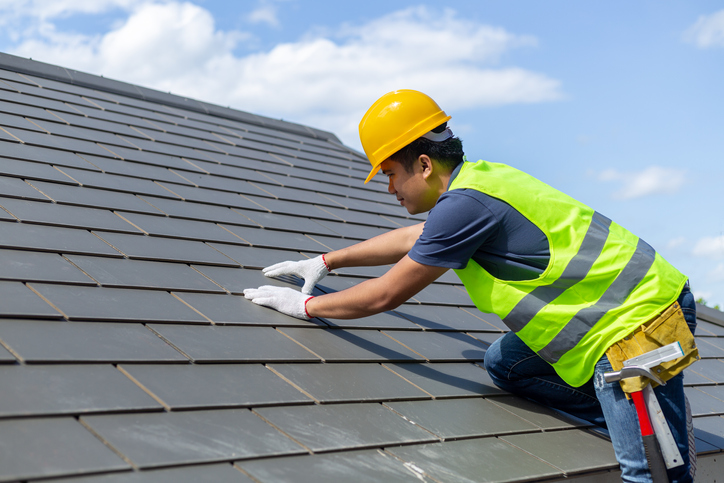
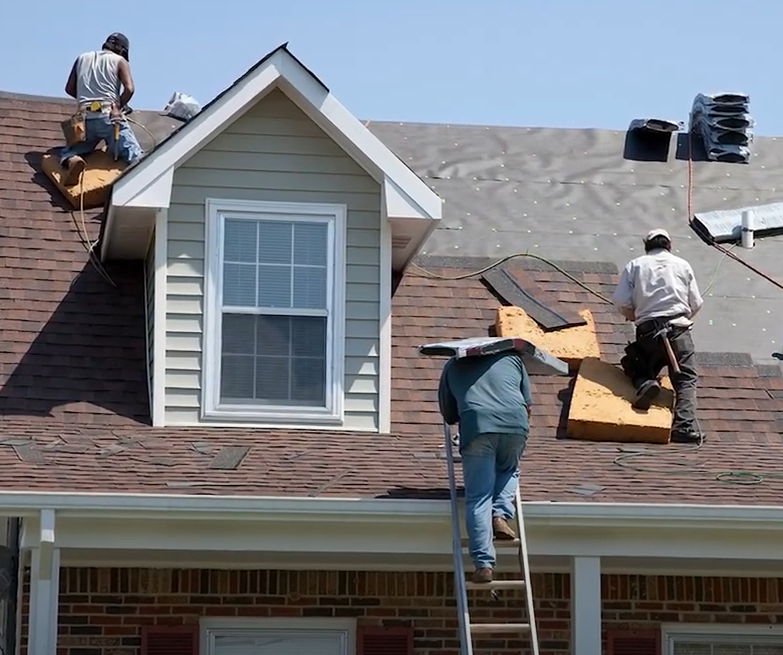
    Roof Leak Repairs
    Roof Leak Repairs

    The Impact of Delaying Repairs

    Delaying repairs on a leaking roof can have significant long-term consequences that go beyond just the immediate inconvenience of water intrusion. The longer a roof leak is left unaddressed, the more extensive the damage can become, leading to a cascade of problems that can affect the overall integrity and safety of your home. 

    • Increased Damage and Repair Costs: Moisture can quickly penetrate roofing materials, causing them to deteriorate. Over time, this can lead to widespread damage, not just on the roof but also within the home’s structure, including the attic, insulation, walls, and ceilings. This not only complicates the repair process but also escalates the costs substantially.
    • Health Risks: Damp environments are breeding grounds for mold and mildew, which can proliferate throughout the home if repairs are delayed. Exposure to mold poses health risks, especially for individuals with respiratory conditions or allergies.
    • Energy Efficiency Losses: A leaking roof can compromise your home’s insulation, leading to increased heat loss during winter and heat gain during summer. This inefficiency not only makes your home less comfortable but also leads to higher energy bills.
    • Reduced Property Value: The longer roof leaks are ignored, the more they can impact your home’s overall value. Potential buyers are less likely to be interested in a property with a history of water damage and ongoing repair issues.
    • Insurance Implications: Many homeowner insurance policies require that reasonable care is taken to maintain the property. Failure to promptly address a known issue like a roof leak could lead to denied claims for any resulting damage, based on negligence.

    Proactively managing roof repairs not only saves you money in the long run but also preserves the health of your home and its occupants. The risks involved with delaying roof repairs underscore the importance of acting swiftly at the first sign of a leak.

    Budgeting Strategies for Roof Leak Repairs

    Budgeting for roof leak repairs is essential for minimizing the impact of these unforeseen expenses on your overall financial health. By being prepared, homeowners can ensure that they can address repairs promptly, preventing further damage and additional costs. Here are some effective strategies to budget for roof leak repairs:

    • Emergency Savings Fund: One of the most effective ways to prepare for unexpected home repair costs is by establishing an emergency savings fund. Aim to set aside a certain percentage of your monthly income into this fund, specifically for urgent repairs like roof leaks. Having this financial cushion can significantly reduce the stress associated with these sudden expenses.
    • Home Maintenance Account: Separate from an emergency fund, consider creating a dedicated home maintenance savings account. Allocate funds regularly to this account for the sole purpose of home repairs and improvements. This proactive approach allows you to gradually build a substantial reserve over time, earmarked for maintenance needs including roof repair.
    • Annual Roof Inspection: Scheduling an annual roof inspection can help identify potential issues before they result in a leak. While there’s an upfront cost for professional inspections, catching and addressing minor issues early on can prevent more expensive repairs down the line, ultimately saving you money.
    • Insurance Review: Understand the coverage details of your homeowner insurance policy regarding roof damage and repairs. In some cases, your policy might cover repairs, especially if the damage is due to unforeseen events like storms. Knowing what your insurance covers can help you budget more accurately for out-of-pocket expenses.
    • Research and Compare: If a repair is necessary, obtain multiple quotes from reputable roofing contractors. This not only helps you get a fair price but also lets you budget for the best value, balancing cost with the quality of work.
    • DIY for Minor Repairs: For minor issues, consider do-it-yourself repairs if you’re handy and confident in your abilities. There are numerous resources available to guide homeowners through basic roof repair projects. However, it’s crucial to assess the risk and ensure that any DIY efforts do not void warranty terms or insurance policies.

    Implementing these strategies can help homeowners better manage the costs associated with roof leak repairs, ensuring that they’re not caught off guard when unexpected issues arise. By planning ahead and setting aside funds specifically for home maintenance and repair, you can protect your home and your wallet from the fallout of a leaking roof.
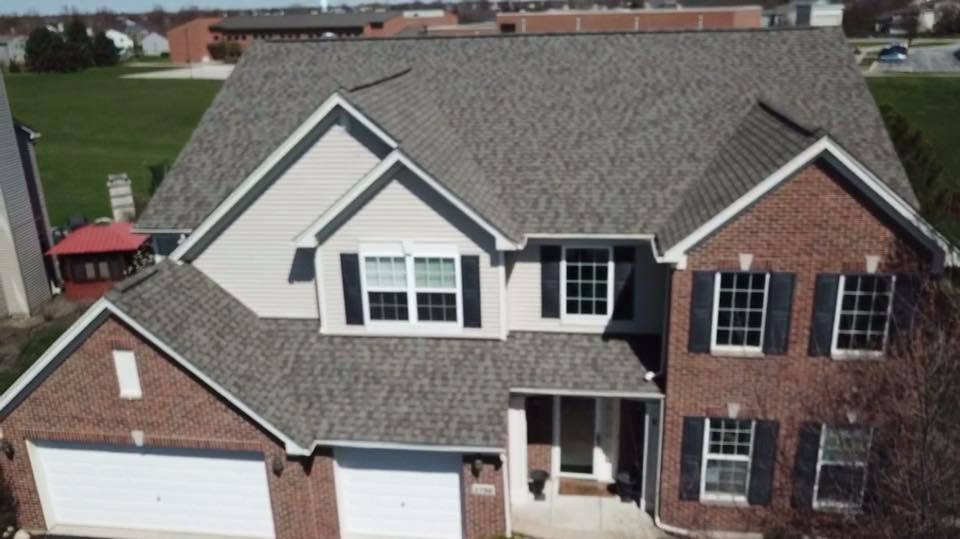
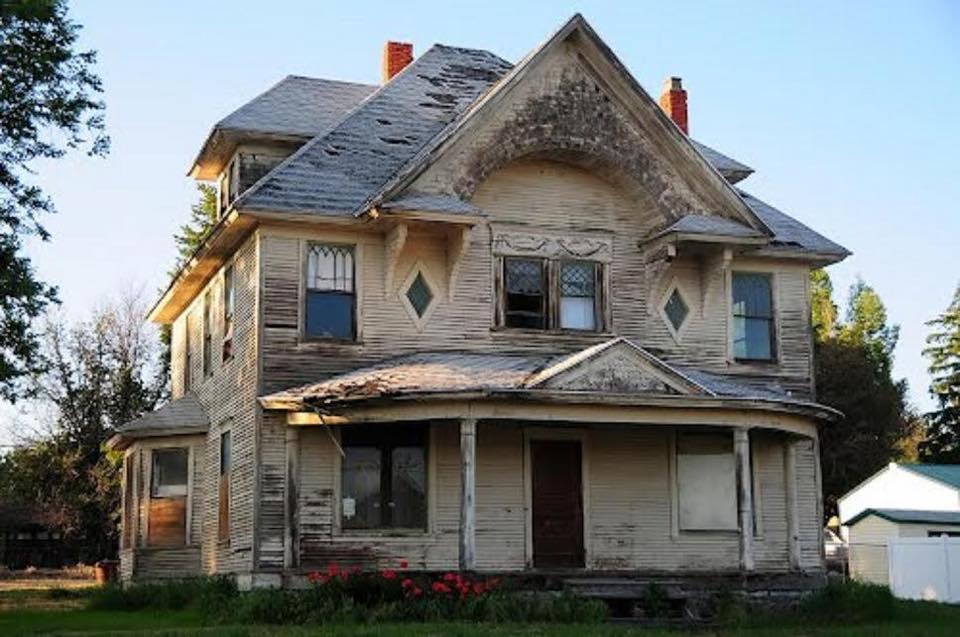
    Roof Repair Cost
    Roof Repair Cost

    DIY vs. Professional Repair: What to Consider

    When faced with a leaking roof, homeowners must decide between tackling the repair themselves or hiring a professional. Each option comes with its own set of considerations, benefits, and potential drawbacks.

    • Expertise and Experience: Professional roofers bring years of experience and specialized skills to the table, ensuring repairs are done correctly and efficiently. For complex or extensive damage, their expertise is invaluable. In contrast, DIY repairs are suitable for minor issues, provided the homeowner has a good understanding of roofing systems and the required repair techniques.
    • Safety Risks: Roof repairs can be hazardous, especially for individuals lacking the proper safety equipment and experience working at heights. Professionals are trained to manage these risks effectively. Homeowners considering DIY repairs must seriously evaluate their ability to safely perform the work.
    • Cost: DIY roof repairs usually appear more cost-effective in the short term, as they eliminate labor costs. However, without the proper tools, materials, and know-how, there’s a risk of inadvertently causing further damage, leading to even higher costs down the line. Professional services, while initially more expensive, can ultimately be more economical due to the quality and durability of the repair.
    • Time Commitment: Repairing a roof can be time-consuming, particularly for those learning as they go. This is a significant consideration for homeowners with busy schedules. Hiring professionals can save time and ensure the job is completed promptly.
    • Warranty and Guarantees: Many roofing contractors offer warranties on their work, providing peace of mind and protection against future issues. Conversely, DIY repairs carry the risk of voiding existing warranties on roofing materials or previous professional repairs.
    • Quality of Materials: Professionals have access to high-quality, commercial-grade materials that may not be readily available to the general public. This can make a significant difference in the longevity and effectiveness of repairs.

    Weighing these factors can help homeowners make an informed decision between DIY and professional roof repair. Ultimately, the choice should align with the individual’s skill level, understanding of the repair needed, and their ability to safely carry out the work, while also considering the long-term implications and costs.

    Common Causes of Roof Leaks

    Identifying the root causes of roof leaks is essential in preventing future water damage and maintaining the structural integrity of your home. Here are some of the most common culprits behind roof leaks:

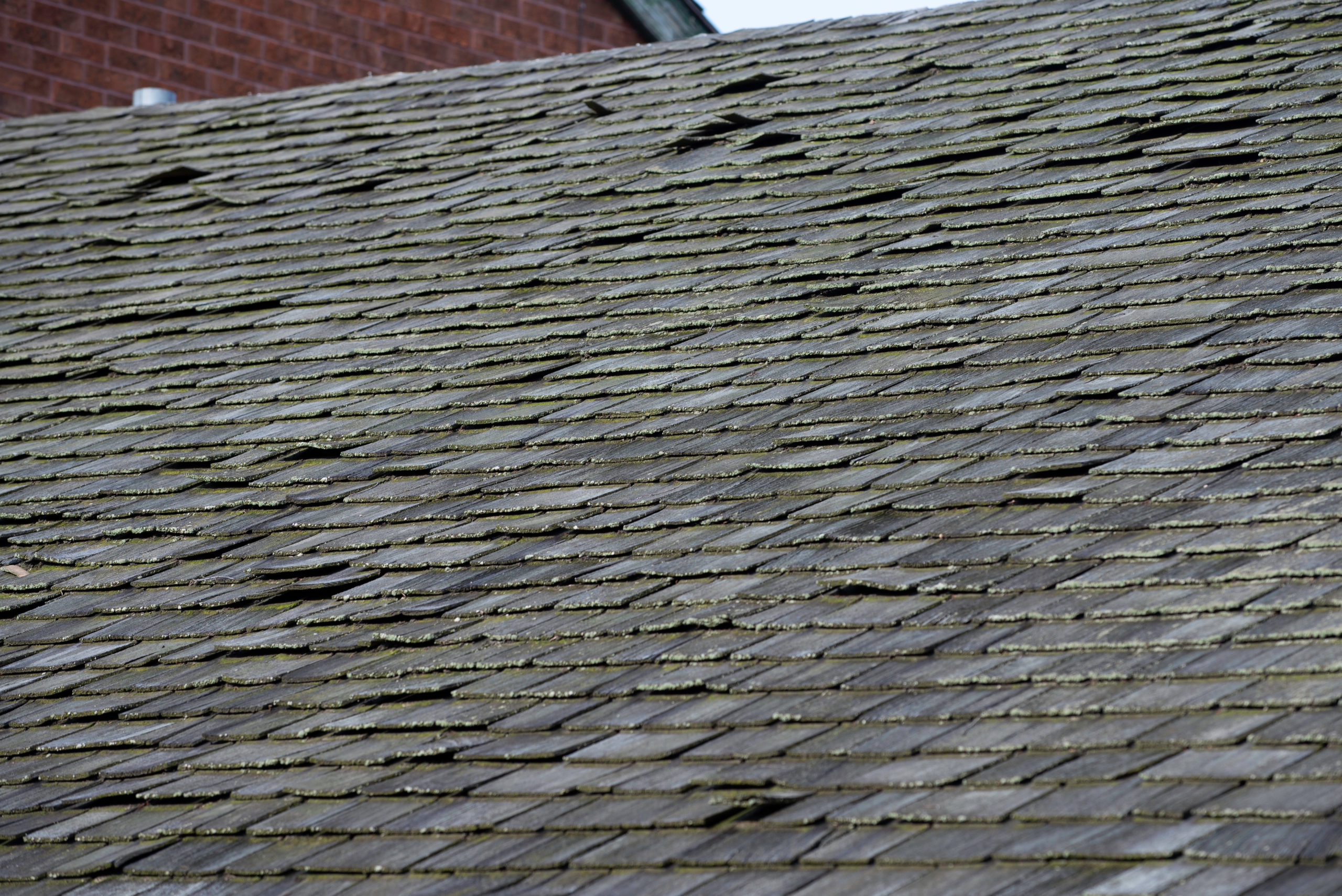
    • Age of the Roof: Over time, roofing materials deteriorate and lose their effectiveness due to exposure to various weather conditions. Older roofs are more susceptible to leaks as their components have likely reached the end of their lifespan.
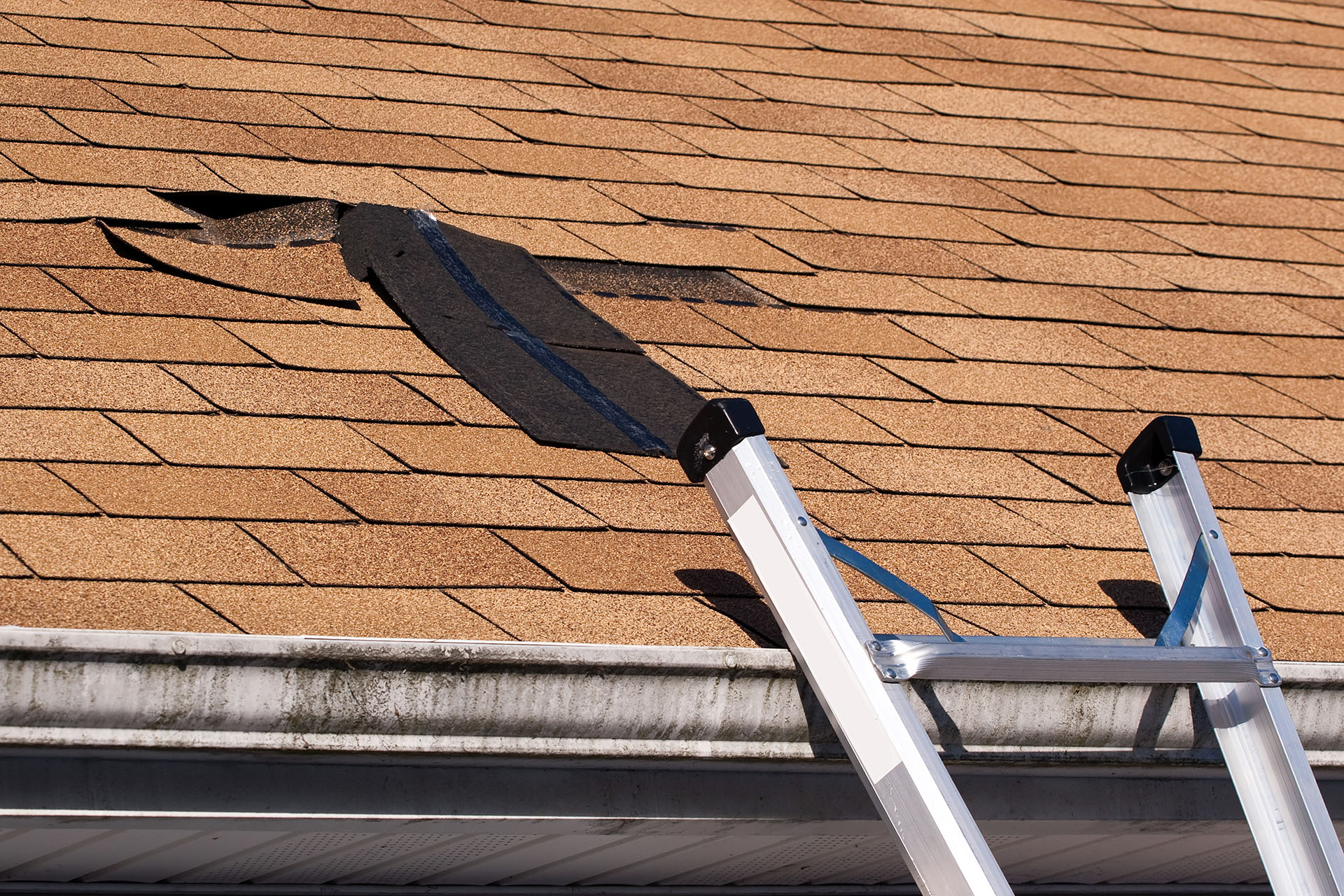
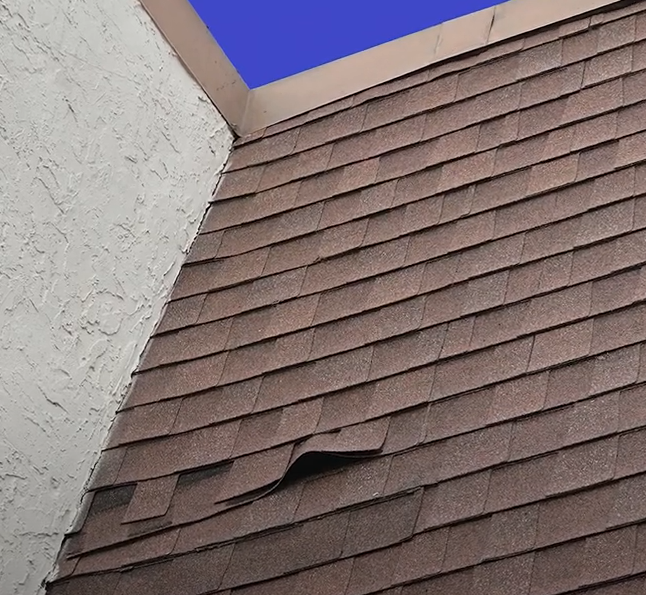
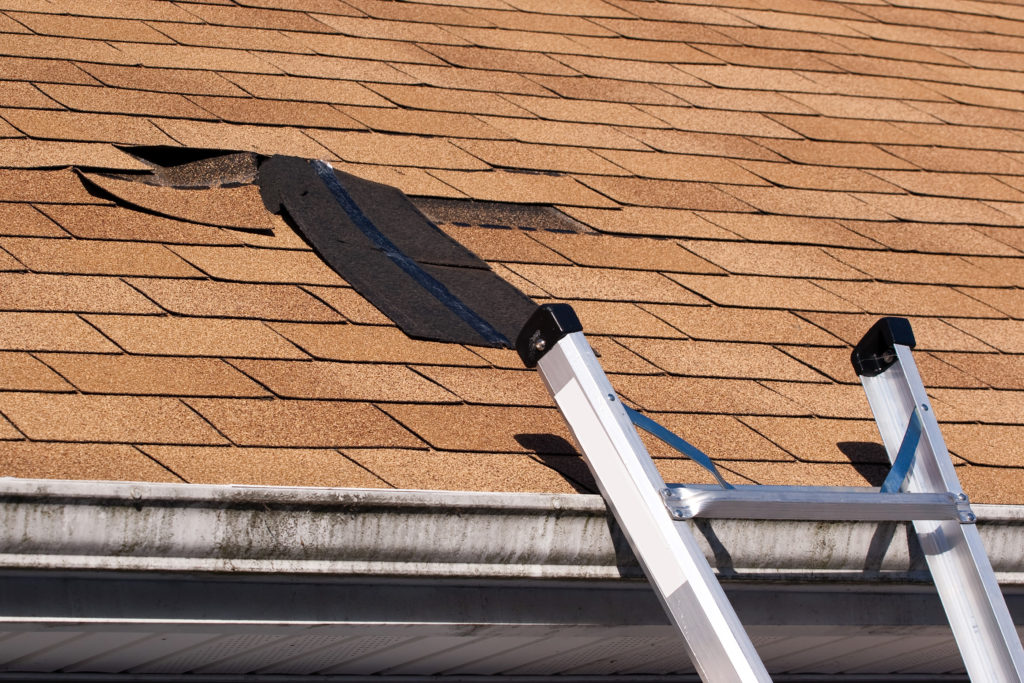
    • Missing or Damaged Shingles: High winds, storms, and physical impact can dislodge or damage shingles, leaving the roof vulnerable to water infiltration. Regular inspections can help identify and replace compromised shingles.
    • Improperly Sealed Valleys: The valleys, where two roof planes come together, need to be properly sealed to prevent water from sneaking through. Leaks often occur in these areas if the sealant erodes over time or if it was not adequately applied during installation.
    • Clogged Gutters: When gutters are clogged with debris, water can back up and seep under the roof shingles or overflow behind the gutters, potentially damaging the fascia and leading to leaks.
    • Cracked or Missing Flashing: Flashing is installed at joints in the roof and around vents, chimneys, and skylights to create a water-tight barrier. If this flashing cracks, breaks, or detaches, water can enter the home.
    • Vent Boot Damage: Plumbing vents have rubber boots or plastic flashing that can deteriorate over time, creating pathways for water to enter the house.
    • Skylight Leaks: Improper installation, damaged seals, or cracked glass on skylights can lead to leaks, often noticeable after heavy rain.
    • Ice Dam Build-up: In colder climates, ice dams can form at the edge of the roof, preventing melted snow from draining off the roof and forcing water to go underneath the shingles.

    Understanding these common causes of roof leaks can help homeowners take preventive measures, conduct more targeted inspections, and address minor issues before they escalate into significant problems.

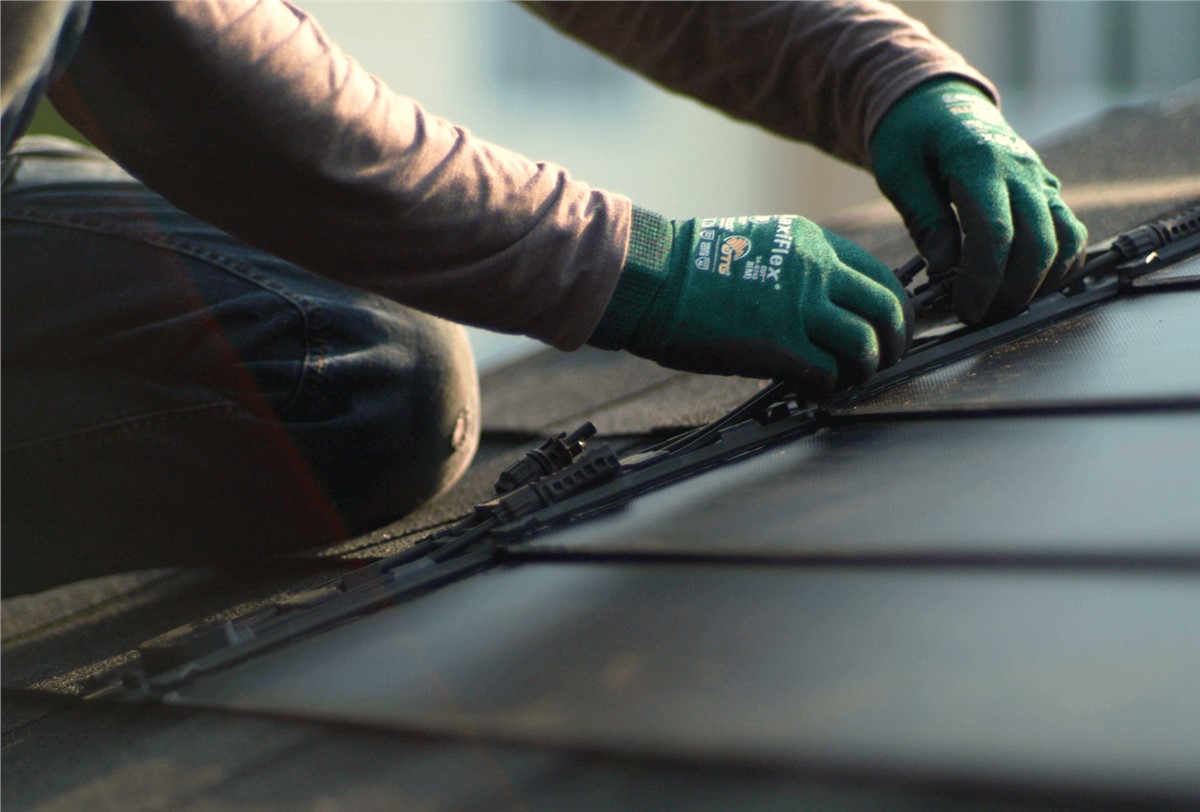
    Professional Roof Repair
    Professional Roof Repair

    Steps to Take When You Discover a Roof Leak

    Discovering a roof leak can be a daunting experience, but taking immediate and strategic actions can help mitigate damage and address the issue efficiently. Here are crucial steps to take when you discover a roof leak:

    • Contain the Water: Place a bucket or container under the drip to contain the water. If water is spreading along a ceiling or wall, you might need to use towels or rags to protect your floors and furniture. 
    • Relieve Water Pressure: If you notice a bulging water spot on your ceiling, carefully puncture it with a small hole to release the trapped water. This can prevent the ceiling from collapsing and minimize water damage.
    • Locate the Source: Try to identify the source of the leak. Sometimes, water can travel from the original entry point, so look for any visible signs like missing shingles or damaged flashing on your roof. However, keep in mind that locating the exact source might be challenging and may require a professional assessment.
    • Cover the Affected Area: If it’s safe to do so, use a tarp to cover the affected area on your roof. This temporary solution can help prevent further water intrusion until professional repairs can be made.
    • Document the Damage: Take photos and notes of the damage both inside and outside your home. This documentation will be crucial for insurance claims and for contractors to assess the repairs needed.
    • Contact a Professional: Reach out to a reputable roofing contractor for an inspection and repair estimate. It’s imperative to choose an experienced and licensed professional roofer to ensure the repairs are carried out effectively.
    • Notify Your Insurance Company: Inform your homeowner’s insurance company about the leak. Provide them with the documentation of the damage and discuss your coverage. They may also recommend approved contractors for the repair work.
    • Prevent Future Leaks: Once the immediate leak is addressed, consider a comprehensive inspection of your roof to identify and rectify potential vulnerabilities. Regular maintenance and timely repairs are key to preventing future leaks and extending the lifespan of your roof.

    Taking these steps promptly can help control the situation, minimize damage, and facilitate the repair process, ultimately helping you restore the integrity and safety of your home.

    In conclusion, roof leaks can be a common and frustrating issue for homeowners. Understanding the potential causes, taking preventive measures, and responding promptly to any leaks can help mitigate damage and ensure the longevity of your roof. Whether you choose to handle repairs yourself or hire a professional, it’s essential to prioritize safety, efficacy, and long-term implications when making repair decisions. Regular inspections and maintenance can also go a long way in preventing future leaks and saving you from costly repairs. Keep these tips in mind to safeguard your home against the damaging effects of roof leaks.

    7289 OH-43, Kent, OH 44240, United States
    (330) 677-9463
  • Emergency Roof Leak Repair

    Emergency Roof Leak Repair: What to Do When Disaster Strikes

    A roof leak is one of the most dreaded maintenance issues for any homeowner or property manager. It’s a problem that can lead to serious damage if left unattended—mold growth, compromised structural integrity, and damage to your home’s interior can all result from a small, seemingly innocuous leak that’s allowed to grow. 

    This guide is designed to equip you with the knowledge and techniques needed to handle an emergency roof leak repair swiftly and effectively until professional help is available. Whether you’re a seasoned DIY enthusiast or a homeowner just getting to know the ropes, these steps will help you protect your property when disaster strikes.

    Identifying the Problem: Signs of a Roof Leak

    The initial stage in tackling a roof leak is recognizing that you have one, which can sometimes be less obvious than expected. Early detection is crucial to minimize damage, so be on the lookout for these signs:

    • Water Stains: These are typically brownish spots on your ceiling or walls. They can be irregular in shape and might not directly align with the leak source due to water traveling along roof panels or beams.
    • Dripping Water: The most undeniable sign of a leak is the presence of water where it shouldn’t be. You might hear dripping sounds or see water accumulating in puddles during or after a rainstorm.
    • Mold and Mildew Growth: Excessive moisture from a leak can lead to the growth of mold and mildew, not only on the exterior but also within the structure of your home. This growth can produce a musty odor and pose health risks to residents.
    • Missing or Damaged Shingles: Visibly damaged, curled, or missing shingles can indicate potential leak points. Regularly inspecting your roof, especially after severe weather, can help identify these issues early.
    • Clogged Gutters: Gutters filled with debris can cause water to back up and seep under your roof shingles, leading to leaks. Keeping gutters clean is an essential preventative measure.

    By remaining vigilant and regularly inspecting your property for these signs, you can catch roof leaks early and address them before they escalate into larger issues.

    Roof Leak Repair
    Roof Leak Repair

    Staying Safe: Precautions to Take Before Attempting a Repair

    Before you climb onto the roof to address a leak, ensuring your safety is paramount. Roof repairs can be hazardous, particularly during or immediately after bad weather, when surfaces are slippery and visibility may be low. Here are essential safety precautions you should take:

    • Wait for Clear Weather: Never attempt roof repairs during a storm or when the roof is wet. Wet roofs are incredibly slippery, and storms can present unforeseen hazards.
    • Use Proper Safety Gear: Always wear non-slip shoes or boots with good traction. It’s also advisable to use safety harnesses or ropes if you’re working on a steep or high roof.
    • Notify Someone: Make sure someone knows you’re going to be on the roof. In case of an accident, it’s crucial that someone is aware and can call for help if necessary.
    • Use a Sturdy Ladder: Ensure your ladder is stable and securely positioned. If possible, have someone hold the ladder while you ascend and descend.
    • Beware of Power Lines: Be conscious of any overhead power lines near your roof. Avoid ladders that could contact these lines, and maintain a safe distance at all times.
    • Do Not Overreach: Stay centered on the roof and avoid leaning over edges or reaching too far. If you can’t safely access an area, it may be better to call a professional rather than risk a fall.

    Taking these precautions can greatly reduce the risk of injury when attempting to repair a roof leak. Remember, if the repair is beyond your skill set or if you feel unsafe at any point, it’s best to call in a professional roofing contractor.

    Gather Your Materials: What You’ll Need for Emergency Roof Leak Repair

    Before attempting any repairs, gathering all necessary materials in advance can help streamline the process and ensure you’re prepared for any situation. Here’s a checklist of materials you’ll likely need for temporary emergency roof leak repairs:

    • Tarp: A large, waterproof tarp can provide immediate cover to the affected area, preventing further water ingress until permanent repairs can be made.
    • Roofing Nails and Hammer: These are essential for securing the tarp to your roof without causing additional damage. Make sure the nails are appropriate for your roofing material.
    • Utility Knife: A sharp utility knife is useful for trimming the tarp and any other materials to the correct size.
    • Bucket and Sponges: Keep a bucket and sponges handy to clean up any standing water inside your home. This can prevent further interior damage and help identify the leak’s source.
    • Roofing Cement: Apply roofing cement to small holes or cracks. It’s a quick and effective way to seal leaks temporarily.
    • Caulking Gun and Caulk: For leaks around roof penetrations like vents and chimneys, caulk can provide a temporary seal.
    • Flashlight: Useful for finding your way around the roof and attic, especially if you’re working during low-light conditions.
    • Rubber-soled Shoes: Ensure your shoes have excellent traction to minimize the risk of slipping.
    • Safety Gear: Don’t forget your safety gear, including gloves, safety glasses, and a hard hat, to protect yourself from injuries.

    Having these materials on hand before starting your repair can save precious time and help mitigate the leak’s impact more effectively. Remember, these are temporary fixes. Once weather conditions improve, it’s crucial to arrange for a professional inspection and permanent repair by a qualified roofing contractor.

    Roofing Contractor
    Roofing Contractor

    Step-by-Step Guide: Temporary Fixes for Different Types of Roof Leaks

    Whether facing leaks due to missing shingles or compromised sealing around roof penetrations, addressing the issue promptly can prevent significant damage. Below is a simple guide to executing temporary fixes based on the type of roof leak you encounter:

    For Missing or Damaged Shingles:

    • Assess the Damage: Locate the area where the shingles are missing or damaged. This is often a clear entry point for water.
    • Prepare the Area: Remove any debris or broken shingle pieces.
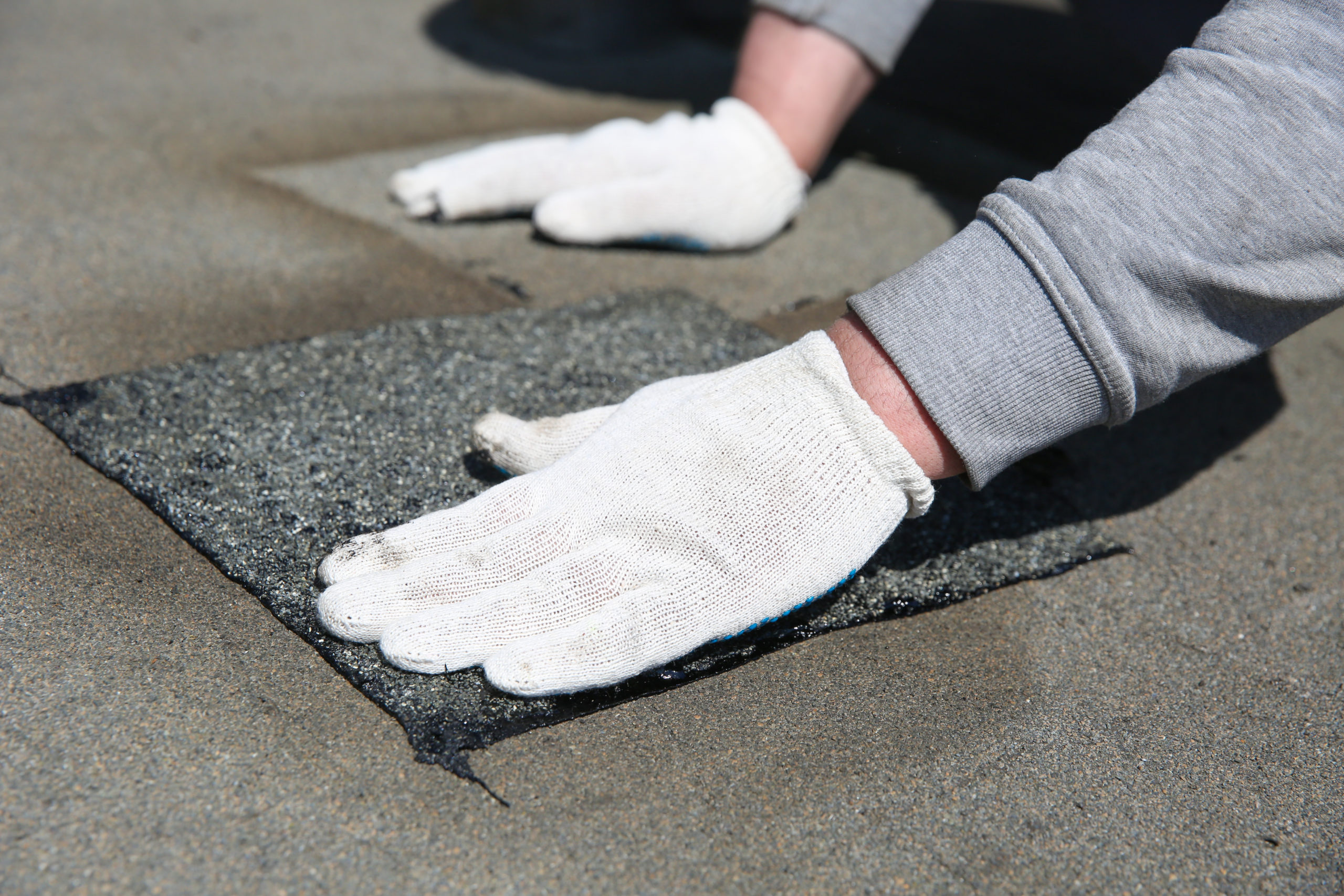
    • Apply Roofing Cement: Spread a generous amount of roofing cement on the area where the shingle is missing or damaged.
    • Place a Replacement Shingle or a Piece of Flashing: If you have a spare shingle, fit it into place, pressing firmly into the cement. If not, a piece of metal flashing cut to size can work as a temporary fix.
    • Secure the Shingle or Flashing: Nail the replacement shingle or flashing into place, then seal the nail heads with roofing cement to waterproof it.

    For Leaks Around Chimneys or Roof Vents:

    • Inspect the Seal: Identify where the sealant around the base of the chimney or vent has failed.
    • Clean the Area: Ensure the area is free from dirt, moss, or other debris.
    • Apply Caulk: Using a caulking gun, apply a new layer of waterproof sealant around the chimney or vent, covering the area where the old sealant has failed.
    • Smooth the Sealant: Use a putty knife or your finger (wearing a glove) to smooth out the sealant and ensure it covers the area evenly

    For Punctures or Small Holes

    • Locate the Hole: Find the exact spot of the puncture or small hole that’s allowing water entry.
    • Clean the Surface: Remove any debris or water around the hole. The surface needs to be dry for the repair materials to adhere properly
    • Apply Roofing Cement: Cover the hole with a thick layer of roofing cement using a putty knife.
    • Place a Patch: If the hole is large, apply a piece of roofing fabric over the cement, then add another layer of cement over the fabric to fully seal the hole.

    For Clogged Gutters:

    • Safety First: Ensure you have a stable ladder and someone to spot you.
    • Remove Debris: Use gloves to remove leaves, twigs, and any other blockages from the gutters.
    • Check Downspouts: Make sure downspouts aren’t clogged. Use a hose to flush out any lingering debris.
    • Inspect for Damage: Look for any signs of damage to the gutters that might also contribute to leaks and address them accordingly.

    Always remember, that these are temporary fixes to mitigate immediate damage. For comprehensive and long-lasting repairs, consult with a professional roofing contractor who can assess and address the root cause of the leaks.

    Calling in the Pros: When You Should Seek Professional Help

    While the temporary fixes outlined above can help mitigate immediate water damage, they are not long-term solutions. It’s crucial to recognize when professional help is needed. Seeking the expertise of a professional roofing contractor is advisable in the following scenarios:

    • Extensive Damage: If your roof has suffered extensive damage, such as large areas of missing shingles or significant structural issues, a professional assessment and repair are necessary.
    • Persistent Leaks: If after attempting temporary repairs, you continue to experience leaks, this could indicate a more complex underlying issue that requires expert diagnosis and resolution.
    • Safety Concerns: Roofing work can be dangerous. If accessing your roof poses a significant risk due to its height, pitch, or the complexity of the repair, it’s safer and wiser to contact a professional.
    • Warranty Considerations: DIY repairs on a roof that’s under warranty might void your warranty. Always check the terms of your warranty and consider professional repairs to maintain coverage.
    • Lack of Tools or Expertise: If you lack the necessary tools, materials, or confidence in your ability to perform the repairs properly, hiring a professional will save time and prevent potential further damage.

    Remember, a professional roofing contractor can provide a comprehensive assessment, address the root cause of the leak, and perform repairs that ensure your roof’s integrity and longevity. Prioritizing safety and effectiveness, seeking professional help when needed is a prudent decision in maintaining your home’s health and your peace of mind.

    Professional Roof Repair
    Professional Roof Repair

    Preventing Future Leaks: Maintenance Tips to Keep Your Roof Leak-Free

    Preventing future leaks requires regular roof maintenance and vigilance to ensure the integrity of your roof. Here are some tips to help keep your roof in top condition and leak-free:

    • Regular Inspections: Conduct visual inspections of your roof at least twice a year, in the spring and fall. Look for signs of wear, damage, or aging, such as missing shingles, cracked sealant, or warping. Early detection of potential issues can prevent minor problems from escalating into significant leaks.
    • Clean Your Gutters: Ensure your gutters and downspouts are free from debris, such as leaves, twigs, and dirt. Clogged gutters can lead to water backing up and potentially entering your home, causing damage. Cleaning your gutters regularly promotes proper water flow away from your roof and foundation.
    • Trim Overhanging Tree Branches: Trees that overhang your roof can pose a risk during storms; branches can fall and damage your roof or provide a pathway for squirrels and other animals to access and potentially harm your roof. Regularly trimming these branches can reduce these risks.
    • Address Repairs Promptly: If you identify minor damage or wear, address it promptly before water has a chance to enter and cause further damage. Small issues like cracked or missing shingles and broken seals around vents or chimneys can be quickly remedied if caught early.
    • Ensure Proper Attic Ventilation and Insulation: Proper ventilation and insulation in your attic can prevent heat and moisture build-up that can weaken your roof over time, leading to leaks. Ensure your attic is properly insulated and that ventilation paths are clear to promote air flow.
    • Professional Roof Inspection: Beyond your own visual inspections, having a professional roofing contractor inspect your roof every few years can help identify issues that may not be obvious to the untrained eye. They can also offer advice on any preventive measures that could be taken.

    By following these maintenance tips, you can extend the life of your roof and prevent future leaks, ensuring your home remains safe and dry. Regular attentiveness to the condition of your roof is the best strategy to avoid unforeseen repairs and costs.

    In conclusion, leaks in your roof can be a frustrating and potentially costly issue for homeowners. However, with the right knowledge and tools, many minor leaks can be addressed temporarily until a professional can provide a long-term solution. It’s essential to prioritize safety when attempting any DIY repairs and to know when it’s time to seek professional help. Regular maintenance and inspections are also crucial in preventing future leaks and maintaining the integrity of your roof. By following these tips, you can keep your roof leak-free and protect your home for years to come. 

    7289 OH-43, Kent, OH 44240, United States
    (330) 677-9463
  • Common Causes of Roof Leaks

    Common Causes of Roof Leaks: Understanding the Culprits

    Your home’s roof is more than just a protective barrier against the elements; it’s the front line of defense for everything you hold dear. When a roof leaks, the potential damage to your property’s integrity, safety, and resale value cannot be overstated. Understanding common causes of roof leaks is the first step to protecting your investment and ensuring the comfort and safety of those under your roof.

    In this comprehensive guide, we will detail the common causes of roof leaks, how to identify them, and what steps you can take to prevent or address leaks. Whether you’re a property manager, homeowner, or DIY enthusiast, being well-informed on this subject can save you from the misery of water-damaged interiors and costly repairs. So let’s get started!

    What Causes Roof Leaks?

    Roof leaks can emanate from a multitude of sources, often a culmination of natural wear and tear exacerbated by environmental factors. To safeguard your home effectively, it’s pivotal to recognize these common culprits:

    • Cracked or Missing Shingles: Over time, shingles may crack, warp, or go missing due to harsh weather conditions like high winds, heavy rains, or extreme temperatures. This leaves the underlying layers exposed and susceptible to water intrusion.
    • Improperly Installed Flashing: Flashing, the material that seals transitions on a roof (like those around vents, skylights, and chimneys), can lead to leaks if not installed correctly. Corrosion or damage to flashing further compounds the problem.
    • Clogged Gutters: Gutters clogged with leaves, branches, and debris prevent rainwater from flowing away from the roof. The resulting water backup can seep under roofing materials and into the home.
    • Age of the Roof: No roof lasts forever; materials degrade over time and become less effective at repelling water. An older roof is more likely to leak than a newer, well-maintained one.
    • Poor Ventilation: Inadequate ventilation in attics can lead to moisture buildup under the roof. Over time, this can cause rotting in the roof decking and create entry points for water.

    Each of these issues, if left unaddressed, can yield significant damage to a home’s structure and interior. Regular inspections and maintenance are crucial steps in leak prevention, helping homeowners catch and rectify potential issues before they escalate into major problems.

    Roof Leaks Repair
    Roof Leaks Repair

    Identifying the Signs of a Roof Leak

    Detecting a roof leak early can be the key to preventing a minor issue from escalating into a substantial and costly repair job. However, leaks can often be elusive and not always directly visible. Here are signs that your roof may be leaking:

    • Water Stains: Discoloration or water stains on your ceiling or walls can be a clear sign of a leak. These stains might appear brownish or yellowish and can grow over time if the leak persists.
    • Mold Growth: Unexplained mold or mildew growth indoors, especially in areas like the attic, can be indicative of a leak. Moisture seeping in from the roof can create an ideal environment for mold spores to flourish.
    • Musty Odors: Persistent musty or damp odors in certain areas of your home, particularly those that are not exposed to normal airflow such as attics, can signal moisture intrusion from a leak.
    • Peeling Paint or Wallpaper: Excess moisture can cause paint to bubble, blister, or peel off surfaces. Similarly, wallpaper may start to peel away or show signs of damage in the presence of a leak.
    • Damp Spots on the Floor: Finding unexpected wet or damp spots on the floor underneath your roofline can also suggest water is making its way into your home through a leak.
    • Visible Damage on the Roof: While inspecting the exterior of your roof, if you notice cracked, missing, or damaged shingles, it could indicate that these areas are allowing water to enter.
    • Higher Utility Bills: An increase in heating or cooling costs can be indirectly related to a roof leak as moisture intrusion can lessen the efficiency of your home’s insulation.

    By staying vigilant and recognizing these signs early, homeowners can act swiftly to identify the source of the leak and seek professional repair, thus minimizing damage and repair costs. Regularly scheduled roof inspections by qualified professionals can also play a pivotal role in the early detection and prevention of roof leaks.

    How to Prevent Roof Leaks

    Preventing roof leaks is pivotal in maintaining the structural integrity and safety of your home. Regular maintenance and early identification of potential problems are key strategies for avoiding the headaches and expenses that come with water intrusion. Here are proactive steps you can take to keep your roof in optimal condition:

    • Regular Inspections: Conduct bi-annual inspections of your roof (usually during spring and fall) to catch any issues early. Look for cracked, missing, or damaged shingles, as well as compromised flashing.
    • Keep Gutters Clear: Ensure your gutters are free of debris such as leaves, twigs, and dirt. Clogged gutters can cause water to pool and seep beneath roofing materials, leading to leaks.
    • Maintain Flashing and Sealants: Check the flashing around vents, skylights, and chimneys. Repair or replace any that is damaged or rusted. Similarly, check and refresh sealants that may have deteriorated over time.
    • Trim Overhanging Branches: Trees hanging over your roof can damage roofing materials during storms and drop debris that accumulates on the roof. Regularly trimming back branches can prevent damage and reduce gutter clogging.
    • Ensure Adequate Attic Ventilation and Insulation: Proper ventilation and insulation in your attic can prevent the buildup of moisture and condensation, a common cause of roof rot and leaks.
    • Address Ponding Water Immediately: If you notice areas of standing water on your roof after rain, have a professional assess the situation. Ponding water can lead to roof deterioration and leaks over time.
    • Repair Roof Damage Promptly: If you identify any damage during your inspections, address it immediately. Delaying repairs can turn minor issues into major leaks.
    • Hire Professionals for Regular Maintenance: While DIY checks are helpful, it’s wise to have a professional roofing contractor perform a thorough inspection annually. They can identify issues that might not be apparent to the untrained eye.

    Taking these preventative measures can significantly reduce the risk of roof leaks. A well-maintained roof not only protects your home from water damage but also extends the life of your roofing materials, offering peace of mind and saving you money in the long run.

    Roof Maintenance
    Roof Maintenance

    The Importance of Regular Roof Maintenance

    Regular roof maintenance is not just about preventing leaks; it’s about ensuring the longevity and overall health of your roofing system. A well-maintained roof does more than keep water out; it protects your home from severe weather, helps maintain optimal indoor temperatures, and contributes to the energy efficiency of your home. Neglecting roof maintenance can lead to significant problems, from structural damage to the growth of harmful mold.

    By prioritizing regular roof maintenance, homeowners can identify potential issues before they escalate into costly repairs. This proactive approach not only saves money in the long run but also extends the lifespan of the roof. Furthermore, a well-maintained roof can enhance the curb appeal and overall value of your property, making it a wise investment for any homeowner. Ultimately, regular roof maintenance is a key component of responsible home ownership, ensuring that your home remains safe, comfortable, and secure against the elements.

    Common Types of Roof Damage

    Roof damage can manifest in several ways, each potentially compromising the integrity and functionality of your roofing system. Understanding the common types of roof damage is crucial for homeowners to ensure timely repairs and maintenance. Here are some prevalent forms of damage to be aware of:

    • Weather Damage: Extreme weather events, such as hailstorms, high winds, and heavy snowfall, can cause significant damage to roofs. Hail can dent or break shingles, strong winds can rip them off, and the weight of snow can strain the structure of your roof.
    • Water Damage: Persistent leaks can lead to water damage, which not only affects the roof but can also compromise the structural integrity of the entire home. Water infiltration can rot wood components, rust metal elements, and create an environment conducive to mold and mildew growth.
    • Impact Damage: Falling branches, debris, or any direct impacts from objects can cause immediate and noticeable damage to roofs. This includes broken or cracked tiles, punctures in the roofing material, and damaged flashing.
    • Ultraviolet (UV) Light Damage: Over time, exposure to the sun’s UV rays can weaken roofing materials, especially those that are organic or petroleum-based. This can result in fading, drying out, and the eventual breakdown of the roof surface.
    • Thermal Shock: Roofs can undergo thermal shock when they experience extreme temperature changes within a short period. This can cause roofing materials to expand and contract, leading to cracks, warping, and the loosening of fasteners.
    • Poor Maintenance: Neglecting regular roof maintenance can lead to a buildup of issues, such as clogged gutters, accumulated debris, and unaddressed minor damages, all of which can shorten the lifespan of your roof and lead to more significant problems over time.

    Identifying and addressing these types of damage early on can save homeowners from costly repairs and replacements. Regular inspections and prompt repair of any damage can ensure the longevity and durability of your roof, keeping your home safe and secure.

    Addressing Roof Leaks: DIY vs Professional Services

    When it comes to addressing roof leaks, homeowners may ponder whether to tackle the issue through DIY efforts or to enlist professional services. Each approach has its merits and downsides, contingent on the extent of the damage, the homeowner’s experience, and the complexity of the repair.

    DIY Repairs offer the allure of cost savings and the satisfaction of personal accomplishment. For minor leaks that require straightforward fixes, such as replacing a handful of shingles or applying sealant to small gaps, DIY can be an effective solution. However, it’s crucial for individuals to possess the appropriate skills, tools, and safety knowledge to avoid accidents or exacerbating the problem.

    Professional Services, on the other hand, bring expertise, comprehensive inspections, and warranties to the table. Roofing professionals possess the know-how to identify not only the obvious issues but also underlying problems that might not be visible to the untrained eye. Although hiring professionals involves higher upfront costs, their ability to diagnose and resolve complex issues can prevent costly damages in the long run and ensure the repair is done correctly and safely.

    In conclusion, for minor, easily accessible leaks, a DIY approach may be suitable for those with the right experience. However, for more significant leaks, complex issues, or when safety concerns are present, seeking professional services is highly advisable. Ultimately, the goal is to ensure the integrity of the roof is maintained, protecting the home and its occupants from further harm.

    Professional Roof Repair
    Professional Roof Repair

    Repairing vs Replacing a Leaking Roof

    When faced with a leaking roof, homeowners must decide whether to repair or replace the entire structure. This decision hinges on several factors, including the age of the roof, the extent of the damage, and financial considerations.

    Repairing a Leaking Roof tends to be more cost-effective in the short term and can be sufficient if the damage is localized. Minor issues such as a few missing shingles or a small leak can often be patched up relatively easily, restoring the roof’s integrity without the need for a full replacement. Repair is best suited for newer roofs or when the damage is confined to a small area.

    Replacing a Leaking Roof, while a more significant investment, may be necessary if the roof is nearing the end of its useful life or if damage is widespread. Factors such as severe weather damage, extensive water infiltration, or a roof that has been repaired multiple times previously might necessitate a complete replacement. Though the initial cost is higher, replacement can offer peace of mind, increased property value, and improved energy efficiency.

    In essence, if the cost of repairs approaches 30% of the cost of a new roof or if the roof is old, replacement might be the more prudent option. However, if the damage is minor and the roof is relatively new, repairs can extend the life of the roof at a more manageable cost. Consulting with a professional roofer can provide guidance tailored to the specific condition of the roof and the homeowner’s budget.

    In conclusion, understanding the types of damage that can affect a roof and how to address them, as well as considering the best course of action for repair or replacement, is essential for homeowners. Regular maintenance, prompt repairs, and expert guidance can ensure a sturdy and long-lasting roof that protects your home from weather elements and maintains its value.  So it is crucial to stay vigilant and take proactive measures to keep your roof in top condition. By doing so, you can ensure the integrity of your home’s first line of defense and provide a safe and comfortable living environment for you and your family.

    7289 OH-43, Kent, OH 44240, United States
    (330) 677-9463
  • DIY Roof Leak Repair Tips: Can You Fix It Yourself?

    DIY Roof Leak Repair Tips: Can You Fix It Yourself?

    DIY Roof Leak Repair Tips: Can You Fix It Yourself?

    Dealing with a roof leak can be like a storm in your own home. The continuous dripping, the visible damage, and the panic of potential water invasion can be quite overwhelming. For homeowners, one question looms large: Can you attempt roof leak repair yourself? The answer is… maybe. With the right information, preparation, and a bit of courage, you can certainly tackle certain types of roof leaks. In this comprehensive guide, we’ll cover the crucial steps necessary to evaluate, address, and hopefully resolve your roofing woes.

    The Importance of Timely Roof Leak Repair

    Ignoring a roof leak, no matter how insignificant, is like opening the floodgates to a myriad of potential issues within your household. Water seepage, if disregarded, has the potential to cause structural deterioration, foster mold proliferation, and degrade insulation, jeopardizing both your home’s integrity and the well-being of its inhabitants. 

    Addressing these concerns promptly not only averts these consequences but also prolongs your roof’s lifespan, ensuring it remains a steadfast shield for your home. Recognizing the critical nature of promptly repairing roof leaks can shield you from costly repairs and the anxiety of confronting more severe damage in the future.

    Roof Leak Repair
    Roof Leak Repair

    Common Causes of Roof Leaks

    Identifying the source of a roof leak is pivotal in effectively mitigating the damage and preventing future issues. Here are some of the most common causes of roof leaks:

    • Damaged Shingles or Tiles: Extreme weather conditions such as heavy rains, winds, or hail can cause shingles or tiles to crack, break, or get dislodged, creating entry points for water.
    • Aging Roof: Over time, roofing materials deteriorate due to constant exposure to the elements. An aging roof may become brittle, lose its waterproofing properties, and start to leak.
    • Improper Installation: Roof leaks can also stem from errors in the initial installation of roofing materials. Incorrectly installed shingles, tiles, or underlayment may not effectively repel water, leading to leaks.
    • Clogged Gutters: Gutters filled with debris can prevent water from being channeled away from the roof. This can cause water to back up under the roofing materials, leading to potential leakage.
    • Flashing Deterioration: Flashing is used to seal edges and transitions on a roof, such as around chimneys and vent pipes. Over time, flashing can corrode, crack, or come loose, creating pathways for water intrusion.
    • Vent Boot Damage: Roof vents help expel hot air from attics, but their sealing, known as vent boots, can degrade over time. This degradation can allow water to seep in around the vents.

    By understanding these common causes, homeowners can conduct a more informed inspection of their roof to identify potential vulnerabilities. It’s important to regularly inspect and maintain these areas to prevent leaks from occurring.

    Signs of a Roof Leak: How to Identify the Problem

    Identifying a roof leak early can be the key to preventing extensive damage to your home. Knowing what signs to look for can help you catch leaks before they become major issues. Here are the most common indicators that your roof may have a leak:

    • Water Stains on Ceilings or Walls: One of the most obvious signs of a roof leak is the presence of water stains. These can appear as brownish or dark spots on your ceiling or walls, often ringed with moisture.
    • Dripping Water or Puddles: During or after a rainstorm, be on the lookout for any signs of dripping water within your home or puddles that inexplicably form on floors.
    • Mold or Mildew Presence: Mold or mildew in your home, especially in areas not typically prone to dampness, can be a sign of hidden leaks. Mold thrives in moist environments, so its presence could indicate water intrusion.
    • Musty Odors: Sometimes, leaks are not visually apparent but can be detected by a persistent musty smell, particularly in attics, crawl spaces, or other less frequented areas. This odor is often due to damp wood or insulation.
    • Missing, Damaged, or Wet Roofing Materials: Visually inspecting your roof can reveal leaks. Look for missing shingles, damaged flashing, or areas that seem wetter than others after a rainstorm.
    • Increased Energy Bills: An unexplained increase in your heating or cooling bills could indicate heat is escaping through breaches in your roof, possibly caused by leaks.

    Acting swiftly upon noticing any of these signs can help prevent more severe damage. When in doubt, it’s wise to consult with a professional roof inspector to accurately diagnose and address the issue.

    Signs of Roof Leak
    Signs of Roof Leak

    Safety Precautions Before DIY Repair

    Before you begin any DIY roof leak repair, prioritizing your safety is paramount. Roof work comes with its inherent risks, and taking the appropriate precautions can help prevent accidents. Here are essential safety measures to consider:

    • Wear Proper Footwear: Select shoes with good grip and support to minimize the risk of slipping, especially on steep or wet roofs.
    • Use a Sturdy Ladder: Ensure your ladder is stable, in good condition, and securely positioned. It’s advisable to have someone spot you as you ascend or descend.
    • Avoid Wet Conditions: Attempt repairs during dry weather conditions. Wet roofs are slippery and pose a significant hazard.
    • Wear a Safety Harness: For steep or high roofs, a safety harness can be a lifesaver. Secure it to a stable fixture on the roof.
    • Be Aware of Power Lines: Always be conscious of overhead power lines when setting up your ladder and moving around on the roof.
    • Mark off Work Areas: Use cones or caution tape to indicate your work area on the ground, especially if you’re working alone, to alert others and prevent accidents.
    • Watch for Roof Vents and Skylights: These can be fragile and might not support your weight. Always step carefully around them.
    • Bring All Necessary Tools and Materials at Once: Minimize trips up and down the ladder by carrying all your tools and materials in a single trip, using a tool belt or bucket.
    • Stay Hydrated: Roof repair can be physically demanding. Drink plenty of water, especially in hot weather, to avoid dehydration.

    Taking these precautions not only ensures your safety but also makes the repair process more efficient. Remember, if the problem appears to be beyond your capabilities or if you have any doubts about safely completing the job, it’s best to consult a professional.

    Tools and Materials Needed for DIY Roof Leak Repair

    Repairing a roof leak yourself requires some basic tools and materials. Gathering everything you need before you start can save time and make the process smoother. Here is a list of the essentials:

    • Roofing Nails: Used to secure new or replaced shingles and flashing.
    • Hammer: Necessary for driving in nails and removing any damaged materials.
    • Pry Bar: Helps in removing old or damaged shingles and flashing carefully.
    • Roofing Cement: A waterproof sealant used to patch small holes or seal edges of flashing and shingles.
    • Caulk and Caulk Gun: For sealing around roof penetrations such as vent pipes and chimneys.
    • Replacement Shingles: Essential for replacing damaged ones. Try to match your existing shingles for the best aesthetic and functional results.
    • Flashing: Metal or composite material used to prevent water from penetrating the junctions between roofing materials and roof projections.
    • Utility Knife: For trimming shingles or cutting roofing materials as needed.
    • Chalk Line: Helpful for creating straight lines when aligning new shingles or flashing.
    • Putty Knife: To evenly spread roofing cement or caulk.
    • Safety Gear: Includes gloves to protect your hands, safety goggles to protect your eyes from debris, and a hard hat.

    By preparing these tools and materials in advance, you’re well on your way to effectively handling a roof leak repair. Remember, the key to a successful DIY repair is ensuring you have the right tools for the job and exercising caution throughout the process.

    DIY Leak Repair
    DIY Leak Repair

    Step-by-Step Guide to Fixing Common Roof Leaks

    Once you have all the necessary tools and materials, it’s time to tackle the repair itself. Here is a step-by-step guide to fixing common roof leaks:

    1. Identify the Source of the Leak: Before any repair work can begin, you need to locate the exact source of the leak. This may involve going into the attic with a flashlight during or after rain to find where water is entering.
    2. Inspect Shingles or Roofing Materials: Assess the roof from the outside, looking for any signs of damage such as missing, cracked, or torn shingles. Damage is often most evident around roof penetrations, such as vents or chimneys.
    3. Remove Damaged Materials: Carefully remove any damaged shingles or flashing using a pry bar. Be gentle to avoid causing further damage to surrounding materials.
    4. Apply Roofing Cement: Seal small holes or cracks with roofing cement, using a putty knife for an even application. Ensure that the cement extends beyond the edges of the hole for a watertight seal.
    5. Replace Flashing: If the flashing is damaged, remove the old piece and replace it with new flashing, securing it in place with roofing nails and sealing the edges with caulk.
    6. Install New Shingles: For missing or damaged shingles, slide the new shingle into place and nail it down with roofing nails. Ensure each nail is covered with a bit of roofing cement to prevent leaks.
    7. Seal Around Roof Penetrations: Use caulk to seal around the base of vent pipes, chimneys, or other roof penetrations. Double-check that there are no gaps or holes left unsealed.
    8. Check Gutters and Downspouts: Ensure that gutters and downspouts are clear of debris, as blockages can cause water to back up and potentially lead to leaks.
    9. Water Test: Once repairs are made, have someone gently spray the roof with a hose while you check from inside the attic to ensure the leak has been effectively repaired.
    10. Monitor and Maintain: Keep an eye on the repaired area, especially during subsequent rainstorms, to ensure that the fix holds. Regularly inspect your roof for signs of wear and tear to prevent future leaks.

    By following these steps, you can effectively address common roof leaks. Always prioritize safety and consider consulting a professional if the leak is severe or if you’re unsure about any part of the repair process.

    When to Call a Professional: Signs Your Roof Leak Repair is Beyond DIY

    While many roof leak repairs can be effectively handled as DIY projects, certain situations warrant the expertise of a professional roofer. Knowing when to call in the experts is crucial to preventing further damage to your home. Here are signs indicating that your roof leak repair might be beyond DIY:

    • Extensive Damage: If the leak has resulted in widespread damage across a large area of the roof, it’s likely too complex for a DIY fix. Professionals have the tools and skills to address extensive repairs efficiently.
    • Recurring Leaks: If you’ve repaired a leak, but it persists or reappears, it might indicate a more severe underlying issue that requires professional assessment and repair.
    • Structural Issues: Signs of structural damage, such as sagging or a visibly uneven roofline, suggest problems that go beyond simple leak repair. Such situations need the inspection and repair expertise of a professional roofer.
    • Mold or Rot: The presence of significant mold or wood rot indicates that moisture has been penetrating the roofing materials for an extended period. Professionals can address the root cause of moisture ingress and mitigate health hazards associated with mold.
    • Historic or Specialty Roofing Materials: If your home has historic significance or is roofed with specialty materials, such as slate or tile, repairing leaks often requires the skill and experience of a professional familiar with these specific materials.
    • Safety Concerns: If accessing the leak requires working at a precarious height or angle that seems hazardous, it’s safer to entrust the job to professionals equipped to handle such risks.

    In these situations, consulting a professional roofer not only ensures the repair is done correctly but also prevents potential injuries and further damage to your home. A professional can offer a comprehensive assessment, ensuring all issues are addressed, ultimately saving you time and money in the long run.

    Roof leaks can be a frustrating and potentially costly issue for homeowners. However, with the right tools, materials, and knowledge, many common roof leaks can be effectively repaired as DIY projects. By following the step-by-step guide outlined in this article and knowing when to call in a professional, you can tackle roof leak repairs confidently and keep your home safe from water damage. Remember to prioritize safety and regularly inspect your roof for any signs of wear and tear to prevent future leaks. With proper maintenance, you can extend the lifespan of your roof and protect your home for years to come.

    7289 OH-43, Kent, OH 44240, United States
    (330) 677-9463
  • The Importance of Prompt Roof Leak Repair

    The Importance of Prompt Roof Leak Repair: Protecting Your Home

    Your home is your fortress, and the roof over your head is one of its most critical bulwarks against the elements. But what happens when that barrier is breached by a sneaky intruder known as a roof leak? It’s a homeowner’s nightmare that can quickly turn into a costly and dangerous ordeal if not addressed promptly.

    In this detailed guide, we’ll explore the steps to take when a roof leak threatens your house or property. Whether you’re a vigilant homeowner or a property manager tasked with maintaining multiple structures, understanding the gravity of a roof leak repair and learning how to respond can make all the difference in protecting your investment.

    Recognizing the Signs of a Roof Leak

    Roof leaks can often be stealthy, making their presence known only after significant damage has occurred. Early detection is key to preventing minor issues from escalating into major problems. Look out for these tell-tale signs that may indicate a leak in your roof:

    • Water Stains on the Ceiling or Walls: One of the most apparent indicators of a roof leak is the appearance of brown, yellow, or discolored stains on your ceiling or walls. These stains may also have a damp, spongy texture.
    • Dripping Water or Puddles: During or after a heavy rainstorm, if you notice water dripping from the ceiling or puddles forming on the floor, it’s a clear sign of a roof leak.
    • Musty Odors in Attic Spaces: A roof leak can lead to water accumulation in your attic, which often results in a musty or moldy smell. This odor can indicate that moisture has been present for some time.
    • Missing or Damaged Shingles: Visually inspecting your roof from the ground can sometimes reveal missing, cracked, or damaged shingles, which are common entry points for water.
    • Clogged or Overflowing Gutters: Gutters clogged with debris can prevent water from being efficiently directed away from your roof, potentially leading to pooling and leaks.
    • Increased Energy Bills: An unnoticed roof leak can lead to increased heating or cooling costs as a result of insulation damage. If your energy bills are inexplicably high, it may be worth inspecting your roof.

    By keeping an eye out for these indications, homeowners and property managers can swiftly identify roof leaks and address them before they lead to more extensive and costly damage.

    Roof Leak Repair
    Roof Leak Repair

    The Dangers of Ignoring a Roof Leak

    Choosing to overlook the signs of a roof leak can have severe repercussions for the structural integrity of your home and the health of its inhabitants. When water makes its way through breaches in your roof, it can initiate a destructive domino effect that impacts multiple aspects of your property. Here are some critical dangers associated with ignoring a roof leak:

    • Structural Damage: Continuous water intrusion can weaken the wooden components of your home, such as the rafters, joists, and beams. Over time, this degradation can lead to significant structural problems that may necessitate extensive and costly repairs.
    • Mold and Mildew Growth: Moist environments provide the perfect breeding ground for mold and mildew, which can spread rapidly throughout your home. Not only does this pose a health risk, especially to individuals with respiratory issues, but it can also lead to unpleasant odors and damage to surfaces and belongings.
    • Insulation Damage: A roof leak can saturate the insulation in your attic, drastically reducing its effectiveness. This not only impacts your home’s thermal efficiency, leading to higher energy bills, but it can also extend the drying process, facilitating mold growth.
    • Electrical Hazards: Water that seeps into your home through a roof leak can come into contact with electrical wiring, posing a significant safety risk. This can lead to short circuits, power outages, or even fires.
    • Aesthetic Damage: The visible signs of a roof leak, including water stains, peeling paint, and damaged plaster, can diminish the aesthetic appeal of your home and potentially reduce its market value.

    Neglecting a roof leak thus not only jeopardizes the physical structure of your home but also endangers the health and safety of its residents. Immediate actions and repairs are imperative to mitigate these risks and safeguard your property.

    Prompt Roof Leak Repair: The Solution

    Addressing a roof leak promptly is not just about mitigation; it’s about restoring your home to its safe, comfortable state and preventing future issues. Here are practical steps and considerations for effective roof leak repair:

    • Immediate Containment: Once a leak is detected, contain the water damage as much as possible. Use buckets or towels to collect dripping water and move valuables out of the affected area.
    • Professional Assessment: Contacting a professional roofing contractor for a thorough inspection is crucial. They can accurately diagnose the source of the leak and assess the extent of the damage.
    • Quick Fixes: While awaiting professional repair, temporary fixes such as using a tarp to cover the damaged area can prevent further water ingress. However, this is a stop-gap measure and not a substitute for repair.
    • Timely Repair: Schedule the repair as soon as possible. Delays can exacerbate the problem, leading to more extensive and expensive repairs.
    • Quality Materials: Ensure that your contractor uses high-quality materials for the repair. This not only guarantees a durable solution but also adds to your home’s protection.
    • Regular Maintenance: After the repair, regular roof maintenance can identify potential problem areas before they lead to leaks. This includes cleaning gutters, inspecting for missing or damaged shingles, and ensuring proper attic ventilation.
    • Documentation: Keep detailed records of repairs and maintenance. This documentation can be invaluable for insurance purposes and potential future property sales.

    By taking these steps, homeowners can effectively address roof leaks, mitigating immediate damage and preventing future incidents. Remember, a prompt and proactive approach to roof repair preserves the integrity of your home and ensures the safety and comfort of its occupants.

    Roof Leak Repair Service
    Roof Leak Repair Service

    DIY vs. Professional Repair

    When facing a roof leak, homeowners are often met with a critical decision: to tackle the repair themselves (DIY) or to call in roofing contractors. Both options have their merits and limitations, and the best choice depends on several factors, such as the severity of the leak, the homeowner’s skills and experience, and budget considerations.

    DIY Repair

    Pros:

    • Cost Savings: Handling the repair yourself can save on labor costs associated with hiring a professional.
    • Immediate Action: DIY allows homeowners to immediately contain and address small leak issues without waiting for professionals to become available.
    • Personal Satisfaction: Successfully completing a home repair can provide a strong sense of accomplishment and personal satisfaction.

    Cons:

    • Limited Skills: Without professional training, diagnosing the true extent of damage or correctly performing the repair can be challenging.
    • Safety Risks: Roof work is inherently dangerous, and falls from roofs are a common injury for the inexperienced.
    • Potential for Further Damage: Incorrect repairs can lead to more significant issues, potentially increasing the cost and complexity of eventual professional repairs.

    Professional Repair

    Pros:

    • Expertise: Professionals have the skills, experience, and tools to accurately diagnose and fix roof leaks, ensuring a high-quality repair.
    • Safety: Roofing contractors are trained to work safely on roofs, reducing the risk of personal injury.
    • Warranty and Peace of Mind: Many roofing repairs come with a warranty, offering peace of mind that if the issue persists, it will be addressed without additional costs.

    Cons:

    • Cost: Professional repairs are more expensive than DIY due to labor and service fees.
    • Scheduling: Depending on the contractor’s availability, there might be a wait before the repair can be conducted, potentially causing the leak to worsen.

    In conclusion, while small, straightforward leaks might be within the capabilities of a skilled DIY enthusiast, professional repairs are advisable for significant leaks or when in doubt. The risk of improper repair, personal injury, or inadvertently exacerbating the problem often outweighs the potential cost savings of a DIY approach. Ultimately, preserving the integrity of one’s home and ensuring the safety of its occupants should be the paramount concerns when deciding between DIY and professional roof leak repair.

    Tips for Finding a Reliable Roofing Contractor

    Finding a reliable roofing contractor is crucial for ensuring your roof repairs are done properly and efficiently. Here are several tips to help you select the best professional for the job:

    • Get Local Referrals: Choose a contractor from your community. Local contractors are more familiar with local building codes and regulations and have established relationships with area suppliers and crews.
    • Check Licenses and Insurance: Ensure the contractor has the proper licenses and insurance to protect both their employees and your property during the repair process. Ask to see their certificates and verify their status.
    • Look for Manufacturer Designations: Top contractors often have manufacturer designations, which signal a certain level of quality and expertise. These credentials show that a contractor has passed certain requirements to be factory-certified.
    • Research Better Business Bureau (BBB) Ratings: Checking a contractor’s BBB ratings can help you understand their reputation in the industry. Avoid contractors not listed on BBB or those with poor ratings.
    • Check for Warranty: Some contractors offer warranty programs that cover the workmanship. This can give you long-term peace of mind, knowing that your repair is protected beyond the standard warranty period.
    • Pay Attention to Safety: A contractor who does not have a training or safety program may not be the best person for your job. Safety training is crucial to avoid accidents on your property.
    • Get an Extensive Warranty: Not all contractors can offer manufacturer warranties that include coverage of the contractor’s workmanship. If a contractor incorrectly installs the roof, it may take months or years for damage to show up—and insurance won’t pay for it. A comprehensive warranty is a sign of confidence in their work.
    • Don’t Make Price Your Only Guide: While pricing is important, choosing a contractor based solely on price can backfire. Cheap bids drive down the market, and those with proper insurance have to establish pricing to cover such costs. You ultimately get what you pay for.
    • Experience Matters: Experience in the roofing industry means a lot. It shows that the contractor has dealt with a multitude of scenarios and is prepared to handle any issues that may arise during your repair.

    By following these tips, homeowners can feel more confident in their choice of roofing contractor, ensuring that their repairs are in capable hands and that the integrity of their home is preserved.

    Professional Roof Leak Repair
    Professional Roof Leak Repair

    The Benefits of Regular Roof Maintenance

    Regular roof maintenance is an essential aspect of homeownership that can significantly extend the lifespan of your roof while preventing costly repairs down the line. Here are some key benefits of maintaining your roof regularly:

    • Prevents Leaks: Frequent inspection and maintenance can catch minor issues, such as cracked or missing shingles, before they evolve into serious leaks that can cause water damage to your home’s interior.
    • Extends Roof Life: By addressing small problems promptly, you can avoid premature roof deterioration, effectively extending its service life and maximizing your investment.
    • Saves Money: Regular maintenance is far less expensive than major repairs or a complete roof replacement. By investing in upkeep, you save money in the long run by avoiding significant damage and keeping your roof in optimal condition.
    • Improves Energy Efficiency: A well-maintained roof contributes to better home insulation and ventilation, which can reduce heating and cooling costs and improve energy efficiency.
    • Enhances Home Value: A well-kept roof adds curb appeal, which is crucial if you plan to sell your home. Prospective buyers will appreciate the care taken in maintaining the property, potentially increasing its market value.
    • Safety and Peace of Mind: Regular maintenance ensures your roof is structurally sound, protecting your home against severe weather conditions. This brings homeowners peace of mind, knowing their family and property are secure.

    By prioritizing regular roof maintenance, homeowners can enjoy these benefits, ensuring their roof remains in excellent condition for years to come.

    In conclusion, while DIY roof maintenance approaches might seem tempting, homeowners should prioritize safety and the long-term health of their roof by opting for professional repairs. Finding a trustworthy contractor and investing in regular maintenance can save money and prolong the lifespan of your roof, ultimately protecting one’s home and family. As the saying goes, “an ounce of prevention is worth a pound of cure.”  So, it’s essential to prioritize preventative measures and stay on top of roof maintenance to avoid costly and potentially dangerous problems in the future. 

    7289 OH-43, Kent, OH 44240, United States
    (330) 677-9463
  • Common Causes of Roof Leaks: Understanding the Culprits

    Spotting the Signs: How to Detect and Diagnose Roof Leaks

    Roof leaks are a homeowner’s nightmare. Not only can they cause immediate damage to your property’s interior, but they can also lead to long-term issues like mold and rot that pose health risks and require costly repairs. Early detection of roof leaks is critical in minimizing their impact, making it essential to stay vigilant for signs of a problem overhead. Here’s a comprehensive guide for detecting and diagnosing roof leaks before they escalate.

    Common Signs of Roof Leaks

    Detecting roof leaks early can save homeowners time, money, and stress. Here are several telltale signs that your roof may be leaking:

    • Water Stains: One of the most obvious indicators of a roof leak is water staining on ceilings or walls. These stains often appear as discolored spots or rings, sometimes with a brownish hue.
    • Dripping Sounds: Even if visible signs aren’t present, hearing the sound of water dripping during or after a rainstorm can indicate a leak.
    • Musty Odors: In areas like attics or crawl spaces where leaks may go unnoticed, a persistently musty smell can signal the presence of dampness and mold growth resulting from a leak.
    • Mold and Mildew Growth: Visible mold or mildew on ceilings, walls, or in corners can also be a red flag for moisture problems stemming from a roof leak.
    • Damaged or Missing Shingles: Sometimes, the exterior condition of the roof can signal potential leaks. Damaged or missing shingles, or noticeable shingle granules in gutters, can indicate compromised roof integrity.
    • Sagging Areas: Parts of the roof showing signs of sagging could be suffering from long-term water damage, indicating a chronic leak situation.
    • Light Through the Roof: Seeing daylight through the roof in your attic is a direct sign that your roof has breaches that could allow water in during adverse weather.

    Identifying these signs early can be crucial in addressing roof leaks before they lead to more severe damage. Regular inspections, especially after severe weather events, can be key in catching and resolving issues promptly.

    Roof Leak Repair
    Roof Leak Repair

    Causes of Roof Leaks

    Understanding the underlying causes of roof leaks is essential for effective prevention and repair. Roof leaks can stem from a variety of issues, each requiring specific solutions. Here are some common causes:

    • Age of Roof: Over time, roofing materials deteriorate and lose their ability to keep out water. An old roof is more susceptible to leaks, especially if it has not been regularly maintained.
    • Broken or Missing Shingles: High winds, severe weather, or falling debris can damage or dislodge shingles, creating entry points for water.
    • Improper Installation: If the roof or any of its components were not properly installed, it might be more prone to leaks. This often includes issues with shingles, flashing, or the underlayment.
    • Flashings Damage: Flashing, which seals the edges and valleys of the roof, around chimneys, and at vent pipes, can become damaged or corroded over time. Faulty flashing is a common cause of leaks.
    • Clogged Gutters: When gutters are clogged with leaves and debris, water can back up and seep under the roofing, leading to leaks.
    • Ice Dams: In colder climates, ice dams can form at the edge of the roof, preventing melting snow from draining properly. Water can then back up under the shingles and into the house.
    • Skylights, Vents, and Chimneys: Any roof feature that penetrates the roof’s surface, like skylights, vents, and chimneys, can be a potential leak source if not sealed correctly.
    • Condensation in the Attic: Poor attic ventilation can lead to condensation buildup, which not only mimics the appearance of a leak but can also lead to real water damage over time.

    Identifying the cause of a roof leak is the first step towards implementing a lasting solution. It’s recommended to engage with a professional roofing contractor to accurately diagnose and fix any issues, ensuring your home is protected against future leaks.

    Prevention Tips

    Preventing roof leaks is significantly more cost-effective than dealing with the aftermath of water damage. Here are essential tips to help you avoid common pitfalls and ensure your roof remains in top condition:

    • Regular Inspections: Schedule bi-annual inspections with a professional roofer to catch and address small issues before they escalate. Pay extra attention to your roof’s condition after extreme weather events.
    • Maintain Your Gutters: Clean your gutters and downspouts regularly to prevent blockages that can cause water to back up and damage your roof.
    • Trim Overhanging Tree Branches: Falling branches or leaves can damage your roof and clog your gutters. Keeping trees trimmed can minimize these risks.
    • Check for Damaged or Missing Shingles: Regularly examine your roof for signs of damage or wear and replace any compromised shingles promptly to prevent water from penetrating the underlying layers.
    • Ensure Proper Attic Ventilation: Poor ventilation can lead to moisture buildup, encouraging mold growth and mimicking leak symptoms. Make sure your attic is well-ventilated to prevent condensation.
    • Address Ice Dams Promptly: If you live in a cold climate, take steps to prevent ice dams from forming, such as installing roof heating cables or improving attic insulation.
    • Seal and Inspect Roof Penetrations: Skylights, vents, and chimneys are common leak sources. Ensure they are properly sealed and regularly check these areas for signs of wear or damage.
    • Upgrade Your Roofing Material: If your roof is nearing the end of its life, consider upgrading to more durable, longer-lasting materials that offer superior protection against leaks.

    By adhering to these prevention tips, you can extend the life of your roof and safeguard your home against the risks of water damage. Always consult with a professional roofing contractor to ensure any maintenance or repair work is carried out to the highest standard.

    Professional Roof Repair
    Professional Roof Repair

    What to Do if You Detect a Leak

    If you detect a leak in your roof, taking immediate action is crucial to minimize damage and prevent further complications. Here’s a step-by-step guide on what to do next:

    • Contain the Water: Place buckets or containers under drips and remove any valuables from the area to prevent water damage.
    • Relieve Water Pressure: If you notice a bulging in your ceiling, puncture it carefully with a screwdriver to release trapped water, avoiding larger ceiling damage.
    • Locate the Source: Try to identify where the water is coming from. Keep in mind that water can travel from the initial entry point, so the source of the leak might not be directly above the water damage.
    • Temporary Fixes: Apply a temporary patch or sealant to the affected area if you can safely access the roof. However, these are only short-term solutions.
    • Document the Damage: Take photos of the damage for insurance purposes. This documentation can be crucial for claims and repairs.
    • Contact a Professional: Reach out to a reputable roofing contractor for an inspection. Professional roofers can assess the damage, determine the cause of the leak, and recommend the best course of action.
    • Contact Your Insurance Company: If the damage is significant, contact your insurance company to see if the repairs are covered under your policy.
    • Prevent Future Leaks: Once the immediate issue is addressed, consider implementing preventive measures, such as regular inspections and maintenance, to reduce the risk of future leaks.

    Swiftly addressing a leak can help to preserve the integrity of your roof and prevent significant damage to your home. Always prioritize safety, especially when dealing with water damage or when attempting to access your roof.

    DIY vs Professional Repair: Pros and Cons

    When confronted with a roof leak, homeowners face a crucial decision: to attempt a DIY repair or call in a professional. Each approach has its own set of advantages and disadvantages.

    DIY Repair

    Pros:

    • Cost Savings: One of the most appealing aspects of DIY roof repair is the potential to save money on labor costs.
    • Immediate Action: DIY allows homeowners to address the problem immediately rather than waiting on a professional’s schedule.
    • Learning Experience: Taking on roof repairs can be an educational endeavor, providing homeowners with valuable skills and knowledge about their property.

    Cons:

    • Safety Risks: Roof work is inherently dangerous. Without the proper safety gear and experience, homeowners risk serious injury.
    • Potential for Further Damage: Incorrect repairs can lead to more significant issues, ultimately costing more than if a professional had been hired initially.
    • Warranty Issues: DIY repairs might void existing warranties on roofing materials or the roof itself, leaving homeowners unprotected against future problems.

    Professional Repair

    Pros:

    • Expertise: Professionals possess the necessary skills, experience, and tools to diagnose and fix roofing problems efficiently and effectively.
    • Safety: Roofing contractors are trained to follow safety protocols, significantly reducing the risk of accidents.
    • Guarantee and Warranty: Most professionals will offer a warranty on their work, providing homeowners with peace of mind and protection against recurrences.

    Cons:

    • Cost: Hiring a professional is typically more expensive due to labor costs and the assurance that comes with expert service.
    • Scheduling Conflicts: It may take some time to schedule a repair, especially during busy seasons or after widespread weather events.

    Ultimately, the decision between DIY and professional roof repair depends on the homeowner’s confidence in their abilities, understanding of the problem, and willingness to assume the risks involved. For minor issues, a DIY approach may be sufficient. However, for significant damage or complex problems, professional intervention is strongly recommended to ensure a safe and reliable fix.

    Roof Leak
    Roof Leak

    Cost of Repairing a Roof Leak

    The cost of repairing a roof leak can vary widely, depending on the extent of the damage, the materials required, and the rates charged by roofing contractors. On average, homeowners can expect to pay between $150 and $1,500 for roof leak repairs, with most spending around $500 for patching a moderate leak and replacing a few damaged shingles. Factors that influence the cost include:

    • Size and Severity of the Leak: Small leaks around flashing or in a single location are generally less expensive to fix than widespread water damage or structural issues.
    • Roof Type: The material and pitch (slope) of your roof can affect repair costs. For example, repair work on tile or slate roofs typically costs more than on asphalt shingles due to the materials’ higher price and the specialized skills required.
    • Repair Complexity: Complex repairs, such as those involving underlayment replacement or structural fixes, are more labor-intensive and consequently more costly.
    • Location: Labor rates vary by region, with repairs in urban or high-cost-of-living areas generally being more expensive than in rural locations.

    Unexpected costs can also arise, particularly if the repair uncovers additional issues like rotting wood, mold, or improper installation that must be addressed. To avoid surprises, obtain multiple quotes from reputable contractors and ensure a thorough inspection is conducted before work begins. Remember, while the upfront cost of professional repair might seem high, investing in quality fixes can save money in the long run by preventing further damage and extending the life of your roof.

    Importance of Regular Roof Maintenance

    The proactive approach of regular roof maintenance plays a crucial role in safeguarding the longevity and integrity of your home. By consistently performing routine inspections and maintenance tasks, homeowners can proactively identify and address potential issues before they evolve into costly repairs. Regular maintenance tasks include cleaning gutters to prevent water buildup, inspecting for any damaged or missing shingles, and checking for signs of wear or leaks around flashing and vents. Addressing these minor issues promptly not only extends the lifespan of the roof but also enhances its performance against various weather elements, ensuring continuous protection for the home. 

    Moreover, maintaining a well-kept roof doesn’t just contribute to functionality; it can significantly enhance your home’s aesthetic appeal and potentially boost its market value. Investing in routine roof maintenance is a cost-effective strategy that not only saves homeowners time, money, and stress in the long run but also adds value to the overall integrity of the home.

    In conclusion, whether to DIY or hire a professional for roof leak repair is a decision that depends on various factors, including safety, expertise, cost, and scheduling. While minor issues may be manageable with DIY repairs, significant damage or complex problems often require the skills and experience of a roofing professional. Furthermore, regular roof maintenance is crucial in preventing costly repairs and extending the lifespan of the roof, ultimately protecting your home and enhancing its value. Whichever approach you choose, it is essential to prioritize safety and seek professional advice when needed for the best results.

    7289 OH-43, Kent, OH 44240, United States
    (330) 677-9463
  • Roof Contractor

    Tips from a Roofing Expert for Selecting the Right Roof Contractor for Your Home

    Are you looking to replace or repair the roof of your home? If so, selecting the right roof contractor is essential. A good contractor can provide a reliable and quality job while saving you time and money in the long run. However, finding that perfect roofing expert who understands how to get the job done both quickly and correctly can be challenging. To help you make that decision easier, we’ve consulted with an experienced team of local roofers to bring you these 10 simple tips for choosing a reputable contractor when it comes to dealing with any items related to your home’s roofs.

    Do your research and read reviews online from previous customers

    When it comes to getting a new roof, it’s a big investment that you want to get right the first time. So, how do you ensure you make the best choice? Thorough research and reading reviews from previous customers are crucial steps to take before hiring a roofing contractor.

    By diving into online reviews, you gain valuable insight into the quality of work and customer service provided by various companies. This information helps you make an informed decision and find a trustworthy contractor who will deliver excellent service and quality workmanship. Don’t underestimate the power of research! It’s an essential step in guaranteeing your roof is installed correctly and will stand strong for years to come.

    Remember, your roof is more than just a covering; it provides shelter and protection for you and your loved ones. Taking the time to conduct research means you’re investing in your peace of mind and the longevity of your home.

    So, don’t shy away from rolling up your sleeves and digging deep into the experiences of previous customers. Once armed with knowledge, you can confidently choose the right roofing contractor who will ensure your investment pays off in the long run. Let’s make sure you have a reliable roof that stands above the rest!

    Roofing Contractor Near Me
    Roofing Contractor Near Me

    Check the contractor’s licensing, insurance, and any additional certifications they might have

    When it comes to hiring a roofing contractor, there are a few key factors to consider. First and foremost, it’s crucial to check their licensing, insurance, and any additional certifications they may have. These credentials are important indicators of a reputable and professional contractor who possesses the necessary qualifications to complete the job at hand.

    A licensed contractor has met all the requirements and regulations set by the state, providing you with peace of mind knowing that they are fully equipped to handle the project. Moreover, proper insurance coverage safeguards you from liability in the event of accidents or injuries on the job site, ensuring that you are protected.

    Additionally, certifications in roofing techniques or materials demonstrate a contractor’s commitment to staying up-to-date on industry standards and advancements. By having these certifications, the contractor shows a dedication to their craft and their ongoing professional development.

    Taking the time to verify a contractor’s credentials is a worthwhile endeavor that can save you from potential headaches in the future. It lays the foundation for a successful and high-quality roofing project, giving you the confidence that you have made the right choice.

    By conducting thorough research and asking for proof of licensing, insurance, and certifications, you are setting yourself up for a positive experience and ultimately ensuring the successful completion of your roofing project. So, don’t rush through this important process. Take your time, be meticulous, and enjoy the long-lasting benefits that come with hiring a qualified roofing contractor.

    Ask for references from their clients to get an idea of their work ethic and quality of work

    Taking care of your roof requires professional attention. With the assurance of quality and reliability, finding the right person or company for the job is essential. Asking for references is a simple yet effective way to gather valuable insight into the workmanship and dedication of those being considered. Hearing directly from previous clients provides a genuine perspective on the quality of work and work ethic. Don’t be afraid to request multiple references as the more information you have, the more confident you can be in your decision. Taking the time to gather references shows that you value your investment and are committed to making an informed choice. So be proactive and ask for references – it may save you considerable trouble and inconvenience in the long run.

    Discuss the details and cost of the project before signing a contract

    Before finalizing the contract for your roofing project, it’s crucial to have comprehensive discussions with your contractor regarding the various aspects and costs involved. This includes the type of roofing materials to be used, the estimated timeline for completion, and any potential additional expenses that may arise during the project. Openly addressing these details from the outset ensures alignment between you and the contractor, avoiding any surprises or conflicts along the way. Additionally, it is of utmost importance to incorporate all project aspects in the contract to minimize misunderstandings or disagreements in the future.

    By taking the time to diligently consider these finer points, you can ultimately save both time and money in the long run. Engaging in thorough discussions with your contractor allows you to fully understand the ins and outs of the project, fostering a smoother working relationship. Furthermore, this level of communication establishes a strong foundation of trust and collaboration, which can contribute to the overall success of the roofing endeavor.

    Remember, when it comes to signing a contract for a roofing project, attentiveness to detail and comprehensive discussions are key. Investing effort at the beginning can yield substantial benefits, ensuring that the project progresses as planned without any complications. So, take the necessary steps to safeguard your interests and create a solid contractual agreement that sets the stage for a successful roofing project.

    Professional Roofing Contractors
    Professional Roofing Contractors

    Make sure all quoted prices are in writing to avoid any surprises later on

    When it comes to roofing repairs or replacements, it’s crucial to ensure that all quoted prices are confirmed in writing. Verbal agreements, although seemingly sufficient at the time, can easily be forgotten or misconstrued later on. By insisting on written confirmation, you can avoid any surprises or discrepancies down the line. This will provide you with the peace of mind needed to proceed confidently with your roofing project, without any lingering doubts.

    Having a written document that outlines all aspects of the project is paramount. It serves as a clear point of reference for both you and your contractor, ensuring that everyone is on the same page throughout the entire process. Not only does this foster effective communication, but it also helps mitigate potential conflicts or misunderstandings.

    Moreover, a written agreement grants you the opportunity to carefully review all the details, guaranteeing that your expectations are met. It allows you to have a comprehensive understanding of the project scope, materials involved, timeline, and any potential additional costs. This transparency and clarity in expectations pave the way for a successful collaboration.

    By emphasizing the importance of written documentation, you are taking proactive measures to protect your interests and ensure a smooth roofing experience. So, remember to always prioritize written confirmation to safeguard your investment and enjoy a worry-free construction journey.

    Request a timeline for when the roofing  job will be completed

    When eagerly anticipating the completion of your roofing project, it’s only natural to yearn for an estimated timeline. This desire to plan and prepare is completely understandable. That’s why it holds significance to request a clear timeline from your roofing contractor. Having a well-defined schedule not only brings you peace of mind, but also showcases the dedication of your contractor towards your project’s success. Don’t hesitate to inquire about the timeline; after all, it plays a vital role in ensuring a swift and triumphant completion of your roofing project.

    In the grand scheme of things, a clear and concise timeline can make a world of difference. It offers reassurance, allowing you to organize other aspects of your life around the roofing project. With a timeline in hand, you can coordinate any necessary arrangements, whether it’s rescheduling other work or making accommodations for yourself and your family. Moreover, it sends a strong message to your contractor: you take this project seriously and only expect the utmost dedication and professionalism.

    So, remember, don’t hesitate to ask your roofing contractor for a timeline. It’s a small yet significant step towards ensuring the successful and timely completion of your roofing project. With open lines of communication and a well-defined schedule, you can rest assured that your roofing project will be handled efficiently and with great care.

    Ask about warranties that come with the roofing materials and installation

    When considering a new roof, it’s crucial to inquire about the warranties for both materials and installation. These warranties offer peace of mind, safeguarding your investment against unforeseen issues. Material warranties may vary depending on the manufacturer, so it’s important to inquire about the specifics. Additionally, installation warranties cover any errors made during the installation process. Asking about these warranties upfront allows for a more informed decision about the best roofing solution for your home and budget.

    Investing in a new roof comes with certain considerations, and understanding the warranties is key. Not only do warranties provide protection, but they also offer reassurance that you have made a wise choice. Manufacturers and installers offer different warranty options, so it’s crucial to ask for details on both material and installation warranties. By doing so, you can make a well-informed decision that suits your needs and ensures the long-term integrity of your roof. Don’t hesitate to inquire about warranties and secure your investment today.

    Find out about maintenance that may be needed in the future to keep the roof in good shape

    As homeowners, we understand the importance of maintaining our homes. And when it comes to the upkeep of a house, the roof takes the lead. It may seem like a daunting task, but taking care of your roof is absolutely crucial. By doing so, you can ensure its longevity and avoid costly repairs in the future.

    To keep your roof in excellent condition, there are a few key steps you can follow. Firstly, make it a habit to have your roof inspected regularly by a professional. They have the expertise to catch any issues before they worsen and become more difficult and expensive to fix.

    Secondly, don’t forget about your gutters and downspouts. Keeping them clean and free from debris can prevent water damage to your precious roof. It’s a small effort that can make a big difference in the long run.

    Lastly, be mindful of any nearby trees or branches that could potentially fall on your roof during a storm. Taking the necessary precautions such as trimming or removing them can help protect your roof from unnecessary damage.

    Remember, investing in regular maintenance will pay off in the long run. By staying proactive and addressing issues before they escalate, you can save yourself thousands of dollars that would otherwise be spent on extensive repairs.

    In conclusion, maintaining your roof is a responsibility that should not be taken lightly. By following these simple steps, you can ensure the well-being of your roof and the overall integrity of your home. So take the time to prioritize this essential aspect of homeownership and enjoy the peace of mind that comes with it.

    Residential Roofing Service
    Residential Roofing Service

    Have a clear understanding of what type of roof you want installed (shingles, metal, etc.) 

    When it comes to choosing a new roof, there are numerous options available. It’s paramount to have a clear understanding of the type of roof you desire before making any decisions. Are you inclined towards traditional shingles or are you intrigued by the durability of a metal roof? Alternatively, you might be interested in the eco-friendly benefits of a green roof. Regardless of your preference, conducting thorough research is vital to find a roofing option that suits your style, budget, and requirements. By making the right choice, you’ll not only enhance the aesthetic appeal of your home but also ensure long-lasting protection. Investing in a new roof is a significant decision that warrants careful consideration. So take your time and explore the various possibilities before making a final choice. Remember, a well-chosen roof will not only add value to your home but also provide comfort and security for many years to come.

    Make sure there is proper ventilation with your new roof installation to avoid moisture buildup over time

    Getting a new roof installed on your property is a major investment that can increase its value and curb appeal. While it’s easy to focus on the style and color of the shingles, it’s important not to overlook the issue of ventilation. Without proper ventilation, your new roof is susceptible to damaging moisture buildup over time. This can result in unsightly stains, damage to the underlying structure, and even the growth of harmful mold and mildew. To ensure that your investment is protected, be sure to discuss ventilation options with your roofing contractor and have appropriate systems installed along with your new roof. Proper ventilation can help keep your roof looking great and functioning at peak performance for many years to come.

    With these tips in mind, you are now prepared to find the right roofing contractor for your job. Taking the time to do proper research and get references will make all the difference when it comes to receiving quality material and service for your project. Do not be afraid to ask questions about the process; a good roofer will be happy to answer any of your inquiries. Furthermore, making sure that all quotes are in writing and having an understanding of what type of roof you want as well as potential future maintenance that might occur can prevent any costly surprises down the line. Finding a trustworthy and reliable contractor is an important step toward making sure your new roof is completed correctly and on time. Get started today by doing research and reaching out to different contractors so you can make an informed decision on whom to hire!

    7289 OH-43, Kent, OH 44240, United States
    (330) 677-9463
  • Roofing Repair

    Don’t Wait! 5 Signs You Need Professional Roofing Repair  

    When it comes to the roof of your home, it is essential that you pay attention to any signs that may require a professional roofing repair. Aging and weather exposure can cause damage that will only get worse if left unattended. Ignoring roofing defects or delaying repairs can result in increased costs, long-term structural complications, and even present potential safety risks for those inside the building. Don’t wait until a crisis occurs – if you notice any of these 5 telltale signs then book an appointment with a licensed contractor as soon as possible.

    Shingles are curling or buckling

    Shingles that are curling or buckling can be a sign of underlying issues with your roof. If left unaddressed, these problems can lead to leaks and further damage to your home. It is important to have a professional roofing contractor inspect your roof to determine the cause of the curling or buckling shingles. Possible causes include improper installation, inadequate ventilation, and aging shingles. Depending on the cause, the contractor may recommend repairs or a full roof replacement. Neglecting to address this issue can result in costly repairs down the line, so it is important to act quickly and hire a trusted professional for the job.

    Missing shingles

    When it comes to your roof, missing shingles can be a cause for concern. Not only does it detract from the curb appeal of your home, but it can also leave vulnerable areas where water and other outdoor elements can seep in. It’s important to have missing shingles replaced as soon as possible to ensure the structural integrity of your roof remains intact. A professional roofing contractor can evaluate the extent of the damage and provide a recommendation for repair or replacement. Don’t wait until the problem becomes worse – take action now to protect one of your most important investments.

    Best Roof Repair Company
    Best Roof Repair Company

    Roof deck is sagging

    If you’ve noticed that your roof deck is sagging, it’s important to take action quickly to prevent further damage or even collapse. A sagging roof deck is usually a sign of structural problems, which can weaken your entire home’s foundation. This is not something to take lightly and should be handled by a professional contractor with experience in roof repairs. The contractor may need to examine the roof from the inside and out to assess the extent of the damage, identify the cause of the sagging, and devise a plan for making necessary repairs. If you take quick and decisive action, your home will be safer, and you can rest assured that you’ve done your part to keep your family and property safe.

    Granules from shingles in the gutters

    When granules from shingles begin showing up in your gutters, it’s a sign that the roof is in need of attention. While the granules themselves may seem innocuous, they are actually an indication that the shingles are deteriorating and losing their protective coating. This can lead to a host of problems, including leaks and water damage if left unaddressed. It’s important to have a professional assess the roof and determine the best course of action. This could involve a repair or a full roof replacement, depending on the extent of the damage. Don’t ignore the signs – taking care of your roof now can save you significant time and money in the long run.

    Stains on interior ceilings or walls due to water damage

    Water damage can be a frustrating issue to deal with, especially when it leaves unsightly stains on your interior ceilings or walls. The presence of water stains not only detracts from the aesthetic appeal of your home, but also serves as a warning sign for potential underlying issues such as mold growth or structural damage. It’s important to address these stains quickly and seek professional assistance if necessary. With the right expertise and tools, technicians can determine the source of the water intrusion, assess the extent of the damage, and work to restore your home to its original condition. Protecting your investment and ensuring the health and safety of your household should always be a top priority.

    Overall, if you fail to recognize and repair roofing problems quickly, it can lead to further roof damage and a much more extensive repair job. A professional roofer may be the most equipped to definitively address any repairs needed, as they’re able to pinpoint the source of the problem. Remember to routinely inspect your roof for these indicators of a need for a repair job in order to keep your home safe from water damage!

    Residential Roofing Service
    Residential Roofing Service
    7289 OH-43, Kent, OH 44240, United States
    (330) 677-9463
  • Roofing Repairs

    Don’t Let Roofing Repairs Put a Hole in Your Wallet – Get Expert Advice Here

    When you need roofing repairs, it can be a challenging and expensive task. You might not know where to start or the best methods for getting the job done right. The cost of new materials and labor can quickly add up – but doing it yourself could cause bigger problems in the future if you don’t have enough experience in this area! That’s why it pays off to get advice from licensed professionals when it comes to roofing repair projects. Keep reading for tips and tricks on how to reduce costs without sacrificing quality while getting professional results with your roofing repair project!

    Identifying the Right Type of Roof for Your Home

    When it comes to selecting a roof for your home, it can be overwhelming to know where to start. With so many options available, it’s important to identify the right type of roof for your specific home needs. Factors such as geography, climate, and budget should all be considered before making a decision. A professional roofing expert can provide guidance on the best materials and styles for your area, as well as the long-term benefits and ROI of each option. Investing in the right type of roof now can save you time and money in the future, and provide peace of mind knowing your home is well-protected.

    How Often Should You Have Your Roof Inspected and What to Look For

    As a homeowner, it’s important to understand the significance of regular roof inspections to ensure the safety and structural integrity of your property. The frequency of inspections may vary depending on the age and condition of your roof, but experts recommend scheduling an inspection at least twice a year. During these inspections, a professional roofer will thoroughly examine your roof for signs of damage or wear and tear, including cracked or missing shingles, leaks, and any necessary repairs. By proactively inspecting and addressing any issues early on, you can prevent costly damage and prolong the lifespan of your roof. Don’t wait for visible damage to occur – schedule your next roofing inspection today.

    Roof Repair Near Me
    Roof Repair Near Me

    Understanding the Different Types of Roofing Materials and Repair Options

    Roofing is an essential aspect of every home, but its importance is often overlooked until something goes wrong. Understanding the different types of roofing materials and repair options can save homeowners time and money in the long run. A variety of materials are available, including asphalt shingles, tile, metal, and wood. Each material has unique benefits, such as durability, energy efficiency, and aesthetic appeal. It’s crucial to choose the right material for your climate and budget. When it comes to repair options, it’s recommended to seek professional assistance to ensure that the job is done correctly. Ignoring minor issues can escalate into major problems, leading to costly repairs or even a complete replacement.

    Tips on Hiring a Reputable Contractor and Working Within Your Budget

    Hiring a reputable roofing contractor can be an intimidating process for many homeowners. Not only do you want to find someone who is skilled in their craft, but their prices must also align with your budget. The good news is that there are tips to help you find a contractor that will meet both of those needs. Start by doing your research and seeking out referrals from friends or family members. Check online reviews and interview several potential contractors before making your final decision. Once you’ve found a contractor you trust, be transparent about your budget and ask for detailed quotes on the work they will be completing.

    How Can Regular Maintenance Save You Money in the Long Run

    Regular maintenance is an essential step in keeping your equipment and assets in good condition. While it may seem like an unnecessary expense, investing in regular upkeep and repairs can save you money in the long run. By taking care of your assets, you can prevent costly breakdowns and repairs that can result in downtime and lost productivity. In addition, regular maintenance can prolong the lifespan of your equipment, allowing you to avoid expensive replacements. By allocating resources towards early and preventative maintenance, you are setting yourself up for a more financially sustainable future.

    With all the information presented, homeowners should now have a better understanding of the various roof repair and replacement options available, as well as the important role that a reputable contractor plays in the work process. It is essential to take the time to research available materials, styles, and warranties before committing to any job. Ultimately, with proper research and planning, you can make an informed decision about roofing repairs that fit your unique needs and budget.

    Roofers Repair Near Canton OH
    Roofers Repair Near Canton OH
    7289 OH-43, Kent, OH 44240, United States
    (330) 677-9463
  • Roof Repair

    Take the Stress Out of Roof Repair With These Easy DIY Tricks

    Whether you’re a homeowner or business owner, having to deal with roof repair can be an overwhelming experience. Not only does it take time and money, but it also comes with its own unique set of issues that must be properly handled in order for the job to be successful. It’s important to understand the basics in order to ensure your safety, avoid further damage to your home/building structure and get the best results possible. In this blog post, we’ll explore how DIYers can tackle their roofing repairs safely and effectively!

    Understanding Your Roof Requirements

    As a responsible homeowner, it’s crucial to understand your roof requirements, especially when it comes to repairs. Before starting any roofing project, it’s essential to assess the damage and size of your roof to avoid any costly mistakes. This knowledge will help you make informed decisions and prevent any potential issues in the future. Additionally, it’s important to work with a reputable roofing contractor who can provide guidance on the best materials, procedures, and timelines for your repair needs. By taking the time to evaluate your roof’s condition, you’ll be able to ensure its longevity and protect your property investment.

    Prepare the Area

    Before beginning any repairs or assessments of damage, it is important to prepare the area for safety concerns. This includes clearing away any debris or vegetation that may be in the way. By taking the time to properly prepare the area, you are ensuring the safety of yourself and those around you. This step may seem small, but it can make a big difference in preventing accidents or injuries. We highly recommend taking the time to clear away any potential hazards before beginning any work on the damaged area.

    Roof Repair Near Me
    Roof Repair Near Me

    Fix Damaged Shingles

    As a homeowner, it’s important to keep your roof in good condition in order to protect your investment and ensure the safety of your family. One key aspect of roof maintenance is repairing or replacing damaged shingles. Whether they’ve been torn off during a storm or simply worn down over time, damaged shingles can compromise the integrity of your roof and lead to leaks or other problems. That’s why it’s crucial to address any issues with missing or damaged shingles as soon as possible. Hiring a professional roofing contractor to inspect your roof and make necessary repairs can help extend the lifespan of your roof and give you peace of mind knowing that you’re taking proactive steps to protect your home.

    Check for Leaks

    As a responsible homeowner, it is crucial to ensure that your roof is in good condition to avoid any potential leaks that may cause damage to your home. It is recommended that you inspect both the inside and outside of your home for any leaks caused by roof damage. A small leak, if left unchecked, can lead to bigger problems in the long run. Therefore, it is highly advised to regularly check for leaks and fix any issues as soon as possible. If you are unsure about the condition of your roof, seeking advice from a professional is always a wise decision to prevent any potential damage.

    Clean Up After Yourself

    Maintaining a clean workspace is not only aesthetically pleasing, but it also has numerous benefits. One of the most important benefits is safety. Debris and tools left lying around the workspace can create tripping hazards or cause injuries to other workers. It can also damage equipment or make it difficult to move around the workspace, which can hinder productivity. In addition to safety, a clean workspace can also improve the overall morale of the team, creating a more positive work environment that promotes efficiency and teamwork. So, it’s crucial to tidy up after completing repairs, removing all debris and tools to ensure a safe and productive workspace.

    Take Proper Precautions

    When it comes to roof repair work, safety should be the top priority. It’s important to take proper precautions to reduce the risk of injury and protect yourself while working. Wearing the appropriate protective gear such as gloves and glasses can greatly minimize the chance of accidents occurring. These may seem like small detail, but they can make all the difference in preventing serious harm. By taking the time to properly gear up before starting any roofing work, you can ensure that you are doing what’s necessary to keep yourself safe and protected.

    Roof repair can be a daunting and intimidating task, but with preparation and the right tools, it will be a smooth process. With these processes in mind following each step carefully, you are sure to make your roof repair project successful while also keeping yourself safe in the process!

    Residential Roof Leak Repair Service
    Residential Roof Leak Repair Service
    7289 OH-43, Kent, OH 44240, United States
    (330) 677-9463