Roof Leak Repair Cost: Budgeting for Unexpected Expenses
Owning a home comes with its share of responsibilities and occasional headaches, with none more universally dreaded than a leaking roof. Whether it’s a result of storm damage, aging materials, or unforeseen structural issues, a leak in your roof is not only an inconvenience but also an unexpected financial burden. Proper budgeting for roof leak repairs can help homeowners manage these expenses efficiently.
In this post, we’ll take a deep dive into the different aspects of roof leak repair costs, why it is essential to tackle these repairs promptly, smart approaches to budgeting for them, and making informed decisions between DIY fixes and professional interventions.
Understanding the Cost of Roof Leak Repairs
When it comes to repairing a leaking roof, costs can vary widely based on several critical factors. Understanding these factors can help homeowners better anticipate the financial impact of fixing a roof leak and thus plan more effectively. The primary elements that influence the cost of roof leak repairs include the type of repair required, the extent of the damage, the materials needed for the repair, and the accessibility of the damaged area.
- Type of Repair: The nature of the repair work needed plays a significant role in determining the overall cost. Simple repairs, such as sealing a small leak around a chimney or vent, are generally less expensive than more complex issues like replacing a large section of damaged roofing.
- Extent of Damage: The scope of the damage significantly affects repair costs. Minor leaks with limited damage can often be fixed quickly and at a lower cost. However, if water has penetrated deeper into the roof’s structure, causing widespread damage or mold growth, the repair process will be more extensive and, consequently, more costly.
- Materials: The cost of materials required for the repair can also vary. Common roofing materials such as asphalt shingles are relatively inexpensive, while high-end materials like slate or metal roofing can significantly increase repair costs. The choice of materials will depend on matching the existing roof or the homeowner’s preference for durability and aesthetics.
- Accessibility: The ease with which repair technicians can access the damaged portion of the roof can impact labor costs. Hard-to-reach areas may require additional safety measures, specialized equipment, or extra time, all of which can add to the overall cost of the repair.
By considering these factors, homeowners can gain a clearer understanding of the potential costs involved in repairing a leaking roof and make more informed decisions on how to proceed.
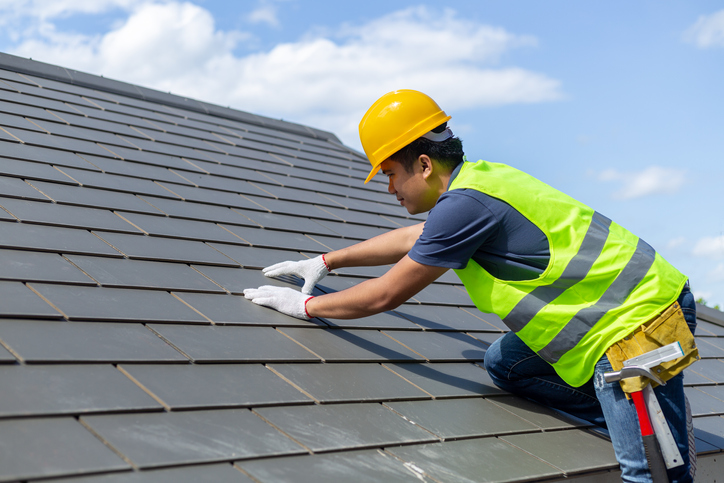
The Impact of Delaying Repairs
Delaying repairs on a leaking roof can have significant long-term consequences that go beyond just the immediate inconvenience of water intrusion. The longer a roof leak is left unaddressed, the more extensive the damage can become, leading to a cascade of problems that can affect the overall integrity and safety of your home.
- Increased Damage and Repair Costs: Moisture can quickly penetrate roofing materials, causing them to deteriorate. Over time, this can lead to widespread damage, not just on the roof but also within the home’s structure, including the attic, insulation, walls, and ceilings. This not only complicates the repair process but also escalates the costs substantially.
- Health Risks: Damp environments are breeding grounds for mold and mildew, which can proliferate throughout the home if repairs are delayed. Exposure to mold poses health risks, especially for individuals with respiratory conditions or allergies.
- Energy Efficiency Losses: A leaking roof can compromise your home’s insulation, leading to increased heat loss during winter and heat gain during summer. This inefficiency not only makes your home less comfortable but also leads to higher energy bills.
- Reduced Property Value: The longer roof leaks are ignored, the more they can impact your home’s overall value. Potential buyers are less likely to be interested in a property with a history of water damage and ongoing repair issues.
- Insurance Implications: Many homeowner insurance policies require that reasonable care is taken to maintain the property. Failure to promptly address a known issue like a roof leak could lead to denied claims for any resulting damage, based on negligence.
Proactively managing roof repairs not only saves you money in the long run but also preserves the health of your home and its occupants. The risks involved with delaying roof repairs underscore the importance of acting swiftly at the first sign of a leak.
Budgeting Strategies for Roof Leak Repairs
Budgeting for roof leak repairs is essential for minimizing the impact of these unforeseen expenses on your overall financial health. By being prepared, homeowners can ensure that they can address repairs promptly, preventing further damage and additional costs. Here are some effective strategies to budget for roof leak repairs:
- Emergency Savings Fund: One of the most effective ways to prepare for unexpected home repair costs is by establishing an emergency savings fund. Aim to set aside a certain percentage of your monthly income into this fund, specifically for urgent repairs like roof leaks. Having this financial cushion can significantly reduce the stress associated with these sudden expenses.
- Home Maintenance Account: Separate from an emergency fund, consider creating a dedicated home maintenance savings account. Allocate funds regularly to this account for the sole purpose of home repairs and improvements. This proactive approach allows you to gradually build a substantial reserve over time, earmarked for maintenance needs including roof repair.
- Annual Roof Inspection: Scheduling an annual roof inspection can help identify potential issues before they result in a leak. While there’s an upfront cost for professional inspections, catching and addressing minor issues early on can prevent more expensive repairs down the line, ultimately saving you money.
- Insurance Review: Understand the coverage details of your homeowner insurance policy regarding roof damage and repairs. In some cases, your policy might cover repairs, especially if the damage is due to unforeseen events like storms. Knowing what your insurance covers can help you budget more accurately for out-of-pocket expenses.
- Research and Compare: If a repair is necessary, obtain multiple quotes from reputable roofing contractors. This not only helps you get a fair price but also lets you budget for the best value, balancing cost with the quality of work.
- DIY for Minor Repairs: For minor issues, consider do-it-yourself repairs if you’re handy and confident in your abilities. There are numerous resources available to guide homeowners through basic roof repair projects. However, it’s crucial to assess the risk and ensure that any DIY efforts do not void warranty terms or insurance policies.
Implementing these strategies can help homeowners better manage the costs associated with roof leak repairs, ensuring that they’re not caught off guard when unexpected issues arise. By planning ahead and setting aside funds specifically for home maintenance and repair, you can protect your home and your wallet from the fallout of a leaking roof.
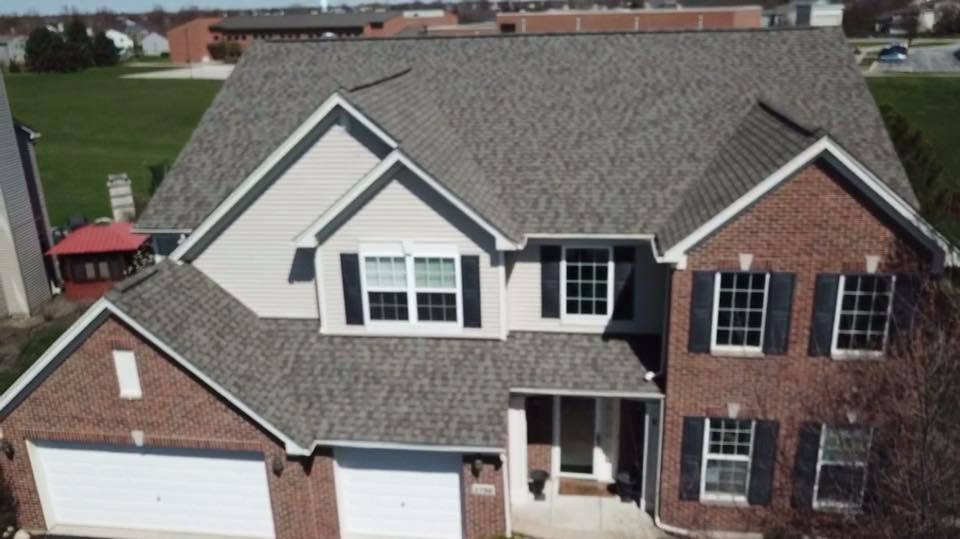
DIY vs. Professional Repair: What to Consider
When faced with a leaking roof, homeowners must decide between tackling the repair themselves or hiring a professional. Each option comes with its own set of considerations, benefits, and potential drawbacks.
- Expertise and Experience: Professional roofers bring years of experience and specialized skills to the table, ensuring repairs are done correctly and efficiently. For complex or extensive damage, their expertise is invaluable. In contrast, DIY repairs are suitable for minor issues, provided the homeowner has a good understanding of roofing systems and the required repair techniques.
- Safety Risks: Roof repairs can be hazardous, especially for individuals lacking the proper safety equipment and experience working at heights. Professionals are trained to manage these risks effectively. Homeowners considering DIY repairs must seriously evaluate their ability to safely perform the work.
- Cost: DIY roof repairs usually appear more cost-effective in the short term, as they eliminate labor costs. However, without the proper tools, materials, and know-how, there’s a risk of inadvertently causing further damage, leading to even higher costs down the line. Professional services, while initially more expensive, can ultimately be more economical due to the quality and durability of the repair.
- Time Commitment: Repairing a roof can be time-consuming, particularly for those learning as they go. This is a significant consideration for homeowners with busy schedules. Hiring professionals can save time and ensure the job is completed promptly.
- Warranty and Guarantees: Many roofing contractors offer warranties on their work, providing peace of mind and protection against future issues. Conversely, DIY repairs carry the risk of voiding existing warranties on roofing materials or previous professional repairs.
- Quality of Materials: Professionals have access to high-quality, commercial-grade materials that may not be readily available to the general public. This can make a significant difference in the longevity and effectiveness of repairs.
Weighing these factors can help homeowners make an informed decision between DIY and professional roof repair. Ultimately, the choice should align with the individual’s skill level, understanding of the repair needed, and their ability to safely carry out the work, while also considering the long-term implications and costs.
Common Causes of Roof Leaks
Identifying the root causes of roof leaks is essential in preventing future water damage and maintaining the structural integrity of your home. Here are some of the most common culprits behind roof leaks:
- Age of the Roof: Over time, roofing materials deteriorate and lose their effectiveness due to exposure to various weather conditions. Older roofs are more susceptible to leaks as their components have likely reached the end of their lifespan.
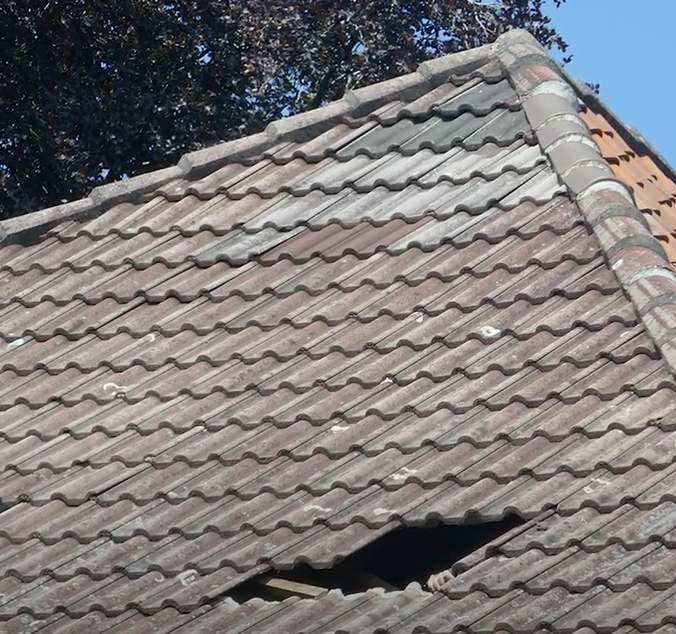
- Missing or Damaged Shingles: High winds, storms, and physical impact can dislodge or damage shingles, leaving the roof vulnerable to water infiltration. Regular inspections can help identify and replace compromised shingles.
- Improperly Sealed Valleys: The valleys, where two roof planes come together, need to be properly sealed to prevent water from sneaking through. Leaks often occur in these areas if the sealant erodes over time or if it was not adequately applied during installation.
- Clogged Gutters: When gutters are clogged with debris, water can back up and seep under the roof shingles or overflow behind the gutters, potentially damaging the fascia and leading to leaks.
- Cracked or Missing Flashing: Flashing is installed at joints in the roof and around vents, chimneys, and skylights to create a water-tight barrier. If this flashing cracks, breaks, or detaches, water can enter the home.
- Vent Boot Damage: Plumbing vents have rubber boots or plastic flashing that can deteriorate over time, creating pathways for water to enter the house.
- Skylight Leaks: Improper installation, damaged seals, or cracked glass on skylights can lead to leaks, often noticeable after heavy rain.
- Ice Dam Build-up: In colder climates, ice dams can form at the edge of the roof, preventing melted snow from draining off the roof and forcing water to go underneath the shingles.
Understanding these common causes of roof leaks can help homeowners take preventive measures, conduct more targeted inspections, and address minor issues before they escalate into significant problems.

Steps to Take When You Discover a Roof Leak
Discovering a roof leak can be a daunting experience, but taking immediate and strategic actions can help mitigate damage and address the issue efficiently. Here are crucial steps to take when you discover a roof leak:
- Contain the Water: Place a bucket or container under the drip to contain the water. If water is spreading along a ceiling or wall, you might need to use towels or rags to protect your floors and furniture.
- Relieve Water Pressure: If you notice a bulging water spot on your ceiling, carefully puncture it with a small hole to release the trapped water. This can prevent the ceiling from collapsing and minimize water damage.
- Locate the Source: Try to identify the source of the leak. Sometimes, water can travel from the original entry point, so look for any visible signs like missing shingles or damaged flashing on your roof. However, keep in mind that locating the exact source might be challenging and may require a professional assessment.
- Cover the Affected Area: If it’s safe to do so, use a tarp to cover the affected area on your roof. This temporary solution can help prevent further water intrusion until professional repairs can be made.
- Document the Damage: Take photos and notes of the damage both inside and outside your home. This documentation will be crucial for insurance claims and for contractors to assess the repairs needed.
- Contact a Professional: Reach out to a reputable roofing contractor for an inspection and repair estimate. It’s imperative to choose an experienced and licensed professional roofer to ensure the repairs are carried out effectively.
- Notify Your Insurance Company: Inform your homeowner’s insurance company about the leak. Provide them with the documentation of the damage and discuss your coverage. They may also recommend approved contractors for the repair work.
- Prevent Future Leaks: Once the immediate leak is addressed, consider a comprehensive inspection of your roof to identify and rectify potential vulnerabilities. Regular maintenance and timely repairs are key to preventing future leaks and extending the lifespan of your roof.
Taking these steps promptly can help control the situation, minimize damage, and facilitate the repair process, ultimately helping you restore the integrity and safety of your home.
In conclusion, roof leaks can be a common and frustrating issue for homeowners. Understanding the potential causes, taking preventive measures, and responding promptly to any leaks can help mitigate damage and ensure the longevity of your roof. Whether you choose to handle repairs yourself or hire a professional, it’s essential to prioritize safety, efficacy, and long-term implications when making repair decisions. Regular inspections and maintenance can also go a long way in preventing future leaks and saving you from costly repairs. Keep these tips in mind to safeguard your home against the damaging effects of roof leaks.
https://www.google.com/maps?cid=9546042109266593279