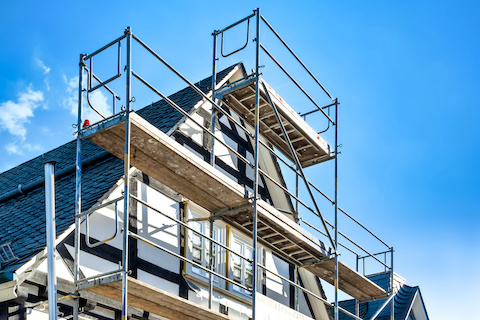
Roofing 101: A Comprehensive Guide on Roofing Materials and Installation
This guide is designed to take you on a journey through the world of roofing, providing an in-depth understanding of various roofing materials and their respective installation processes. We aim to equip you with the knowledge and confidence to make an informed decision about the best roofing solution for your home. From understanding the nuances of different materials to exploring the techniques of installation, we will delve into every aspect of roofing. So whether you’re a first-time homeowner or looking to replace your old roof, this guide will serve as your go-to resource. Let’s embark on this journey towards creating a robust shield for your home!
The Essential Role of Roofing in Protecting Your Home
Find out how roofing goes beyond mere construction to become a vital part of your home’s structural integrity. Within its dual purpose of adding beauty to your property and shielding it from the elements, a well-built roof can provide unparalleled defense against scorching heat, freezing cold, and torrential rain. Additionally, the choice of roofing material directly affects insulation and energy efficiency, making it crucial for homeowners to grasp the importance of proper roofing. Armed with this knowledge, you can confidently select the right materials and ensure expert installation, ultimately creating a safe and comfortable living space.
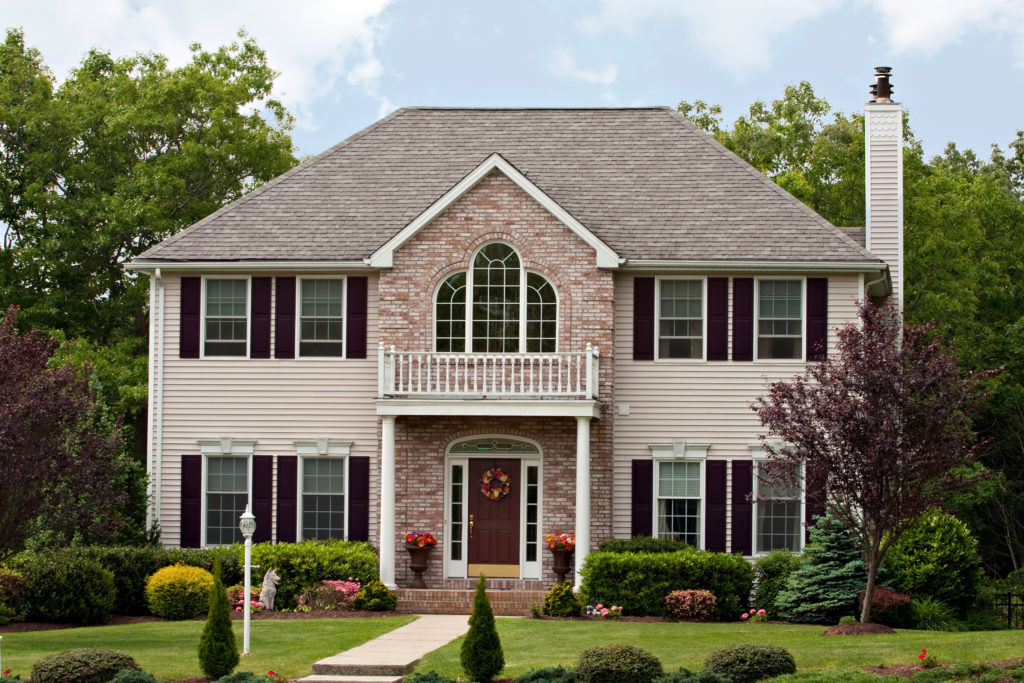
Choose the Right Roofing Material: Factors to Consider
Choosing the perfect roofing material involves considering a few key factors.
First and foremost, take your climate into account. Different materials are better suited for different climates. Metal roofs are ideal for extreme heat and fire-prone areas, while clay or slate roofs excel in hot, sunny locations because they resist UV damage.
Budget also plays a crucial role. Asphalt shingles are affordable and easy to install, but they may not last as long as pricier options like metal or tile. It’s important to weigh the initial cost against the material’s expected lifespan and maintenance expenses.
Durability is a top priority. You want a roofing material that can withstand the test of time and the elements. Metal and tile roofs often outlast asphalt shingles. Make sure to consider the longevity and durability of each material before making a decision.
By keeping these factors in mind, you’ll be able to make an informed choice that perfectly suits your needs and circumstances.
Pros and Cons of Each Material and Which is Best for Different Climates
Different roofing materials come with their unique strengths and weaknesses. Here’s a quick rundown of some popular options:
Asphalt Shingles
- Pros: Asphalt shingles are cost-effective and easy to install, making them a popular choice for many homeowners. They come in various colors and styles to suit different aesthetic preferences.
- Cons: The downside is they have a shorter lifespan compared to other materials, lasting around 15 to 30 years. They are also less environmentally friendly.
- Best climates: They hold up well in a variety of weather conditions, but extreme heat can cause them to crack.
Metal Roofing
- Pros: Metal roofs are durable, fire-resistant, and require little maintenance. They also reflect heat effectively, which can help to reduce cooling costs in summer.
- Cons: They can be noisy during rain or hail and may dent if hit by a heavy object.
- Best climates: Metal roofs are great for areas prone to high winds, heavy snowfall, and forest fires because of their resilience and fire resistance.
Slate Roofs
- Pros: Slate roofs are extremely durable, with a lifespan of up to 100 years. They are also fire-resistant and environmentally friendly.
- Cons: However, they are heavy, which may require additional support, and are more challenging to install.
- Best climates: Slate roofs are ideal for regions with high rainfall as they are water-resistant.
Clay Tiles
- Pros: Clay tiles are attractive, non-combustible, and highly durable, with a lifespan that can exceed 50 years.
- Cons: Like slate roofs, they are heavy and may require additional roof support. They are also more expensive compared to other roofing materials.
- Best climates: Clay tiles hold up well in hot, dry climates but may crack in freezing temperatures.
Choosing the right roofing material depends on several factors, including your local weather conditions. It’s important to weigh the pros and cons of each material in the context of your individual situation to make the best decision for your home.
5 Essential Steps for a Successful Roof Installation Project
Are you considering a roof installation project? Before you dive in, it’s crucial to be prepared and set yourself up for success. We’ve outlined the five essential steps to help guide you through the process and ensure a smooth, worry-free experience.
- Navigating the Legalities: Don’t let permits hold you back. Familiarize yourself with your local building codes and regulations to ensure you’re in compliance. Taking the time to secure the necessary permits can save you from potential legal headaches down the road.
- Finding the Right Contractor: The key to a successful roof installation lies in hiring the right contractor. Look for someone with a solid reputation, proven track record, and positive client feedback. Ensure they are licensed, insured, and offer a warranty on their work.
- Asking the Right Questions: A thorough vetting process is essential when interviewing potential contractors. Prepare a list of questions to ask, covering everything from their experience with your chosen roofing material to their approach to unexpected setbacks. A good contractor should confidently address your concerns and provide you with a detailed, written estimate.
- Planning Ahead: Don’t let surprises derail your project. Work with your chosen contractor to create a comprehensive timeline and plan for any potential challenges that may arise. By foreseeing obstacles and finding solutions in advance, you can stay on track and avoid unnecessary delays.
- Achieving Lasting Quality: Investing in a roof installation is a big decision, and you want to ensure lasting value. By following these steps and carefully selecting the right roofing materials and contractor, you’ll achieve a project that not only enhances your home’s value but also provides long-lasting durability.
Embarking on a roof installation project may seem overwhelming, but with these essential steps, you can approach it with confidence. Set yourself up for success and enjoy the benefits of a well-planned and flawlessly executed roofing project.
Extend the Life of Your Roof with These Maintenance Tips
Maintaining your roof is crucial to extend its lifespan and prevent costly repairs. Here are some tips to keep your roof in top condition:
- Regular Inspections: Conduct routine inspections, especially after storms or high winds. Look for any signs of damage such as missing or loose shingles, leaks, or moss growth.
- Clean Gutters: Ensure gutters are free from debris like leaves or twigs. Clogged gutters can lead to water overflow, damaging the roof and siding of your house. Keep maintaining your gutters for better roofing results.
- Trim Nearby Trees: Overhanging branches can scratch and damage your roof, and falling leaves can cause mold and rot. Trim trees near your roofline to prevent any potential damage.
- Prevent Ice Dam Formation: In colder climates, ice dams can cause serious damage to your roof. Proper insulation and good attic ventilation can help prevent this.
- Seek Professional Help: If you spot any signs of damage, don’t hesitate to call in a professional. They can accurately assess the damage and suggest appropriate repairs.
Remember, preventative maintenance is key to prolonging the life of your roof. Your roof is an investment – take care of it.
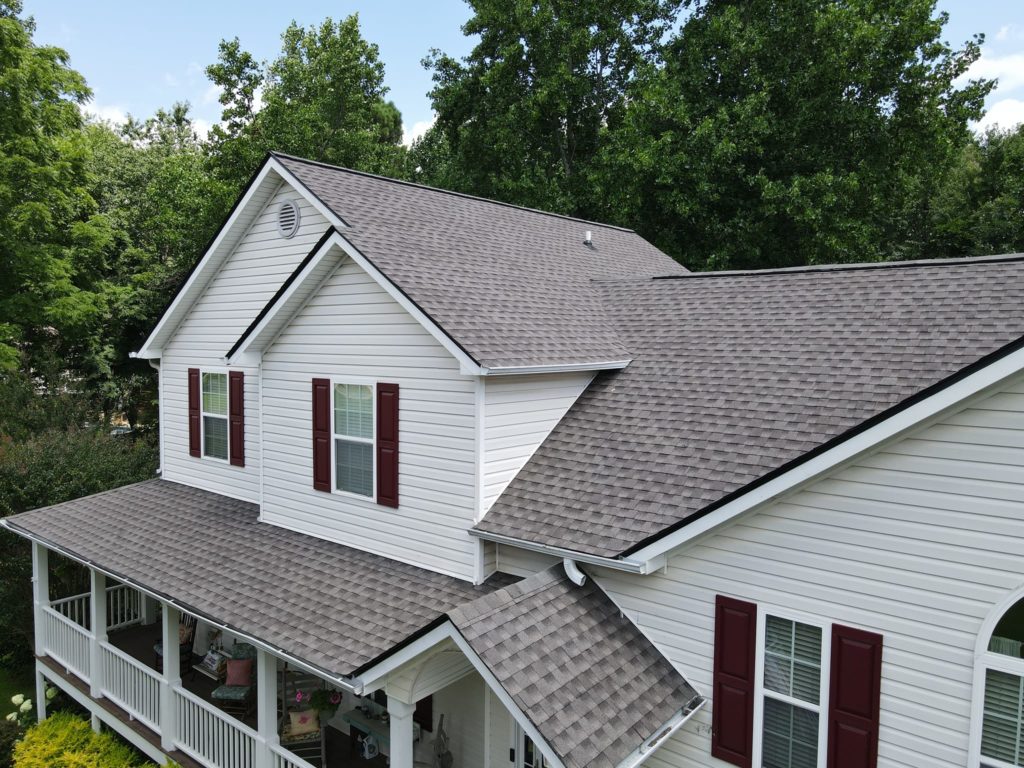
Common Roofing Mistakes to Avoid During Installation
Avoiding common roofing mistakes during installation is crucial to ensure the longevity and functionality of your roof. Here are some common pitfalls to avoid:
- Ignoring Local Building Codes: Local building codes are established for a reason. Not adhering to them can lead to significant consequences including fines or having to redo the roofing job. Always verify local regulations before starting any roofing project.
- Incorrect Shingle Installation: Shingle misalignment not only affects the aesthetic appeal of your roof but can also cause water leakage and harm the structural integrity of your home.
- Inadequate Ventilation: Proper roof ventilation is critical. It helps regulate temperature, prevents moisture buildup, and extends the lifespan of your roof.
- Poor Installation of Flashing: Flashing is essential for preventing water penetration at the junctions of different roof planes and penetrations. Incorrect installation can lead to leaks and water damage.
Avoiding these common roofing mistakes can save you from unnecessary costs and potential damage in the future. Always hire experienced roofing professionals to ensure the job is done right. By following these tips, you can have a durable and long-lasting roof that protects your home for years to come. So make sure to do your research, plan ahead, and invest in quality materials and reputable contractors for a successful roofing project.
In conclusion, choosing the right roofing material, preparing for a roof installation project, conducting regular maintenance, and avoiding common mistakes are essential steps in ensuring a durable and long-lasting roof for your home. By following these tips, you can save yourself from potential headaches and costly repairs in the future. Remember to always seek professional help when needed and invest in quality materials for a successful roofing project that adds value to your home. So whether you’re considering a new roof installation or simply maintaining your current one, be sure to keep these tips in mind for a beautiful, functional, and long-lasting roof. So go ahead, give your home the protection it deserves and embark on your roofing journey with confidence!
https://www.google.com/maps?cid=9546042109266593279