Tag: shingle roof

  • How Many Nails to Use per Shingle?

    How Many Nails to Use per Shingle?

    Homeowners, especially those living in areas where thunderstorms hit hard, know how important it is to ensure that the roof is in ideal condition to guard the property against all types of weather. It could be frustrating to see shingles getting blown off by strong winds. Perhaps the shingles are due for replacement because of old age, but maybe you or your roof contractor can secure the shingles better. If you’ve ever asked how many nails you need to use per shingle, then you’ve come to the right place. We’re here to answer just that. 


    The Industry Standard


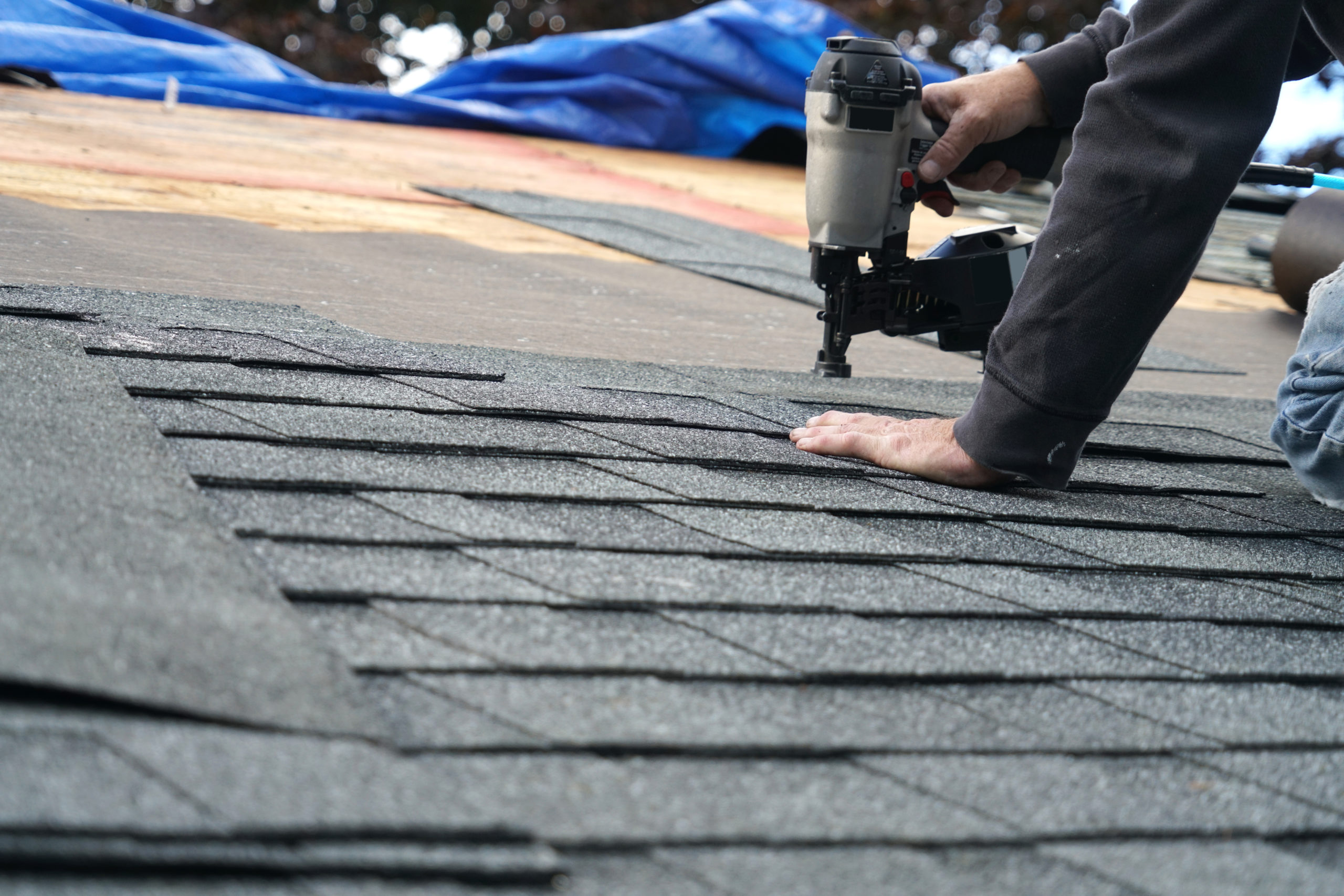
    Most roofing contractors and shingle manufacturers consider using four (4) nails per shingle as the widely accepted industry standard. Using less than four nails for shingles will cause you to void warranties. However, you shouldn’t settle with just the bare minimum for your roofs, especially when you live in areas frequented by storms and strong winds. 


    The JBL Roofing and Construction Practice


    JBL Roofing and Construction is a GAF Master Elite Certified Roofing Contractor. They know how critical it is to have well-placed nails to ensure top-performing roofs, so JBL Roofing uses a minimum of six (6) nails per shingle and offers a 130mph warranty for the roofs they install. Because JBL uses six (6) nails driven through the nail strip and another six (6) nails for the next layer of shingles above it, ultimately, each shingle installed by JBL would have about eight (8) to twelve (12) nails on them. 


    But it is not just the number of nails. JBL Roofing and Construction also uses the best quality nails suited for the required application. And they have top-notch craftsmanship and experience to nail every roofing job. 


    Clearly, every nail counts for roofing projects. So, always hire a roofing contractor you can trust. Lucky for you, there’s no need to look further. JBL Roofing and Construction is always available. Visit the website or call them to discuss your roofing requirements today! 
  • Can I Put a New Shingle Over the Old?

    Can I Put a New Shingle Over the Old?

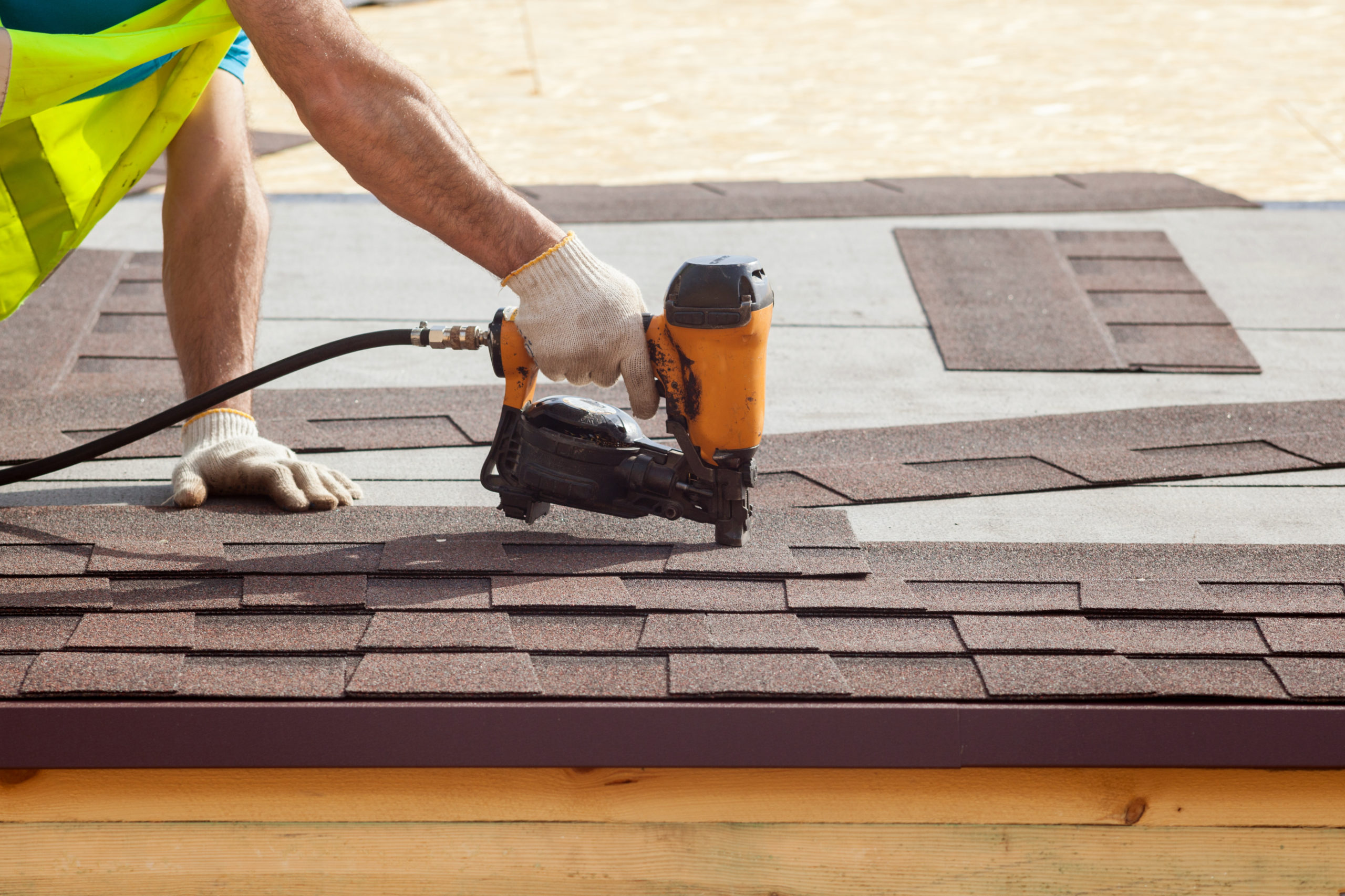
    One of the most common questions a roofer gets asked is whether homeowners can put a new shingle over the old one. The quick answer is yes, you can, but experts do not recommend it. Sometimes, the shingles are already blowing up because of age, installation, or brittleness. And while the upfront savings of overlaying shingles may seem tempting, starting fresh with a new layer is often more cost-effective in the long run.


    Professional Opinion

    Here are a few notes on why most roofing companies don’t consider putting new shingles over old ones to be the best idea:


    1. There is a risk of improper installation in the shingle-over method. To install a new shingle, you need to bend the old one up to slide in the new one and install it properly. The process can be tricky and may cause installers to damage the existing shingles. The top layer may also become harder to mount and secure properly, possibly leading to issues later.


    1. It may be more costly in the long run. Overlaying shingles isn’t always cheaper. The associated cost of double-layer tear-off eventually, or damages due to weight strain or poor foundation, makes shingle-over more expensive in the long run.


    1. It may cause issues with your insurance. Roofing is a considerable liability for the home and putting new shingles over old ones can mess with your warranties and insurance claims. Insurance claims typically contain provisions on “uniform appearance;” thus, overlaying some portions with a non-match shingle may cause problems.


    Homeowners must address roofing issues as soon as possible but fixing roofs should always be done correctly. It is always a good idea to rely on experts like JBL Roofing and Construction, which has been in the roofing business for over 25 years. Read more about their service or contact them to avail of their services at www.jblrc.com.

  • Why Roofing Shingles Curl

    Why Roofing Shingles Curl

    Shingles are among the most common roofing materials. But it is also fairly common to see roof shingles curling. When it happens, shingles curling doesn’t just look unsightly. They are a sign that it’s time to have your roof fixed before the bad weather hits your roof and causes more permanent damage. And in case you’re wondering, here is why roof shingles curl and some tips on what you can do about it.

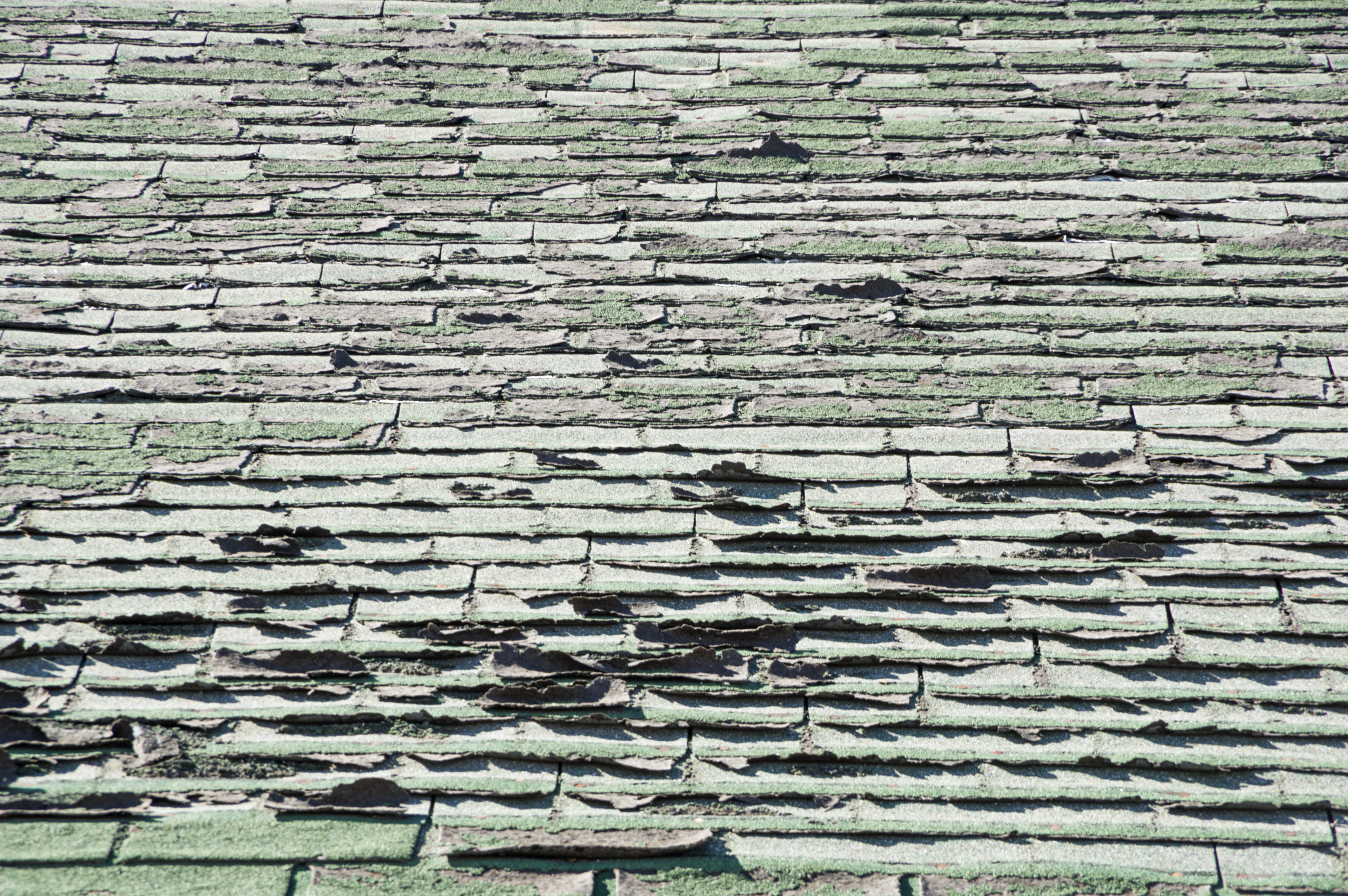
    There are different reasons for roof shingles to curl. It is possibly due to poor or improper installation, or sometimes your roof is already too old. But the main reason is poor ventilation.


    How poor ventilation causes roofing shingles to curl

    Roof ventilation systems have intake vents that pull outside air below your roof and vent them out to the top. The process ensures proper airflow for the roof to breathe and prevents moisture from building up. However, several homes, especially in the Ohio area, don’t have enough room for correct intake. As a result, dampness and humidity accumulate from the rising air that becomes stagnant because of the lack of ventilation. Moisture buildup causes molds to form and shingles to curl. Lack of airflow may also cause heat from outside and inside the house to get trapped in the attic. This resulting heat buildup is baking your roof from underneath and causing the shingles to curl.


    Preventive Measures

    Hiring a professional for your roofing installation, inspection, and repair is ideal for preventing your roof shingles from curling and ensuring that your roof will last as long as possible. JBL Roofing and Construction is an expert with over 25 years of experience in providing excellent roofing services. They can conduct roof inspections to check if there is proper ventilation in your attics, adhere to GAF CobraPro Intake Vent to ensure balanced ventilation, and comply with local building codes for optimal results.

    Visit the JBL Roofing and Construction website and fill out their forms to schedule a roof inspection and let a pro handle your roofing needs.